Doctor-led xanthelasma removal in Bedford
Yellow eyelid plaques are assessed before treatment to confirm xanthelasma and discuss an appropriate lipid check. Where suitable, precise Er:YAG laser removal can reduce the deposits while protecting delicate eyelid skin and planning carefully for healing and recurrence.
- Diagnosis first
- Delicate eyelid care
- Lipid check discussed
- Bedford clinic

Xanthelasma are harmless yellow cholesterol deposits on the eyelids — but they can be a signal worth listening to. Removal improves how they look; it doesn’t change what’s happening underneath, which is why a cholesterol check matters.
What is xanthelasma?
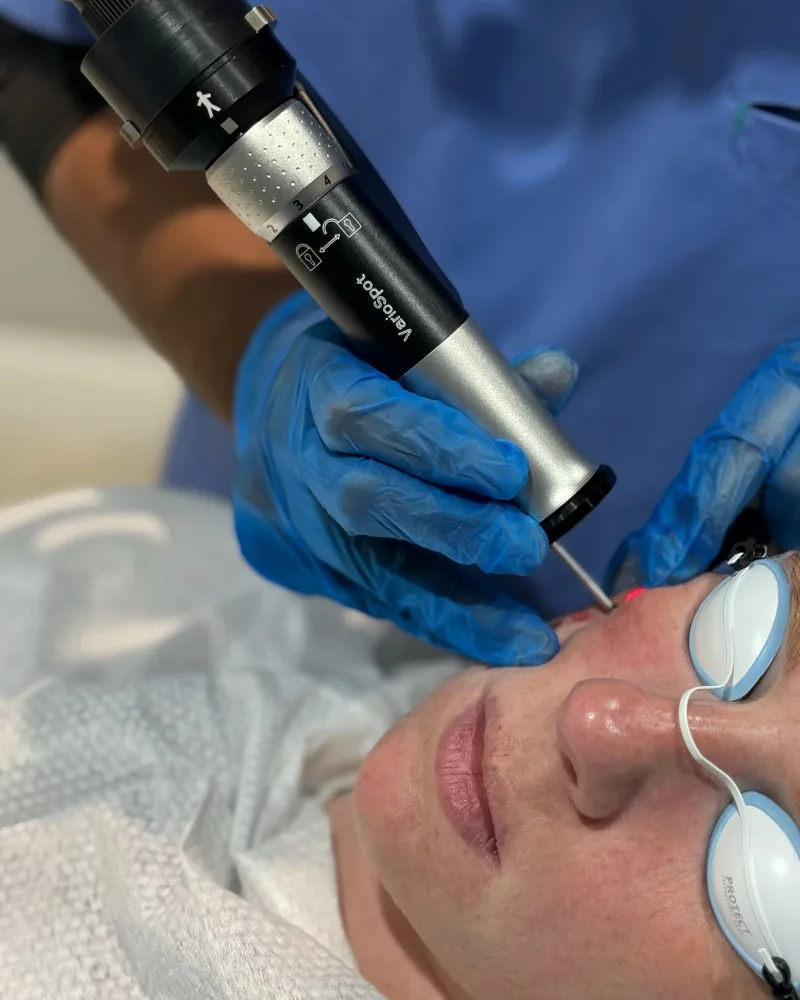
Xanthelasma (full name xanthelasma palpebrarum) are soft, yellow, flat-to-slightly-raised cholesterol-rich plaques that form in the thin skin of the eyelids — most often at the inner corners of the upper and lower lids, and usually symmetrically on both sides. Under the microscope they are deposits of lipid-laden cells (foam cells) sitting in the upper layers of the skin. They are the most common type of xanthoma and tend to appear from the forties onwards, a little more often in women.
They are benign — not cancerous, not painful, and they don’t affect your vision unless very large. But they do not clear on their own. Left alone they tend to stay put or slowly enlarge, and creams or home remedies will not remove them. The two honest facts to hold onto: removal is cosmetic and treats the appearance only, and roughly half of people with xanthelasma have raised blood lipids — so the deposits can be a useful prompt to have your cholesterol checked. At Rejuvena in Bedford, every eyelid lesion is assessed by Dr Nick before anything is treated, and he will advise on a cholesterol (lipid) check via your GP where appropriate.
What xanthelasma removal helps with
At Rejuvena in Bedford, each xanthelasma removal plan starts with a careful assessment to confirm the concern, suitability and realistic next steps.
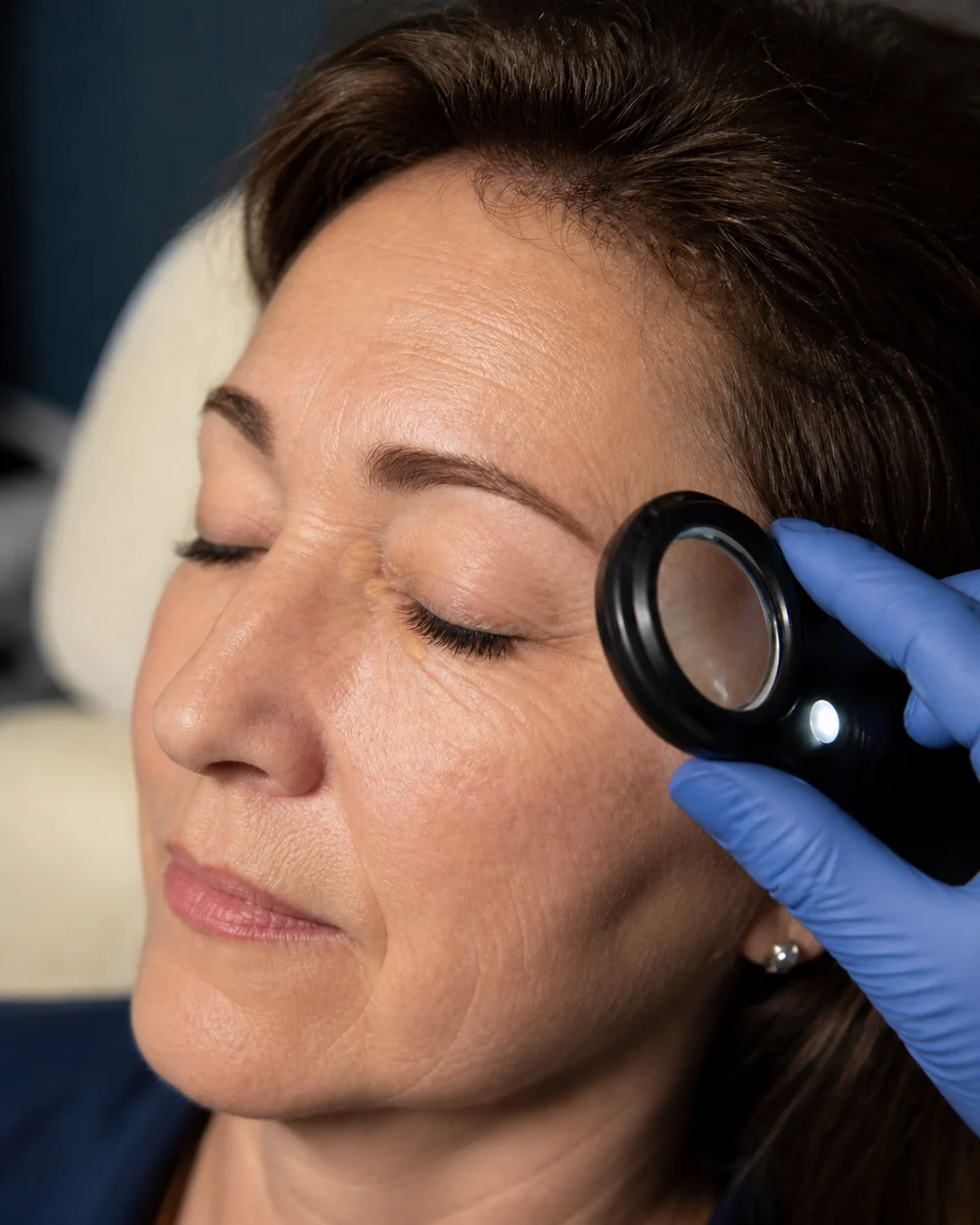
From cholesterol deposit to clearer eyelid
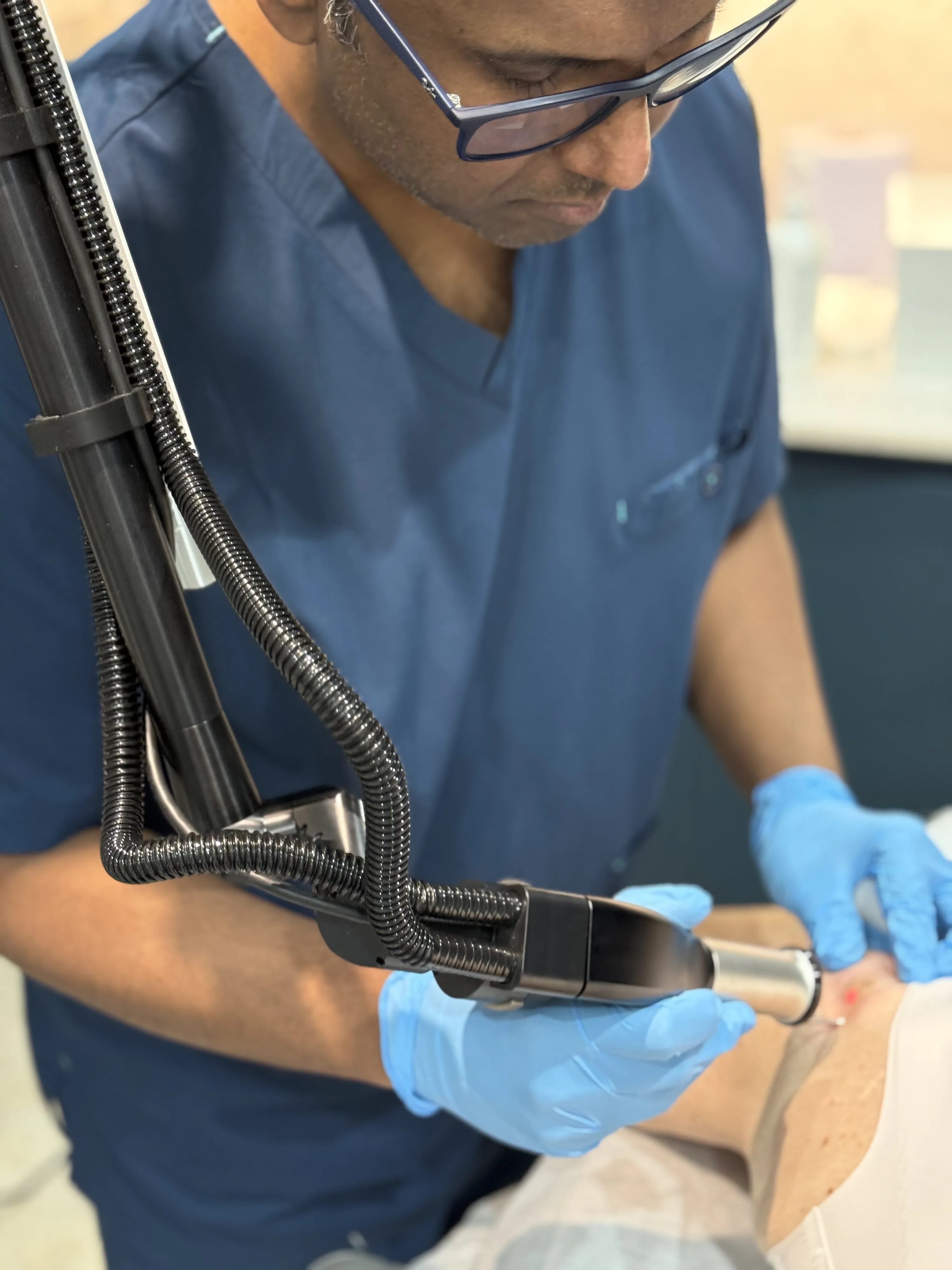
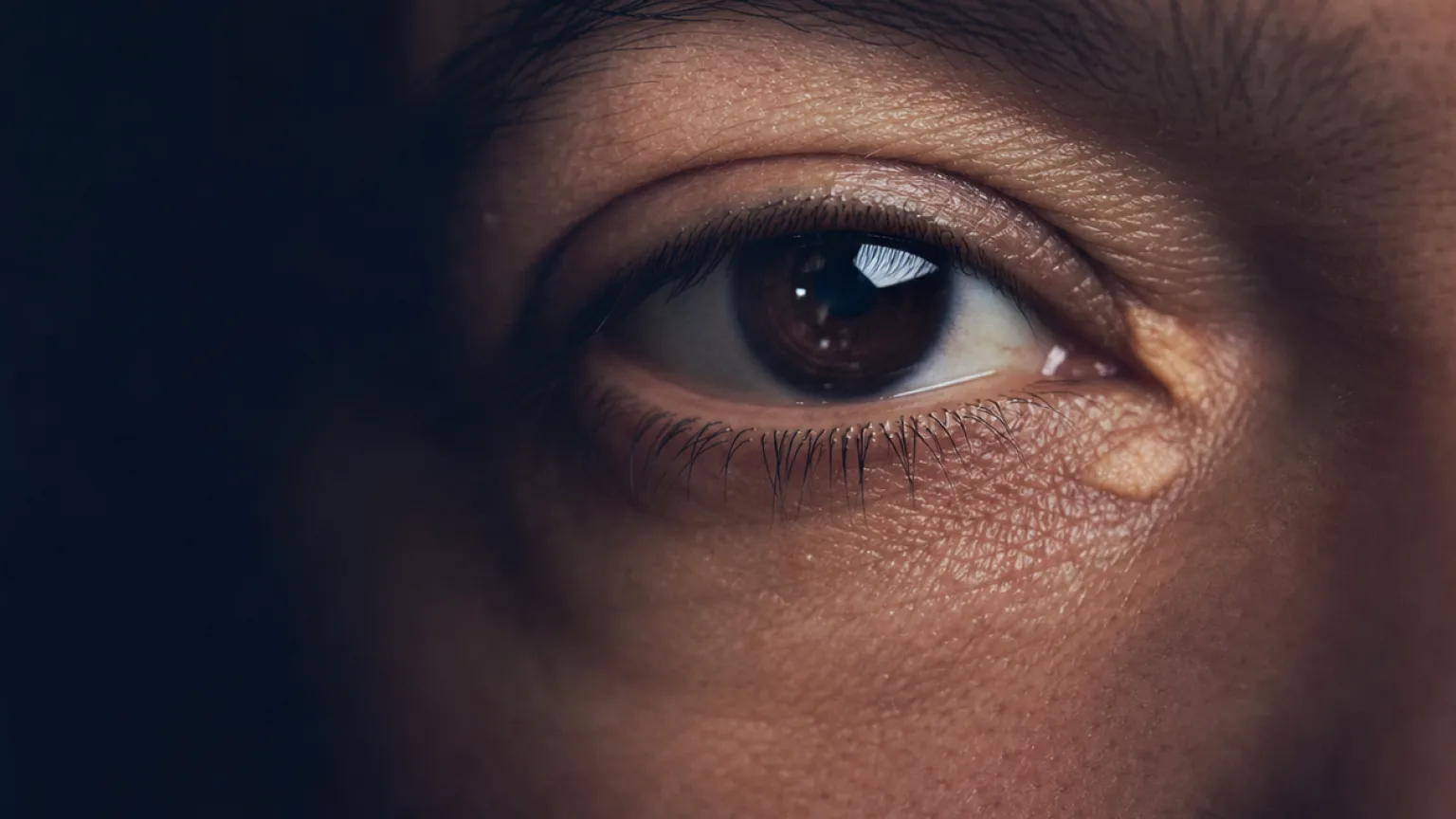
Xanthelasma form when cholesterol builds up in the delicate eyelid skin. We treat them with the Dermablate Cool Laser™ — a medical-grade Er:YAG laser — chosen for precision and low heat in this sensitive area. The procedure detail lives on our laser skin lesion removal page.
A cholesterol build-up in the skin
Xanthelasma are pockets of cholesterol that have accumulated within the skin of the eyelid. Around a third to a half of people with them have raised blood lipids — linked to familial high cholesterol, raised LDL or low HDL, an underactive thyroid, fatty liver or diabetes. The rest have completely normal cholesterol and simply a skin tendency to deposit it. Either way, the deposits are worth a lipid check.
- Location Inner corners of the eyelids, often both sides
- Nature Benign cholesterol plaques (foam cells)
- Self-resolve? No — they persist or enlarge
Why a lipid check matters
Xanthelasma is recognised as an independent marker of raised cardiovascular risk — even in people whose cholesterol turns out to be normal. That is the clinical reason removal alone is never the whole picture. Dr Nick will advise a fasting lipid profile (and, where relevant, thyroid or liver checks) through your GP, so the deposits are treated as a prompt to look after your heart health, not just a cosmetic blemish.
- Lipid link ~1 in 2 have raised blood lipids
- Risk marker Even with normal cholesterol
- Action Cholesterol check via your GP
Dermablate Cool Laser™
We remove xanthelasma with the Dermablate Cool Laser™, an Er:YAG laser at 2940nm — the wavelength most absorbed by water in skin, so each pulse ablates a fine, controlled layer with minimal heat spread to surrounding tissue. The “Cool” descriptor reflects that low residual thermal damage, which helps healing and reduces scarring risk in the delicate area around the eye. Larger, thicker or deeper plaques are better suited to surgery and Dr Nick will refer appropriately rather than treat them with laser.
- Best for Smaller, superficial eyelid plaques
- Sessions One or more, confirmed at assessment
- Healing Crusts and settles over ~1–2 weeks
Xanthelasma removal — step by step
Assessment & diagnosis
Dr Nick examines the eyelid lesion to confirm it is xanthelasma, and checks its size, depth and how close it sits to the lid margin. If a lesion is atypical or the diagnosis is uncertain, he refers appropriately rather than treating blindly.
Cholesterol check advice
Because xanthelasma can signal raised blood lipids, Dr Nick advises a fasting lipid (cholesterol) check via your GP, and discusses thyroid or liver tests where relevant. This runs alongside treatment, not instead of it.
Numbing
Topical anaesthetic is applied to the eyelid skin and given time to take effect, with eye protection in place for the laser.
Cool Laser™ ablation
The Er:YAG Cool Laser™ removes the plaque layer by layer with fine, controlled pulses, conserving as much healthy eyelid skin as possible. Thicker or multiple plaques may need more than one session.
Aftercare & review
The treated area forms a light crust that heals over roughly one to two weeks. You’ll keep it clean, apply the prescribed ointment, avoid picking the scab, and protect the area from the sun. Pinkness can linger for a few weeks and settles gradually; a review is arranged to check healing.
With xanthelasma we do two things — improve how the eyelid looks, and make sure the cholesterol behind it is being looked after. The skin is just the visible part.
The cost of xanthelasma removal depends on the size, number and depth of the plaques and how many sessions are needed, so pricing is confirmed at your consultation with Dr Nick — no guesswork and no surprises. Note that the NHS generally classes xanthelasma removal as cosmetic and does not routinely fund it, so this is a private, doctor-led service.
Why choose Rejuvena for xanthelasma removal in Bedford?
Doctor-led, not delegated
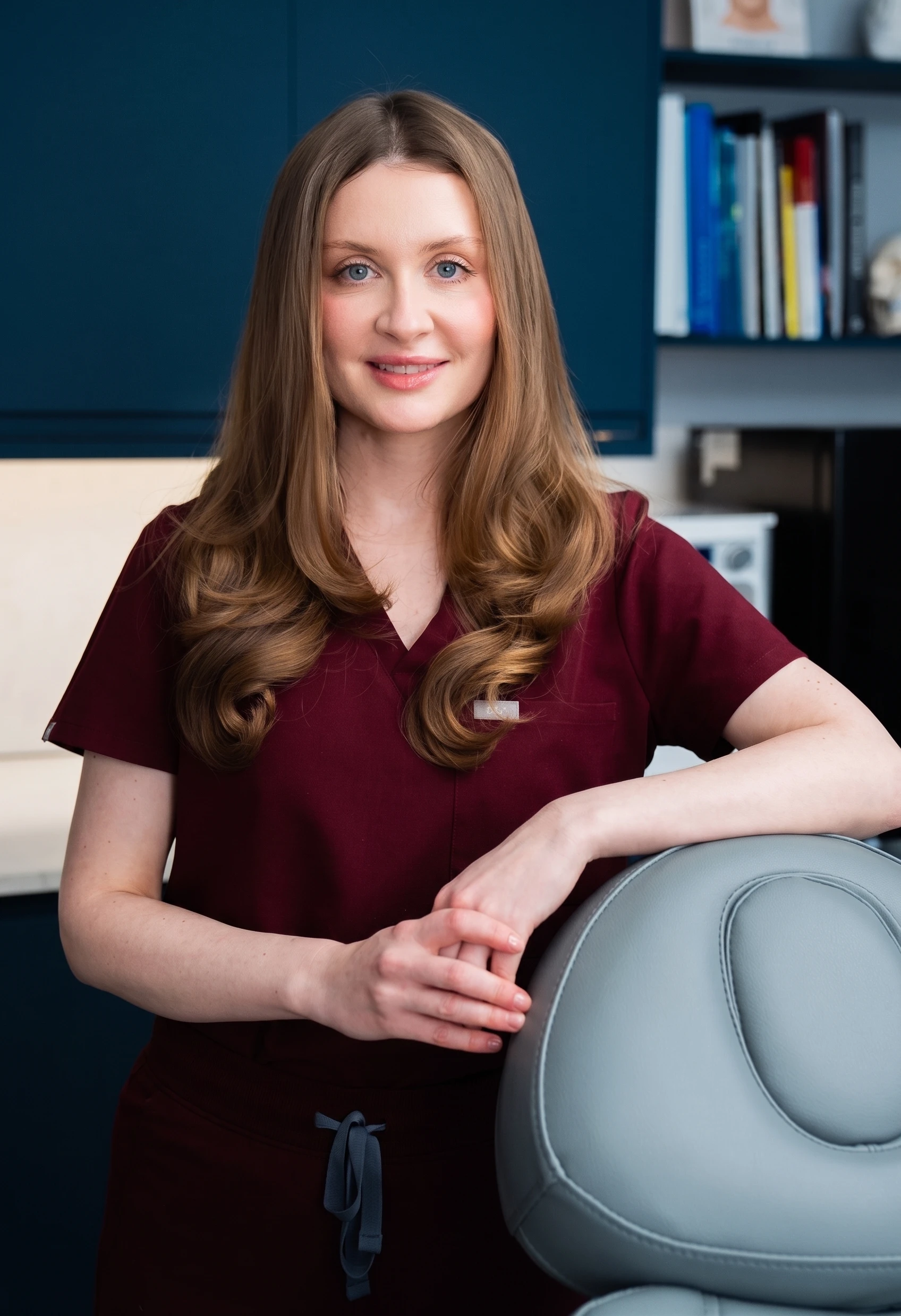
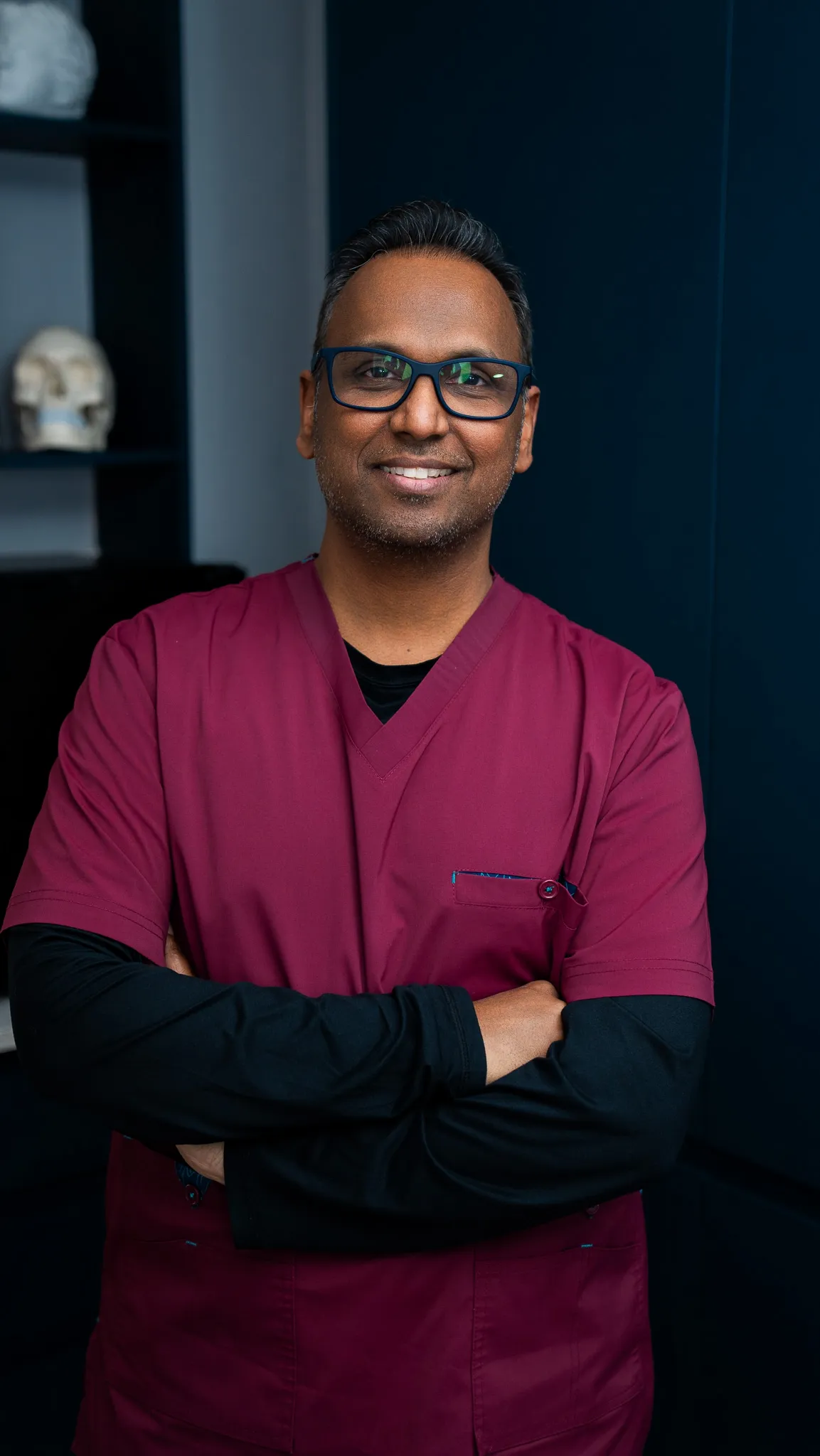
Eyelid skin is delicate and the diagnosis must be right. Every lesion is assessed and treated by Dr Nick — MBBS, MRCGP, Diploma in Dermatology, GMC 6072251.
Eyelid-safe Cool Laser™
Dermablate Er:YAG at 2940nm ablates the plaque in fine layers with low heat spread — chosen for precision in the periocular area.
Honest, whole-health advice
We treat the appearance and prompt the cholesterol check that should go with it — referring you to your GP for lipid testing where appropriate.
Rated 5★ in Bedford
4.9 stars from 161 verified reviews, serving Bedford, Kempston, Biddenham, Bromham, Wootton, Great Denham, Milton Keynes and across Bedfordshire.
Who is — and isn’t — suitable
Well suited
Adults with confirmed, typical, benign xanthelasma — particularly smaller, superficial, well-defined plaques — who want to improve the appearance of their eyelids and are happy to have a lipid check and accept that recurrence is possible.
Needs caution or referral
Very large, deep plaques or those on the lid margin / very close to the eye are usually better managed surgically, so Dr Nick refers to oculoplastics rather than treating with laser. Darker skin types are assessed case by case for pigment-change risk, and uncontrolled cholesterol is best addressed with your GP first to reduce recurrence.
Not suitable
An active eyelid or eye infection or inflammation, recent isotretinoin use, a tendency to keloid or raised scarring, or pregnancy and breastfeeding (elective cosmetic laser is deferred). If a lesion could be something other than xanthelasma, it is investigated or referred — never treated blindly.
Related treatments at Rejuvena Bedford
Laser Skin Lesion Removal
The doctor-led procedure that removes xanthelasma plaques — Cool Laser™ Er:YAG, the full procedure detail.
Learn more →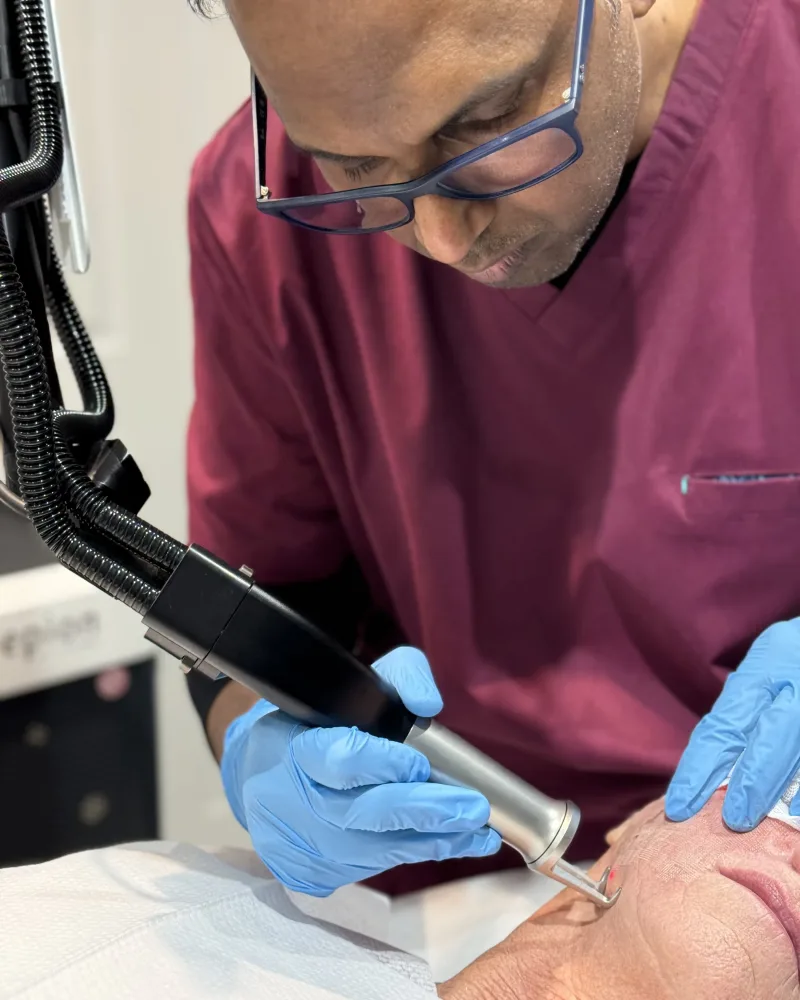
Cool Laser™ Skin Resurfacing
The same Er:YAG platform used to smooth and refine the delicate skin around the eyes.
Learn more →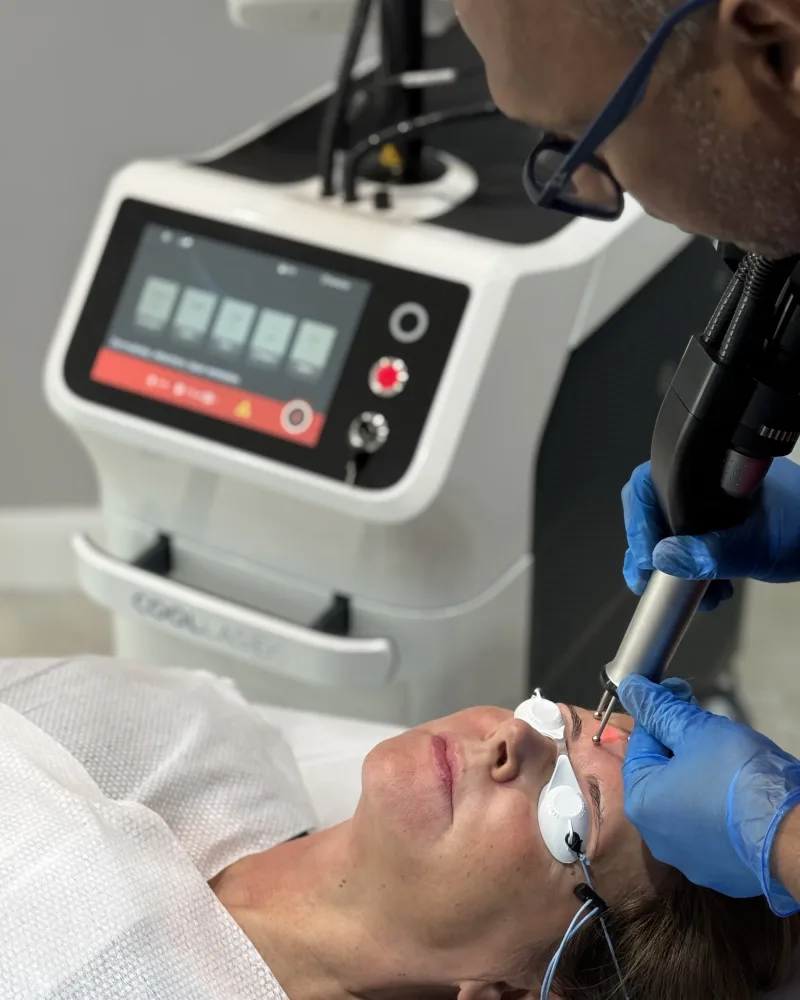
Cool Laser™ Scar Revision
Helps minimise any residual texture or marking after ablative removal near the eyelid.
Learn more →Verified Google reviews
What our patients say
5.0from 161 Google reviews
I recently had a lesion removed from my cheek. The pigmented lesion had bothered me for years. I’m glad I finally decided to do something about it. I was quite nervous on the day, but Dr. Nick and Lana were so careful and reassuring — they really put me at ease. The procedure was quick and comfortable, and I feel so much better for having it done. I did a lot of research before I chose this clinic for my treatment. The clinic’s medical dermatology focus made me feel confident I would be in the right hands. I’m really grateful for the care I received and I would definitely recommend this clinic.
Rejuvena repliedThank you so much for your skin review Dupinder 🙏
Read this review on Google (opens in a new tab)I had lots of skin lesions on both hands and Dr Nick and Lana have been great treating me.I will definitely be returning for any future treatments and highly recommend seeing Dr Nick.Great service and facilities thanks again.
Rejuvena repliedAww! Thank you Gavin for your kind review. It was a great pleasure having you in our clinic and we look forward to seeing you in the future too. 😊🙏
Read this review on Google (opens in a new tab)Started my laser journey a couple months ago, with Lana and yesterday I had car issues which led to me missing my appointment slot. I thought I had contacted Lana to inform her and realised I didn’t, when she messaged me. She still made time for me and managed to fit in my session! She was incredibly understanding and made me feel much better about the situation. The treatment has been going so well, and the service is incredible!! On top of that, the price for my sessions are honestly so low compared to other places and you really do get a 10/10 experience!! Thanks so much Lana! Will definitely be considering the other treatments you guys offer 🫶🏼
Rejuvena repliedAww! Thank you for your kind words Shazmin. x
Read this review on Google (opens in a new tab)Excellent experience with Dr Nick, I was really put at ease and everything was explained fully before treatment, the aftercare was exemplary and I’m so pleased with the results. I would not hesitate to use again and have recommended to friends. Results shown are after 4.5 weeks
Rejuvena repliedThank you very much for your valuable feedback Leanne. Very happy to hear you are pleased with the results 😊🙏🤗
Read this review on Google (opens in a new tab)Lana is lovely, very friendly and welcoming, amazing treatments in a beautiful space xx
Rejuvena repliedThank you very much Erin for your kind review ☺️🙏
Read this review on Google (opens in a new tab)A Friendly, warm welcome as usual. Clinic is spotlessly clean. Great to know you're in the hands of a true professional.
Rejuvena repliedThank you very much Pete 🤗🙏
Read this review on Google (opens in a new tab)Every review above is published on Google. Tap any card to read it there.
Frequently asked questions — xanthelasma removal in Bedford
What is xanthelasma and what causes it?
Is xanthelasma a sign of high cholesterol or heart disease?
Should I get my cholesterol checked if I have xanthelasma?
Can xanthelasma be removed without surgery?
Does xanthelasma removal leave a scar?
Does xanthelasma come back after treatment?
How long does it take to heal after xanthelasma removal?
How much does xanthelasma removal cost in Bedford?
Will the NHS remove xanthelasma?
Book xanthelasma removal in Bedford
Have your eyelid deposits assessed by Dr Nick at Rejuvena Bedford — honest advice, eyelid-safe laser, and guidance on the cholesterol check that goes with it. Book online or call us.