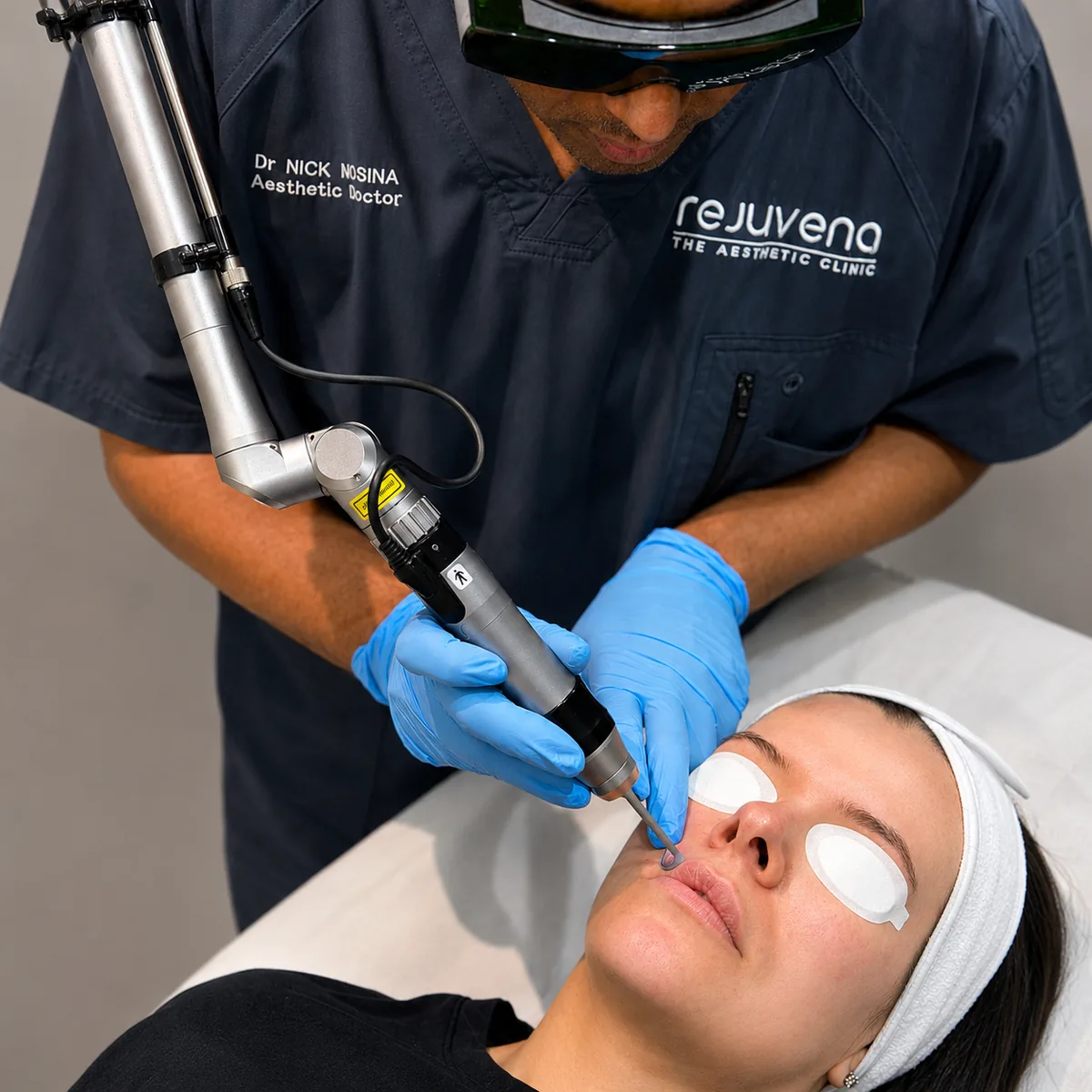
Doctor-led Picolaser skin treatment in Bedford
At Rejuvena, we use the Picofy picosecond Nd:YAG laser for selected pigmentation concerns, skin rejuvenation and mild acne scarring. Treatment is planned around the type of concern, your skin and the area being treated. A consultation comes first: laser is not suitable for every pigmentation or every skin concern.
- Picofy by InMode
- 1064 nm and 532 nm wavelengths
- Skin assessment before treatment
- Bedford clinic

- Treatment
- Picofy picosecond laser, using direct or fractional handpieces depending on the concern.
- Best for
- Selected benign pigmentation, uneven tone, mild textural acne scarring, enlarged pores and skin revitalisation.
- How it works
- Very short pulses deliver energy to pigment or, with a fractional handpiece, create tiny treatment zones that stimulate the skin’s repair response.
- Results
- Depend on the diagnosis, skin type, concern and settings. A course may be recommended; improvement is not guaranteed and pigment can recur.
- Downtime
- Varies by handpiece and settings. Temporary redness, warmth, swelling, pinpoint crusting or darkening can occur.
- Price
- From £250 per session (single pigment spot) · full face £500. We explain the expected number of sessions and total plan before treatment.
- Where
- Rejuvena Laser & Aesthetic Clinic, Bedford MK41 0WP.
- Suitability
- Determined at consultation. We do not laser suspicious, changing or undiagnosed pigmented lesions.
Pico laser before and after at Rejuvena
Unretouched photographs of Rejuvena patients, shared with consent. Drag each slider to compare. Results depend on the diagnosis, skin type, area and settings; improvement is not guaranteed and pigment can recur.
Facial pigmentation, first side
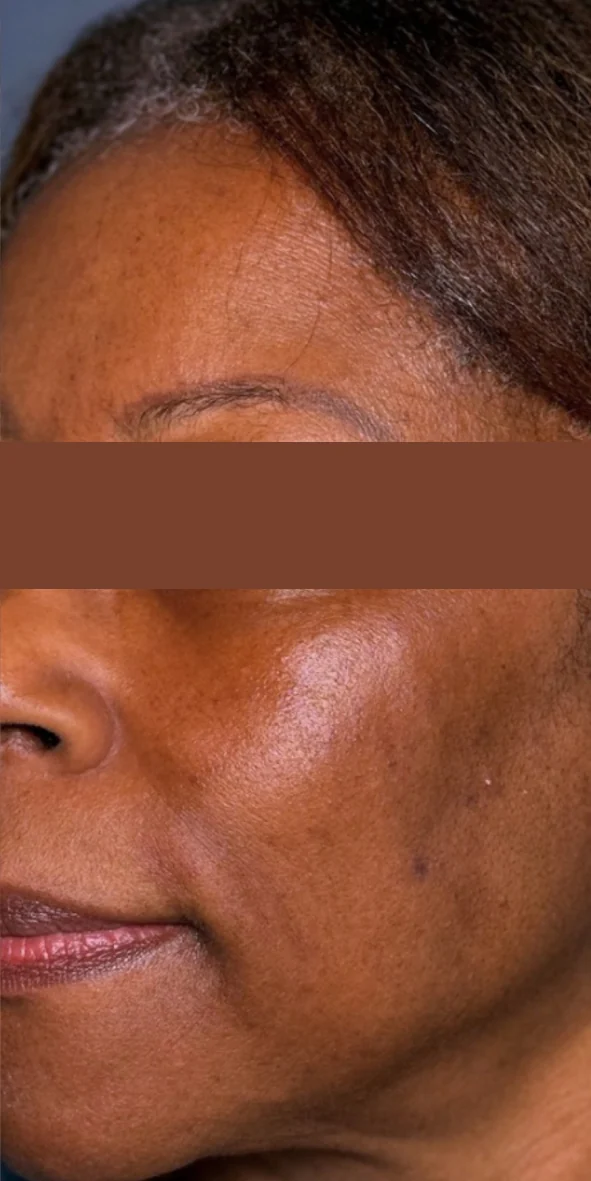
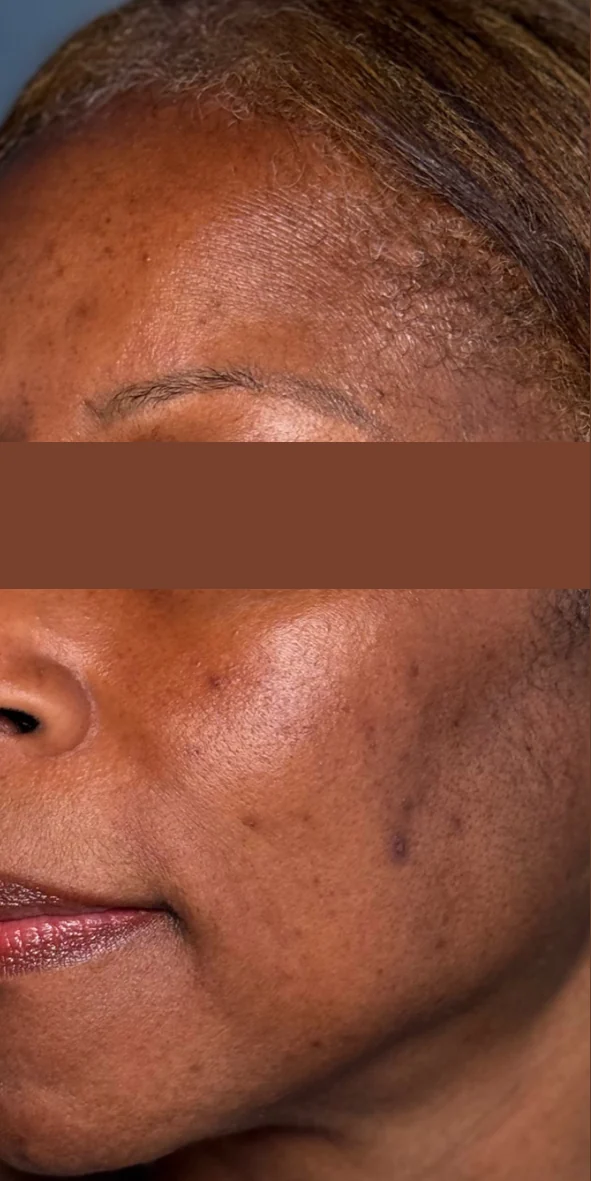 AfterBefore
Facial pigmentation, second side
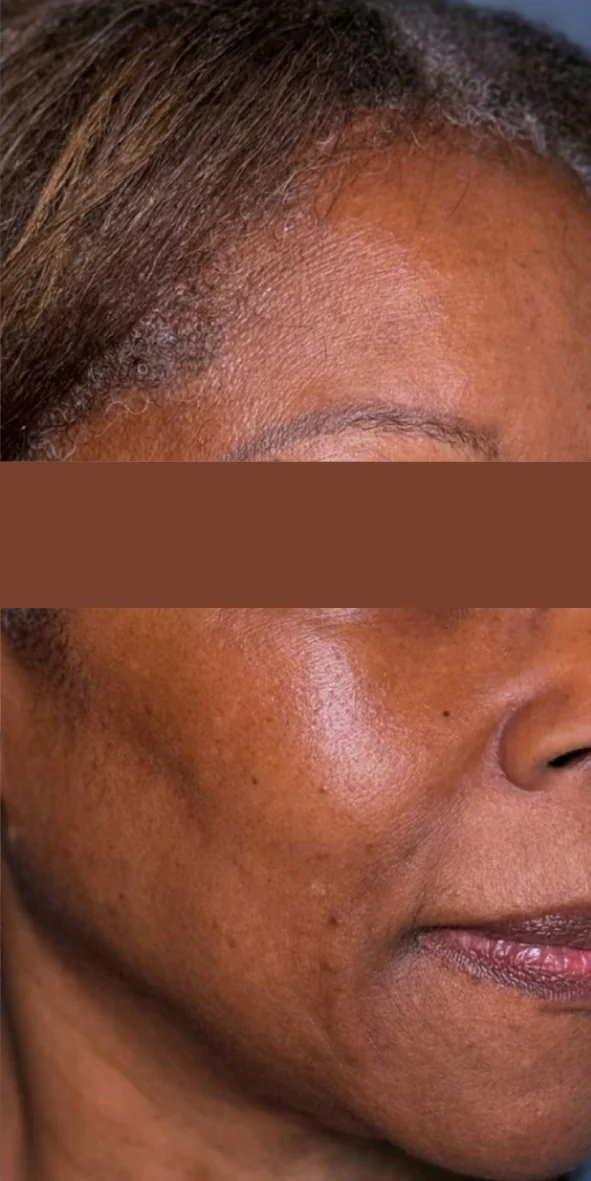
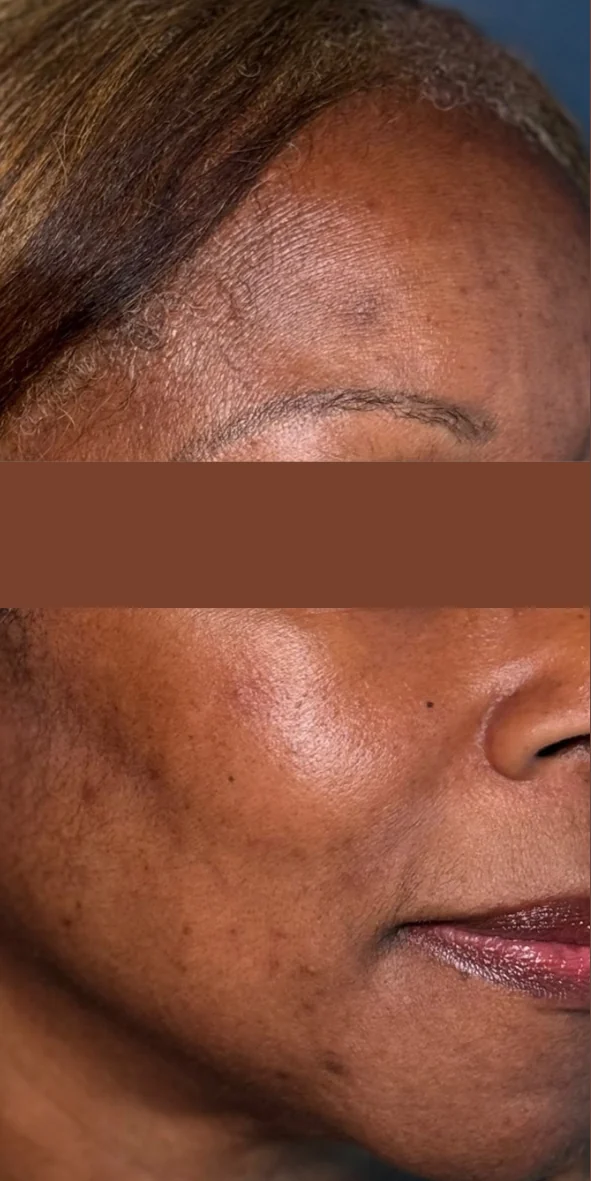 AfterBefore
Pigmented marks on the hand
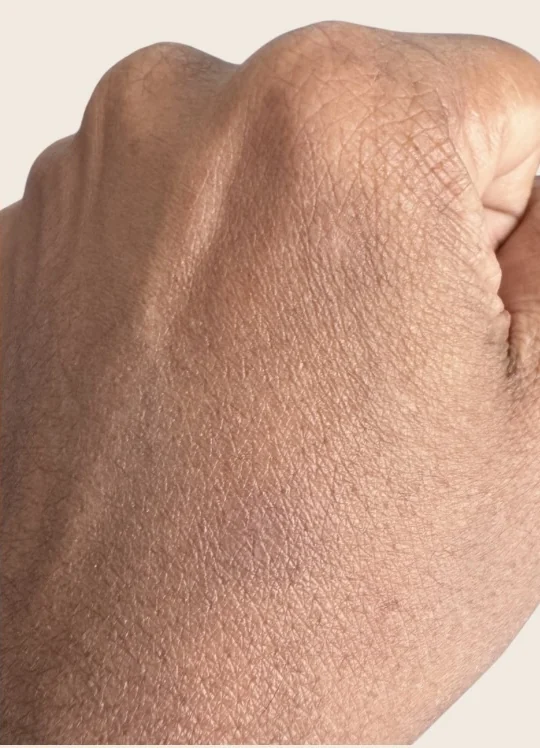
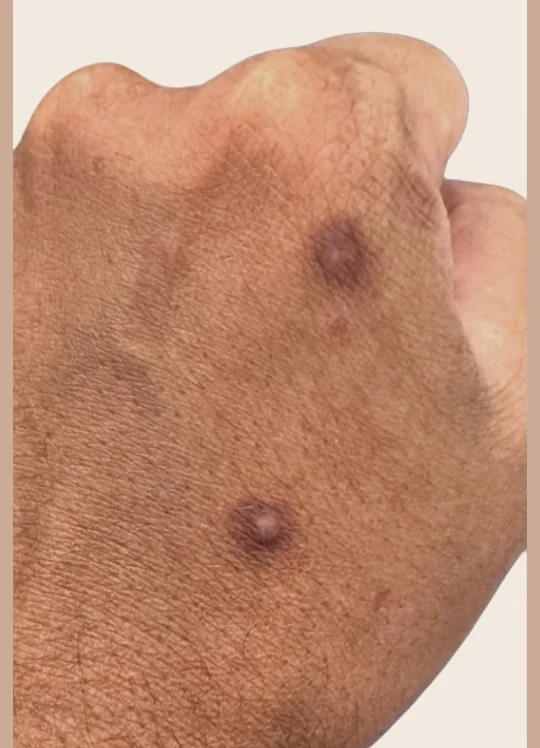 AfterBefore
Darkening of the intimate area
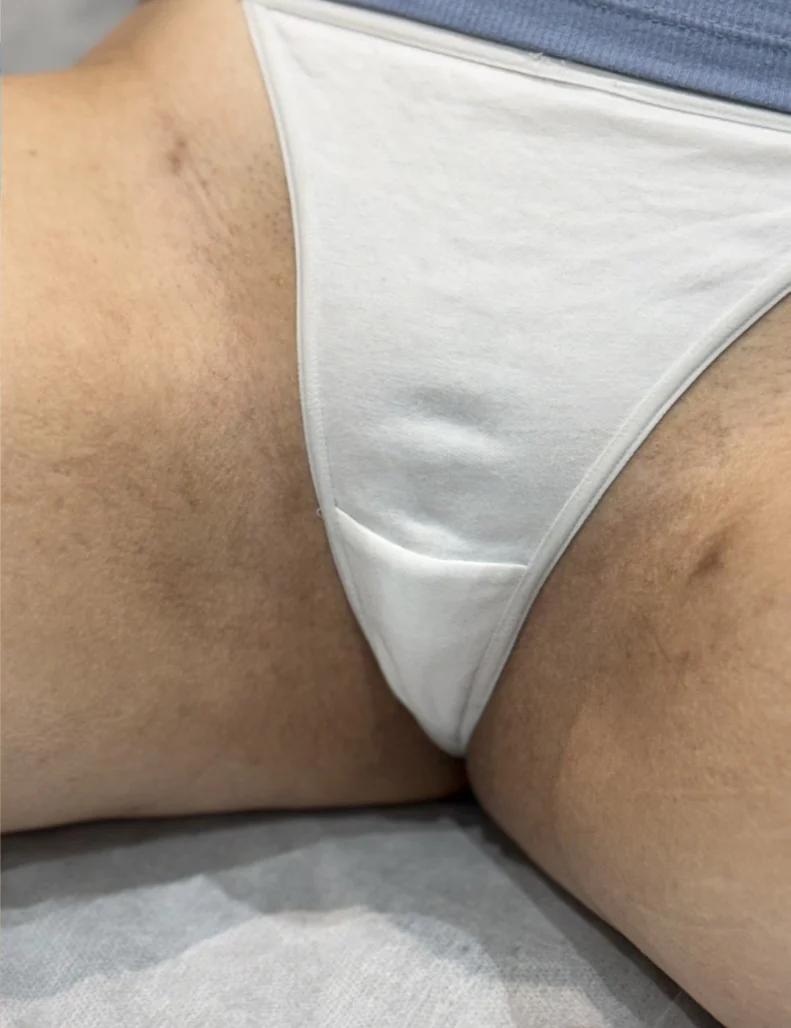
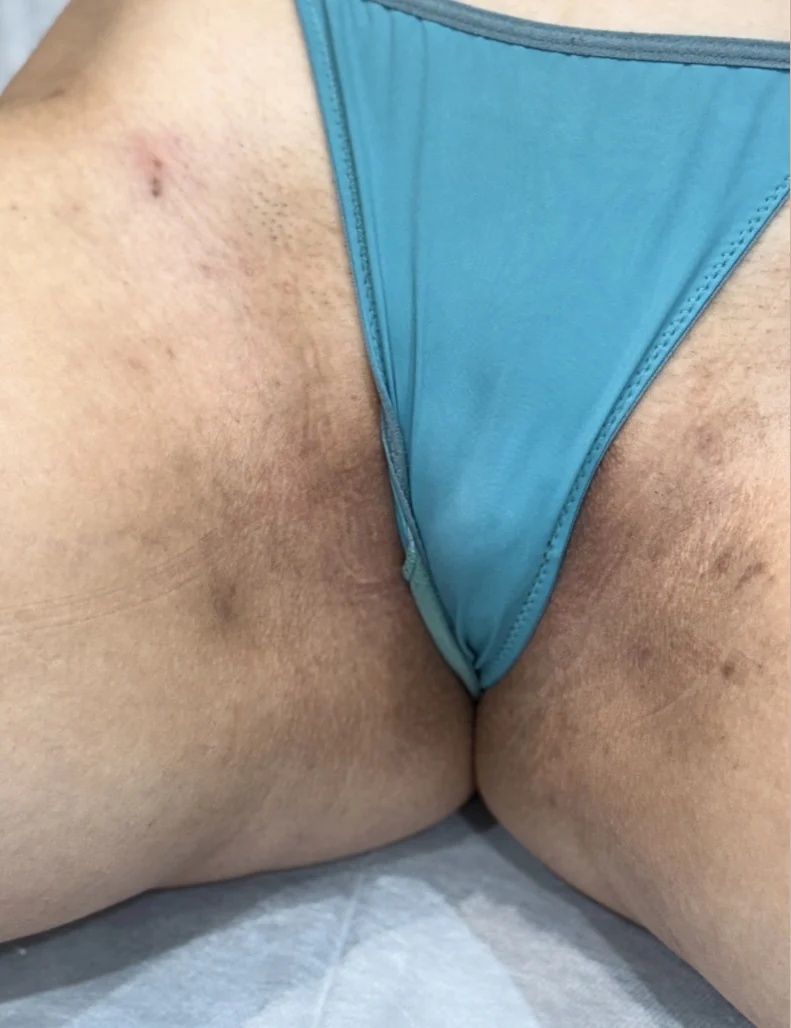 AfterBefore
Intimate area, closer view
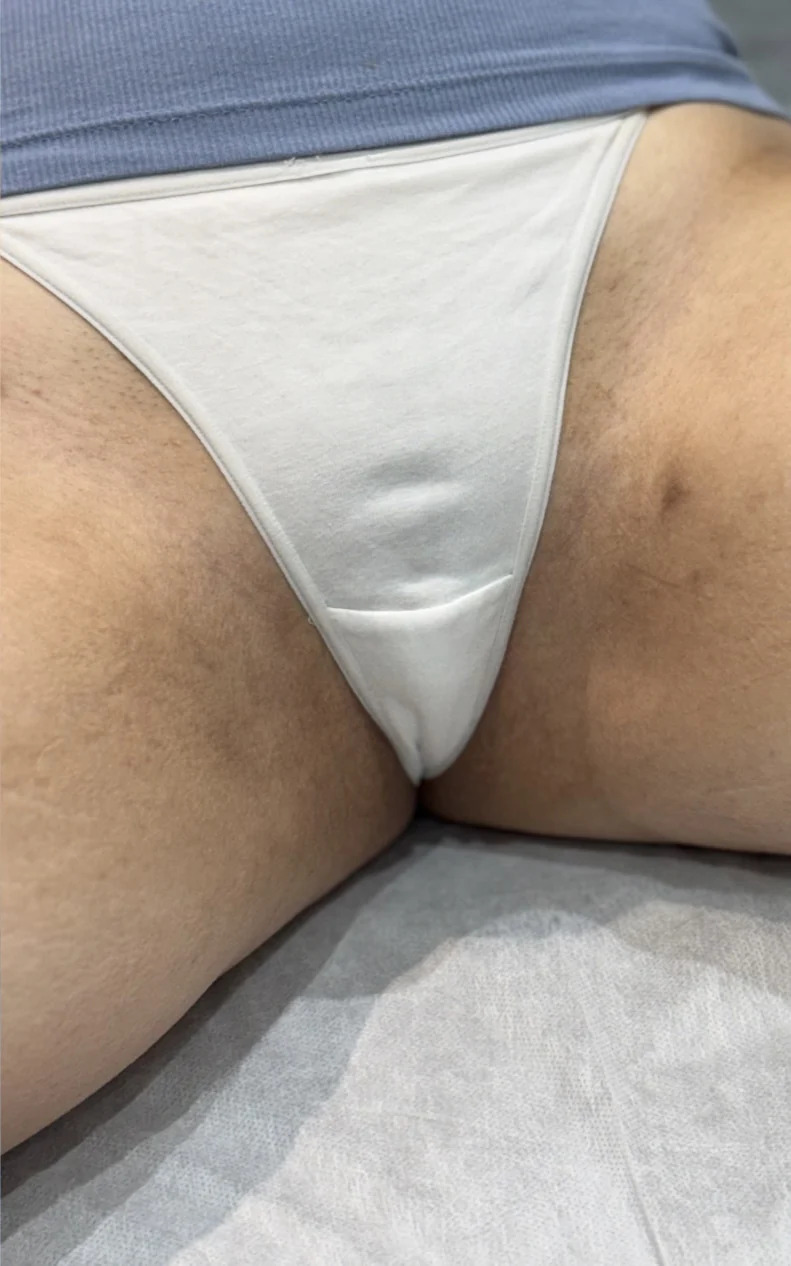
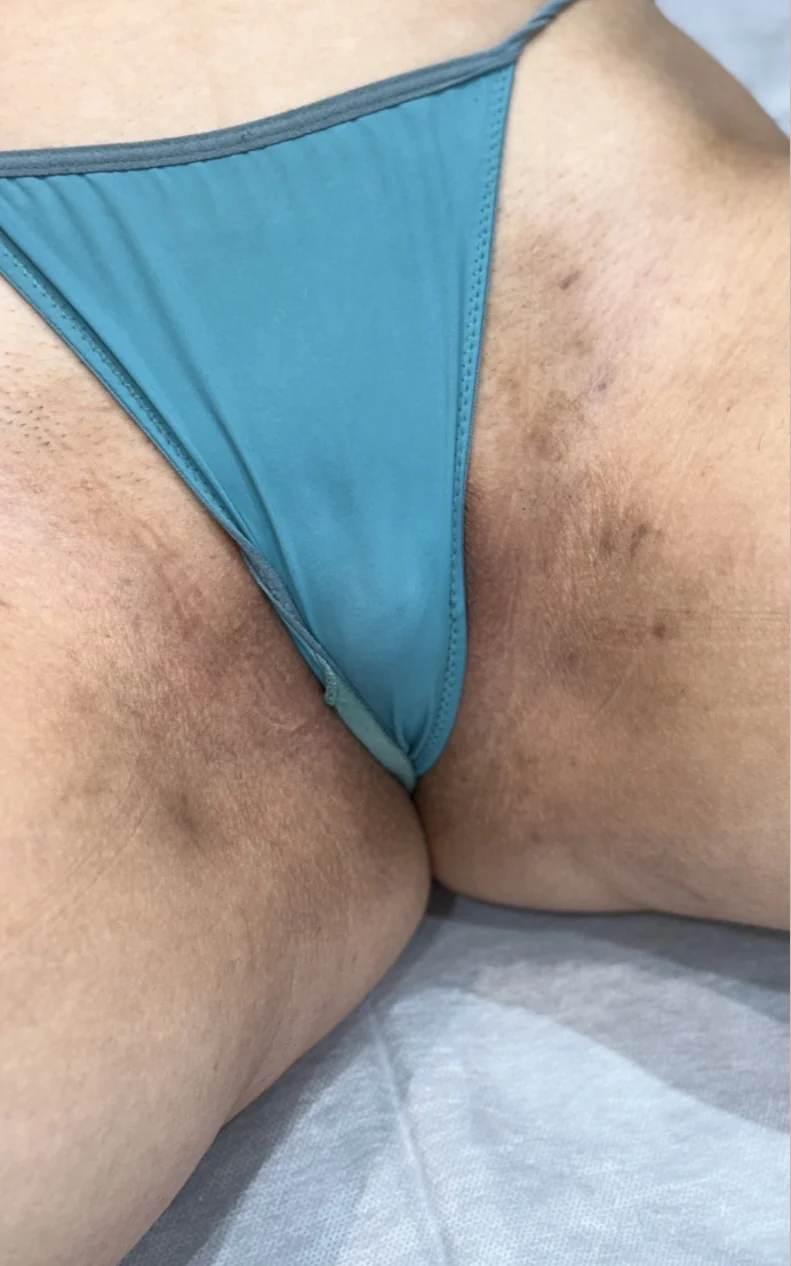 AfterBefore
Picolaser treatment can help improve the appearance of uneven skin tone, dark marks, sun spots, mild acne scarring and enlarged pores. At Rejuvena, we use Picofy and tailor treatment to your skin and the concern you’d like help with. We’ll first check whether the area is suitable for laser and explain what results you can realistically expect.
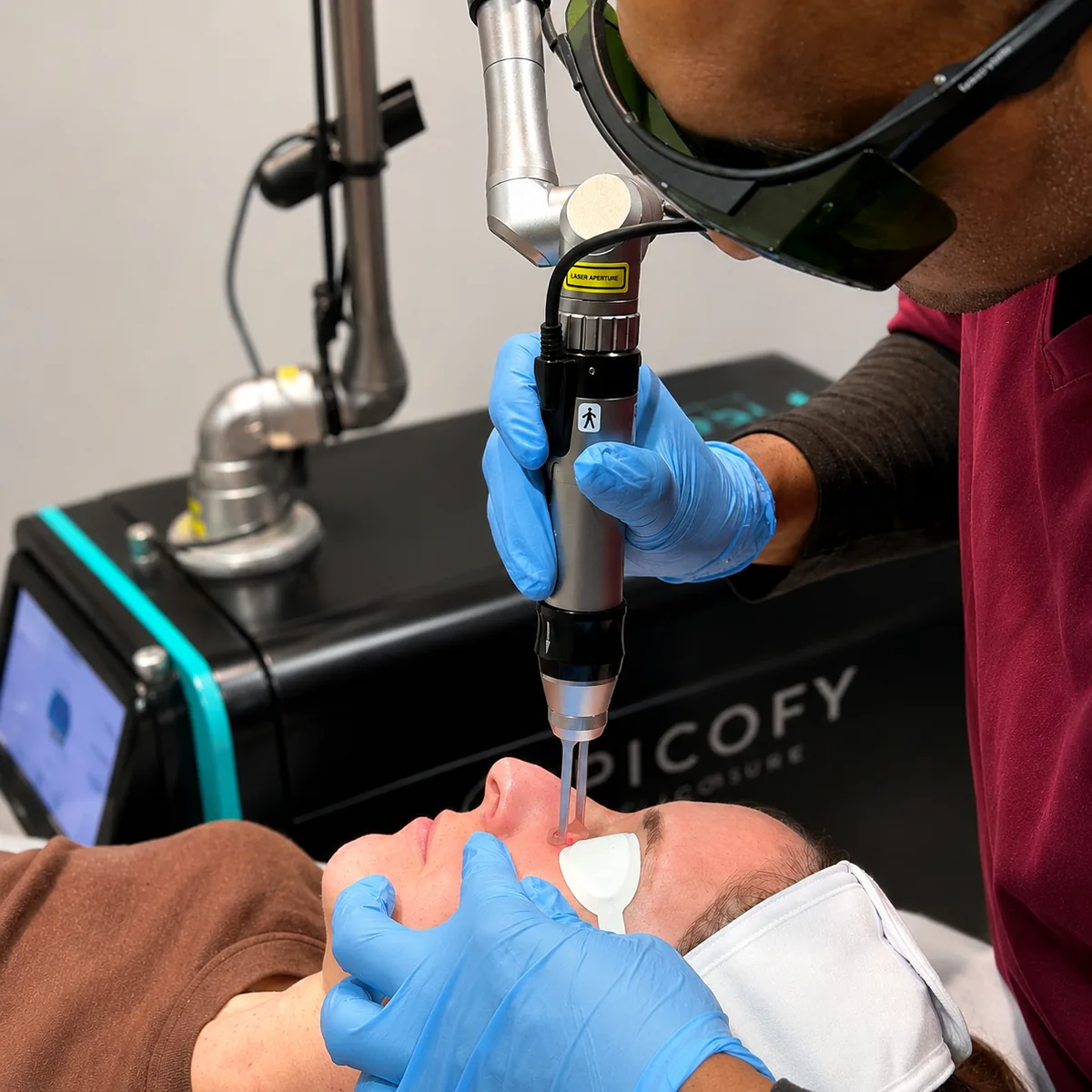
What is a picolaser?
A picolaser delivers laser energy in pulses measured in picoseconds — trillionths of a second. The short pulses can fragment selected pigment particles through a photoacoustic effect. The body then gradually clears the fragments. The laser can also be used with a fractional handpiece to create controlled micro-treatment zones in the skin and stimulate a repair response.
“Picolaser” describes a type of laser technology, not one single treatment. The wavelength, handpiece, energy and treatment pattern are chosen for the concern and the person. Picolaser may be used for selected benign pigmentation, tattoo ink, skin texture and rejuvenation. It cannot diagnose a mark, and not every brown or grey patch is suitable for laser treatment.
What can Picofy picolaser treatment help with?
Picofy may be suitable for selected pigmentation concerns, mild acne scarring and skin rejuvenation. We assess the area first, as not every mark or skin concern is appropriate for laser treatment.
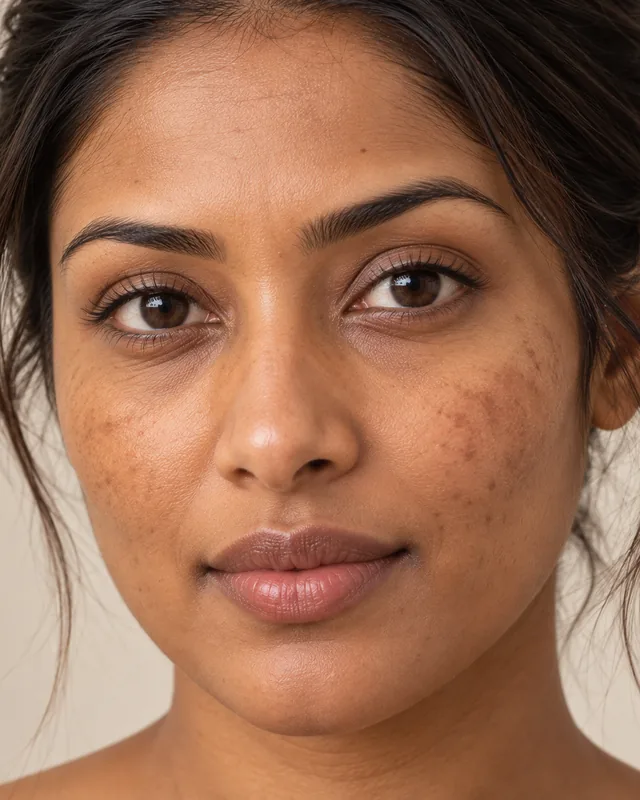
Hyperpigmentation
Treatment may help fade selected dark marks and uneven patches. We first check what is causing the pigmentation and whether laser is suitable.

Mild acne scarring
Picolaser may soften the appearance of some shallow acne scars and uneven skin texture. Deeper scars may need a different approach.

Skin rejuvenation
Treatment may help improve uneven tone, dullness and the appearance of enlarged pores. Results develop gradually and vary.
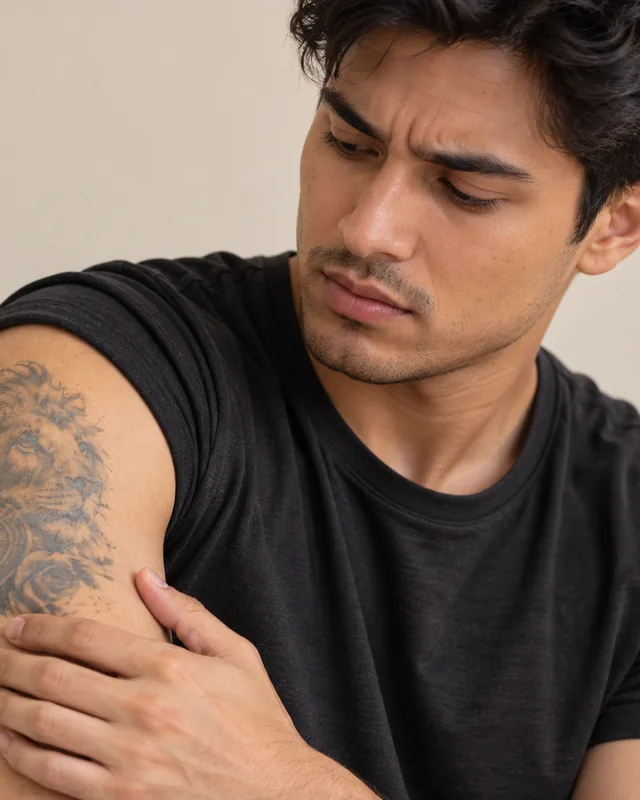
Tattoo removal
Picofy can target selected tattoo ink. A course of treatments is usually needed. See our separate Picolaser Tattoo Removal page for details.
More about the concerns we treat
Hyperpigmentation and dark marks
After assessment, Picofy may be considered for some types of pigmentation, including:
- Dark marks after inflammation or injury: Post-inflammatory hyperpigmentation can follow acne, eczema, insect bites or irritation. The cause should be addressed as well as the mark; fading can take time, and pigmentation may return.
- Flat sun and age spots: Some flat, benign sun spots may respond to laser. New, changing, irregular or uncertain marks need medical assessment before any cosmetic treatment.
- Freckles: Selected freckles may lighten, although sun exposure can cause them to return.
- Naevus of Ota, Ito or Hori: These deeper pigment conditions need careful diagnosis and individual treatment planning. Several sessions may be needed, and results and risks vary.
- Dark marks on healed scars: Laser may be considered for flat brown pigmentation after an injury or surgery has fully healed. It treats colour, not raised or indented scar texture.
- Dark knees and elbows: Treatment may be considered when excess pigment is the main concern. Dryness, friction or thickened skin may also contribute and may need a different approach.
- Dark underarms: Irritation, shaving, friction and other causes may contribute. We assess the reason for the darkening before considering treatment, especially if it is new or unexplained.
- Melasma: Laser is considered cautiously because melasma can worsen or return. Skincare, sun protection or another treatment may be more suitable; picolaser is not a cure.
Picolaser can sometimes cause darker or lighter patches, and some pigmentation conditions respond unpredictably. We’ll discuss the likely benefits, risks and alternatives before recommending a plan.
Mild acne scarring
Picolaser may improve the appearance of some shallow acne scars and uneven texture over a course of treatment. It is less likely to help deeper or tethered scars on its own. If acne is still active, we’ll discuss managing that too and whether another treatment or combination would be more appropriate.
Skin rejuvenation, uneven tone and enlarged pores
Picolaser treatment may help brighten uneven-looking skin and soften the appearance of mild textural irregularities. It may also make enlarged pores less noticeable for some people, but pores cannot be permanently closed or removed. Improvement is gradual, results vary, and a course may be recommended.
Tattoo removal
Picofy can be used to target selected tattoo inks. Tattoo removal usually requires several sessions, and complete clearance cannot be guaranteed. Ink colour, depth, age, location and previous treatment can all affect the plan. See our separate Picolaser Tattoo Removal page for detailed information, risks, aftercare and pricing.
How Picofy picolaser works
Picofy delivers very short laser pulses at two wavelengths: 1064 nm and 532 nm. These wavelengths interact differently with pigment, so the clinician selects the appropriate wavelength and settings for the target and the person’s skin. A picosecond pulse can fragment selected pigment through a photoacoustic effect with minimal photothermal effect; which means less heat to the surrounding skin, making it a safer option to treat pigmentation concerns and patients with darker skin types.
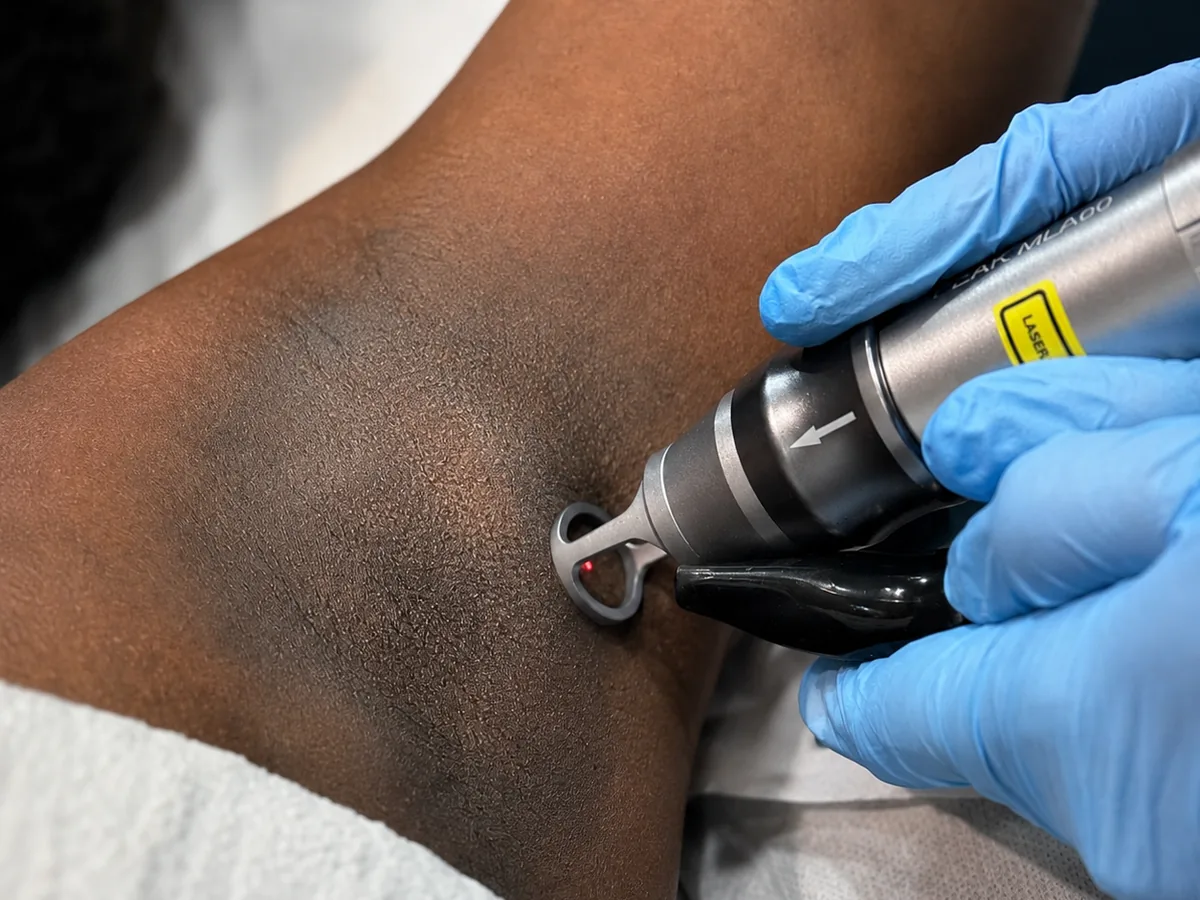
Matching the handpiece to the concern
For skin texture and mild acne scarring, Picofy’s fractional array handpieces divide the beam into a pattern of microbeams. This creates controlled treatment points while leaving surrounding skin between them. The skin’s repair response may improve texture over time. The direct Zoom handpiece is used for selected discrete pigment and tattoo targets.
The aim is to select a treatment that matches the diagnosis and skin safely.
- Fractional Texture, mild acne scarring, skin revitalisation
- Zoom (direct) Selected discrete pigment and tattoo targets
- Wavelengths 1064 nm and 532 nm
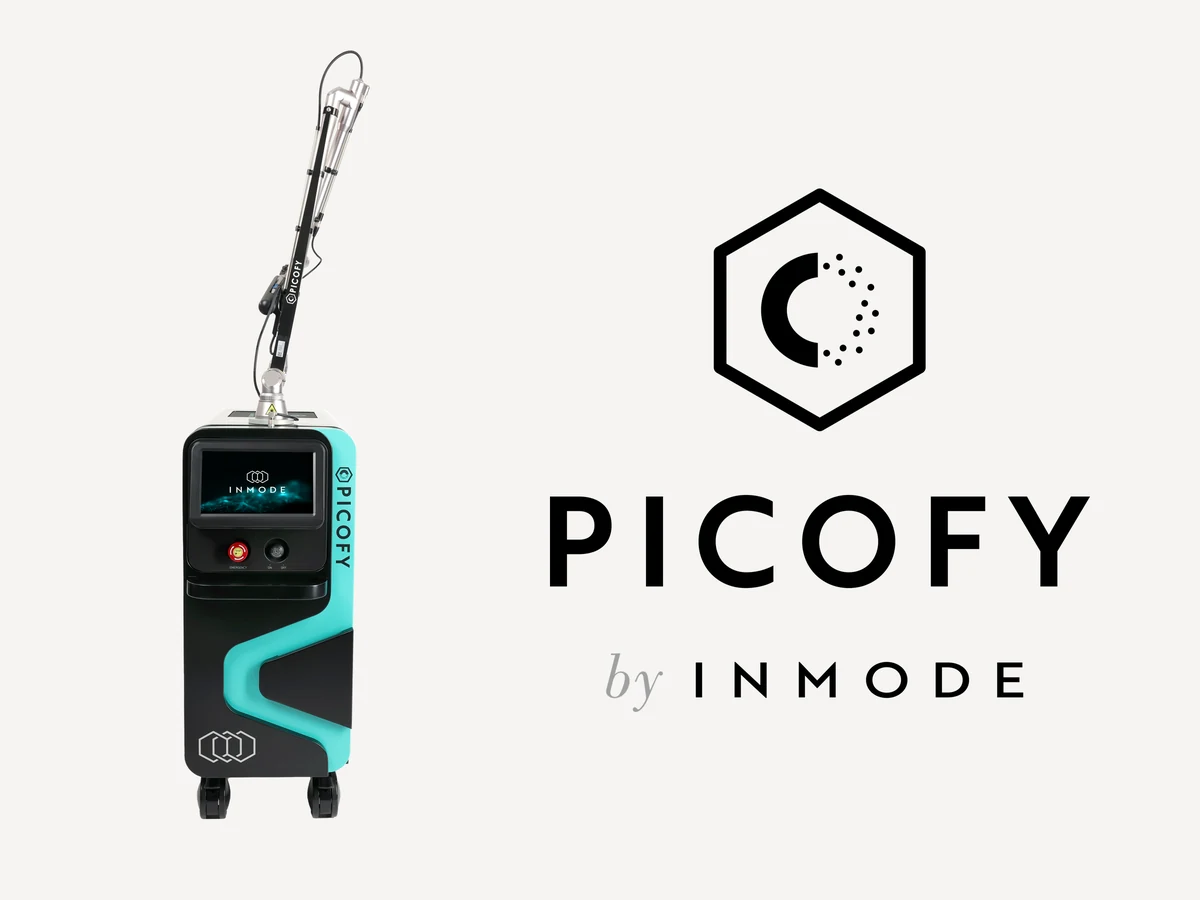
Why we use Picofy at Rejuvena
- Two wavelengths 1064 nm and 532 nm, selected according to the target and patient assessment.
- Pulse duration 300 picosecond pulse duration
- Zoom and Fractional handpieces Zoom for selected discrete targets; Fractional Array MLA 110 and Peak MLA 60 for fractional applications
- Uniform top-hat beam profile Designed to distribute energy more evenly across the spot, therefore minimising thermal burns
These are design features, not a guarantee of a particular result. Results still depend on diagnosis, operator skill, device settings, skin response and aftercare.
Picofy gives our clinic one platform with direct pigment-targeting and fractional treatment options. Its two wavelengths and different handpieces allow us to plan for more than one type of concern, including selected pigment, tattoo ink and skin texture. We chose it because these functions fit the treatments we offer and can be incorporated into an individually assessed plan.
There is no single “best” picolaser for everyone. Other systems differ in wavelengths, pulse characteristics, beam delivery, handpieces and approved indications. We focus on using the available technology appropriately, after diagnosis and assessment.
Your picolaser appointment — step by step
Consultation and diagnosis
We discuss your concern, medical history, skin type, previous treatments and expectations. Dr Nick examines the area and decides whether it is suitable for laser. A suspicious, changing or uncertain pigmented lesion is not treated cosmetically; it is assessed and referred appropriately.
Treatment plan and preparation
We explain the proposed treatment, likely number and spacing of sessions, expected downtime, risks, alternatives and cost. Depending on the concern and skin type, we may recommend a test spot or skincare preparation. Treatment is postponed if the skin is recently tanned, irritated or otherwise unsuitable.
Before treatment
The treatment area is cleaned and protective eyewear is provided. Photographs are taken with your consent to document progress. The treatment plan and consent are confirmed before the laser is used.
Laser treatment
The sensation varies by area and settings and may feel like warmth, tingling or small snaps. The appointment length depends on the size of the area and the handpiece used. Treatment is adjusted to the concern and your response; higher energy is not automatically better.
Aftercare
Temporary redness, warmth, swelling, pinpoint bruising or darkening can occur. We give you written aftercare tailored to the treatment. This may include keeping the area clean, avoiding picking, avoiding excess heat and sun, and using appropriate broad-spectrum sun protection. Follow the specific advice given at your appointment.
Review and further sessions
Pigment and texture changes improve gradually. We review your response before recommending another session. The number and spacing of treatments vary by concern, skin response and the selected settings.
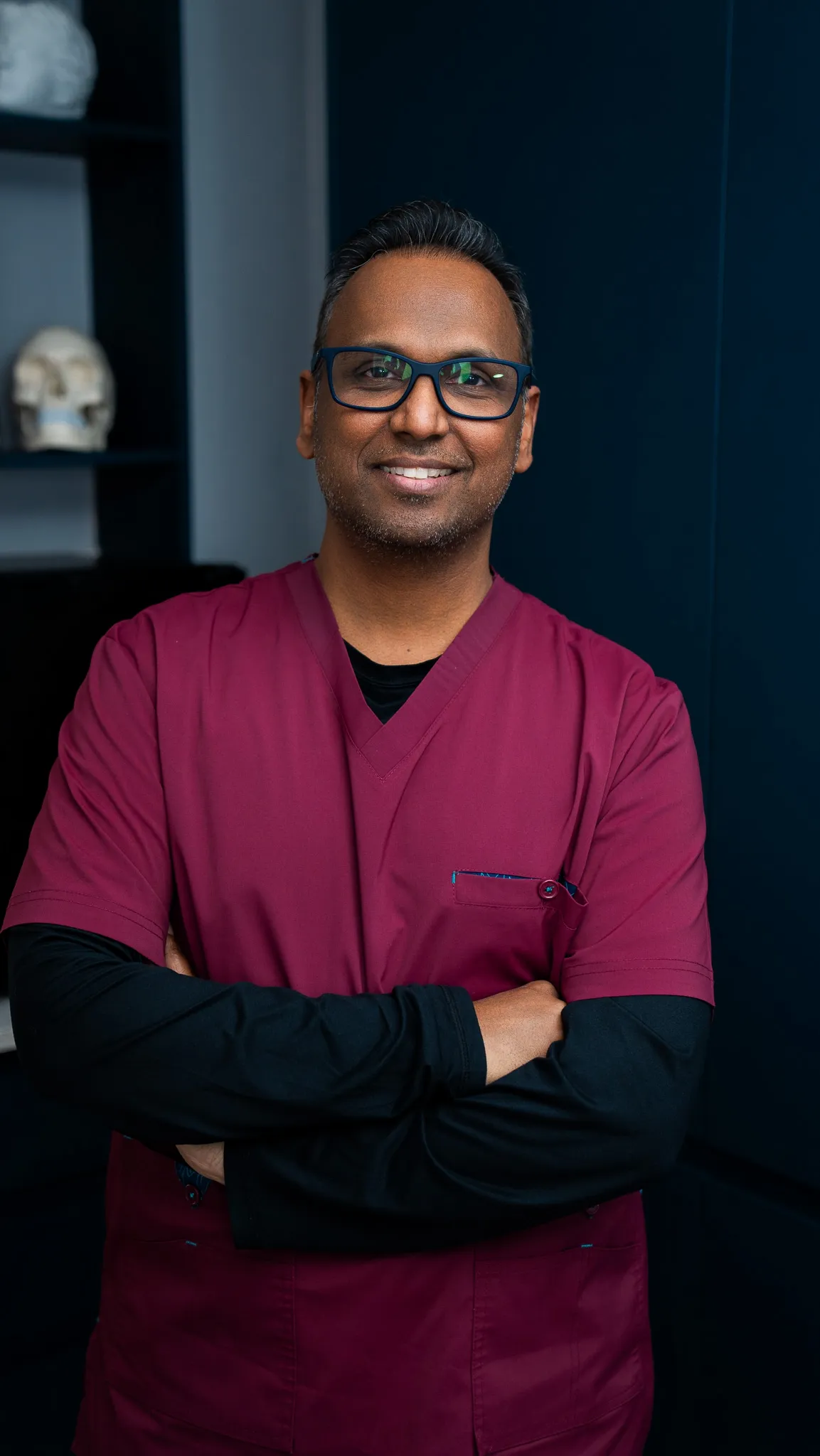
The diagnosis and settings matter as much as the device. We assess the concern first, explain what laser may and may not achieve, and agree a treatment plan that takes your skin and safety into account.
Why choose Rejuvena for picolaser treatment in Bedford?
Assessment before treatment
Dr Nick assesses the concern before laser is considered. Skin lesions that are suspicious, changing or not clearly benign are not treated as cosmetic pigmentation.
Treatment matched to the concern
Not all skin concerns are treated with Picolaser. We select the approach according to the diagnosis, skin type, area and treatment goal.
Clear expectations
We explain that improvement varies, more than one session may be needed, and some conditions can recur or worsen. We also discuss alternatives when laser is not the right choice.
Local care in Bedford
Rejuvena Laser & Aesthetic Clinic is at 52 Thor Drive, Bedford MK41 0WP, serving Bedford and surrounding areas.
Candidacy, safety and who is not suitable
Who may be suitable
Adults with a diagnosed, suitable concern — such as selected benign pigmentation, mild textural acne scarring or uneven tone — may be considered. Suitability depends on the diagnosis, skin tone, treatment area, medical history and willingness to follow aftercare.
When treatment may be postponed or unsuitable
We may defer or decline treatment if the area is recently tanned, inflamed, infected, broken or not fully healed; if the diagnosis is uncertain; or if your health, medication or skin history makes treatment inappropriate. Pregnancy, breastfeeding, photosensitising medicines, a history of abnormal scarring and other relevant factors will be discussed during the consultation. These factors are assessed against the device instructions and the planned treatment rather than treated as a one-size-fits-all checklist.
We do not laser suspicious or changing lesions. These need appropriate medical assessment first.
Possible side effects and risks
Temporary redness, warmth, swelling, tenderness, pinpoint bleeding / bruising or crusting, and temporary darkening of pigment can occur. Other rare risks include burns, blistering, infection, scarring, prolonged redness, post-inflammatory hyperpigmentation, lighter patches or an uneven colour change. Pigment disorders such as melasma can worsen or recur. Risk varies with the condition, skin type, wavelength, settings and aftercare; darker skin tones need particular care and a conservative, individual assessment.
We discuss material risks and alternatives before you decide. Results vary and cannot be guaranteed. Treatment is provided only after consultation and assessment. This page is general information and is not a substitute for individual medical advice.
Picolaser treatment prices in Bedford
| Treatment area | 1 session | Course of 3 |
|---|---|---|
| Targeted pigment spotOne spot, up to 2 × 2 cm | £250 | £675 |
| Lips | £300 | £795 |
| Hands | £350 | £975 |
| Underarms / intimate area | £350 | £975 |
| Full face | £500 | £1,350 |
| Arms | £500 | £1,450 |
| Face & neck | £650 | £1,800 |
Your plan may involve more than one session, depending on the concern and response. At consultation, we will explain the proposed treatment, expected course and total cost before you decide whether to proceed.
Consultation with Dr Nick £50 · pico laser patch test £20 where recommended.
Related treatments at Rejuvena Bedford
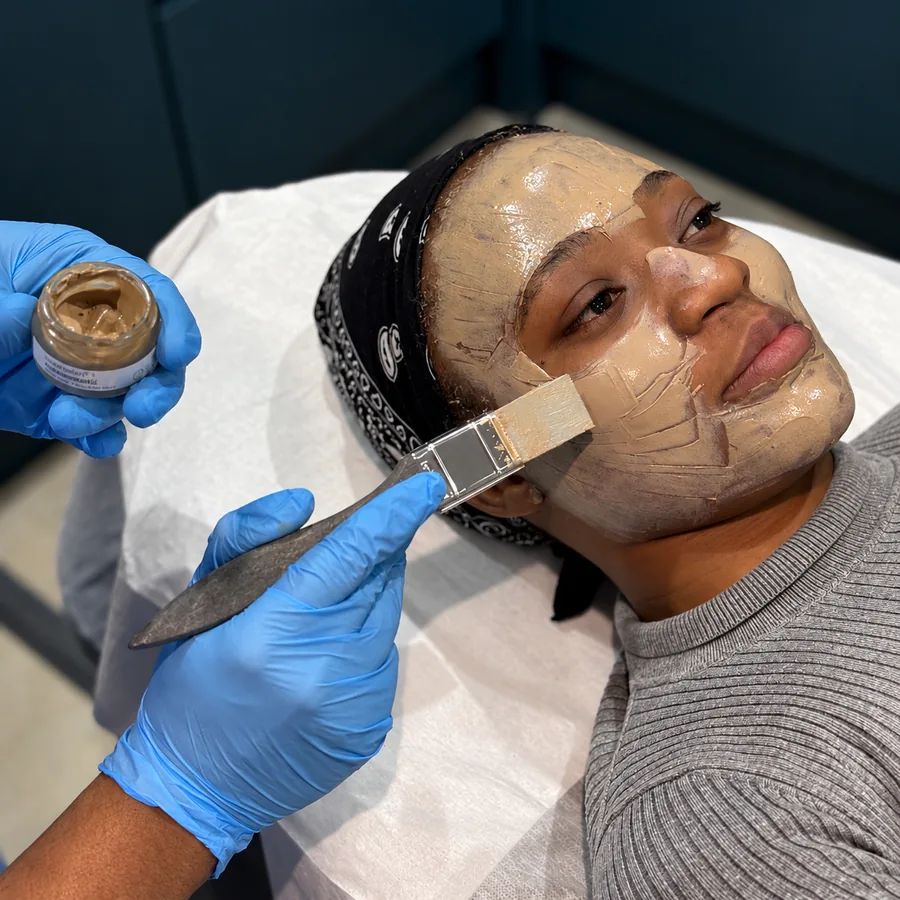
Cosmelan Depigmentation Peel
A topical, cream-based depigmentation peel often used for melasma — an alternative or complement to laser for selected pigmentation.
Learn more →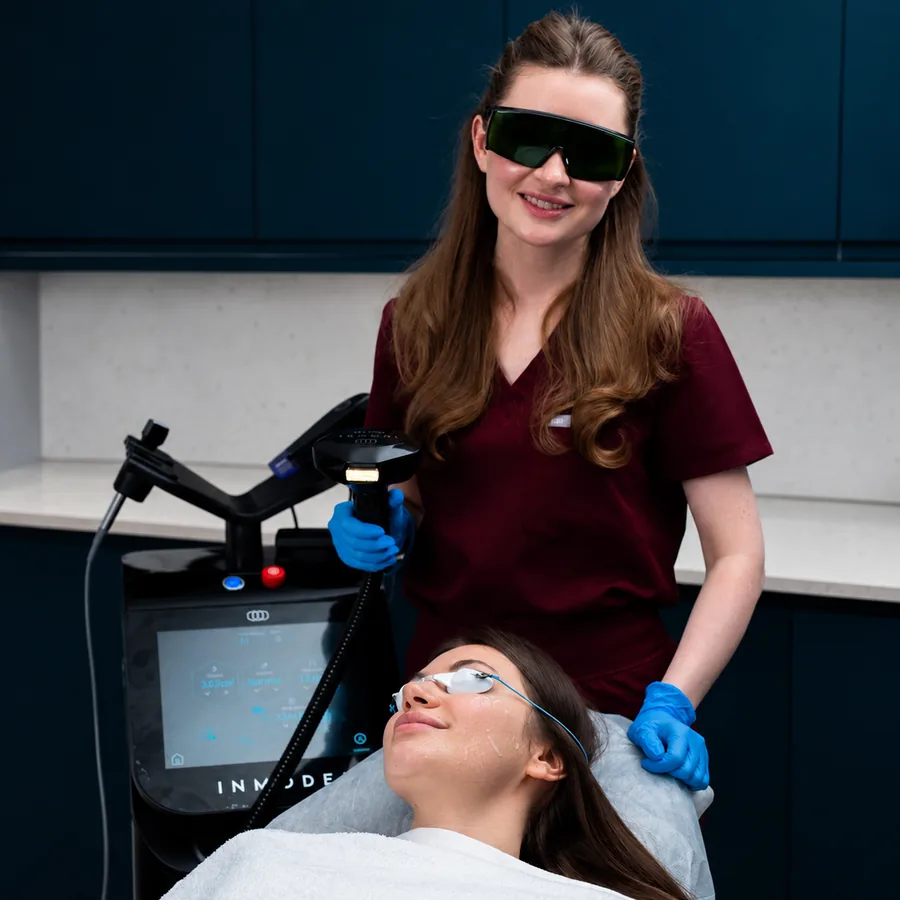
Lumecca™ IPL
Broadband intense pulsed light for selected sun spots, freckles and redness in suitable skin types.
Learn more →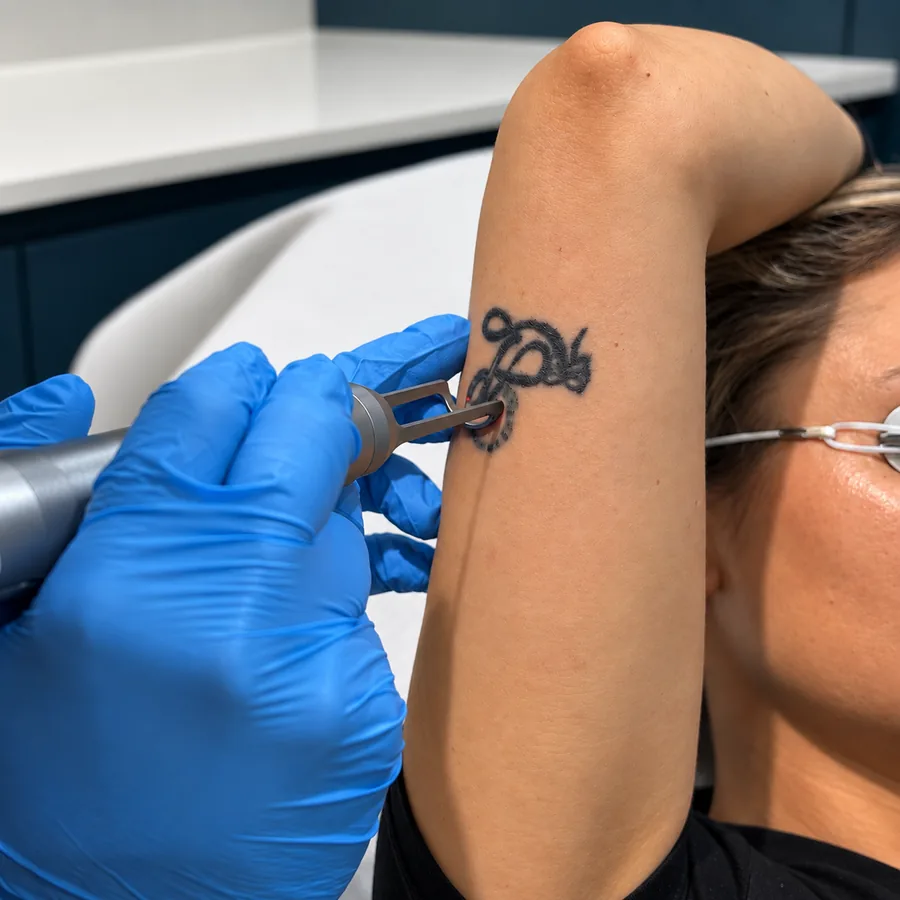
Picolaser Tattoo Removal
Picofy can target selected tattoo inks. A course of treatments is usually needed and complete clearance cannot be guaranteed.
Learn more →Verified Google reviews
What our patients say
5.0from 161 Google reviews
I have been receiving treatment for Malasma and Hyperpigmentation at the Rejuvena Clinic. I felt in safe hands from my first consultation. Dr. Nick was very understanding of my concerns and very knowledgable about the treatments that would be suitable for me. He also offered advice outside of the treatments available at the clinic, advising on lifestyle and medication changes I could implement to complement my treatment. I liked the holistic approach. My appointments never feel rushed. Dr. Nick and Lana take the time to listen and I feel comfortable enough to ask multiple questions. They are also very responsive to messages and emails, even outside of office hours. Rejuvena Clinic will be my go-to for any treatments in the future.
Rejuvena repliedThank you very much for your kind words Nadia. We are glad to have helped you and that you liked our services. It really means the world to us ☺️🙏
Read this review on Google (opens in a new tab)I’m five sessions into my Lumecca treatment and the results have been incredible — it’s genuinely transformed my skin. Dr Nick and Lana are exceptional at what they do. Their skill, knowledge, and understanding of the latest technology instantly put you at ease and fill you with confidence throughout the process.
Rejuvena repliedThank you very much for your kind words Jake 😊🙏
Read this review on Google (opens in a new tab)I’ve had both laser hair removal and Lumecca treatments with Lana, and she has been amazing. She’s very professional, incredibly attentive, and genuinely such a kind person. Her focus on the little details and the care she puts into her work make a big difference. I truly recommend Rejuvena Clinic.
Rejuvena repliedthank you very much for your kind review ))
Read this review on Google (opens in a new tab)I had Lumecca treatment at this clinic and had a great experience. The consultation with Dr Nick was very informative and put me at ease. Lana, who carried out the treatments, was an absolute pleasure to deal with—even though the treatment itself isn’t the most pleasant, she managed to make it as relaxing and comfortable as possible. Highly recommend this clinic for their professionalism and care.
Rejuvena repliedThank you for taking the time to share your kind feedback. We truly appreciate your thoughtful review and are delighted to hear that you had a great experience with our team. Thank
Read this review on Google (opens in a new tab)Throughout my Lumecca experience Nick & Lana have been nothing but exceptional. Their knowledge and experience mixed with personal customer service can’t be matched. They put your mind and rest and explain everything from the start. The results speak for themselves! For years I have managed Rosecea, Pigmentation and Thread Veins. After just one treatment I could see clearer, dewy skin. Thanks to Nick and Lana my confidence has grown to be able to go out with minimal make up on. A Randall
Rejuvena repliedHi Aisling, thank you for your kind review. We are so happy that we managed to help you feel confident in your skin again. It means a lot to us, so thank you once again. ☺️🙏
Read this review on Google (opens in a new tab)I recently had a lesion removed from my cheek. The pigmented lesion had bothered me for years. I’m glad I finally decided to do something about it. I was quite nervous on the day, but Dr. Nick and Lana were so careful and reassuring — they really put me at ease. The procedure was quick and comfortable, and I feel so much better for having it done. I did a lot of research before I chose this clinic for my treatment. The clinic’s medical dermatology focus made me feel confident I would be in the right hands. I’m really grateful for the care I received and I would definitely recommend this clinic.
Rejuvena repliedThank you so much for your skin review Dupinder 🙏
Read this review on Google (opens in a new tab)Every review above is published on Google. Tap any card to read it there.
Picolaser skin treatment FAQs
What is the difference between a picolaser and pico toning?
What is Picofy?
Can picolaser improve skin texture, pores or mild acne scars?
What pigmentation concerns can picolaser treat?
Is picolaser safe for darker skin?
How many sessions will I need?
Is there downtime?
Can picolaser treat melasma?
Does Picofy remove tattoos?
How much does picolaser skin treatment cost?
Pico toning vs Cosmelan vs IPL — which is right for my pigmentation?
Book a consultation for picolaser skin treatment in Bedford
Speak with Dr Nick’s team at Rejuvena, 52 Thor Drive, Bedford. We’ll assess your concern, explain what laser may and may not achieve and agree a doctor-led plan — book online or call us.