Honest keloid treatment in Bedford
Keloids cannot be reliably erased. Dr Nick first confirms the diagnosis and discusses recurrence, standard specialist options and Rejuvena's limits; selected scars may suit conservative scar refinement, while others are referred for steroid, surgical or specialist combination care.
- Diagnosis before treatment
- Recurrence discussed
- Referral when appropriate
- Bedford clinic

- Treatment
- Doctor-led assessment and referral first; selected scar refinement where appropriate
- Honest headline
- Flattens, softens & eases symptoms — not a guaranteed cure
- Recurrence
- Varies by scar and treatment; no option guarantees permanent removal
- Best for
- Confirmed keloid & hypertrophic scars after full assessment
- Sometimes referred
- Suspected DFSP, NHS-eligible functional cases, unsuitable scars
- Downtime
- A few days of redness/peeling as skin renews
- Price
- From £150/session · £50 consultation · plan confirmed at consultation
- Where
- Rejuvena, Bedford (MK41 0WP) · GMC-registered
“Keloid removal” is the phrase people search for, but permanent removal cannot be promised. A keloid grows beyond the original wound and can recur after treatment. Our role is to confirm what the scar is, explain realistic goals and direct you to the most appropriate pathway — including referral when a standard option we do not provide would serve you better.
What does “keloid removal” actually mean at Rejuvena?
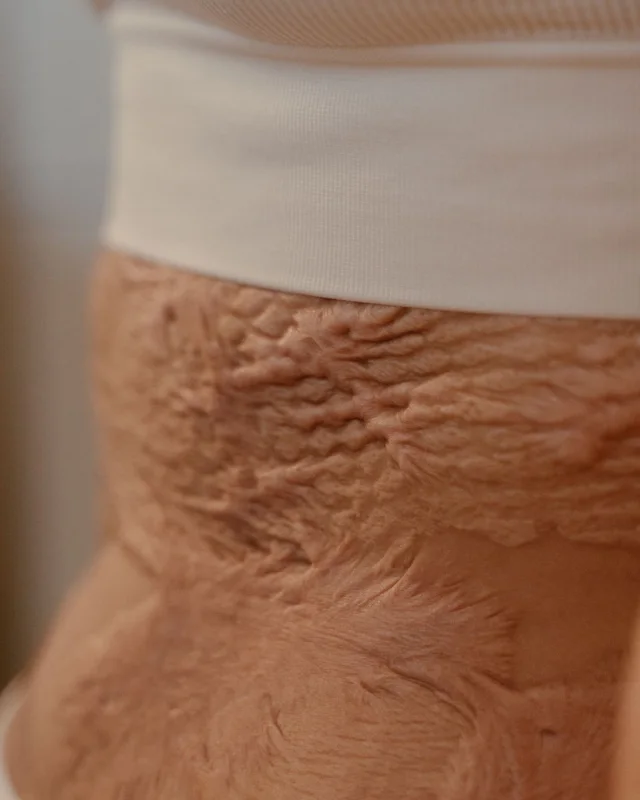
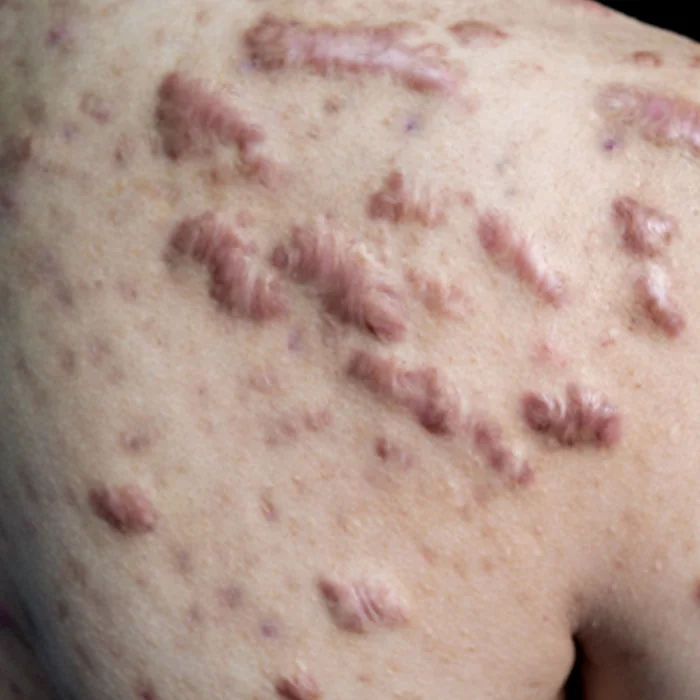
A keloid grows beyond the boundary of the original wound, unlike a hypertrophic scar, which stays within it and may flatten with time. NHS guidance lists options such as steroid treatment, silicone, cryotherapy and laser, while surgery is normally considered with great caution because regrowth is common. Rejuvena does not provide every one of those options. Dr Nick will explain whether limited scar refinement here is reasonable or whether referral is the safer and more effective route.
If you want the full clinical picture first — why keloids are so hard to treat, the rare condition that can mimic one, and when the NHS will and won’t fund care — read our condition guide, Keloid Scars: The Honest Limits, Before Anything Else. This page covers the treatment itself.
Why keloids behave differently to any other scar
Keloids happen when skin over-produces collagen during healing and doesn’t know when to stop. They’re most common on the chest, shoulders, ears, chin and neck, and earlobe or piercing keloids in particular behave differently from a keloid on the chest or shoulder — smaller, often more responsive to treatment, but just as prone to regrowing if the trigger (a tight earring, repeated trauma) isn’t addressed too.
Keloids are more common in darker skin, and pigment change after treatment can also be more visible. Risk is individual: Dr Nick considers skin tone, scar location, previous response and the proposed option, then discusses possible darkening, lightening or recurrence before any treatment is chosen.
Occasionally, a “keloid” is something else. A rare cancer called dermatofibrosarcoma protuberans (DFSP) can look almost identical to one. A scar that is new in later adult life without an obvious injury, that is painful, bleeding or ulcerating, or that keeps growing despite treatment already tried, needs a closer look, not an assumption — which is exactly why assessment always comes before any treatment plan here.
What a keloid assessment in Bedford covers
Dr Nick (GMC 6072251) leads keloid assessment at our Bedford clinic, explains recurrence and service limits, and refers when steroid, surgical or specialist combination care would be more appropriate.
How keloid scars are actually treated at Rejuvena
There is no single best treatment for keloids — the evidence is clear on that. What helps is doctor-led assessment, realistic technique choice, and honesty about which route is genuinely right for your scar.
Diagnosis and red-flag check
Dr Nick (MBBS, MRCGP, Diploma in Dermatology, GMC 6072251) examines your scar, confirms it genuinely is a keloid rather than a hypertrophic scar or something needing biopsy, and discusses realistic outcomes before any treatment is agreed.
- Checks Keloid vs hypertrophic vs atypical
- Rules out Red-flag features needing referral
Selected Cool Laser™ Er:YAG scar refinement
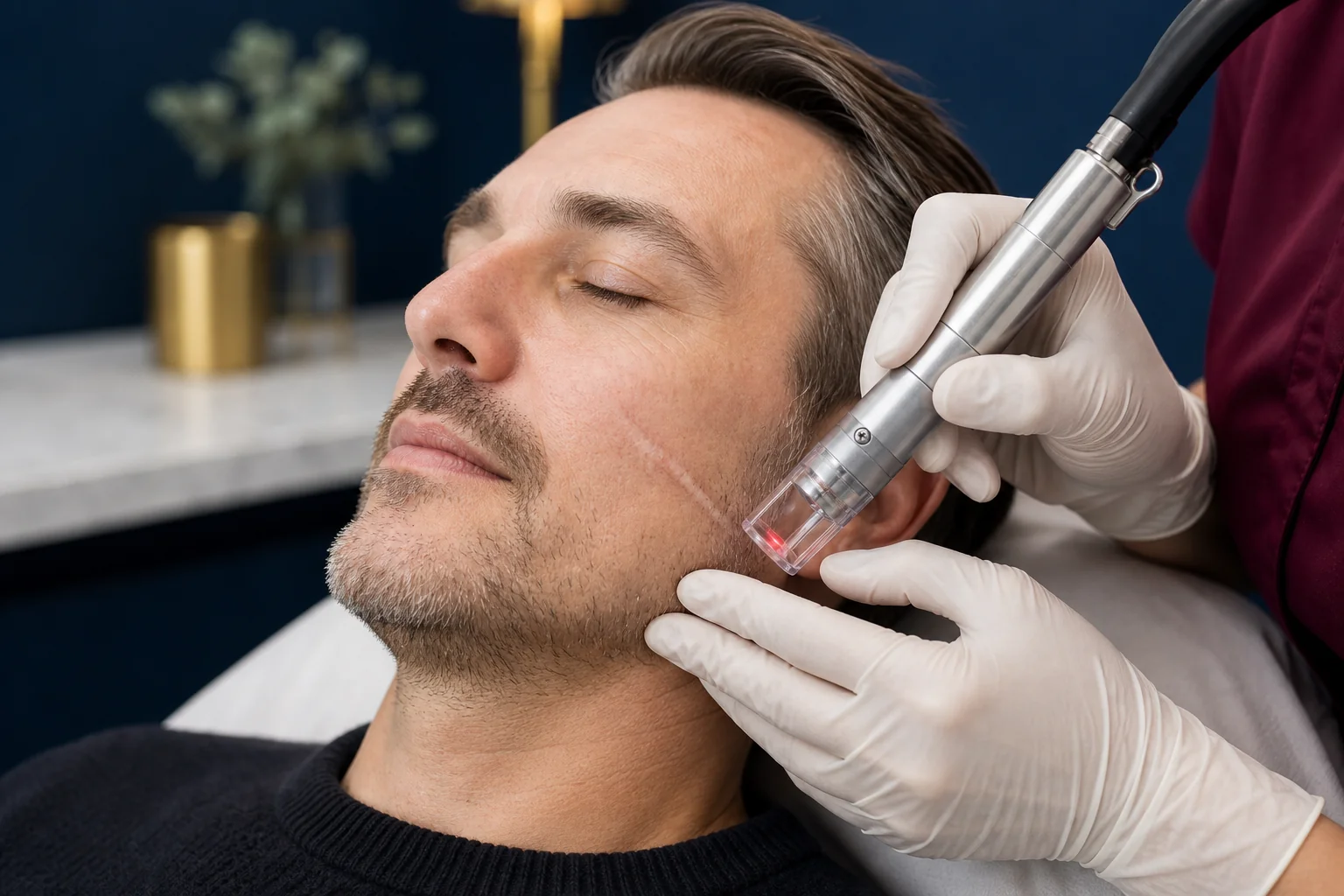
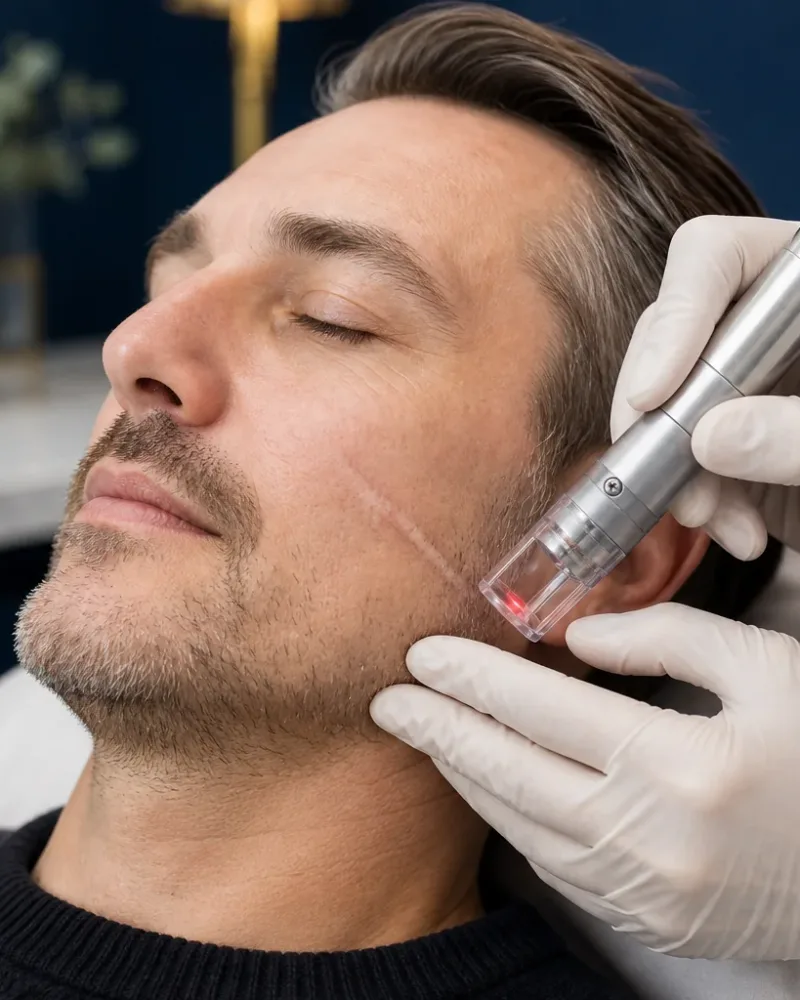
For a limited group of suitable scars, the Dermablate Cool Laser™ can provide precise Er:YAG resurfacing intended to refine raised texture. Laser is not presented as a universal first-line keloid treatment or a cure, and it does not replace steroid injections, specialist surgery or other combination care when those are more appropriate. See the Cool Laser™ scar revision page for how the technology works.
- Approach Controlled ablation, low thermal spread
- Skin tones Assessed individually; pigment-change risk is discussed
Aftercare, maintenance & when we refer
Silicone sheeting and pressure are standard, low-risk supporting measures we advise alongside laser care, especially for earlobe and chest keloids. If your scar would genuinely be better served by an option we don’t provide in-clinic, shows a red-flag feature, or meets the NHS’s functional-impairment funding criteria, Dr Nick refers you on rather than treating it here anyway.
- Supports Silicone & pressure aftercare advice
- Referral NHS/specialist, when that’s the right answer
Your keloid assessment and treatment — step by step
Doctor-led assessment
Dr Nick examines your scar, confirms it is a keloid (not a hypertrophic scar or anything atypical), and takes a history — how it started, how it has changed, and anything that concerns you.
Honest options and service limits
We explain recurrence, standard specialist options, what Rejuvena does and does not provide, and whether limited refinement here or referral elsewhere is more appropriate.
Numbing & comfort
A topical anaesthetic is applied beforehand. Most people describe the sensation as a warm tingling rather than pain.
Selected treatment or referral
If conservative Er:YAG refinement is appropriate, settings are chosen for the scar and skin tone. If steroid injection, surgery with adjuvant treatment or another specialist pathway would serve you better, we refer instead.
Aftercare
Redness, swelling or light peeling for a few days is normal. We advise on silicone or pressure measures where appropriate, sun avoidance, and gentle skincare while the area heals.
Your course & honest review
Most plans involve a course of sessions spaced weeks apart, reviewed as you go. If the scar isn’t responding as hoped, we say so — and discuss what to try next rather than repeating a treatment that isn’t working.
Candidacy, safety & who we refer instead
Who it suits
Healthy adults with a confirmed keloid or hypertrophic scar (chest, shoulder, ear, chin, neck or elsewhere) who understand that treatment aims to flatten, soften and ease symptoms — and who are willing to commit to a course of sessions plus aftercare.
Who we refer instead
Any scar with a red-flag feature (new in later life without an obvious injury, painful, bleeding, ulcerating, or growing despite treatment) is referred for biopsy, not lasered. Scars meeting NHS functional-impairment funding criteria, or that would genuinely suit a treatment we don’t provide in-clinic, are also referred on.
Safety & honest limits
No keloid treatment is risk-free or guaranteed. Recurrence, darkening or lightening, temporary irritation and an unsatisfactory cosmetic result are possible, and risk varies with skin tone, site, scar history and treatment. We do not promise a fixed course or outcome before assessment.
Keloid removal — honest pricing
Cool Laser™ scar revision (the technology most often used for suitable keloids here) starts from £150 per session, with a £50 consultation. Because keloid treatment plans are individual — the right combination, number of sessions, and whether referral is more appropriate all vary by scar — your keloid-specific plan and cost are confirmed at your consultation, not quoted upfront.
- Per sessionFrom £150
- Consultation & assessment£50
- Your keloid planConfirmed at consultation
We will not promise a guaranteed result or a fixed number of sessions before we’ve assessed your scar — the evidence doesn’t support that kind of certainty for keloids. Prices shown are a guide “from”; individual results vary.
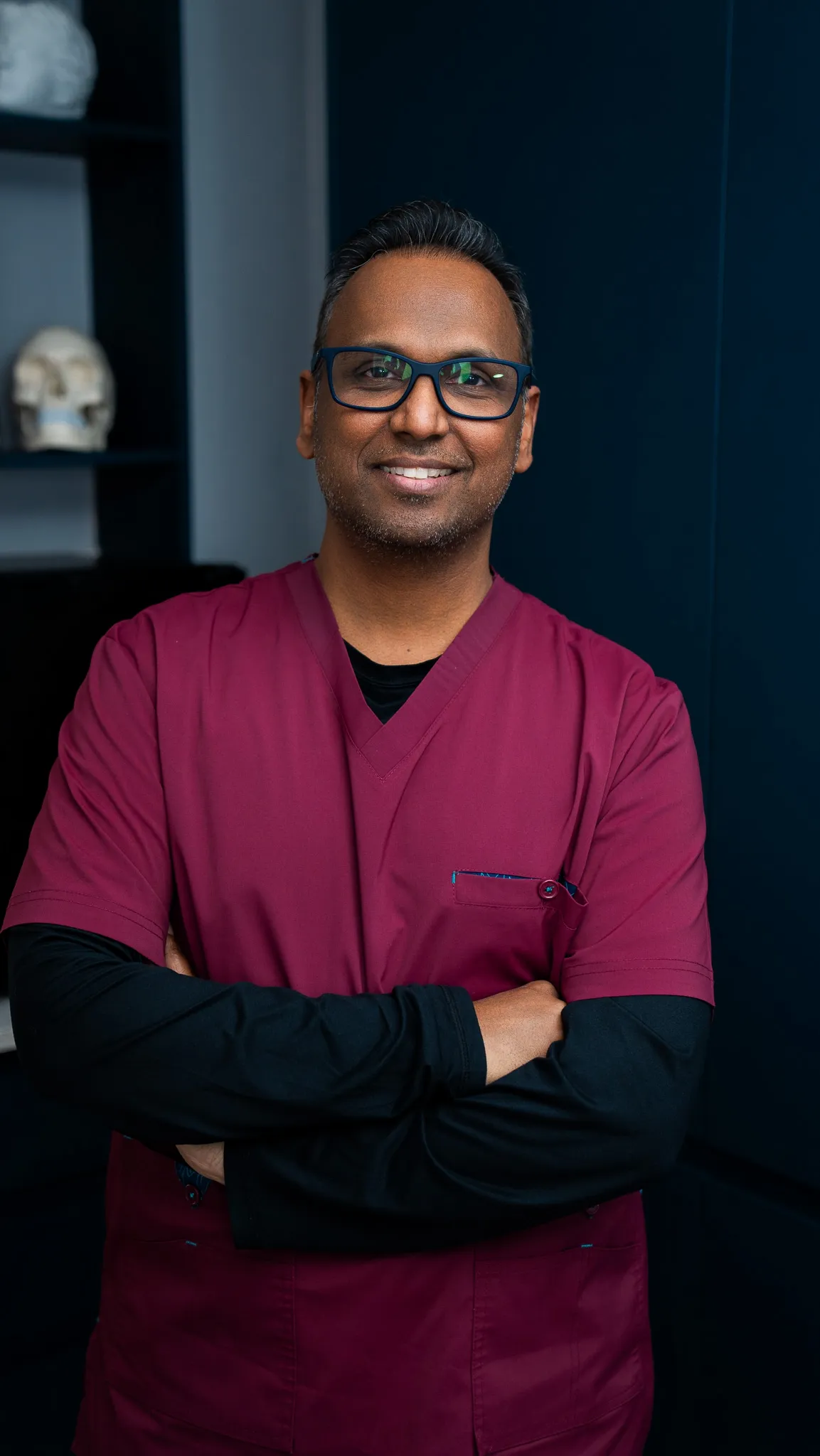
I would rather tell someone honestly that their keloid may come back than promise a removal I can’t deliver. We assess properly, treat what genuinely responds, and refer when that’s the right call.
Why choose Rejuvena for keloid removal in Bedford?
Honesty over promises
We explain the real recurrence rates before you commit to treatment, not after — and never call it “removal” without qualifying what that means.
Diploma in Dermatology
Every keloid is assessed by Dr Nick, a GMC-registered GP with a Diploma in Dermatology — not a beauty therapist or nurse.
Referred, not guessed at
Anything atypical for a keloid, or better suited to NHS or specialist care, is referred appropriately rather than treated cosmetically regardless.
Local & welcoming
Based at 52 Thor Drive, Bedford, we care for patients from Kempston, Biddenham, Bromham and across Bedfordshire.
Related pages at Rejuvena Bedford
Keloid Scars: The Honest Limits
The full clinical picture — why keloids recur, the rare cancer that can mimic one, and NHS vs private care.
Read the guide →Scar Treatment in Bedford
Our wider doctor-planned programme covering acne, surgical, atrophic and keloid scars.
Learn more →Cool Laser™ Scar Revision
The Er:YAG laser technology behind keloid, hypertrophic and other scar revision. From £150 per session.
Learn more →Verified Google reviews
What our patients say
5.0from 161 Google reviews
This clinic is a hidden gem! Dr Nick is so professional, really highly trained and his treatments are so effective! Lana is welcoming and her knowledge of skincare is second to none. Highly recommended
Rejuvena repliedYou are a kindest soul dear Avi. Thank you very much for your kind review 🤗🙏
Read this review on Google (opens in a new tab)My experience was really comfortable. Dr Nick is professional and skillful, he took the time to explain everything. I would throughly recommend their services.
Rejuvena repliedThank you very much for your kind review Holly. We are glad to hear you liked our services. This means a lot to us. ☺️🙏
Read this review on Google (opens in a new tab)Great, professional, friendly service, really happy with my laser results, Lana is very passionate about what she does
Rejuvena repliedThank you very much for your kind words Suky ☺️🙏
Read this review on Google (opens in a new tab)I had a great experience at Rejuvena Laser Clinic. I was very happy with my initial consultation with Doctor Nick and Lana — they were both professional, welcoming, and took the time to explain everything clearly, which made me feel completely comfortable. My wife has been using the clinic for a few years now and she has always been extremely happy with the results and the level of care.
Rejuvena repliedThank you for your kind review Vadims ☺️🙏
Read this review on Google (opens in a new tab)I have been coming to Lana for over a year now. She is so friendly, professional and makes you feel completely at ease! I’m over the moon with my lazer results and would highly recommend Lana’s services to anyone☺️
Rejuvena repliedThank you very much Madie for your kind words ☺️🙏
Read this review on Google (opens in a new tab)I had an excellent experience at the clinic. The team recommended skincare products that truly transformed my skin. I had never seen great results with other products in the past, but this regimen has given me noticeably beautiful, healthy skin, and I am genuinely happy with the outcome. Thank you so much, Lana and Dr Nick, for your guidance and support. I highly recommend both you and your clinic - you are very professional, knowledgeable, and always willing to help.
Rejuvena repliedThank you very much for your kind and honest review Anastasia. It means a lot to us that we were able to help you and your skin.
Read this review on Google (opens in a new tab)Every review above is published on Google. Tap any card to read it there.
Keloid removal FAQs — Bedford
Can keloids be removed permanently?
What’s the difference between a keloid and a hypertrophic scar?
Why do keloids come back after treatment?
Does laser treatment actually work on keloids?
What about earlobe or piercing keloids?
How can I reduce my chances of a keloid after surgery or a piercing?
Are keloids more common in darker skin tones?
Can I get keloid treatment on the NHS instead?
When would Dr Nick refer me elsewhere instead of treating my keloid?
How much does keloid removal cost in Bedford?
Book your keloid assessment in Bedford
Speak with Dr Nick’s team at Rejuvena, 52 Thor Drive, Bedford. We’ll assess your scar honestly, explain what’s genuinely achievable, and agree a doctor-led plan — book online or call us.