Skin Tags: Causes & When to Get One Checked
What skin tags are, what causes them, the genuine link with diabetes and metabolic health, and what private removal costs in Bedford.
Skin tags are soft, skin-coloured growths that hang slightly off the skin, usually on the neck, underarms, eyelids or groin. They are extremely common and harmless. NHS guidance is clear that you should not try to remove one yourself: infection, bleeding and scarring are real risks even with something this small.
What are skin tags?
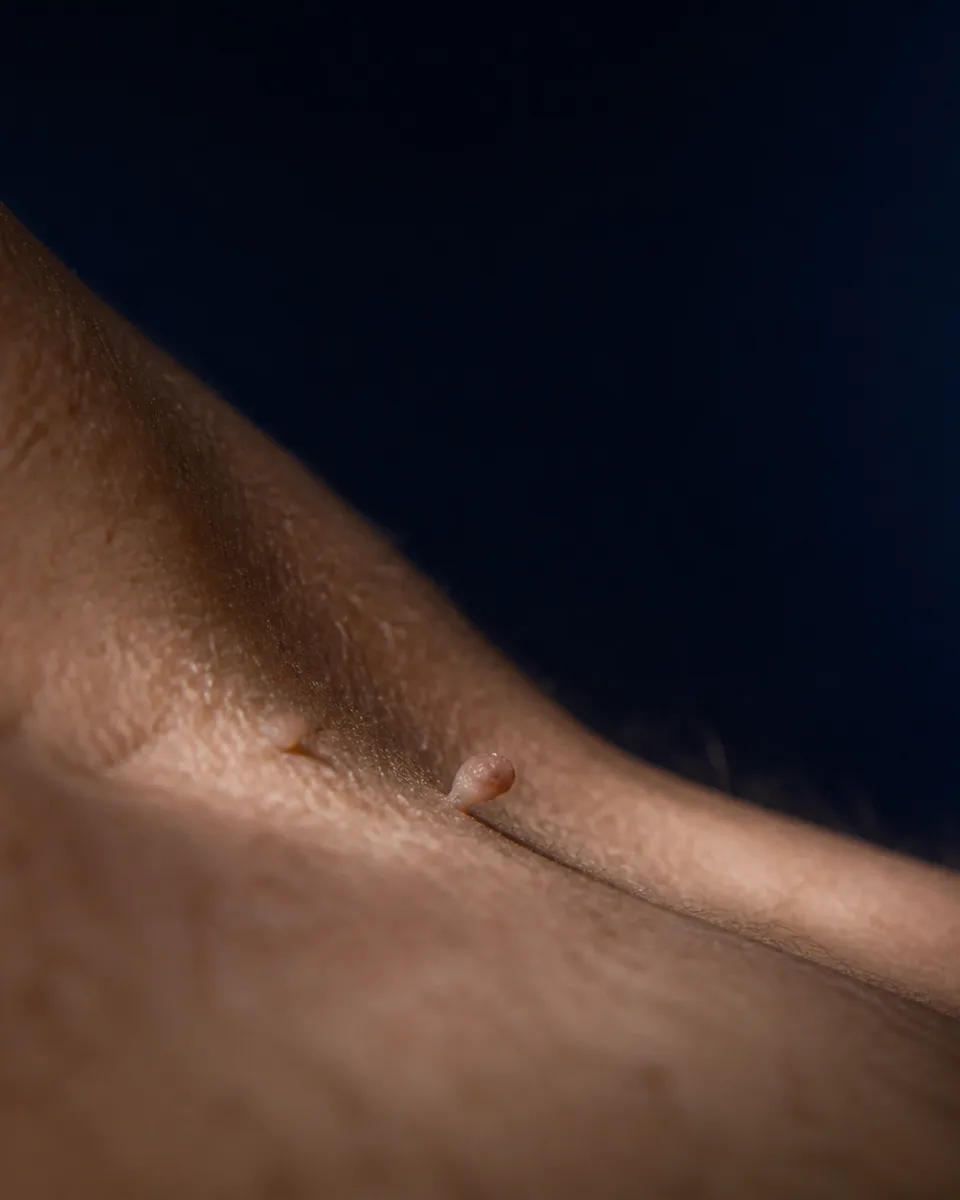
Skin tags (the medical term is acrochordons) are soft, skin-coloured or slightly darker growths, usually on a narrow stalk, typically 1–5mm though occasionally larger. The NHS describes them as “soft, skin-coloured growths on the skin” that are “usually small and harmless.” They most often appear on the neck, under the arms, on the eyelids, under the breasts, in the groin, or around the bottom: anywhere skin regularly rubs against skin.
They are very common. A clinical reference source (StatPearls) puts prevalence at “50% to 60% in the general population,” with roughly two-thirds of people developing at least one by their fifties or sixties, and numbers increasing with age.
What a skin tag is made of
A typical skin tag is soft and hangs from a narrow stalk. Beneath the surface is a small core of loose collagen and blood vessels covered by normal skin.

- Surface view
A soft, flesh-coloured growth on a narrow stalk.
- Skin-layer view
A simplified fibrovascular core covered by epidermis.
What causes skin tags?
The exact mechanism isn’t fully understood, but the NHS states they are “sometimes caused by skin rubbing against skin,” which is why they cluster in skin folds and areas of friction. Contributing factors identified in the clinical literature include obesity, type 2 diabetes, insulin resistance, and pregnancy: the NHS notes that in pregnancy, “hormonal changes are thought to cause them,” and that with type 2 diabetes, “severe insulin resistance is thought to cause more skin tags to grow.”
There is also a genuine, evidence-backed link between multiple skin tags and metabolic health. A case-control study of 110 patients with two or more skin tags found diabetes present in 52% of that group compared with 10% of matched controls, alongside significantly higher blood pressure, cholesterol and insulin resistance: concluding that skin tags “may represent a cutaneous sign for metabolic syndrome.” A separate study of bariatric-clinic patients found the same pattern: those with skin tags had significantly higher blood pressure, higher HbA1c (a marker of blood sugar control), and a higher rate of diabetes than those without.
Neither study proves a skin tag causes or predicts disease in any one person, but if you have several appearing at once, it’s a reasonable thing to mention to your GP alongside routine health checks, not because the tags themselves are dangerous.
Are skin tags dangerous? When to get one checked
Skin tags are benign. Unlike moles, malignant change is not a realistic concern: the clinical literature describes “very low or no risk of malignancy.” This is a different, lower-stakes safety question than for a pigmented mole: you are not screening for cancer here, you are watching for symptomatic change.
See a GP if a skin tag
The NHS advises seeing a GP if you have a skin tag that:
- gets bigger
- becomes painful
- starts bleeding
- develops into lots of skin tags
Do not try to remove a skin tag yourself. The NHS is explicit on this: “Do not try to remove a skin tag yourself unless a GP recommends it. Risks include infection, bleeding and scarring.” Tying one off with thread or cutting it at home is a genuinely bad idea; it’s a soft tissue growth with a blood supply, not a piece of loose skin.
If you notice several new skin tags appearing at once, particularly alongside other changes (weight gain, increased thirst, tiredness), it’s worth mentioning to your GP given the metabolic-syndrome association above, but this is a general-health conversation, not an emergency.
Can I get skin tags removed on the NHS?
No, not for cosmetic reasons. The NHS position is direct: “You cannot get your skin tag removed on the NHS because it is considered cosmetic surgery. You will usually need to pay to have your skin tags removed.”
That holds even though skin tags can be genuinely irritating: caught by jewellery, rubbed by collars or bra straps. Unless a skin tag is bleeding, growing rapidly, or the diagnosis is in doubt, NHS treatment isn’t available and private removal is the route almost everyone takes.
Single small tag: Cool Laser™ Er:YAG: from £95
2–3 tags, same session: from £145
4–6 tags, same session: from £195
7+ tags or larger tags: from £250
Eyelid tags (specialist area): from £145
Freezepen cryotherapy is also available for suitable lesions, priced by size and number, with a £50 cosmetic assessment.
How we treat skin tags at Rejuvena
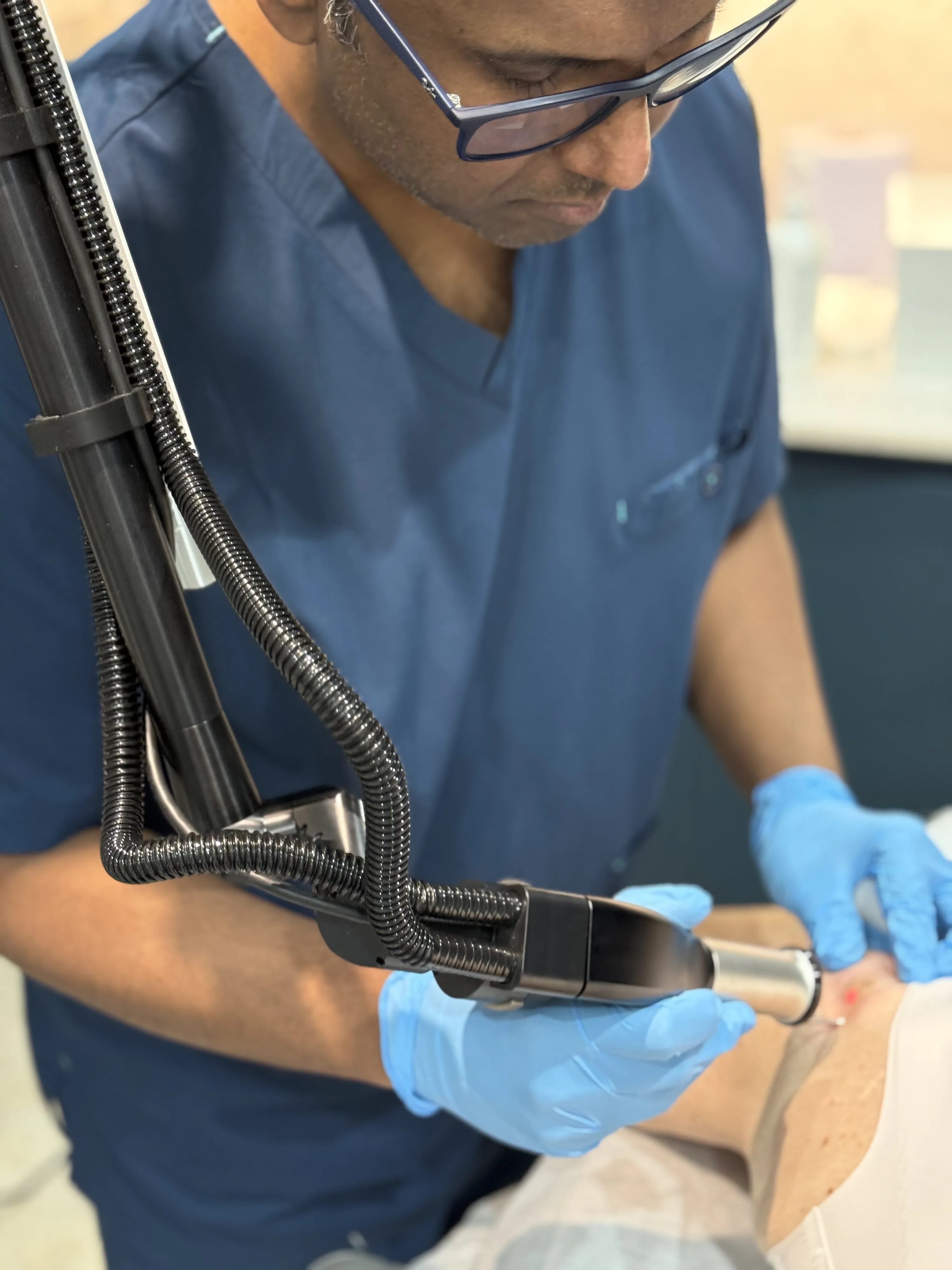
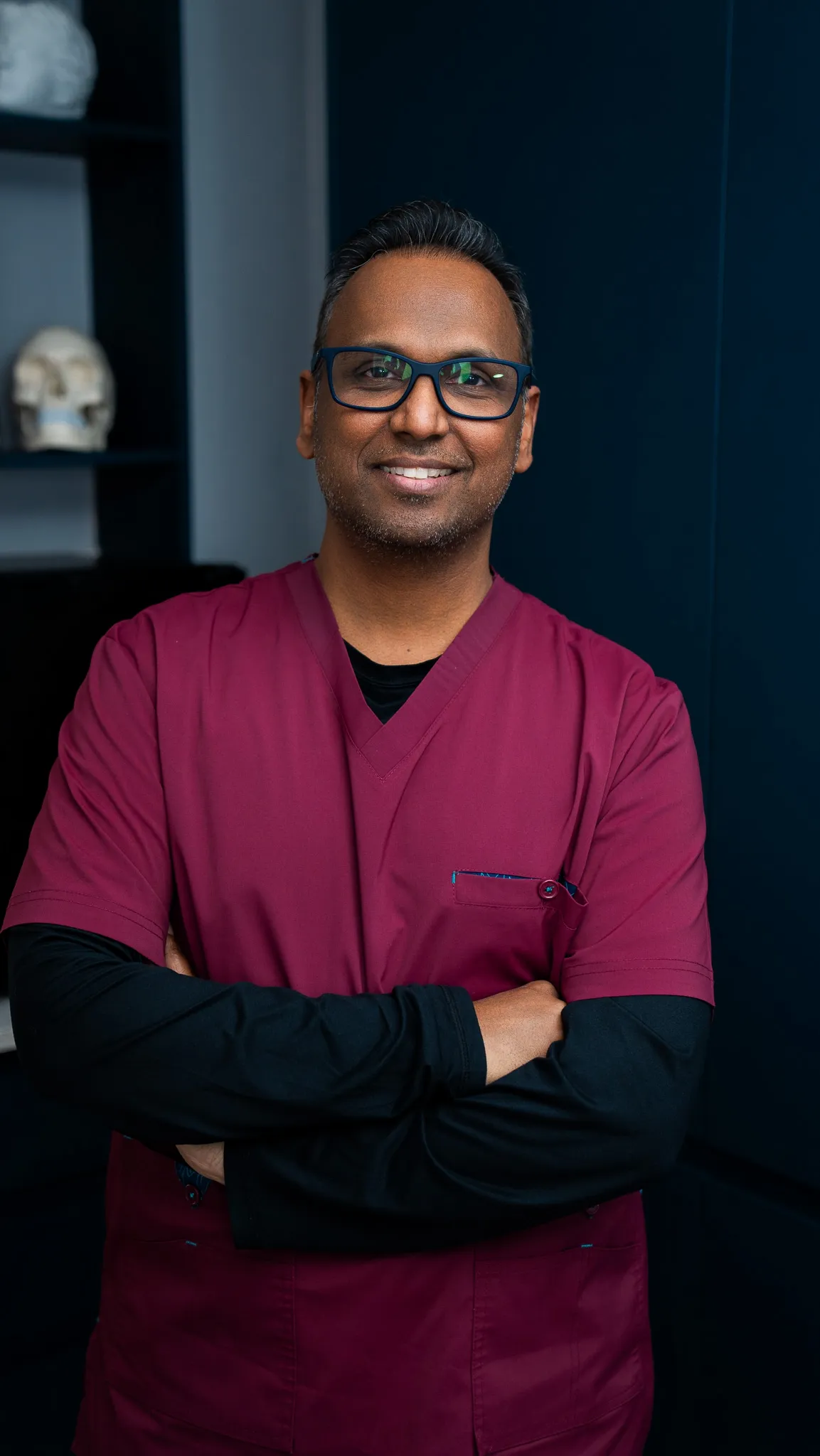
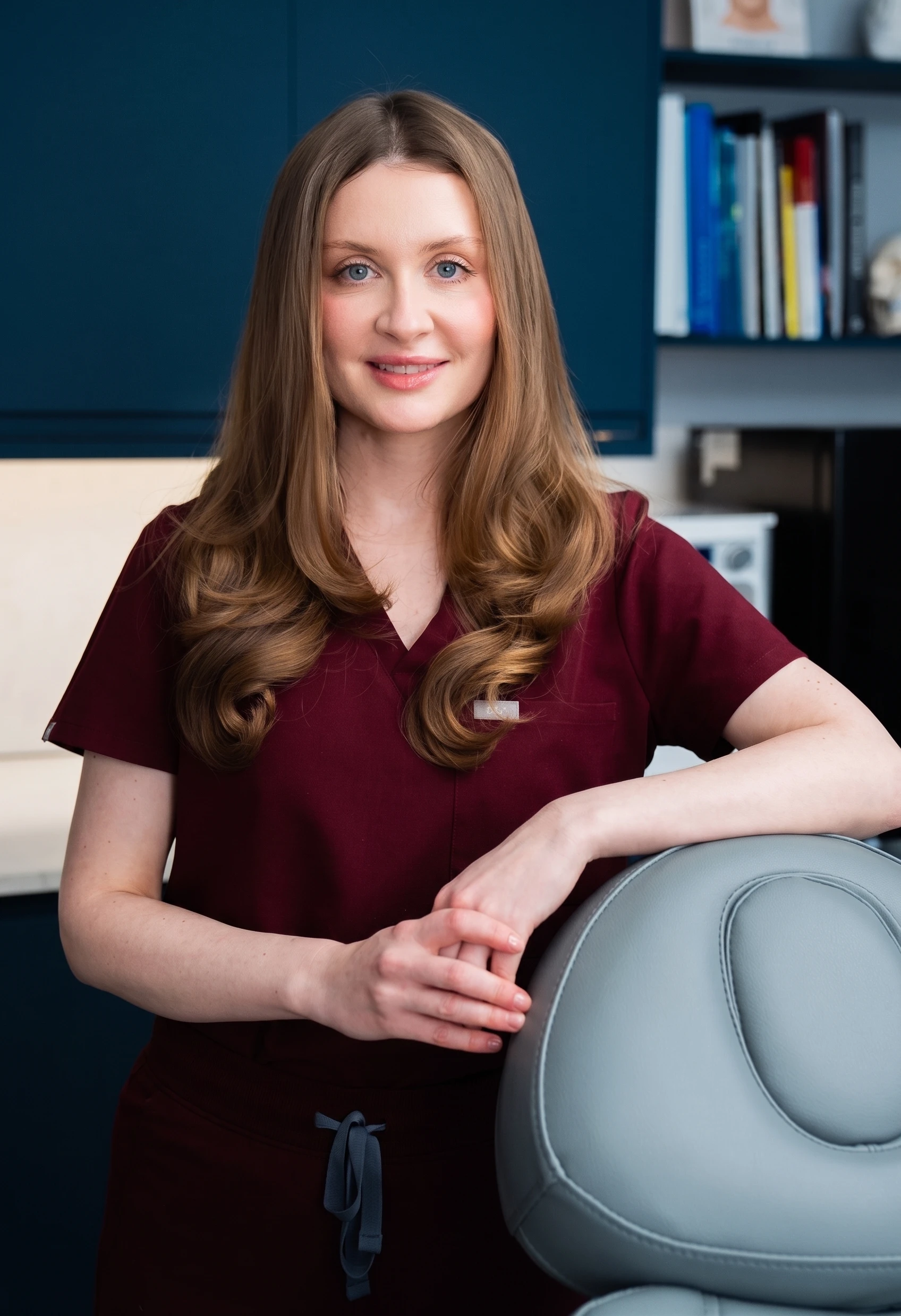
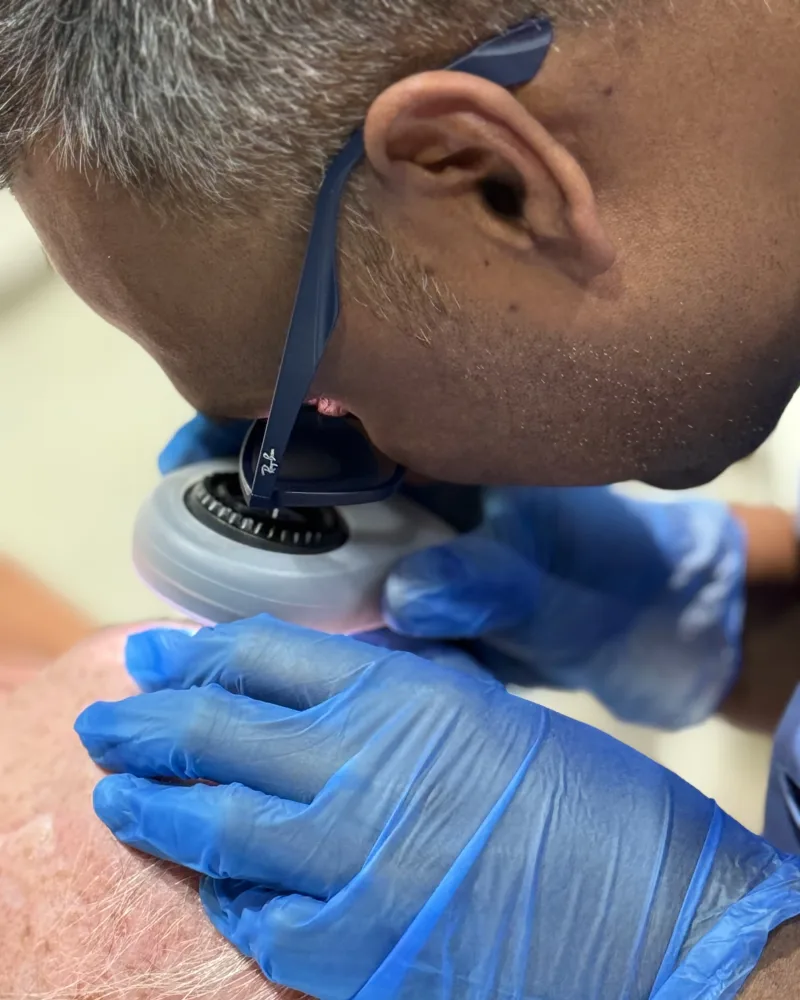
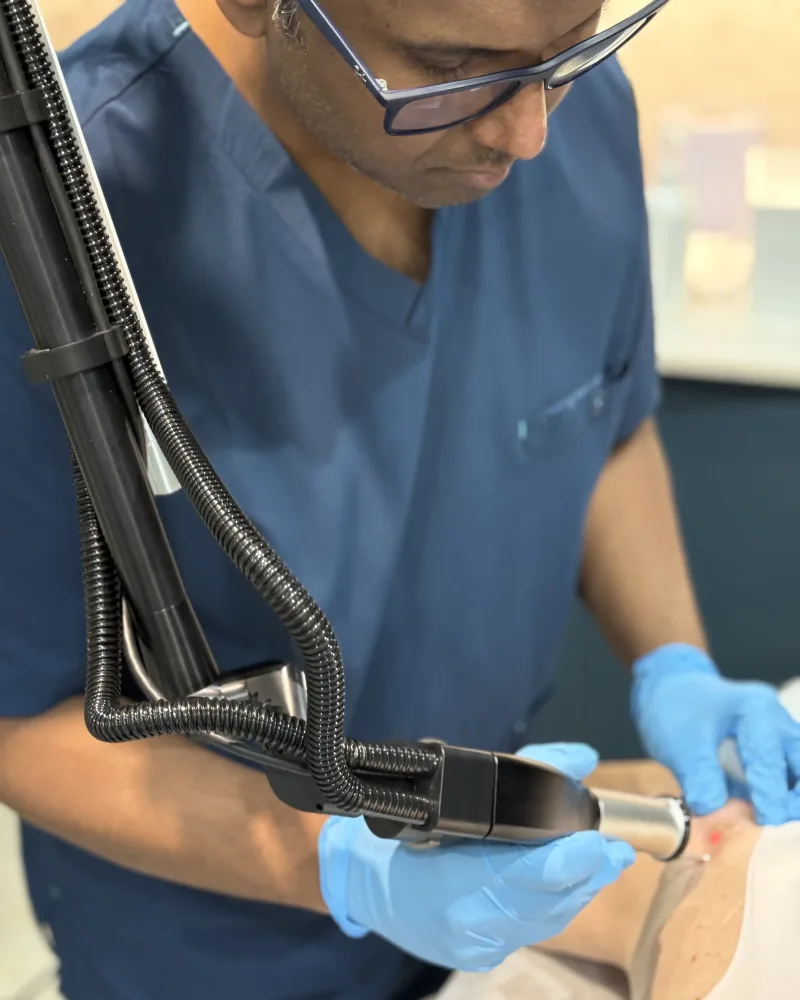
Dr Nick or the clinical team assess each tag before treatment: location, size and number all affect which approach and price apply. Most skin tags are removed with the Cool Laser™ Er:YAG in a single session with minimal downtime. Cryotherapy (Freezepen) is an alternative for suitable lesions. Eyelid tags are treated with particular care given the delicate skin and margin involved.
Why choose Rejuvena for skin tag removal in Bedford?
Assessed by a doctor first
Dr Nick or the clinical team check location, size and number before choosing the right approach.
Medical-grade Cool Laser™
Precise Er:YAG removal in a single session, with minimal downtime.
Two removal options
Laser or Freezepen cryotherapy, matched to your tags and skin.
Local & welcoming
Based at 52 Thor Drive, Bedford, we care for patients from Kempston, Biddenham, Bromham and across Bedfordshire.
Verified Google reviews
What our patients say
5.0from 161 Google reviews
I recently had a lesion removed from my cheek. The pigmented lesion had bothered me for years. I’m glad I finally decided to do something about it. I was quite nervous on the day, but Dr. Nick and Lana were so careful and reassuring — they really put me at ease. The procedure was quick and comfortable, and I feel so much better for having it done. I did a lot of research before I chose this clinic for my treatment. The clinic’s medical dermatology focus made me feel confident I would be in the right hands. I’m really grateful for the care I received and I would definitely recommend this clinic.
Rejuvena repliedThank you so much for your skin review Dupinder 🙏
Read this review on Google (opens in a new tab)I had lots of skin lesions on both hands and Dr Nick and Lana have been great treating me.I will definitely be returning for any future treatments and highly recommend seeing Dr Nick.Great service and facilities thanks again.
Rejuvena repliedAww! Thank you Gavin for your kind review. It was a great pleasure having you in our clinic and we look forward to seeing you in the future too. 😊🙏
Read this review on Google (opens in a new tab)In August of this year, after seeing another practitioner, I was left with complex complications that affected both my appearance and health. I was completely overwhelmed and honestly in bits. The original practitioner severely lacked the knowledge to deal with what had happened, and while my GP was supportive, they understandably weren’t a specialist in this area. That’s when I contacted Dr Nick and Lana at Rejuvena Clinic, and from my very first consultation I knew I was in the safest of hands. I was met with complete professionalism, kindness, and a totally non-judgemental approach. Dr Nick immediately understood the issues I was facing and knew exactly how to manage and approach them. Dr Nick truly went above and beyond to ensure that the damage caused by the previous treatment was minimised as much as possible. Every single treatment I’ve had at the clinic has been impeccable, from the warm welcome when you walk through the door, to the care, precision, and reassurance during treatment, and the excellent follow-up afterwards. I can’t recommend Dr Nick and Lana highly enough. If you are looking for expertise, compassion, and outstanding care, this clinic is exceptional.
Rejuvena repliedThank you for your detailed kind review H. We are very sorry that you are going through this complication from other practitioner. It’s not nice for any one to go through this. We
Read this review on Google (opens in a new tab)Doctor Nick and Lana are the most professional people you could possibly wish to meet. I have been having treatments for a couple of months now and what a difference it has made. From the moment you arrive at the clinic to the moment you leave you are made to feel at ease. The clinic is immaculate and Doctor Nick is so knowledgeable. Lana is fantastic at her treatments and is one of the loveliest people you could wish to meet. I can honestly say they have made a massive difference to me since the treatments. Thank you you so much.
Rejuvena repliedAww Jackie! Thank you very much for your kind feedback, it really means a lot to us. We are so glad to have helped you with your skin and you are also one of the most loveliest peo
Read this review on Google (opens in a new tab)I am quite new to visiting this clinic but so far only good emotions about it. I am undergoing laser treatment at the moment. Lana is such a nice girl, very friendly and supportive. I had to change few times my appointments and she never made me feel bad about it! The clinic - atmosphere feels calming and welcoming. It is very clean, modern and warm. I have met Dr Nick as well for consultation and he is incredibly professional, knowledgeable, and attentive, like Lana. They both make sure you understand the entire process. I am definitely recommending this Clinic!
Rejuvena repliedThank you very much Reda for your kind words and for placing your trust in us! We’re delighted to hear that you have a positive experience with our team, and we look forward to wel
Read this review on Google (opens in a new tab)Thank you so much for your help, I cannot fault Lana and Dr Nick at all, the services offered were excellent and they are clearly both very caring, professional and passionate in what they do. The venue is perfect, very clean, calming and peaceful. I would highly recommend to friends and family.
Rejuvena repliedThank you for your kind words Clara. Glad we could help with your skin concerns. 😊🙏
Read this review on Google (opens in a new tab)Every review above is published on Google. Tap any card to read it there.
Skin Tags FAQs in Bedford
How much does skin tag removal cost in the UK?
Can you get skin tags removed on the NHS for free?
What causes skin tags to suddenly appear?
Is it safe to remove a skin tag yourself?
Are skin tags linked to diabetes?
Book your skin tag removal in Bedford
Speak with Dr Nick’s team at Rejuvena Bedford for a doctor-led assessment and removal plan. Book online or call us.