Verrucas: Causes & When to See a GP First
What verrucas are, when diabetes or a weakened immune system means seeing a GP first, and what private removal costs in Bedford.
Verrucas are warts on the sole of the foot, caused by the same virus as warts elsewhere on the body. Most clear by themselves, sometimes over a year or two, and treatment is usually about speeding that up or dealing with pain rather than medical necessity: except if you have diabetes or poor sensation in your feet, when a GP should see it first.
What are verrucas?
A verruca is a wart on the sole of the foot: the same infection, just a different location. As the British Association of Dermatologists explains: “plantar warts are usually due to just a few [HPV] strains. Infection makes the skin over-grow and thicken, leading to a benign (non-cancerous) skin growth.” Because they’re on a weight-bearing surface, verrucas often get pushed inward rather than sitting proud of the skin, and can be uncomfortable to walk on.
They typically appear as a white, thickened patch of skin, often with a small black dot at the centre: a tiny blood vessel that has clotted. Some occur singly; others cluster into tightly packed groups known as mosaic warts, which are usually painless but can be more stubborn to treat. A single, protruding verruca (sometimes called myrmecial) tends to be the more painful type. Verrucas are not hereditary.
They’re common: estimates put the general prevalence at 7–12%, rising to as much as 30% in children and young people: particularly those using communal facilities like swimming pools and changing rooms, where the virus spreads via direct contact with infected skin or contaminated surfaces.
Verruca or corn? Useful visual cues
A plantar verruca can interrupt the natural skin lines and show pinpoint capillaries. A corn more often keeps the skin lines and has a compact central core.

- Verruca
Interrupted skin lines with possible red or black pinpoint dots.
- Corn
Skin lines usually continue through a firm central keratin core.
What causes verrucas?
HPV infection of the skin is the cause, spread by direct contact with someone else’s verruca or with contaminated surfaces such as pool sides and changing-room floors, or by autoinoculation: spreading the virus to a nearby area of your own skin by scratching or rubbing. Incubation can take anywhere from a month to over a year, which is why it’s often impossible to say exactly where or when you picked one up.
Are verrucas dangerous? When to get one checked
Verrucas are benign, and for most people they are a nuisance rather than a medical concern. But there are specific groups and specific changes where seeing a GP first (rather than going straight to cosmetic treatment) matters.
See a GP if
The British Association of Dermatologists’ patient guidance advises seeing your GP if:
- the lesion is bleeding, painful, changes in appearance, or interferes with your daily activities
- you’re not sure of the diagnosis
- you’ve treated it, but it persists and starts spreading
- you have diabetes or poor sensation in your feet
- you have a weakened immune system, from immune-suppressing medication, HIV, or an immune deficiency disorder
The diabetes and immune-system points are the ones worth taking seriously before booking any cosmetic removal. On an insensate diabetic foot, minor skin trauma can go unnoticed, heal poorly, and become a bigger problem than the verruca ever was, so that’s a GP visit first, not a clinic booking. People who are immunosuppressed are also more likely to find standard treatment less effective, and (specifically in transplant patients and others with reduced immunity) there is a recognised, if small, risk of malignant change that a GP or specialist should be assessing, not a cosmetic provider.
If you’re not in either of those groups and the verruca is simply unresponsive or bothering you, that’s a reasonable case for private treatment.
Can I get verrucas treated on the NHS?
Mostly not, once it’s established as a straightforward, asymptomatic verruca. The NHS position: “A GP may be able to freeze a wart or verruca so it falls off a few weeks later,” with referral to a podiatrist available “if you have a large or very painful verruca.” But routine removal of a benign, non-troublesome verruca is generally not funded: one NHS Integrated Care Board’s published commissioning policy explicitly names warts among the benign lesions it “will not routinely fund referral to secondary care” for, unless it’s causing significant functional problems, pain from unavoidable pressure, frequent bleeding, or recurrent infection.
That’s one region’s policy rather than a single national rule, but it reflects how most NHS areas now approach benign lesion removal. In practice, most verrucas that aren’t causing real problems are left alone or self-treated with pharmacy products, and private treatment is the route people take when they want it dealt with faster.
Being honest about how well verruca treatments work
The strongest trial evidence available (a Cochrane systematic review of 85 randomised trials, nearly 9,000 participants, covering warts and verrucas together as HPV-related lesions) found:
- Salicylic acid, the standard first-line pharmacy treatment, “significantly increased the clearance of warts compared to placebo”, about 1.5 times more likely to clear than no treatment, used daily for at least 12 weeks.
- Cryotherapy, the most familiar in-clinic treatment, was not statistically significantly better than placebo in the pooled trial data, and the review found no significant difference between cryotherapy and salicylic acid directly either.
- Combining the two performed better than salicylic acid alone.
That’s a more modest picture than the confidence with which freezing is usually sold. The British Association of Dermatologists’ own patient guidance is consistent with this caution, noting that verrucas “not causing any adverse symptoms such as pain should be left alone,” and that up to 65% resolve by themselves within two years without any treatment at all. Doing nothing is a legitimate, evidence-backed option for a painless verruca that isn’t spreading: treatment is for when you’d rather not wait, it’s painful, or it’s stubbornly persisting.
Single verruca, per session: Nd:YAG laser: from £150
Mosaic or multiple verrucas, per session: from £195
Er:YAG debulking add-on (for thick verrucas): from £95
Course of 3 sessions: from £390
Freezepen cryotherapy is also available for suitable lesions, priced by size and number with a £50 cosmetic assessment.
How we treat verrucas at Rejuvena
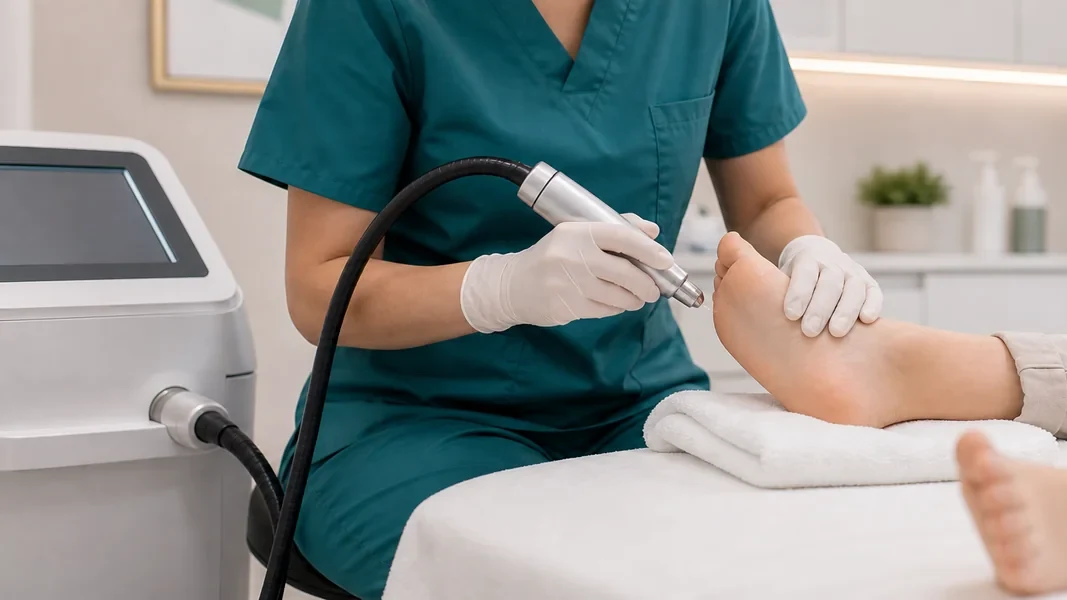
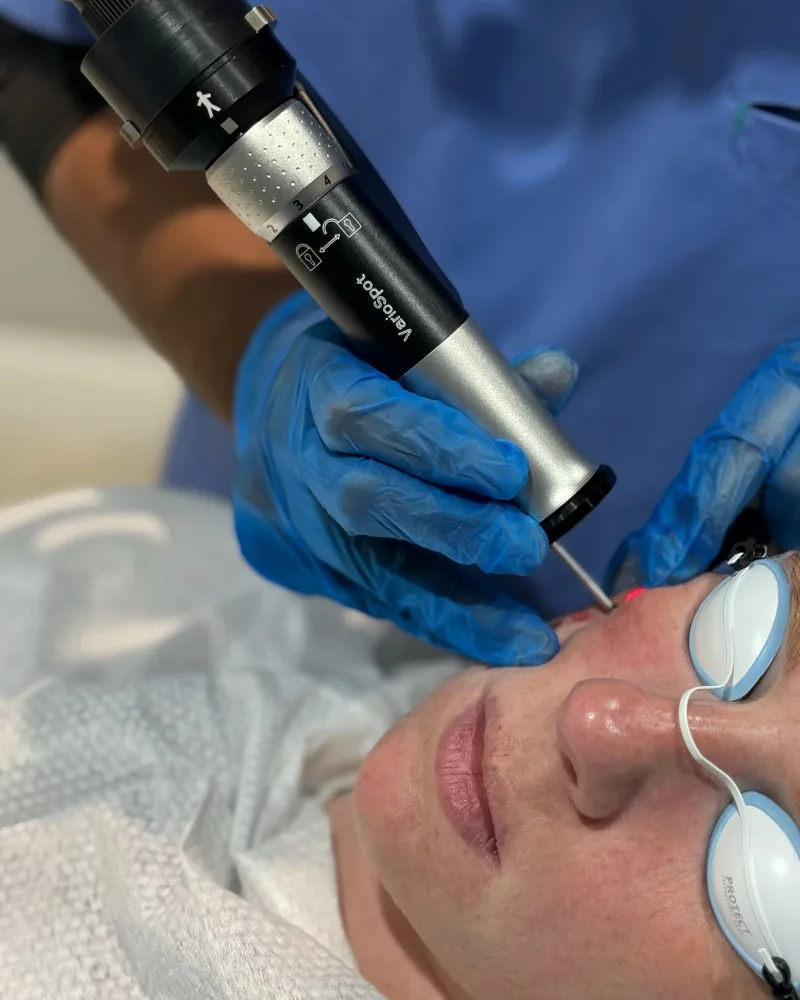
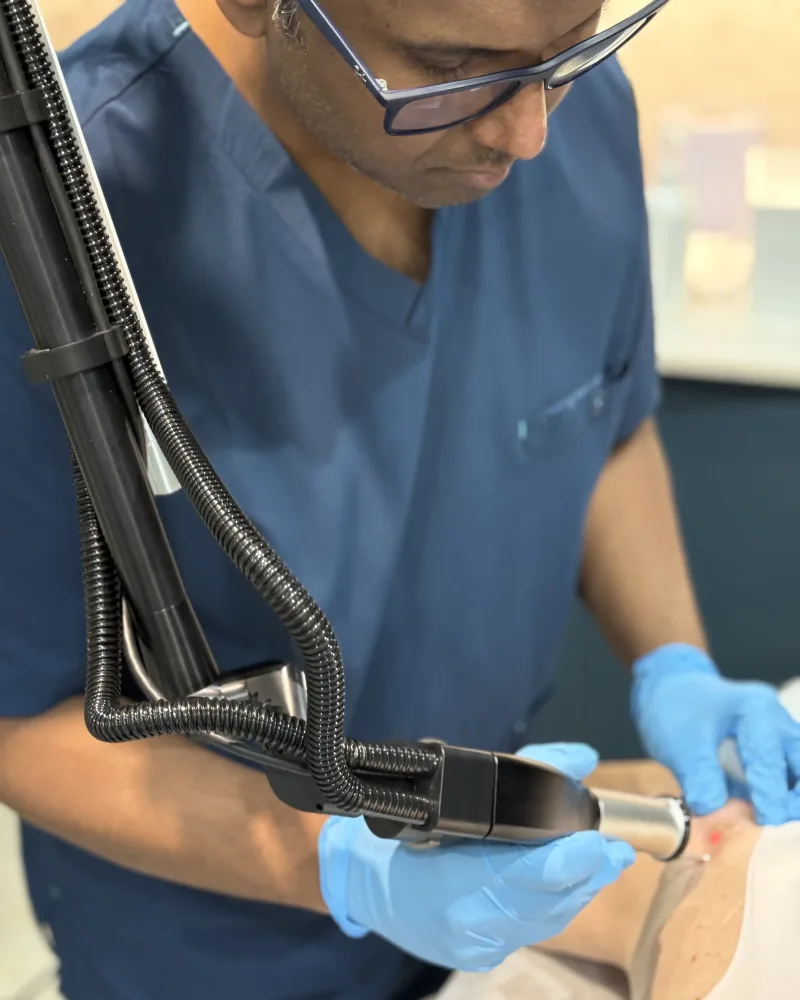
Dr Nick or the clinical team assess the verruca, confirm the diagnosis, and check for the diabetes/immunosuppression flags above before treating cosmetically. Suitable verrucas are treated with Nd:YAG laser, sometimes with an Er:YAG debulking step first for thicker lesions, or with Freezepen cryotherapy. Stubborn or mosaic verrucas often need a short course of sessions rather than one visit.
Why choose Rejuvena for verruca removal in Bedford?
Diabetes & immunity checked first
Dr Nick or the clinical team check for the specific flags where a GP should assess before cosmetic treatment.
Nd:YAG + Er:YAG lasers
Targeted laser treatment, with debulking for thicker verrucas where needed.
Honesty over hype
We quote the real trial evidence on what works, and say plainly when doing nothing is a reasonable choice.
Local & welcoming
Based at 52 Thor Drive, Bedford, we care for patients from Kempston, Biddenham, Bromham and across Bedfordshire.
Verified Google reviews
What our patients say
5.0from 161 Google reviews
I recently had a lesion removed from my cheek. The pigmented lesion had bothered me for years. I’m glad I finally decided to do something about it. I was quite nervous on the day, but Dr. Nick and Lana were so careful and reassuring — they really put me at ease. The procedure was quick and comfortable, and I feel so much better for having it done. I did a lot of research before I chose this clinic for my treatment. The clinic’s medical dermatology focus made me feel confident I would be in the right hands. I’m really grateful for the care I received and I would definitely recommend this clinic.
Rejuvena repliedThank you so much for your skin review Dupinder 🙏
Read this review on Google (opens in a new tab)I had lots of skin lesions on both hands and Dr Nick and Lana have been great treating me.I will definitely be returning for any future treatments and highly recommend seeing Dr Nick.Great service and facilities thanks again.
Rejuvena repliedAww! Thank you Gavin for your kind review. It was a great pleasure having you in our clinic and we look forward to seeing you in the future too. 😊🙏
Read this review on Google (opens in a new tab)I am quite new to visiting this clinic but so far only good emotions about it. I am undergoing laser treatment at the moment. Lana is such a nice girl, very friendly and supportive. I had to change few times my appointments and she never made me feel bad about it! The clinic - atmosphere feels calming and welcoming. It is very clean, modern and warm. I have met Dr Nick as well for consultation and he is incredibly professional, knowledgeable, and attentive, like Lana. They both make sure you understand the entire process. I am definitely recommending this Clinic!
Rejuvena repliedThank you very much Reda for your kind words and for placing your trust in us! We’re delighted to hear that you have a positive experience with our team, and we look forward to wel
Read this review on Google (opens in a new tab)Thank you so much for your help, I cannot fault Lana and Dr Nick at all, the services offered were excellent and they are clearly both very caring, professional and passionate in what they do. The venue is perfect, very clean, calming and peaceful. I would highly recommend to friends and family.
Rejuvena repliedThank you for your kind words Clara. Glad we could help with your skin concerns. 😊🙏
Read this review on Google (opens in a new tab)Lana is very knowledgeable and professional and makes you feel like you are in safe hands. I am happy I chose to have my treatment at Rejuvena and would highly recommend the clinic.
Rejuvena repliedThank you very much Bobbie 🤗🙏
Read this review on Google (opens in a new tab)Very good and reassuring place to book your next or target any problem. This is where you want to be.
Rejuvena repliedAww! Thank you Peter. That means a lot to us 😊🙏
Read this review on Google (opens in a new tab)Every review above is published on Google. Tap any card to read it there.
Verrucas FAQs in Bedford
How much does verruca removal cost in the UK?
Will the NHS treat a verruca for free?
Do verrucas go away on their own?
Should I see a GP before getting a verruca treated at a clinic?
Does freezing get rid of verrucas?
Book your verruca removal in Bedford
Speak with Dr Nick’s team at Rejuvena Bedford for a doctor-led assessment and honest treatment plan. Book online or call us.