Doctor-led milia removal in Bedford
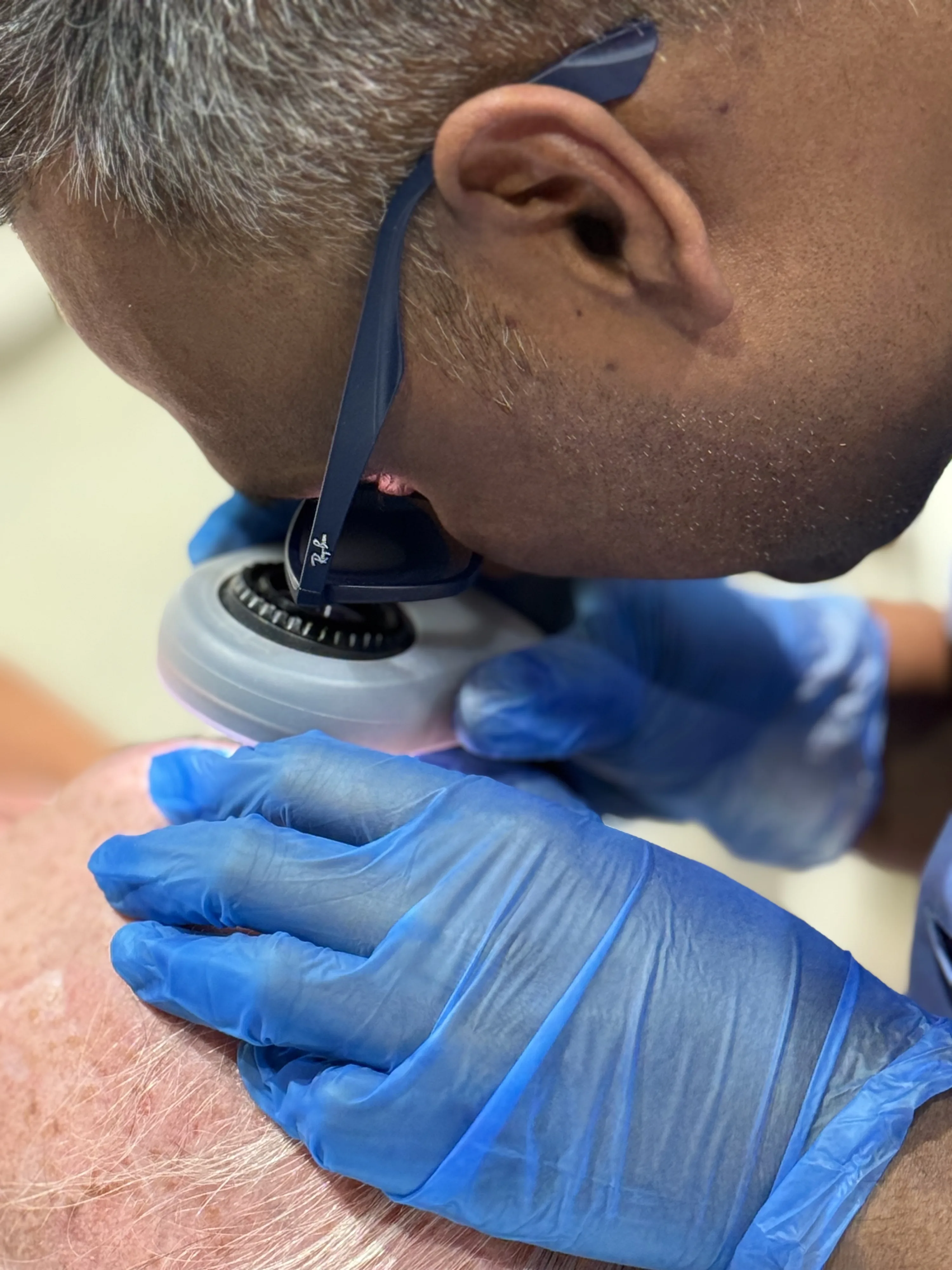
Small keratin-filled milia are assessed before treatment, especially around the delicate eye area. Dr Nick confirms the diagnosis and recommends precise extraction or laser removal where suitable, with clear aftercare and no unnecessary squeezing.
- Diagnosis before removal
- Delicate eye-area care
- Precise technique
- Bedford clinic

Those tiny, firm, pearly-white bumps around your eyes won’t “pop” like a spot — because there is no pore to squeeze. They are sealed keratin cysts, and the safest way to clear them is gentle, doctor-led removal.
What is milia, and why won’t it go away on its own?
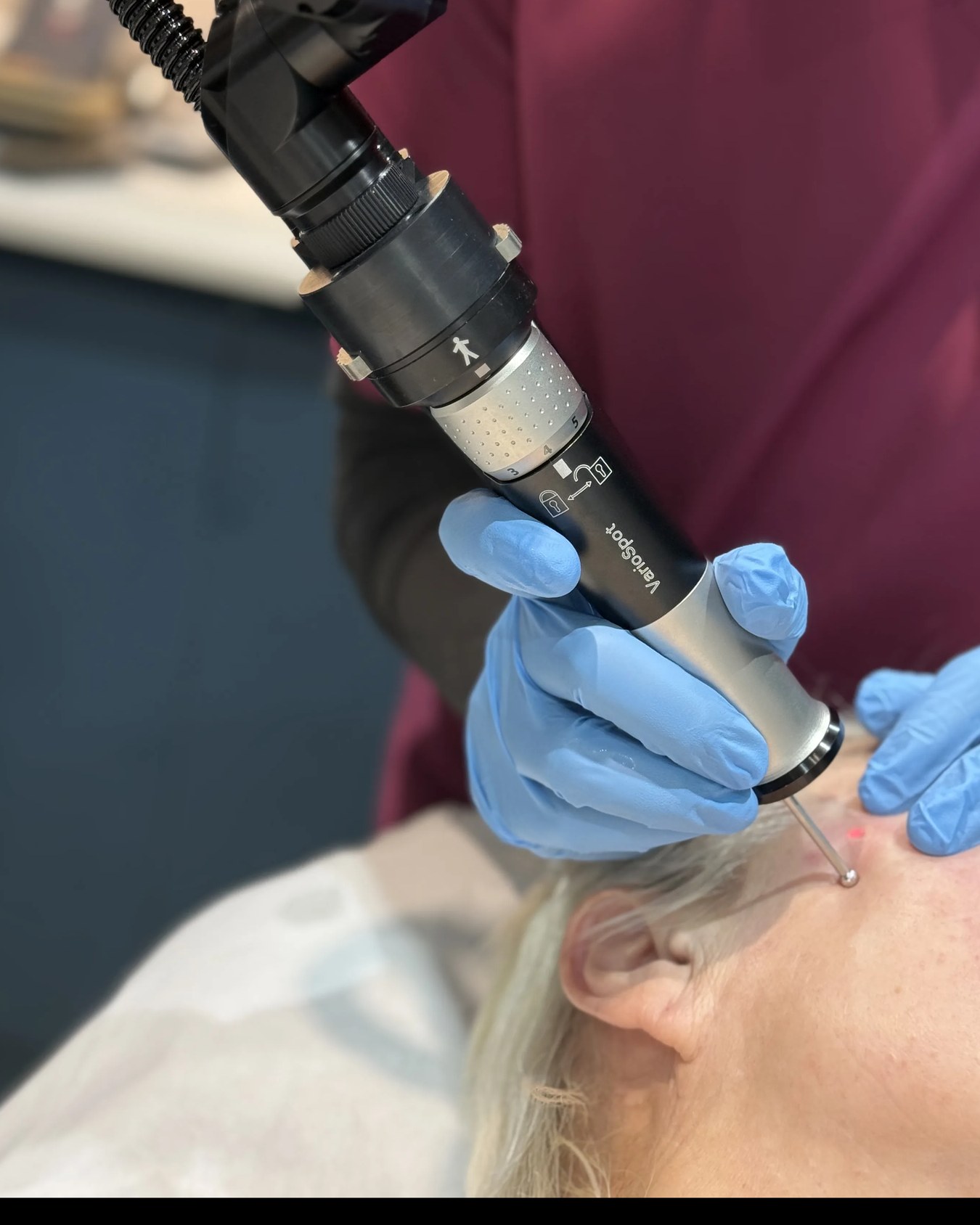
Milia (also called milk spots, or keratin cysts) are small, firm, dome-shaped, pearly-white or yellowish bumps that form when keratin — the protein that makes up the surface of your skin — becomes trapped in a tiny cyst just beneath the skin. They are usually 1–2 mm across, completely benign and painless, and appear most often around the eyelids, under the eyes, on the cheeks, nose and forehead. Despite looking a little like whiteheads, milia are not acne: there is no infection, no blocked sebaceous pore and no inflammation. The keratin is sealed inside a thin epidermal cyst wall, which is exactly why squeezing rarely works and so often leaves a mark instead.
Milia fall into two broad groups. Primary milia arise spontaneously on otherwise healthy skin — extremely common in newborns (where they self-resolve in weeks) and also seen in adults around the eyes and cheeks. Secondary milia appear where the skin has been damaged or occluded: after sunburn or blistering, following burns or skin trauma, after some resurfacing procedures, or with heavy, rich eye creams. Many adult milk spots do gradually clear by themselves, but they can also persist for months or years — which is why people across Bedford choose to have stubborn, visible milia removed properly rather than wait or pick at them.
What milia removal helps with
At Rejuvena in Bedford, each milia removal plan starts with a careful assessment to confirm the concern, suitability and realistic next steps.
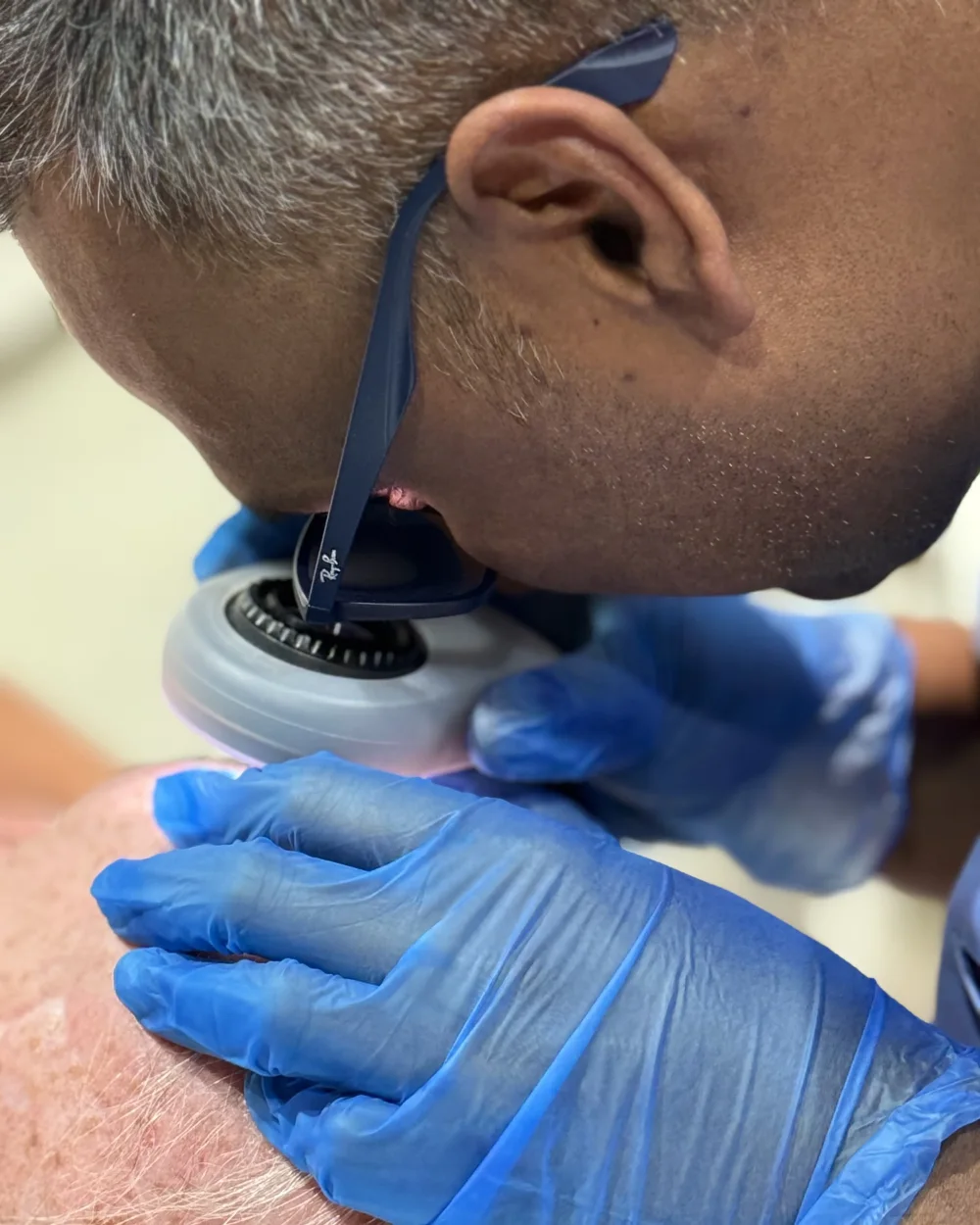
Gentle removal — chosen to fit your skin
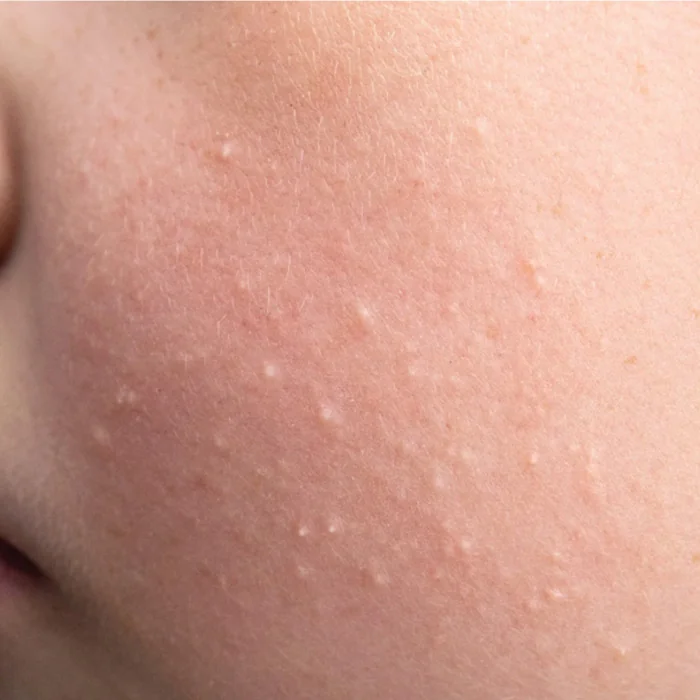
There is no single “best” way to remove every milium. After Dr Nick confirms the bump is a benign milium, he selects the most appropriate method for its size, number and location — typically the Dermablate Cool Laser™ (Er:YAG) or gentle clinical extraction. Around the delicate eye area, less is more.
Sterile de-roofing & extraction
The textbook first-line method for most milia. After cleansing, a fine sterile lancet creates a tiny opening over the cyst (“de-roofing”), and the trapped keratin core is gently lifted out with a comedone extractor. It is quick, precise and well suited to clusters of small milk spots, with no heat involved — a gentle choice for thinner skin and darker skin types.
- Best for Small, superficial milia & clusters
- Sessions Often one; clusters may need a review
- Downtime Tiny pinpoint marks, settle in days
- Comfort Brief; numbing used if needed
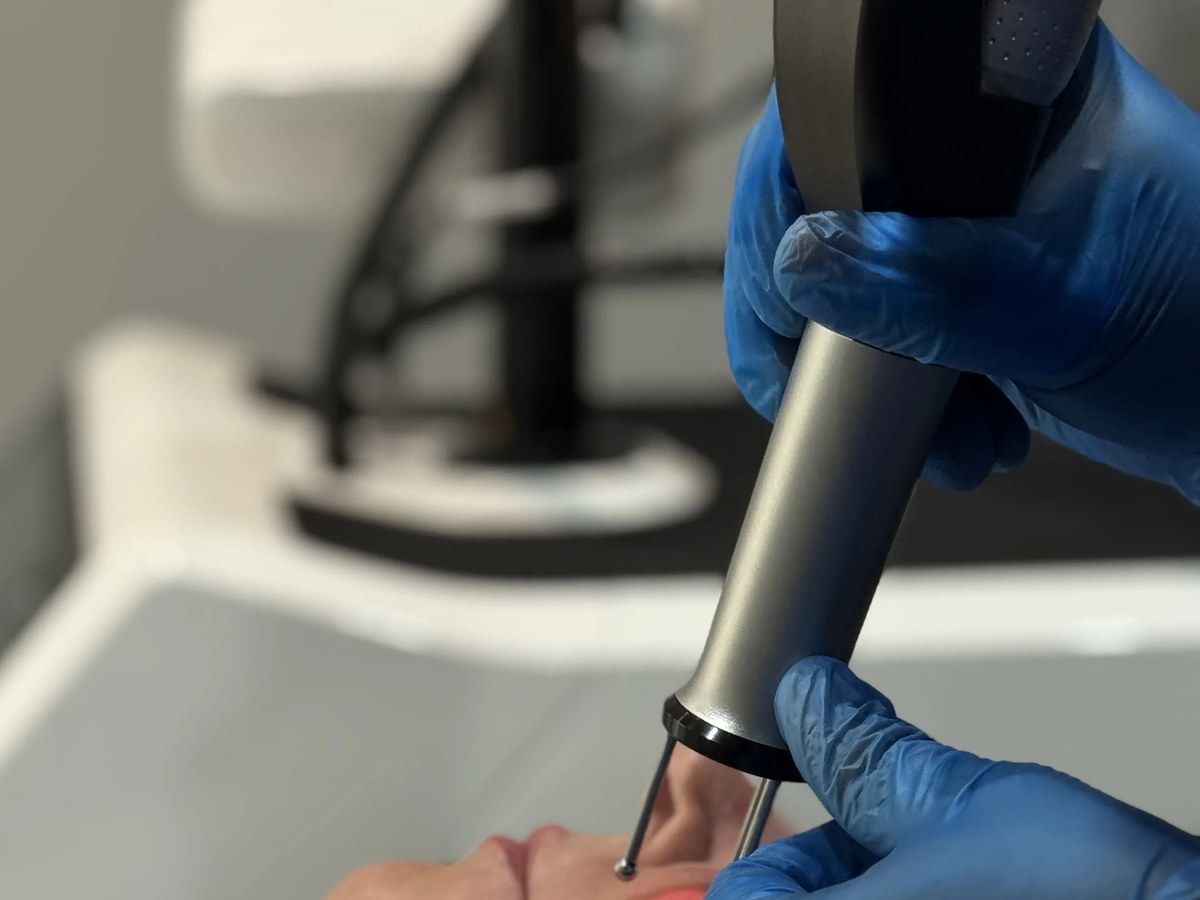
Dermablate Cool Laser™
For deeper, persistent or awkwardly-placed milia, milia is listed among the lesions treated with our medical-grade Dermablate Cool Laser™ (Erbium:YAG, 2940nm). This wavelength is absorbed strongly by water in the skin, so each pulse vaporises a controlled micro-layer with minimal heat spread — precise enough for the eye area. For stubborn or clustered presentations, our laser skin lesion removal and Cool Laser skin resurfacing use the same platform.
- Best for Deeper, persistent or recurrent milia
- Precision Controlled micro-layer ablation
- Downtime Tiny crust, heals over ~2 weeks
- Oversight Doctor-led, settings tailored to you
Please don’t squeeze milia at home. Unlike a spot, a milium has no pore opening, so home picking simply traumatises the skin — risking infection, broken capillaries and a small scar, especially on thin under-eye skin.
Your milia removal visit — step by step
Is it actually milia?
Dr Nick examines each bump to confirm it is a benign milium and not something that looks similar — such as a syringoma, xanthelasma or a spot that needs closer review. Any atypical, solitary or changing lesion is assessed thoroughly and referred appropriately rather than treated blindly.
Choosing the method
Based on the size, number and location of your milia, Dr Nick recommends gentle extraction, the Cool Laser™, or a combination. We explain what to expect honestly, including realistic results and the small chance of recurrence.
Comfort & preparation
The area is cleansed and, where appropriate, a topical numbing cream is applied so the procedure is comfortable — particularly around the eyes.
Removal
Each milium is treated in turn — gently de-roofed and extracted, or precisely ablated with the Cool Laser™. Most visits are short, and several milk spots can usually be addressed in one appointment.
Aftercare & review
You leave with written aftercare. Expect mild redness and perhaps tiny crusts that heal over roughly two weeks — left to fall away naturally. We review clusters and discuss skincare to help reduce new milia forming.
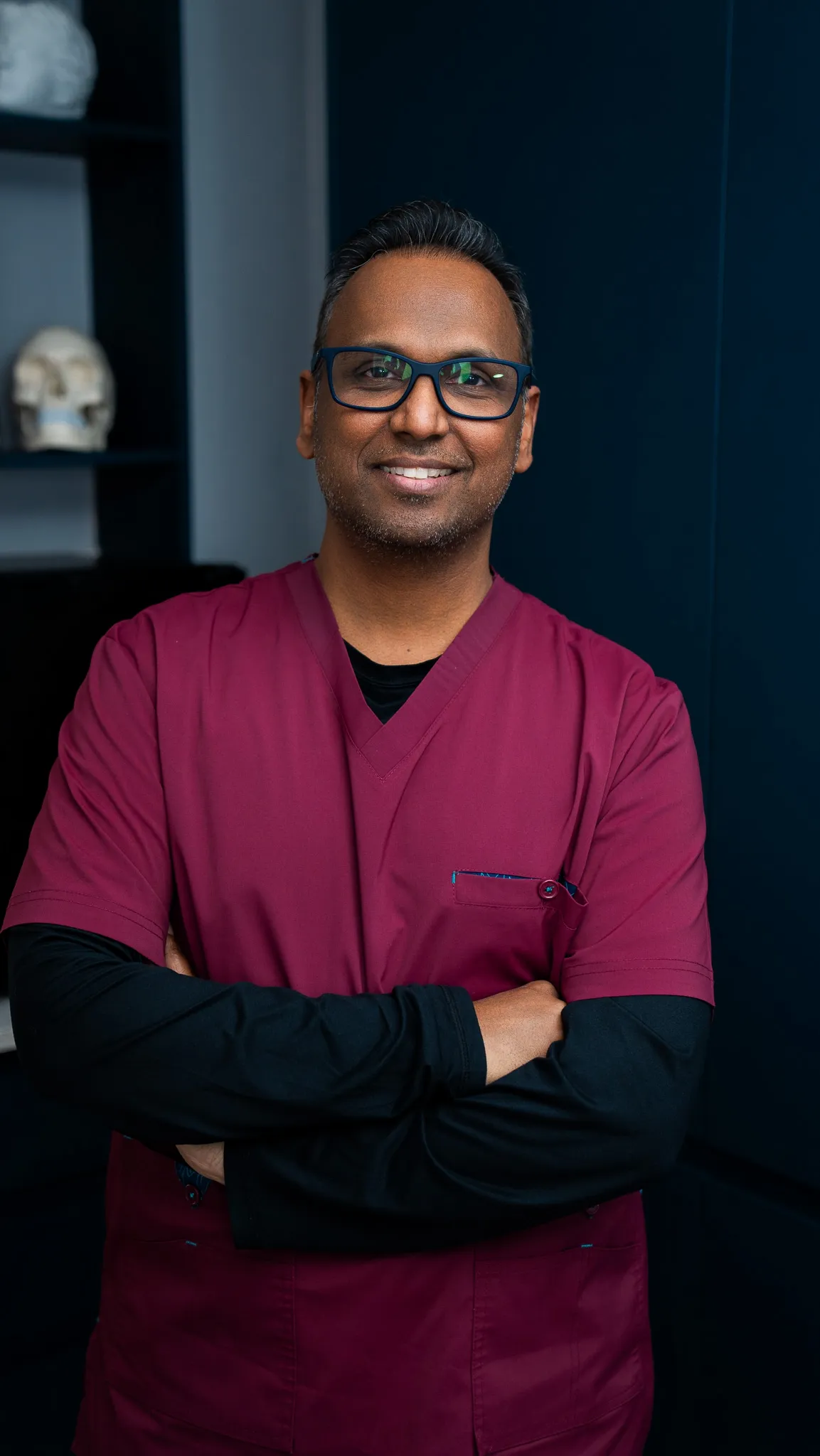
Most milia are harmless milk spots — but a few look-alikes around the eye are not. We confirm what we’re treating before we treat it, and we remove milia gently, by a doctor, never by force.
Why choose Rejuvena for milia removal in Bedford?
Assessed before treated
Dr Nick confirms each bump is a benign milium first — and refers any atypical or changing lesion appropriately, rather than treating blindly.
Safe around the eyes
The under-eye and eyelid area is delicate. We use gentle, precise technique suited to thin skin — not home kits or force.
Method to match your skin
Gentle extraction or the Cool Laser™ Er:YAG — chosen for size, number and location, with conservative settings for darker skin to lower pigment risk.
Doctor-led, local clinic
Trusted by patients across Bedford, Kempston, Biddenham and Bedfordshire — rated 5★ from 161 verified reviews.
Candidacy, recovery & honest expectations
Who it suits
Adults with persistent, cosmetically bothersome milk spots — classically around the eyes and cheeks — that haven’t cleared on their own or after home attempts, and secondary milia on healed skin.
Who needs caution
If a bump is unusual, solitary, growing, bleeding or changing, Dr Nick assesses and refers appropriately. Care is also needed in pregnancy, with bleeding disorders or blood thinners, active skin infection, and a history of keloid scarring; darker skin types carry a higher risk of post-inflammatory pigmentation, so gentler methods are preferred.
Recovery & results
Mild redness and tiny crusts heal over about two weeks — leave scabs to fall away naturally and use SPF. Milia treated that day are cleared; honestly, new milk spots can form over time, so recurrence is managed with technique and skincare, not “cured” forever.
Because milia removal depends on how many milk spots you have, where they are and the right method for your skin, your price is confirmed at your consultation — with no obligation to proceed. Dr Nick assesses the lesions first, then gives you a clear, honest quote.
Related treatments & concerns at Rejuvena Bedford
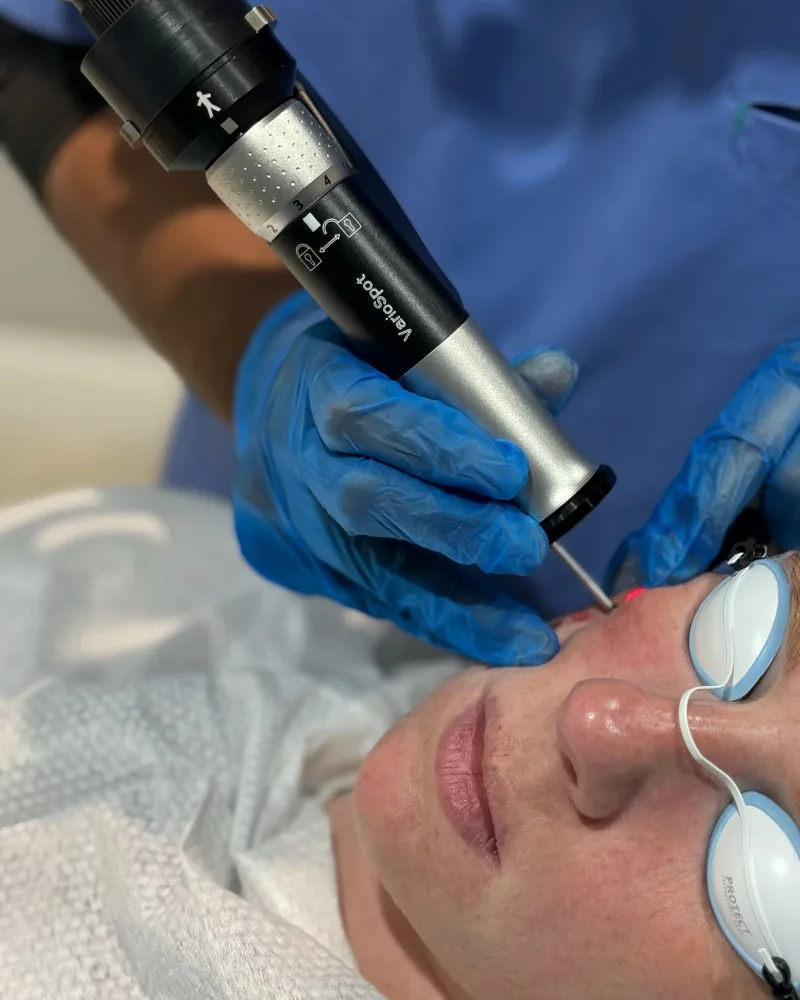
Laser Skin Lesion Removal
Precise Dermablate Cool Laser™ (Er:YAG) removal of milia and other benign lesions — the procedure that clears stubborn milk spots.
Learn more →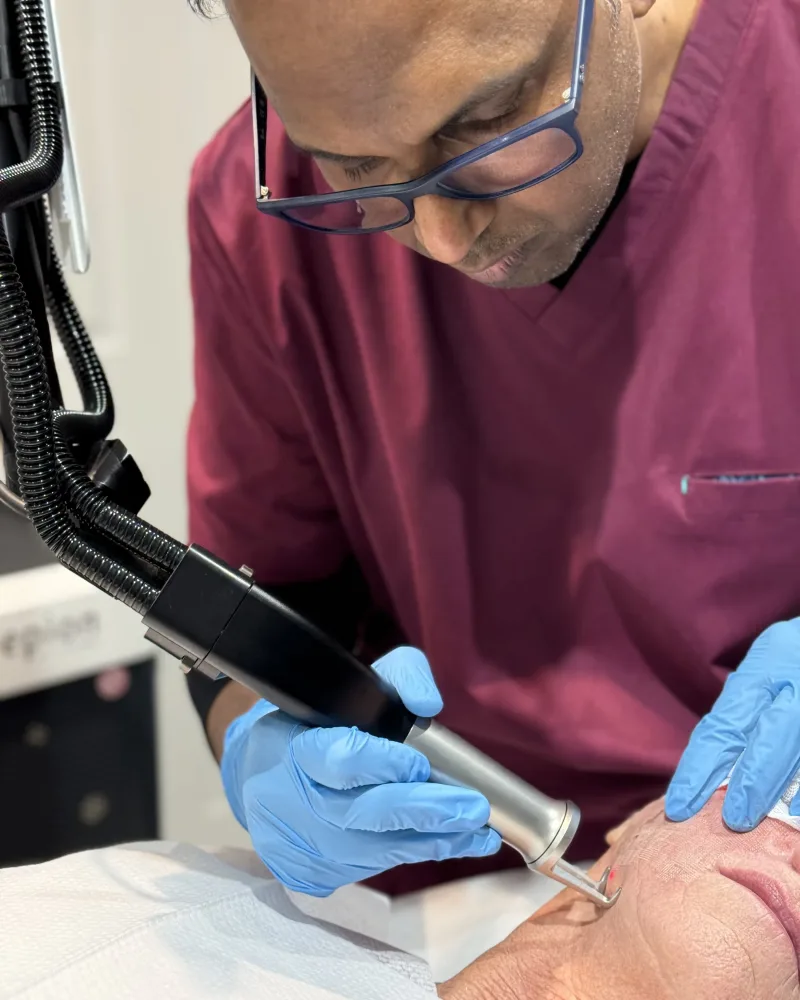
Cool Laser Skin Resurfacing
From the same CoolLaser family — refines texture and is an option for clustered or recurrent milia alongside skin renewal.
Learn more →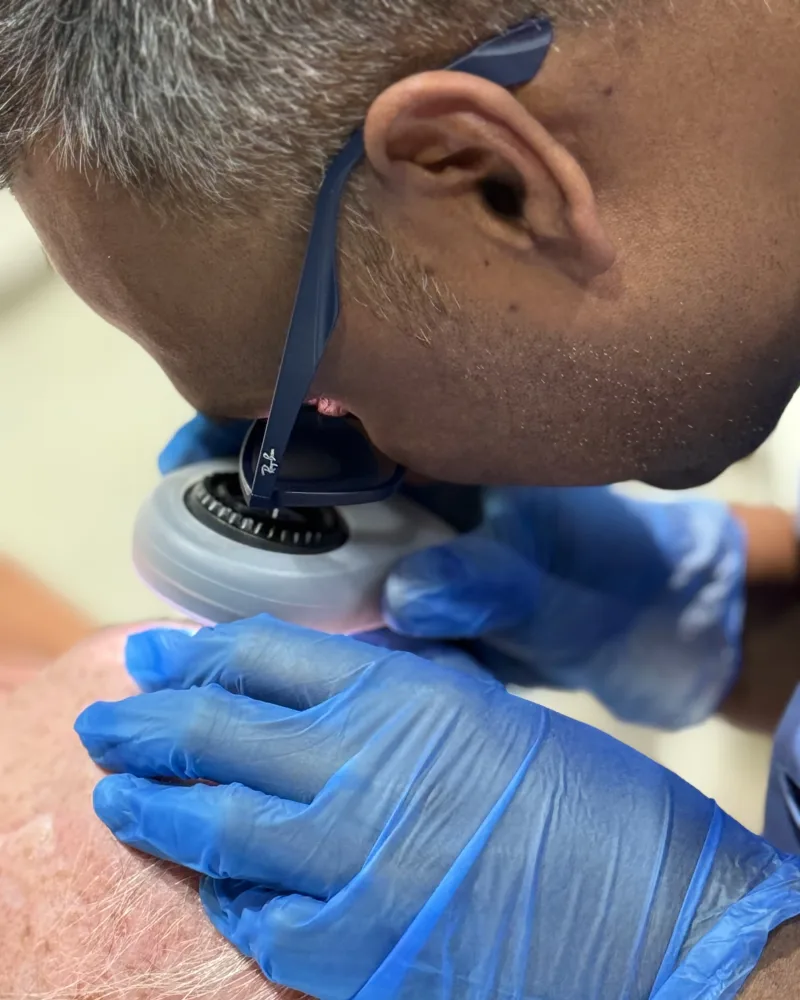
Skin Tag Removal
Another benign-lesion concern — doctor-assessed, laser-removed skin tags, including the eyelid area.
Learn more →View all dermatology in Bedford at Rejuvena → | Mole removal in Bedford →
Verified Google reviews
What our patients say
5.0from 161 Google reviews
I recently had a lesion removed from my cheek. The pigmented lesion had bothered me for years. I’m glad I finally decided to do something about it. I was quite nervous on the day, but Dr. Nick and Lana were so careful and reassuring — they really put me at ease. The procedure was quick and comfortable, and I feel so much better for having it done. I did a lot of research before I chose this clinic for my treatment. The clinic’s medical dermatology focus made me feel confident I would be in the right hands. I’m really grateful for the care I received and I would definitely recommend this clinic.
Rejuvena repliedThank you so much for your skin review Dupinder 🙏
Read this review on Google (opens in a new tab)I had lots of skin lesions on both hands and Dr Nick and Lana have been great treating me.I will definitely be returning for any future treatments and highly recommend seeing Dr Nick.Great service and facilities thanks again.
Rejuvena repliedAww! Thank you Gavin for your kind review. It was a great pleasure having you in our clinic and we look forward to seeing you in the future too. 😊🙏
Read this review on Google (opens in a new tab)Excellent experience with Dr Nick, I was really put at ease and everything was explained fully before treatment, the aftercare was exemplary and I’m so pleased with the results. I would not hesitate to use again and have recommended to friends. Results shown are after 4.5 weeks
Rejuvena repliedThank you very much for your valuable feedback Leanne. Very happy to hear you are pleased with the results 😊🙏🤗
Read this review on Google (opens in a new tab)Lana is lovely, very friendly and welcoming, amazing treatments in a beautiful space xx
Rejuvena repliedThank you very much Erin for your kind review ☺️🙏
Read this review on Google (opens in a new tab)A Friendly, warm welcome as usual. Clinic is spotlessly clean. Great to know you're in the hands of a true professional.
Rejuvena repliedThank you very much Pete 🤗🙏
Read this review on Google (opens in a new tab)Dr Nick and Lana made me feel welcomed and comfortable in their care. I would highly recommend for their wealth of knowledge, kindness, skill and gentle hands.
Rejuvena repliedThank you Silvana for your kind review, glad to hear, you felt well taken care of. ☺️🙏🤗
Read this review on Google (opens in a new tab)Every review above is published on Google. Tap any card to read it there.
Frequently asked questions — milia removal in Bedford
What exactly are milia (milk spots) and what causes them?
Will milia go away on their own, or do they need removing?
Can you safely remove milia around or under the eyes?
Does milia removal hurt, and is there any downtime?
What’s the difference between milia and whiteheads?
How is milia removed in clinic — extraction or laser?
Can milia come back after removal, and how do I prevent it?
How much does milia removal cost in Bedford?
Why shouldn’t I try to squeeze or pop milia at home?
Book milia removal in Bedford
Have your milk spots assessed and gently removed by a doctor. Speak with Dr Nick’s team at Rejuvena Bedford — book online or call us.