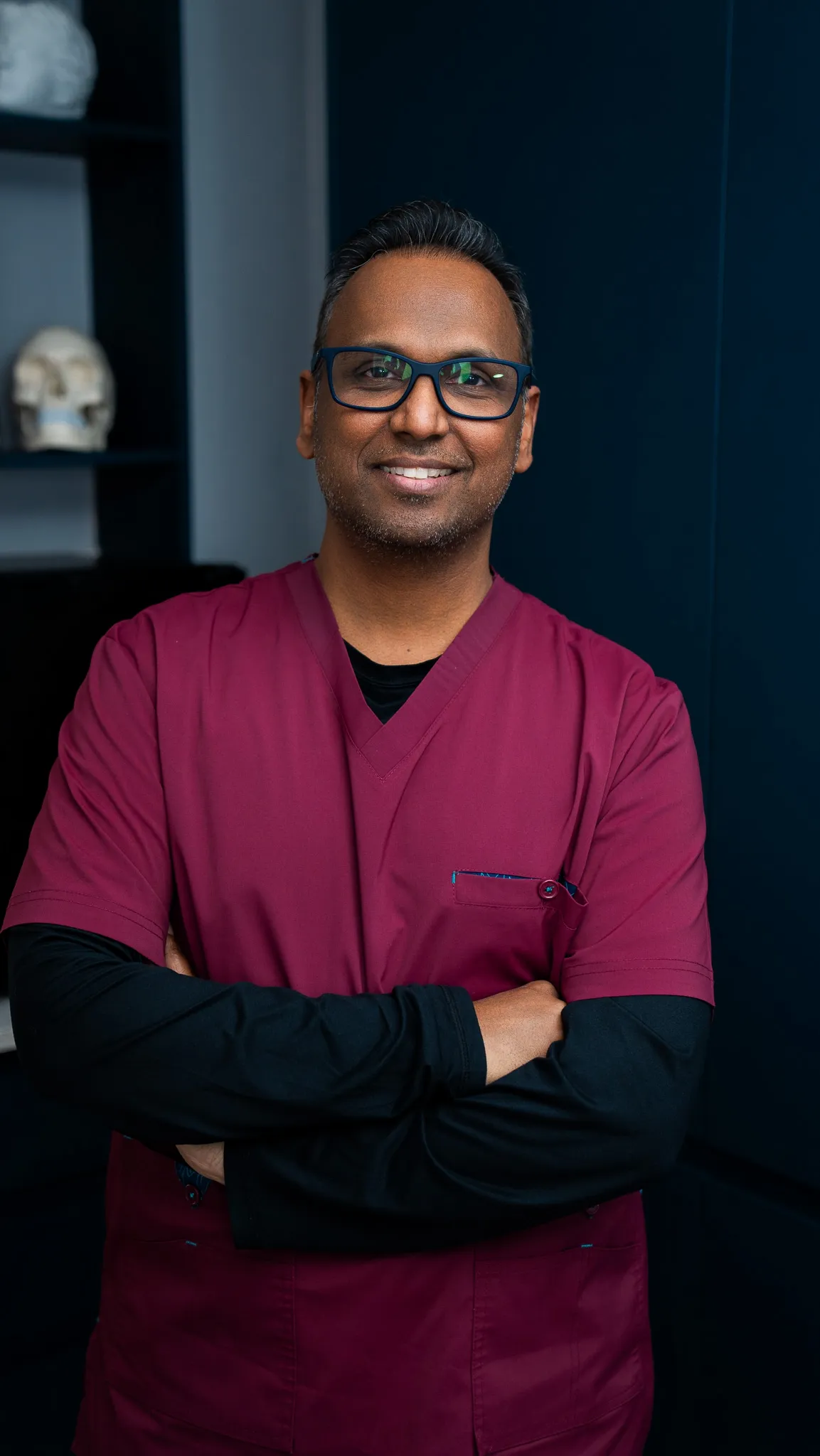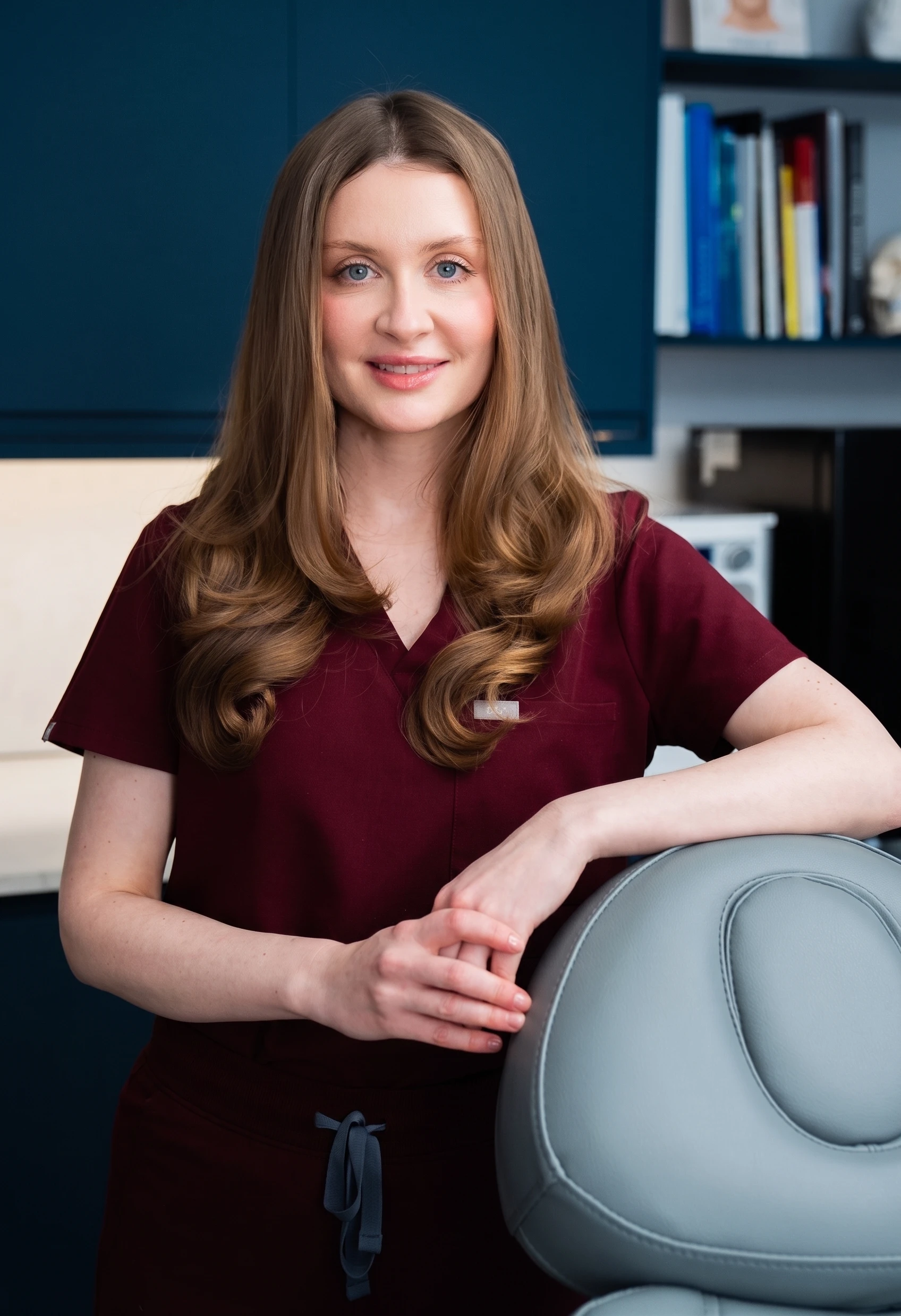
Doctor-led nano fat transfer in Bedford
SEFFILLER® is an advanced, small-volume facial fat-transfer treatment that uses a carefully collected amount of your own adipose tissue to restore selected facial contours and support improvements in skin quality. Unlike a manufactured dermal filler, the treatment uses tissue taken from your own body and prepared for transfer during the same appointment.
- Doctor-led treatment
- Uses your own tissue
- Local anaesthetic
- Personalised facial assessment

SEFFILLER® is a small-volume facial fat-transfer treatment that uses adipose tissue collected from your own body. The tissue is carefully prepared and transferred to selected areas of the face to restore natural-looking contours and support improvements in skin quality.
Every treatment begins with a doctor-led consultation and facial assessment to determine whether SEFFILLER is appropriate for your anatomy and desired outcome.
What is SEFFILLER® nano-fat transfer?
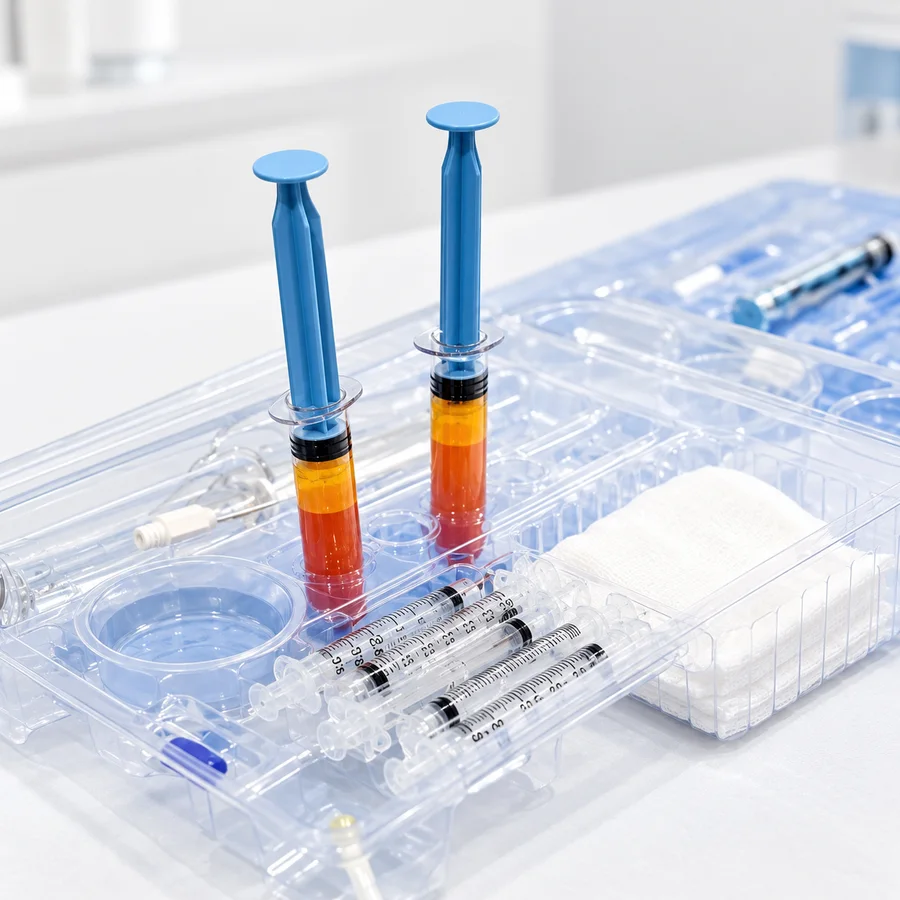
SEFFILLER is a specialist medical-device system developed for the guided harvesting, preparation and transfer of small amounts of autologous adipose tissue.
Using local anaesthetic, tissue is collected from a suitable donor area (usually front of the abdomen or lateral thigh) through a small entry point. The SEFFILLER guide helps control the superficial harvesting plane, while its dedicated cannula allows a relatively small amount of tissue to be collected manually without conventional powered liposuction equipment.
The harvested tissue is then prepared and carefully transferred into selected areas of the face during the same treatment.
Adipose tissue contains more than mature fat cells. It also contains a supporting extracellular matrix and a naturally occurring stromal-vascular component. Together, these make autologous adipose tissue of interest for both soft-tissue support and facial tissue quality.
SEFFILLER does not involve laboratory-grown or cultured cells. It uses your own freshly collected tissue, with no donor material added.
Your own tissue
A small amount of adipose tissue is collected from a suitable donor area and transferred back to you.
Small-volume harvest
The SEFFILLER system enables a guided, manual harvest without conventional powered liposuction equipment.
Targeted facial treatment
The prepared tissue is carefully placed into selected facial areas according to your anatomy and treatment goals.
Inside a real nano fat transfer treatment
Follow three visible stages of a SEFFILLER® nano fat transfer at Rejuvena Clinic in Bedford—from small-volume donor-site collection and tissue preparation to careful facial transfer. Every treatment is assessed, planned and performed by Dr Nick; this sequence is edited for clarity and individual procedures vary.
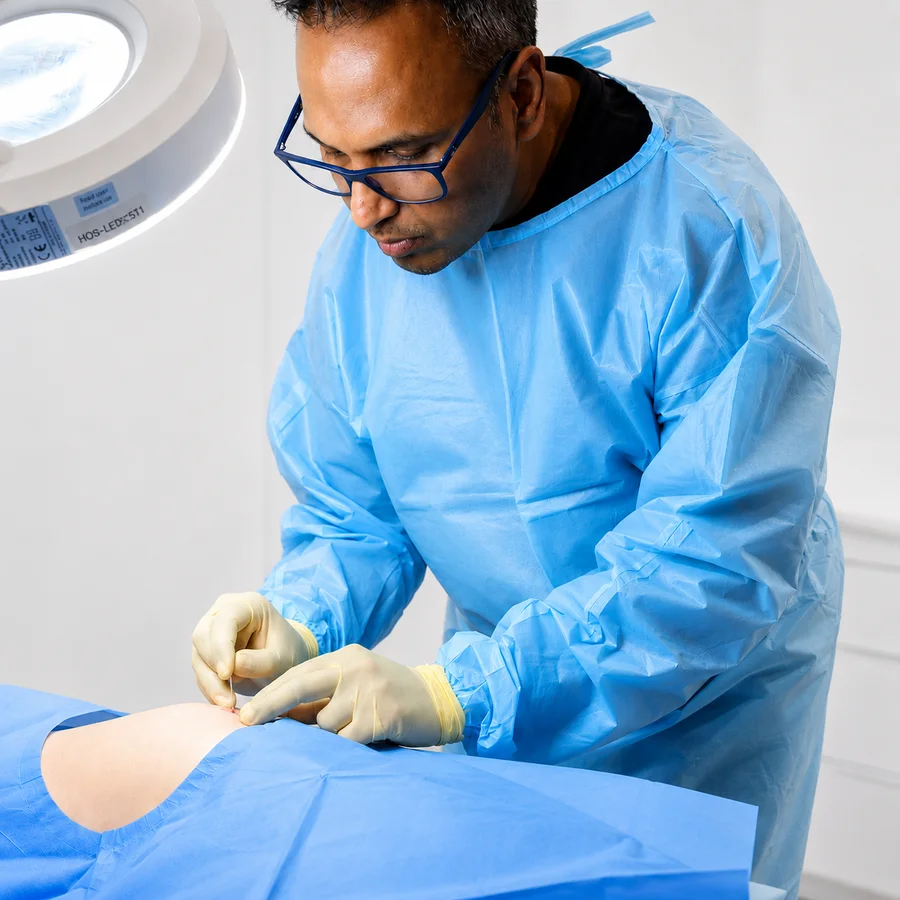
01 · Collection
After local anaesthetic, Dr Nick manually collects a small amount of adipose tissue from a suitable donor area.
02 · Preparation
The collected tissue is prepared during the same appointment using the selected SEFFILLER protocol.
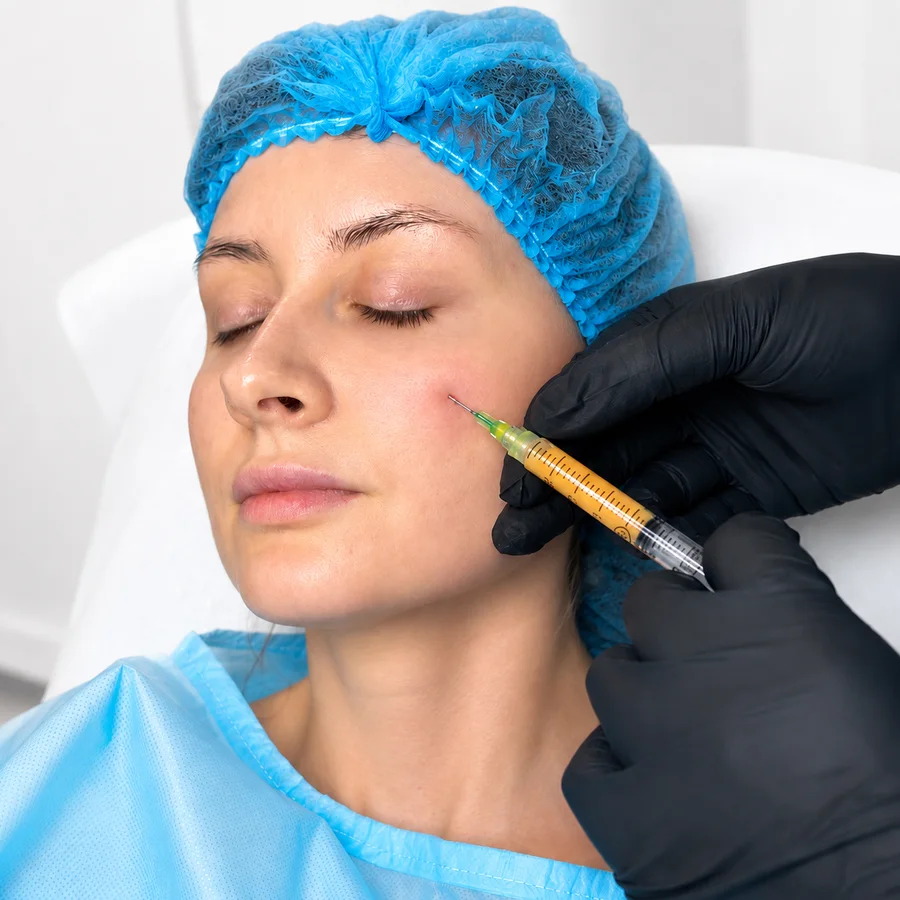
03 · Facial transfer
The prepared tissue is transferred in small amounts to the facial areas selected during treatment planning.
Watch a real nano fat transfer procedure
Silent, edited footage showing collection, preparation and facial transfer at Rejuvena Clinic in Bedford. The clip documents a procedure, not a guaranteed result; treatment and recovery vary.
A real clinical sequence edited for clarity and shown without audio.
What can SEFFILLER® help improve?
SEFFILLER® may be considered for selected areas affected by age-related volume loss, changes in facial contour or declining skin quality. Treatment is tailored to your individual anatomy following a consultation and assessment with Dr Nick.
 Illustrative
Temple hollows
Age-related volume loss at the temples can make the upper face appear narrower or more angular. Carefully placed autologous tissue may help restore softer, more balanced contours.
 Illustrative
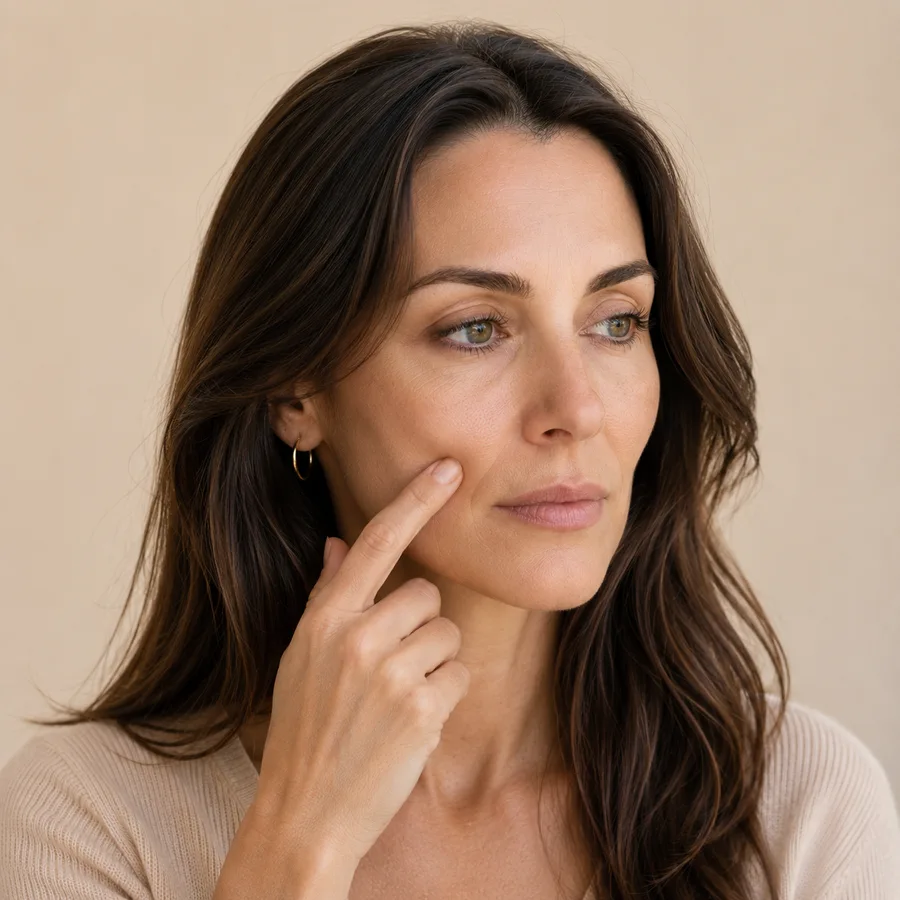
Mid-face volume loss
Loss of soft-tissue support through the cheeks and mid-face can contribute to flattening, shadowing and changes in facial proportions.
 Illustrative
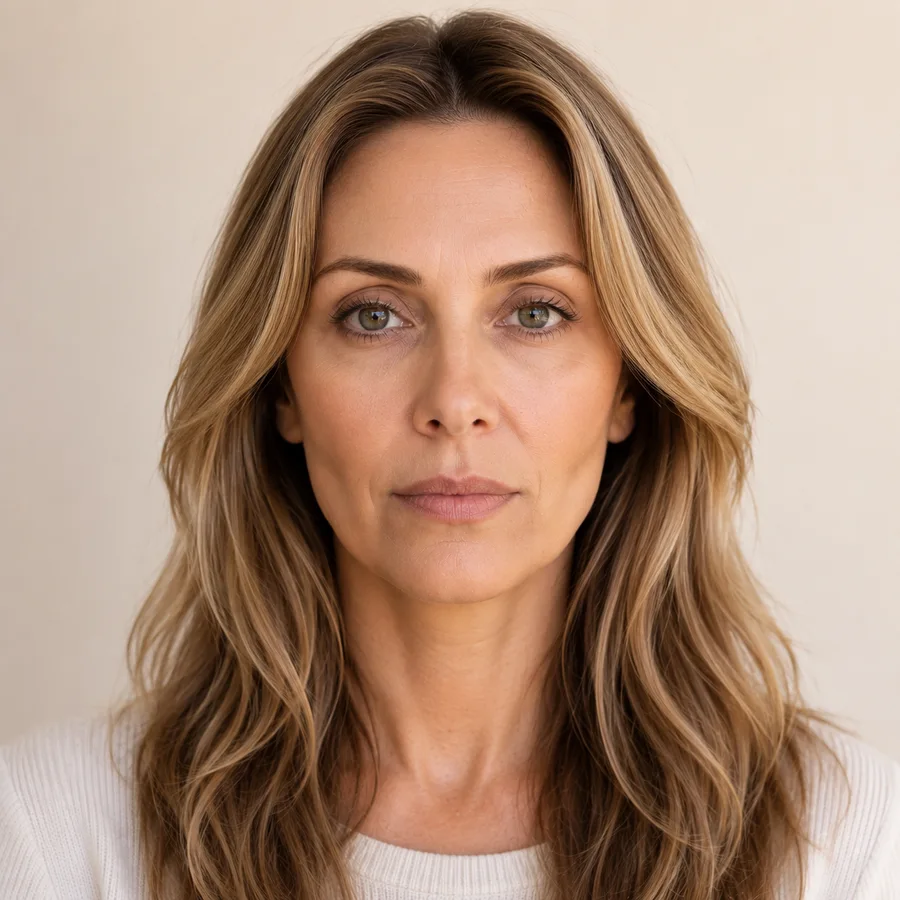
Under-eye hollowing
In appropriately selected patients, treatment may help soften the transition between the lower eyelid and cheek, commonly referred as 'tear troughs'. Under-eye bags, fluid retention and significant skin laxity require a different approach and may not be suitable for fat transfer.
 Illustrative
Lower-face shadowing
Selected areas of volume loss around the mouth and lower face may be treated where restoring soft-tissue support could improve overall facial balance.
 Illustrative
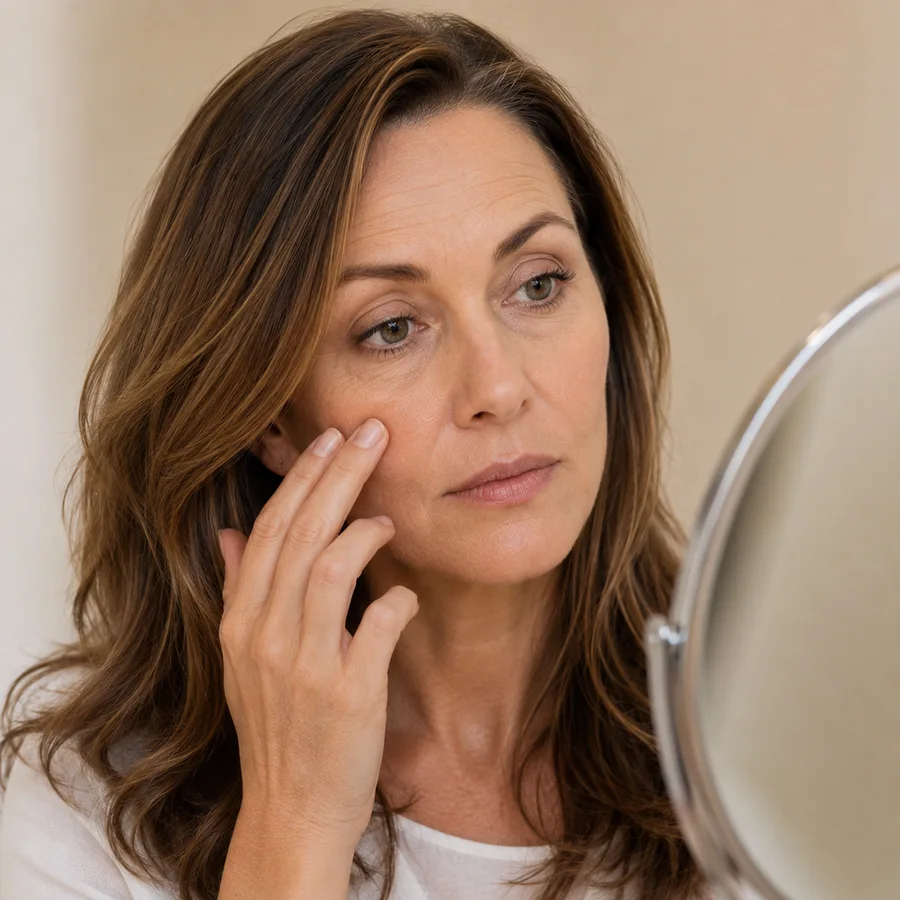
Fine lines and crepey skin
The tissue-quality component of treatment may support gradual improvement in fine lines, texture and the appearance of thin or crepey facial skin.
 Illustrative
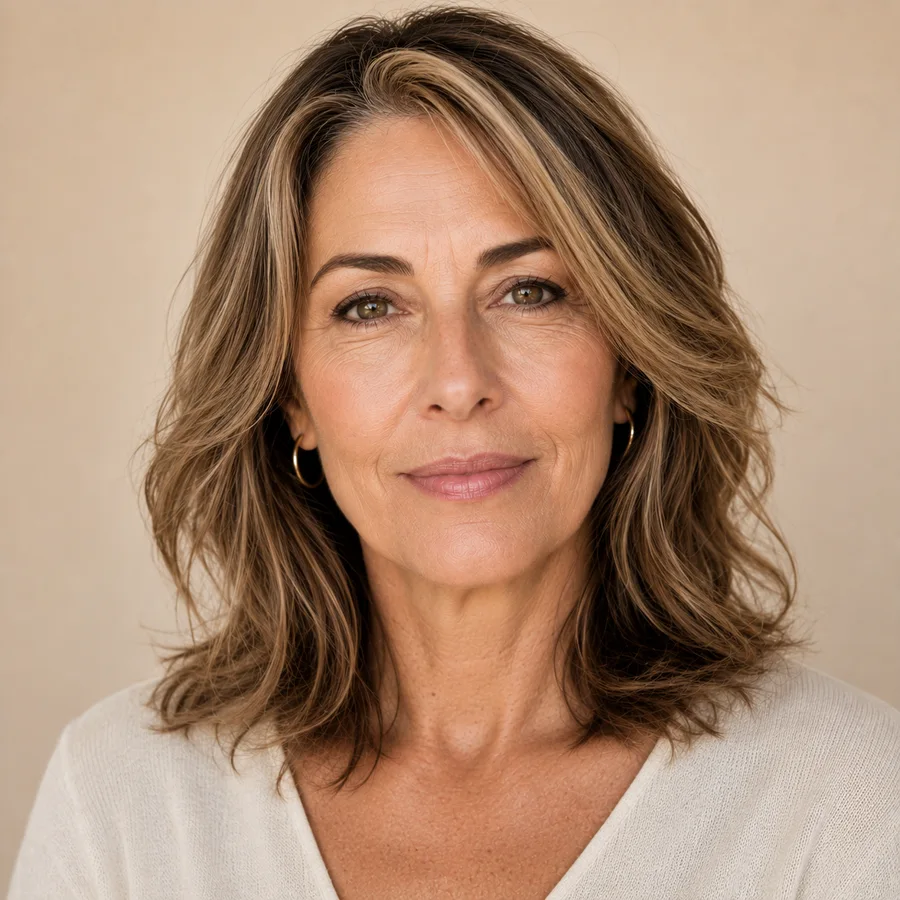
Overall facial rejuvenation
Several areas can sometimes be treated together to restore balance without making the face look excessively full or noticeably "filled."
SEFFILLER is not intended to change your identity or make every area of the face fuller. The objective is to identify where volume has genuinely been lost and restore it conservatively, while respecting your natural facial structure.
Is SEFFILLER the same as nano fat transfer?
No. Although “nano fat transfer” is often used as a general search term, SEFFILLER® is a multi-layer adipose-tissue platform rather than a single form of nanofat treatment.
A small amount of your own adipose tissue is collected and then mechanically prepared to achieve different levels of particle size and fluidity. This allows the tissue to be adapted to the anatomical layer being treated and the intended outcome. The SEFFILLER protocol distinguishes between three preparations:
MicroSEFFILLER
MicroSEFFILLER is primarily used in deeper facial compartments where structural support, projection or volume restoration is required.
- Primary aim Deeper structural support, facial contour restoration and volume
NanoSEFFILLER
NanoSEFFILLER is a finer preparation intended for more superficial compartments, combining soft contour enhancement with support for tissue quality.
- Primary aim Soft superficial volumisation, contour blending and tissue-quality improvement
SuperNanoSEFFILLER
SuperNanoSEFFILLER is the most fluid preparation and is intended for superficial skin treatment, where the principal aim is to improve texture, fine lines and overall skin quality rather than provide volume.
- Primary aim Skin quality, texture, fine lines and superficial rejuvenation
Depending on your facial anatomy and treatment goals, Dr Nick may recommend one preparation or a combination of preparations for different layers of the face. He will explain what the treatment is intended to achieve in your individual case during your consultation.
Alternatives to facial fat transfer at our Bedford clinic
If your main concern is the under-eye area, crepey skin, fine lines or overall skin quality, and you do not want invasive surgical treatments, then you may be suitable for a non-surgical treatment with Seffiller.
Rejuvena offers a range of doctor-led injectable and device-based treatments with outcomes that may overlap with some of the aims of SEFFILLER®, although each treatment works differently and cannot be considered a direct substitute.
Following an assessment, Dr Nick will explain whether SEFFILLER or another treatment is better suited to your facial anatomy, concerns and desired outcome.
Polynucleotides
Injectable, DNA-derived bio-stimulators that are a strong choice for the under-eye area and crepey skin — improving texture and resilience over a short course. Learn more about polynucleotides.
Profhilo & bio-remodelling
An injectable hyaluronic-acid bio-remodeller that hydrates and improves skin quality and laxity with no fat harvest. See our Profhilo skin-quality treatment.
PRP / PRF
Platelet-rich plasma uses your own blood-derived growth factors to support skin renewal — autologous, like nanofat, but without surgery. Explore PRP.
Dermal fillers
Where genuine tear-trough volume is the issue, a precise, reversible hyaluronic-acid filler can restore it predictably. See dermal fillers.
How is SEFFILLER® facial fat transfer performed?
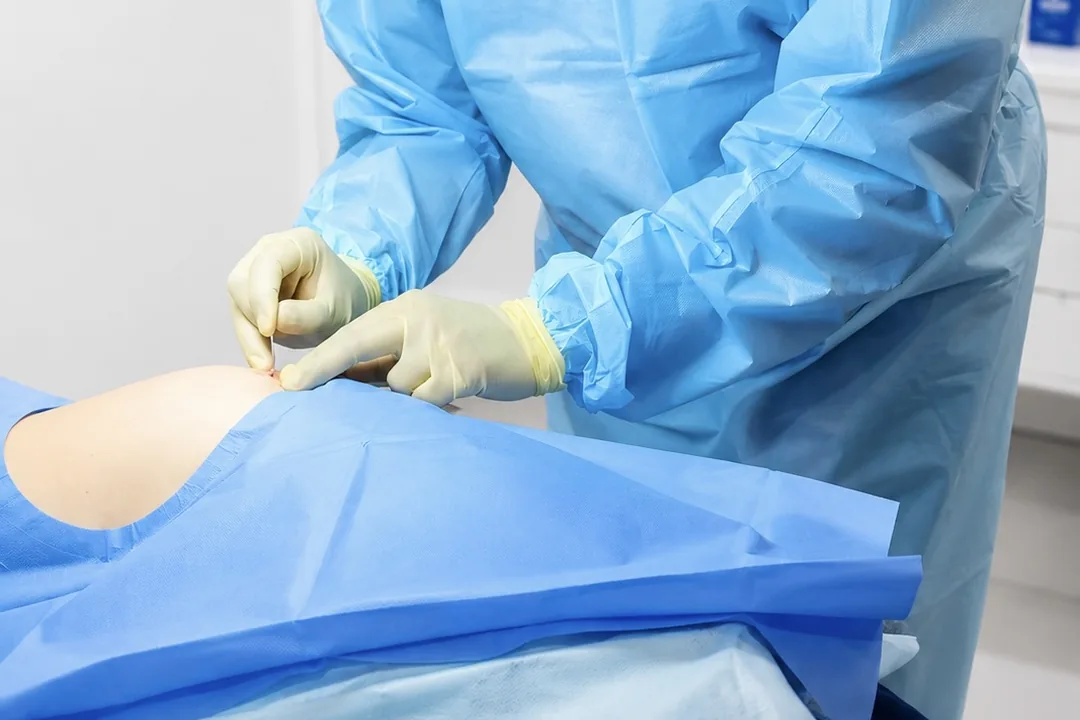
Consultation and facial assessment
Dr Nick will assess your facial anatomy, pattern of volume loss, skin quality and desired outcome. Your medical history, medications and potential donor areas will also be reviewed.
Fat transfer is not automatically suitable for every hollow or facial shadow. Where another treatment is likely to provide a safer or more predictable result, this will be explained honestly.
Treatment planning
The donor area and facial treatment areas are agreed with you. The anticipated benefits, limitations, recovery, alternatives and potential risks are discussed before you consent to treatment.
Local anaesthetic
Local anaesthetic is used to make the donor area comfortable. A suitable donor site is selected according to your anatomy and the availability of superficial adipose tissue.
Guided tissue harvest
A small amount of adipose tissue is collected manually using the SEFFILLER guide, dedicated cannula and syringe. This is performed through a small entry point without a powered liposuction machine.
The purpose is to obtain enough suitable tissue for the planned facial treatment — not to reduce or reshape the donor area.
Tissue preparation
The harvested tissue is prepared during the same appointment according to the SEFFILLER protocol. No donor tissue or manufactured dermal-filler gel is added.
Careful facial transfer
The prepared tissue is placed into the selected facial areas using controlled amounts and an appropriate anatomical plane. Treatment is deliberately conservative because the transferred tissue cannot be dissolved in the way that hyaluronic-acid filler can.
Aftercare and review
You will receive aftercare instructions for both the donor and facial treatment areas. A follow-up assessment allows Dr Nick to review healing and the developing result after the early swelling has settled.
What results can I expect from SEFFILLER®?
An initial change in facial volume may be visible immediately, although swelling can temporarily influence the early appearance. The result should therefore not be judged in the first few days.
During the healing process, some transferred tissue will be naturally reabsorbed. The tissue that successfully establishes a blood supply may become integrated within the treated area and provide a long-lasting correction.
The outcome becomes clearer as swelling subsides and the transferred tissue settles. Where improvement in tissue quality is part of the treatment goal, changes may develop more gradually over the following weeks and months.
Fat retention varies between individuals and cannot be predicted precisely. The result is influenced by factors including the treatment area, technique, healing response, general health, smoking, weight stability and aftercare.
Some patients achieve their desired outcome following one treatment. Others may benefit from a further procedure after the initial result has fully settled.
Initial change
Visible immediately, although early swelling affects the appearance.
Settling period
Facial contours become clearer as swelling subsides and the tissue integrates.
Skin quality
Potential improvements develop progressively over the following weeks and months.
Longevity
Successfully integrated tissue may provide long-lasting correction, but results vary.
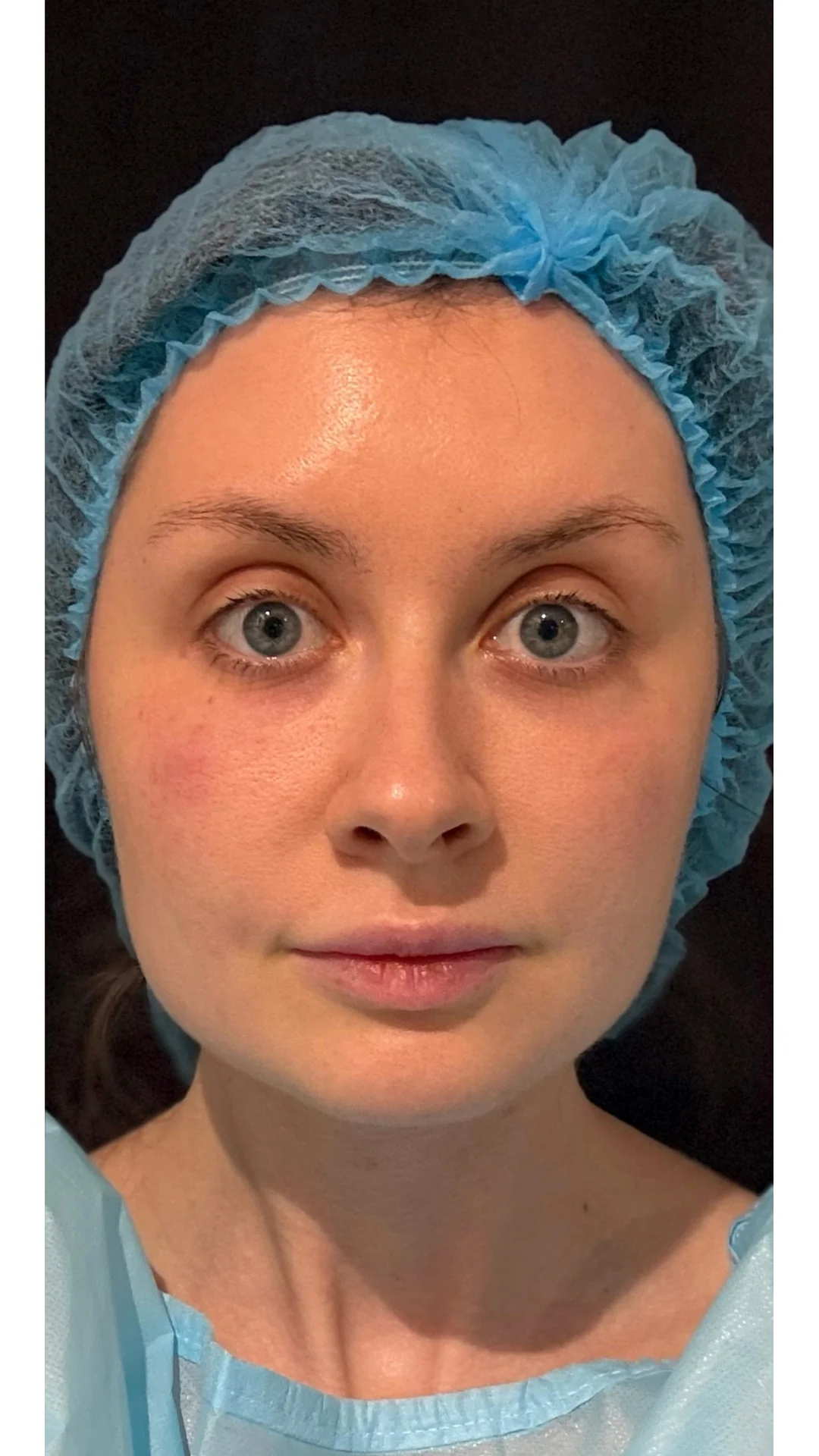
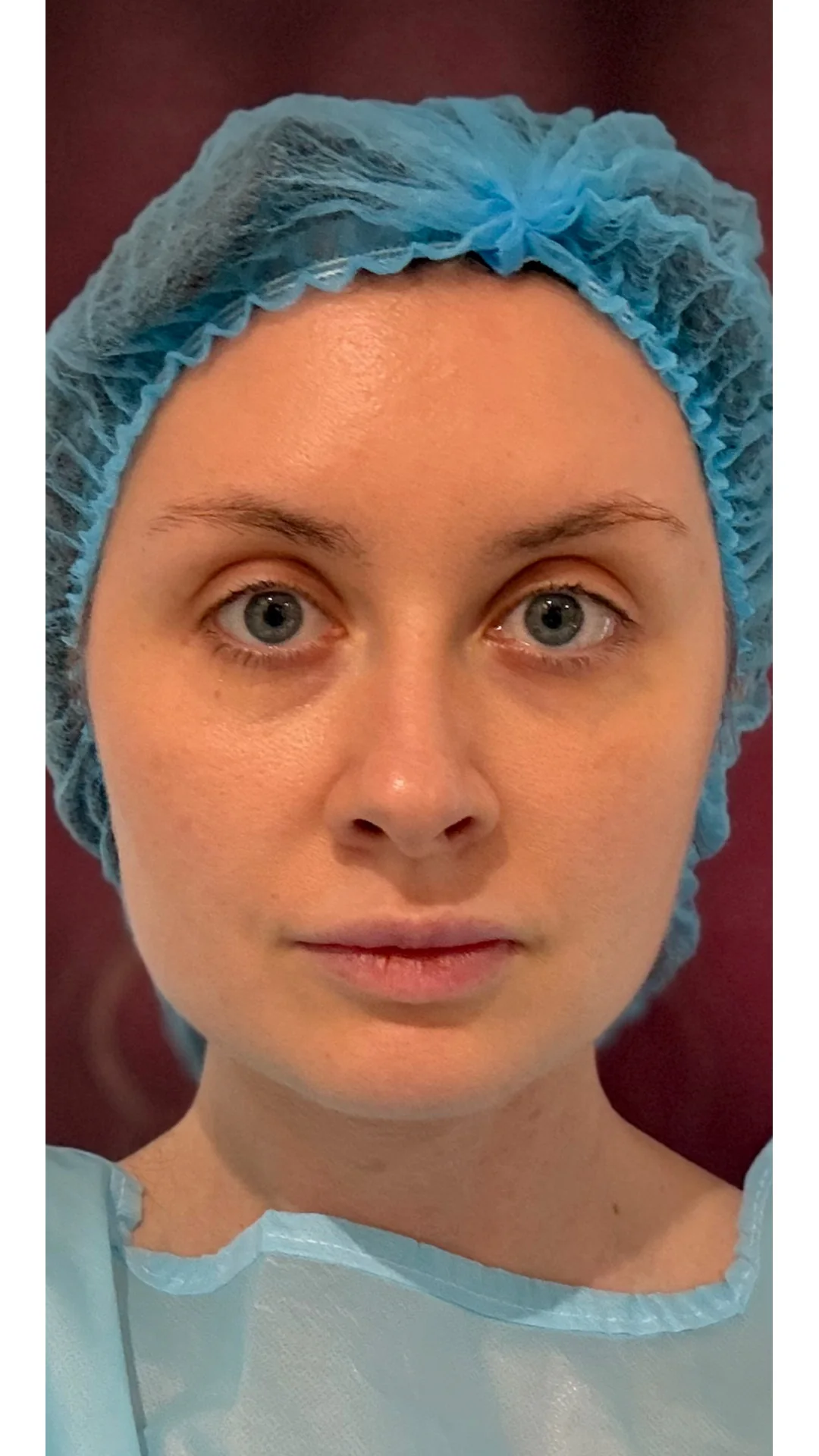
Nano fat transfer — clinical before and after examples
Real clinical examples from Rejuvena’s gallery. Suitability, recovery and alternatives require an individual consultation; results vary.
Three-quarter facial view
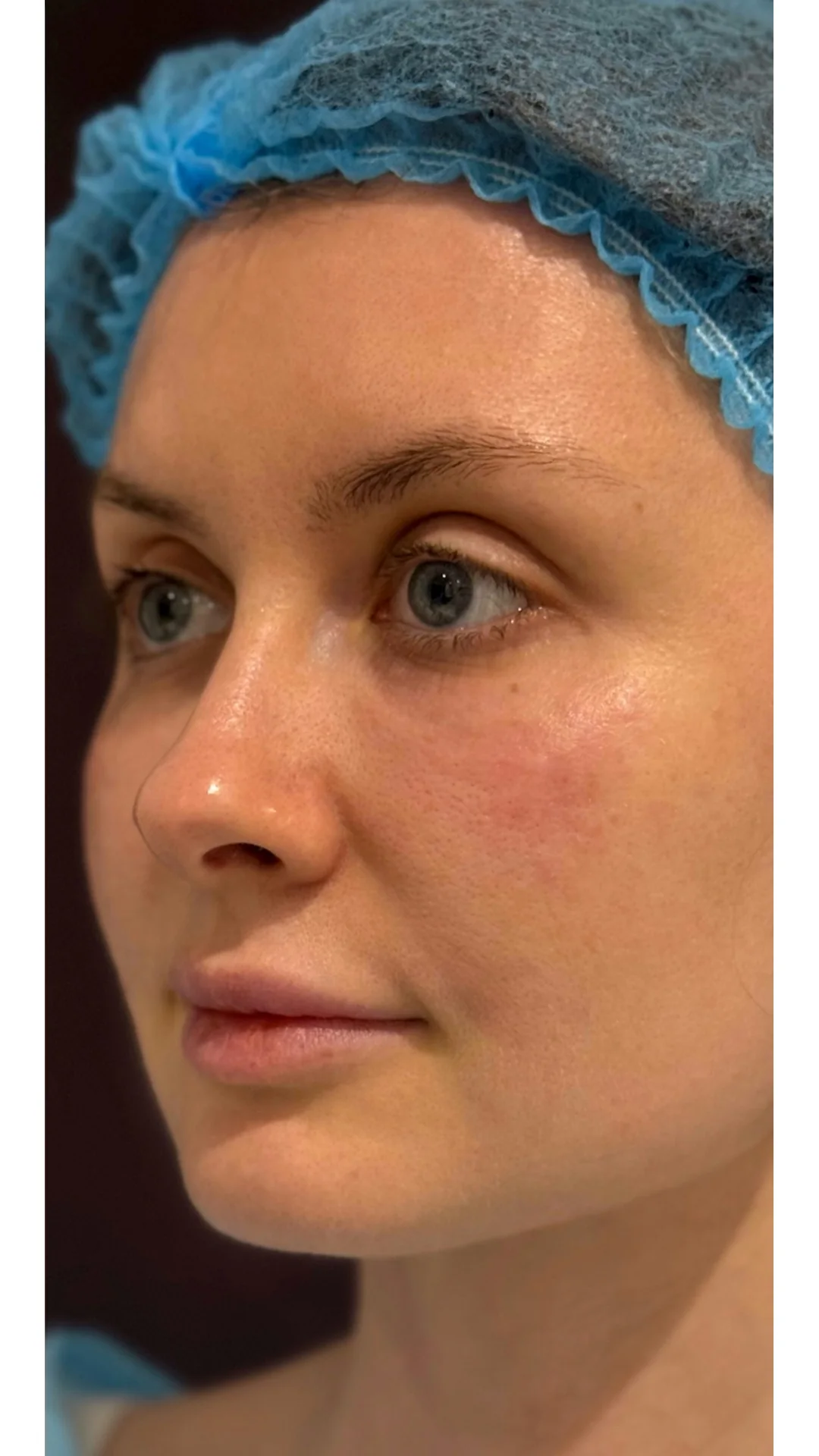
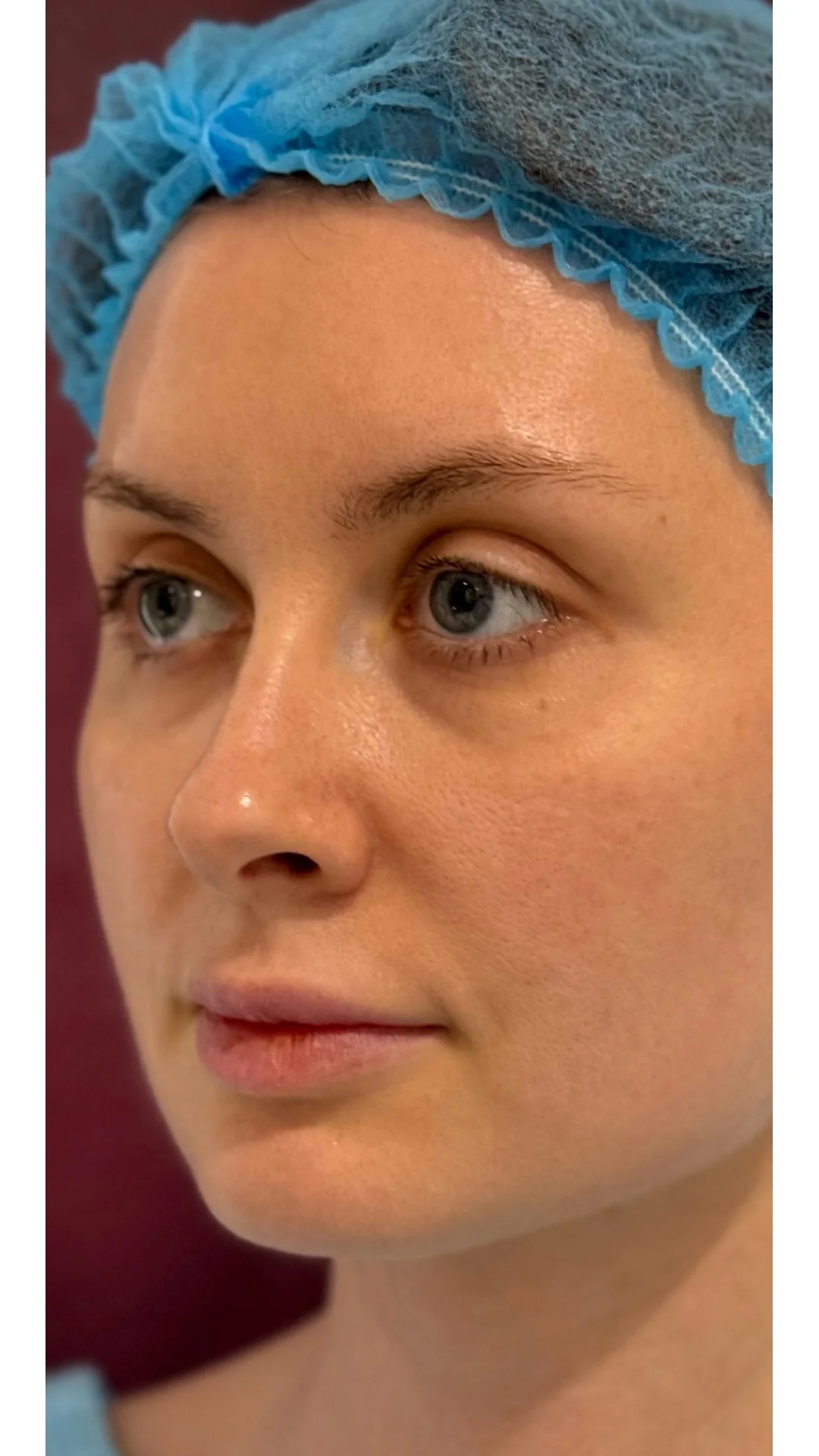 AfterBefore
Front facial view
 AfterBefore
Who is — and isn’t — suitable for SEFFILLER®?
May be suitable
SEFFILLER may be considered for adults who:
- Are in good general health
- Have selected areas of age-related facial volume loss
- Want to explore treatment using their own adipose tissue
- Have sufficient suitable tissue at a potential donor area
- Understand that tissue retention varies
- Accept recovery at both the donor and treatment sites
- Have realistic expectations about the degree of correction
May not be suitable
Treatment may not be appropriate for patients who:
- Are pregnant or breastfeeding
- Have an active infection at the donor or facial treatment area
- Have certain uncontrolled medical conditions
- Have a significant bleeding or clotting disorder
- Have insufficient suitable donor tissue
- Have impaired wound healing
- Require a surgical lift rather than volume restoration
- Expect a guaranteed or precisely measurable result
Smoking and nicotine use can adversely affect healing and the survival of transferred tissue. Medications that affect bleeding also require individual assessment. You should never stop prescribed medication without advice from the clinician responsible for it.
Possible side effects and risks
No fat-transfer or injectable procedure is completely risk-free. Dr Nick will explain the expected effects, potential complications and available alternatives before you decide whether to proceed.
Common and expected effects
- Swelling
- Bruising
- Tenderness or discomfort
- Redness
- Temporary firmness or lumpiness
- Temporary asymmetry caused by swelling
- Small entry-point marks
Less-common complications
- Infection
- Prolonged swelling
- Persistent nodules or irregularity
- Under-correction or over-correction
- Asymmetry
- Uneven contour
- Skin discolouration
- Fat necrosis or oil-cyst formation
- Scarring
- Altered sensation
- Partial or substantial reabsorption
- Unsatisfactory cosmetic outcome
- Need for further or corrective treatment
Rare but serious risks
As with other facial injections and fat-transfer procedures, inadvertent entry into or interruption of a blood vessel can result in injury to the skin and surrounding tissue. In exceptionally rare circumstances, facial injections have been associated with visual complications.
Careful anatomical knowledge, conservative technique and appropriate management protocols are therefore essential. Dr Nick will discuss the relevant risks with you before treatment, and you will have an opportunity to ask questions before providing consent.
Risks & side-effects you must know
No procedure is risk-free. We explain every risk before you consent — and we never overstate outcomes.
Common, less-common & rare risks
Common & expected: bruising, swelling and tenderness at both donor and treated sites; temporary lumpiness or firmness that settles over weeks.
Less common: infection, asymmetry, contour irregularity, over- or under-correction, oil-cyst formation if a graft fails to survive (occasionally needing aspiration), skin discolouration, and partial reabsorption requiring a top-up.
Rare but serious: facial fat grafting carries a rare risk of fat embolism, which can cause vision loss or tissue damage. This risk is associated with larger-volume injection and certain sites, which is precisely why operator experience, small aliquots and low-pressure technique matter — and why this is a doctor-assessed, surgically-delivered procedure, not a casual treatment.
- Aftercare Keep sites clean; avoid pressure, heat, alcohol & smoking as advised
- Swelling Typically 1–2 weeks
- Review Final assessment / top-up at ~3 months for volume work
The cost of SEFFILLER depends on the facial areas being treated, the amount of tissue required and whether a further treatment is likely to be needed.
Your consultation includes an assessment of your facial anatomy, donor area and treatment goals. You will receive a clear treatment plan and full quotation before deciding whether to proceed.
Why choose Rejuvena for SEFFILLER®?
Doctor-led assessment and treatment
SEFFILLER consultations and procedures are led by Dr Nick, Rejuvena’s Medical Director and a GMC-registered doctor with experience across general practice, dermatology and aesthetic medicine.
Careful facial analysis
Treatment is planned around your individual facial anatomy rather than following a standard injection pattern. The objective is to restore balance while preserving your natural features.
Conservative treatment
Transferred adipose tissue cannot be dissolved with hyaluronidase. Careful patient selection, precise planning and conservative placement are therefore particularly important.
A choice of treatment options
Rejuvena offers autologous treatments, dermal fillers, collagen-stimulating injectables and advanced skin treatments. This allows us to recommend the treatment that genuinely suits your concern rather than applying one procedure to every patient.
Follow-up and clinical support
Every patient receives written aftercare and access to clinical advice following treatment, with follow-up arranged according to the individual treatment plan.
Local Bedford clinic
Rejuvena welcomes patients from Bedford, Kempston, Biddenham, Bromham, Great Denham, Wootton, Ampthill, Flitwick, Milton Keynes and across Bedfordshire.
Related treatments at Rejuvena Bedford
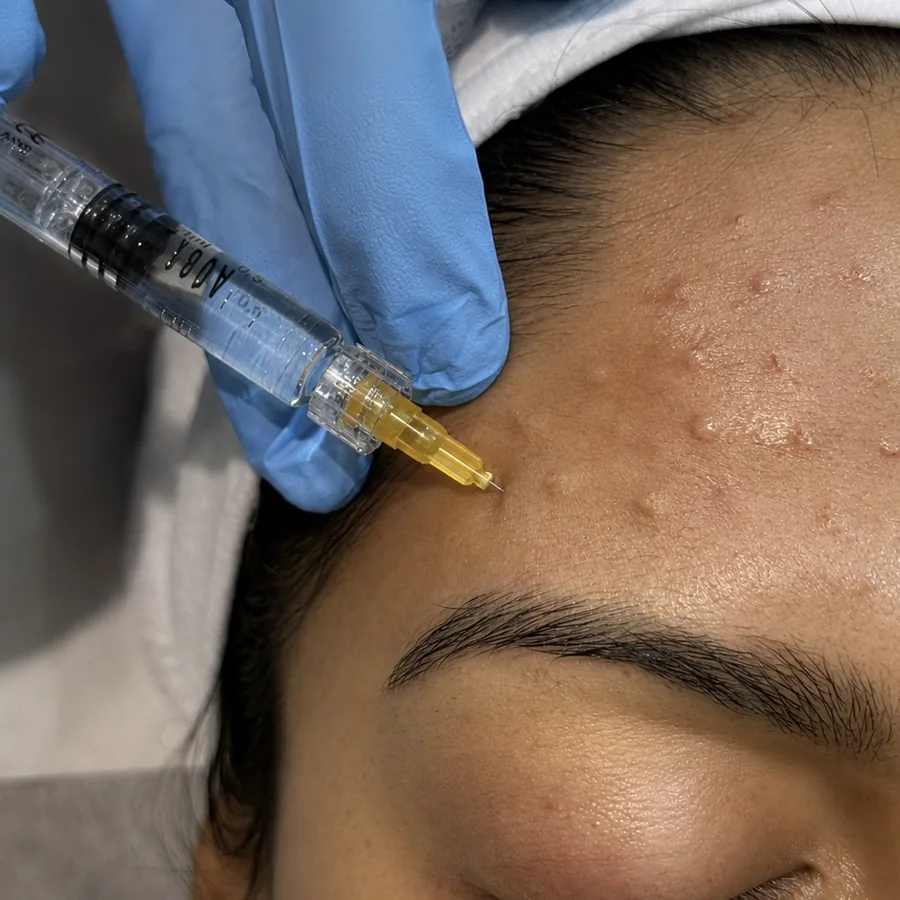
Polynucleotides
DNA-derived bio-stimulation for under-eyes and crepey skin — our strongest non-surgical alternative.
Learn more →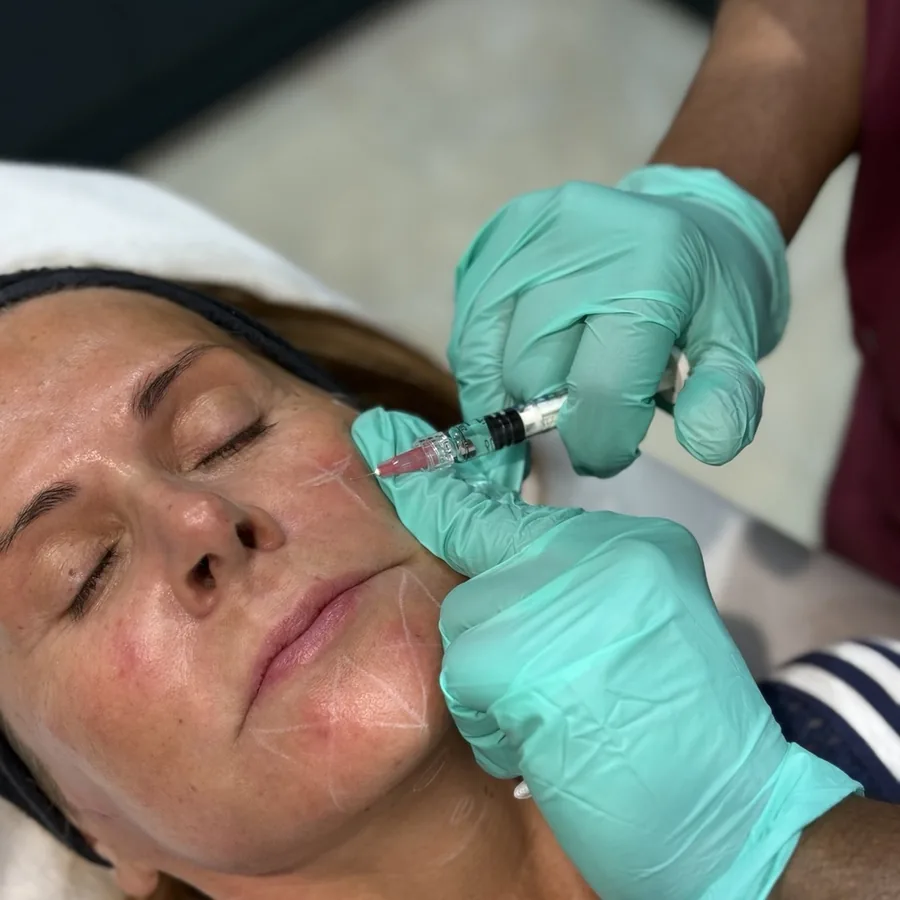
Profhilo
Injectable HA bio-remodelling for skin quality, hydration and laxity — no fat harvest needed.
Learn more →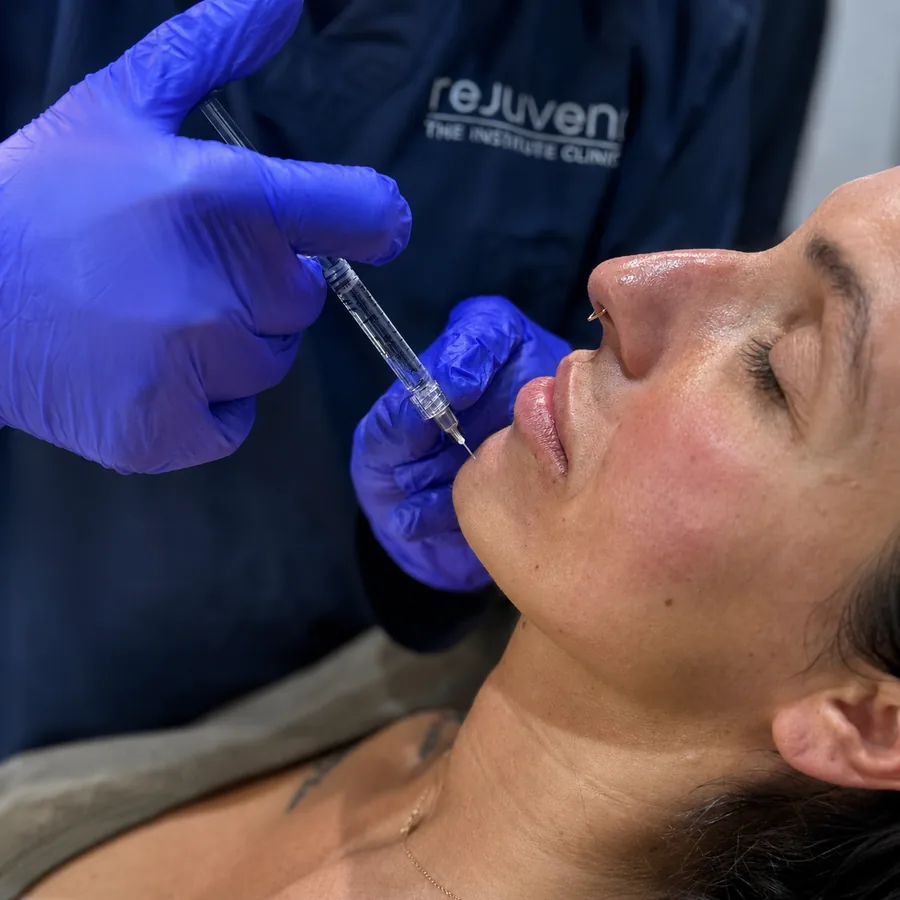
Dermal Fillers
Precise, reversible HA volume for tear-trough hollows where genuine volume is the issue.
Learn more →Verified Google reviews
What our patients say
5.0from 161 Google reviews
Very pleased with result. Wanted lip filler without the obvious, overdone look and that’s what I got. I was kept informed throughout and made to feel at ease by Lana and Dr Nick.
Rejuvena repliedThank you very much for your feedback. We are so glad to hear that you like the results from your lip filler treatment. ☺️🙏
Read this review on Google (opens in a new tab)I’ve had filler on a few occasions over the years with various practitioners, the experience at Rejuvena has been the best and the most comfortable! I felt fully briefed on both procedures and Dr Nick demonstrated great attention to detail. I was particularly reassured by the ultrasound carried out to avoid injecting into any veins and vessels around the temple area. Dr Nick contacted me the next day to check how I was, other practitioners I’ve visited have never followed up. I’m really delighted by the whole experience and with the results. I wouldn’t hesitate to recommend.
Rejuvena repliedDear Liz, thank you very much for your kind review. It means a lot to me that you experienced highest standard of care in the clinic. This is genuinely what we strive for here at t
Read this review on Google (opens in a new tab)Had the most amazing experience today with Dr Nick and Lana. Had lip and chin filler, couldn’t be more pleased! I now feel more confident with my new side profile! Fantastic service and very professional! Dr Nick really took the time through the consultation to explain the whole process and went into depth about everything with me which made me feel very comfortable. Would absolutely recommend and can’t thank them enough!
Rejuvena repliedThank you very much for your kind review Tayla. We are very happy to hear that you feel confident and have a good experience with us at the clinic. 😊🙏
Read this review on Google (opens in a new tab)After making some wrong cosmetic decisions over the years, I wanted to prioritise going to somewhere experienced, knowledgeable and skillful and rejuvena clinic is definitely that! I've had filler dissolving and massater Botox with Dr nick, both of which I was very nervous about but they have both gone perfectly. Far better than experiences I've had elsewhere. Looking forward to other treatments in the future. Thank you again
Rejuvena repliedThank you very much for keeping your trust in us Jodie. I am glad to hear you are pleased with your results. Have a wonderful Christmas and New Year. ☺️🙏
Read this review on Google (opens in a new tab)Lana delivered my treatment with her usual calmness and professionalism. She makes everything so seamless! Thank you Lana.
Rejuvena repliedThank you so much for your kind review Joanne! We are looking forward to seeing you again! 🙏☺️
Read this review on Google (opens in a new tab)—Update— Lana is excellent, always thrives to ensure I’m comfortable, and explains everything clearly in steps. I’m pleased to say I’ve booked another package to continue my treatment with Lana. —— Brilliant! I have completed my second laser session, and this is my third time visiting Lana. Every time I go, I’m welcomed and made comfortable. I am looking forward to attending more sessions. Thank you again.
Rejuvena repliedThank you so much Lizzie! Your words mean a lot to us! 🙏
Read this review on Google (opens in a new tab)Every review above is published on Google. Tap any card to read it there.
Frequently asked questions about SEFFILLER® and nano fat transfer
What does autologous fat transfer mean?
Is SEFFILLER the same as conventional nanofat transfer?
What are MicroSEFFILLER, NanoSEFFILLER and SuperNanoSEFFILLER?
- MicroSEFFILLER is primarily intended for deeper structural support and volume restoration.
- NanoSEFFILLER is used more superficially for soft contour enhancement and tissue-quality improvement.
- SuperNanoSEFFILLER is a highly fluid preparation intended principally for superficial skin-quality, texture and fine-line treatment rather than volume.
Is SEFFILLER the same as liposuction?
Is SEFFILLER a stem-cell treatment?
Where is the tissue taken from?
SEFFILLER is not intended to produce a noticeable reduction in the size or shape of the donor area.
Is local anaesthetic used?
How long does the procedure take?
Is SEFFILLER painful?
When will I see the result?
Improvements in skin texture and quality following more superficial treatment are expected to develop more gradually over the following weeks and months.
How long do SEFFILLER results last?
The result will also continue to change with natural ageing, weight fluctuation, lifestyle and other individual factors. Skin-quality improvements cannot be guaranteed to last for a fixed period.
Will all the transferred tissue survive?
The purpose of the highly fluid SuperNanoSEFFILLER preparation is principally superficial skin treatment rather than predictable volume retention.
Can the transferred tissue be dissolved?
Will I need more than one treatment?
The need for additional treatment depends on the treatment objective, the amount of tissue retained and your individual response.
Can SEFFILLER treat under-eye hollowing?
Eye bags, fluid retention, pigmentation, prominent vessels or significant skin laxity will not necessarily improve with fat transfer and may require a different or combined approach.
Can SEFFILLER be used only for volume loss?
Your treatment plan will depend on which facial layers are contributing to your concerns.
Is SEFFILLER better than dermal filler?
Hyaluronic-acid filler usually provides more predictable immediate correction, does not require tissue harvesting and can generally be dissolved if clinically necessary. Dr Nick will explain which option is more appropriate for your anatomy and treatment goals.
What is the recovery time?
The extent of recovery depends on the areas treated, the volume transferred and the individual patient response. You will receive detailed aftercare guidance before leaving the clinic.
How much does SEFFILLER cost?
You will receive an individual treatment plan and complete quotation following your consultation and clinical assessment.
Book a consultation in Bedford
Speak with Dr Nick’s team at Rejuvena Bedford about regenerative skin rejuvenation. We’ll assess your concern honestly and recommend the right path — non-surgical where it suits you, with a referral where it doesn’t.