Freckles: Causes, and the One Thing to Check
What freckles are, why the NHS has no page on them at all, the one distinction that actually matters (winter fading) and when a “freckle” needs a proper look instead of a guess.
Freckles are genetic, sun-driven and completely normal: there isn’t even an NHS page on them, because they need no medical treatment. The one thing worth knowing: a true freckle fades in winter. A spot that doesn’t is a different kind of mark, and deserves a proper look rather than a guess.
What are freckles?
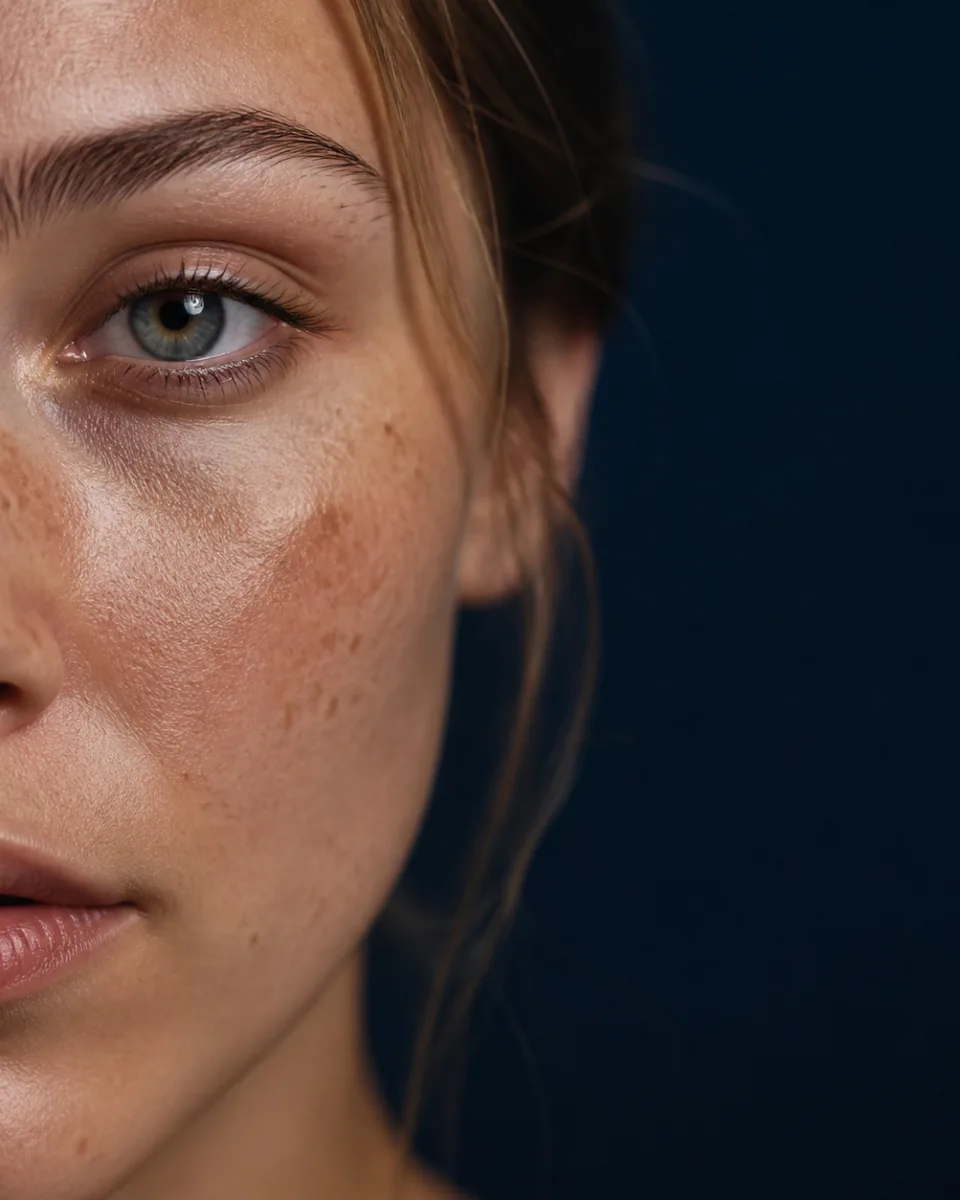
Freckles, known medically as ephelides are small, light-to-dark brown, flat marks caused by “the temporary overproduction of melanin resulting from UV stimulation,” according to UK clinical guidance for GPs (Primary Care Dermatology Society). The important detail is what freckles are not: unlike a mole, a freckle involves “a normal number of melanocytes”: there aren’t more pigment cells, just more pigment on show in the ones you already have.
They are usually less than 3mm across, with poorly defined edges, most often across the nose and cheeks. Freckles are strongly inherited: variants of the MC1R gene (“the same variant that causes red hair”) are the dominant genetic driver. A large genetic study found that carriers of one or two MC1R variants had a three- and eleven-fold increased risk of developing freckles, and estimated that MC1R variants alone caused 60% of freckles in the population studied. Freckles are correspondingly more common in people with red or blonde hair, blue eyes and fair, Celtic-heritage skin.
They typically appear from around age five, increase with sun exposure through childhood, and (this is the useful bit) genuinely become less obvious in adult life for many people.
What causes freckles?
Freckles are UV-driven pigment production layered on top of a genetic predisposition. Ultraviolet light prompts your existing melanocytes to produce more melanin, which is deposited into the surrounding skin cells: the process is functional, not structural, which is exactly why freckles behave so differently to a fixed lesion like a mole. Because the trigger is UV, freckles follow a genuinely seasonal pattern: clinical guidance describes them increasing “in number and size in the summer months and fading in winter months”: the reverse of how a solar lentigo (a permanent “sun spot”) behaves.
Because freckles are UV-driven rather than a fixed structural change, sun protection is the only intervention that reliably affects how visible they are. Dermatological reference sources are direct about this: “apart from the need for sun protection, no particular treatment is necessary.” That is a genuinely useful, low-cost piece of information if lightening your freckles is your goal: daily SPF does more of the work than any device.
When a “freckle” needs a proper look
The defining feature is seasonality, not appearance. Dermatological reference sources put it plainly: “an ephelis fades during the winter months while a lentigo persists in the absence of ultraviolet (UV) stimulation.” A pigmented mark that stays the same size and colour year-round, regardless of season, is not behaving like an ordinary freckle; that alone is a reason to have it looked at rather than assume it is harmless.
Freckles vs sun spots (solar lentigines)
These are genuinely different lesions, not just different names for the same thing. Freckles are under 3mm, appear in childhood, fade seasonally, and involve no increase in melanocyte numbers. Solar lentigines typically appear from your 40s onward, range from a few millimetres to several centimetres, persist year-round with a fairly uniform yellowish-to-light-brown colour, and involve a genuine increase in melanocyte density: biologically a different mark, not a cosmetic variant of a freckle.
When a mark could be something else entirely
Occasionally a flat brown mark sits in a genuine grey area between a benign sun spot and early melanoma: dermatological reference material describes this directly: “the term may be used when a clinician is unsure of whether a flat brown mark is a benign solar lentigo or melanoma in situ.”
The features that should prompt a proper assessment rather than reassurance are a mark that is larger or more irregular in shape, has a sharper or less distinct margin, is darker or shows more than one colour, or shows any inflammation. The same ABCDE warning signs used for moles: Asymmetry, irregular Border, uneven Colour, Diameter over 6mm, and Evolution (any change): apply to any pigmented mark that deviates from the ordinary freckle pattern, especially one that persists through winter, grows, or changes colour.
One more honest nuance worth stating clearly: heavy freckling itself is not a sign that any individual freckle will turn into a melanoma. But the phenotype that produces heavy freckling (fair skin, red or blonde hair, the MC1R variants described above) is the same phenotype linked to higher melanoma risk generally. That is a population-level genetic association, not a claim about any one freckle, and the two should not be blurred.
Does the NHS treat freckles?
There is no NHS page on freckles at all. A direct search of nhs.uk returns no dedicated page for freckles or ephelides: only tangential results such as melanoma pages that mention freckles in passing, or unrelated conditions where freckling has diagnostic significance as part of a wider syndrome. That absence is worth stating plainly rather than glossing over: freckles are not treated as a medical condition by the NHS, in the same way moles, skin tags or other benign marks covered elsewhere on this site are not either.
To be fully transparent, we have not found a source that states this in as many words specifically for freckles; this is our honest inference from the complete absence of any NHS freckles page or treatment pathway, consistent with the pattern for other benign cosmetic skin marks. If you would simply prefer your freckles lightened, that is a private, cosmetic choice: many people in Bedford love their freckles and keep them, and treatment here is only ever for those who would prefer them faded.
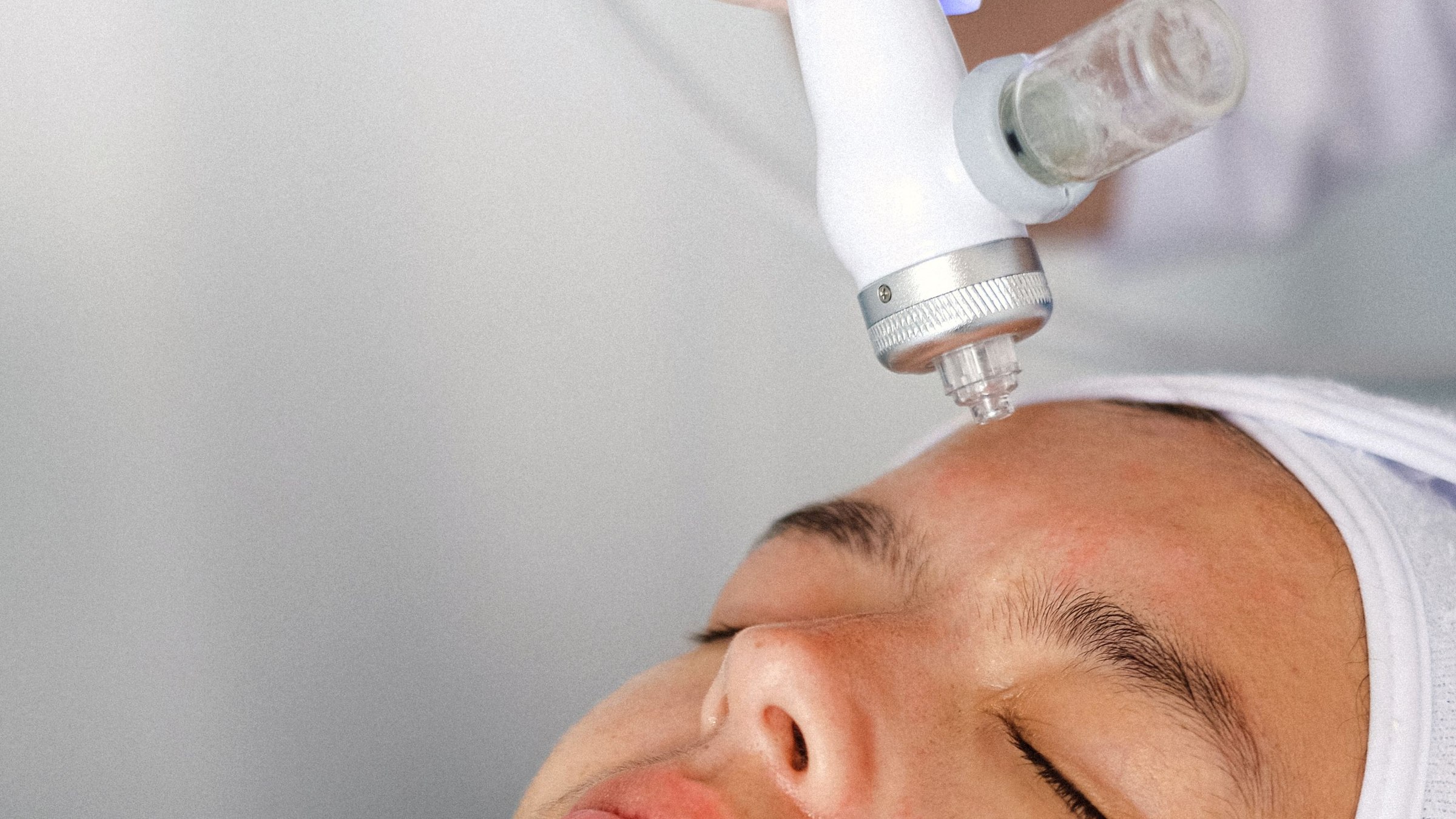
Freckle lightening at Rejuvena uses Lumecca™ IPL or picosecond pico-toning laser, chosen for your skin type and the area treated. Because pricing depends on those factors and the number of sessions, your exact cost is confirmed at your consultation, with an honest plan up front.
We will never quote a price for a “cure”: freckles are lightened and managed with sun protection, not removed forever.
How freckle lightening works at Rejuvena
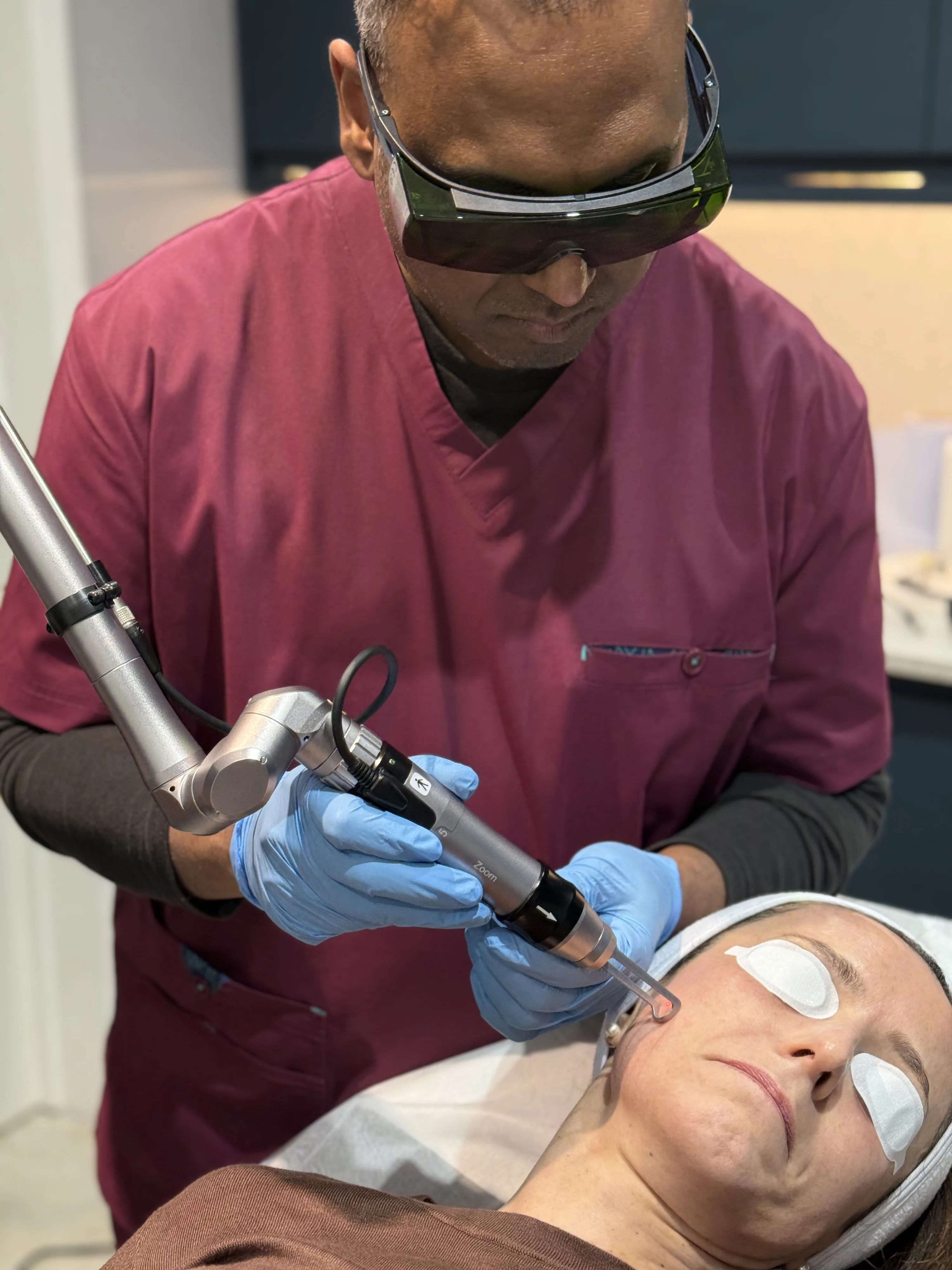
Every pigmented spot is checked by Dr Nick before treatment, to confirm it is a genuine, benign freckle rather than a sun spot, mole or atypical lesion. Suitable freckles are then lightened with Lumecca™ IPL or picosecond pico-toning laser, chosen for your skin type, with results maintained by daily sun protection, honestly, not oversold as permanent.
Why choose Rejuvena for freckle assessment in Bedford?
Checked before treated
Every mark is confirmed as a benign freckle by Dr Nick before any lightening: nothing is lasered on assumption.
GMC-registered
Assessed by Dr Nick, a GP with a Diploma in Dermatology, not a beauty therapist or nurse.
Honest about recurrence
We tell you plainly: freckles can return with sun exposure. We plan for lighten-and-maintain, not a false promise of permanence.
Local & welcoming
Based at 52 Thor Drive, Bedford, we care for patients from Kempston, Biddenham, Bromham and across Bedfordshire.
Verified Google reviews
What our patients say
5.0from 161 Google reviews
I recently had a lesion removed from my cheek. The pigmented lesion had bothered me for years. I’m glad I finally decided to do something about it. I was quite nervous on the day, but Dr. Nick and Lana were so careful and reassuring — they really put me at ease. The procedure was quick and comfortable, and I feel so much better for having it done. I did a lot of research before I chose this clinic for my treatment. The clinic’s medical dermatology focus made me feel confident I would be in the right hands. I’m really grateful for the care I received and I would definitely recommend this clinic.
Rejuvena repliedThank you so much for your skin review Dupinder 🙏
Read this review on Google (opens in a new tab)Throughout my Lumecca experience Nick & Lana have been nothing but exceptional. Their knowledge and experience mixed with personal customer service can’t be matched. They put your mind and rest and explain everything from the start. The results speak for themselves! For years I have managed Rosecea, Pigmentation and Thread Veins. After just one treatment I could see clearer, dewy skin. Thanks to Nick and Lana my confidence has grown to be able to go out with minimal make up on. A Randall
Rejuvena repliedHi Aisling, thank you for your kind review. We are so happy that we managed to help you feel confident in your skin again. It means a lot to us, so thank you once again. ☺️🙏
Read this review on Google (opens in a new tab)I have been receiving treatment for Malasma and Hyperpigmentation at the Rejuvena Clinic. I felt in safe hands from my first consultation. Dr. Nick was very understanding of my concerns and very knowledgable about the treatments that would be suitable for me. He also offered advice outside of the treatments available at the clinic, advising on lifestyle and medication changes I could implement to complement my treatment. I liked the holistic approach. My appointments never feel rushed. Dr. Nick and Lana take the time to listen and I feel comfortable enough to ask multiple questions. They are also very responsive to messages and emails, even outside of office hours. Rejuvena Clinic will be my go-to for any treatments in the future.
Rejuvena repliedThank you very much for your kind words Nadia. We are glad to have helped you and that you liked our services. It really means the world to us ☺️🙏
Read this review on Google (opens in a new tab)I’m five sessions into my Lumecca treatment and the results have been incredible — it’s genuinely transformed my skin. Dr Nick and Lana are exceptional at what they do. Their skill, knowledge, and understanding of the latest technology instantly put you at ease and fill you with confidence throughout the process.
Rejuvena repliedThank you very much for your kind words Jake 😊🙏
Read this review on Google (opens in a new tab)I’ve had both laser hair removal and Lumecca treatments with Lana, and she has been amazing. She’s very professional, incredibly attentive, and genuinely such a kind person. Her focus on the little details and the care she puts into her work make a big difference. I truly recommend Rejuvena Clinic.
Rejuvena repliedthank you very much for your kind review ))
Read this review on Google (opens in a new tab)I had Lumecca treatment at this clinic and had a great experience. The consultation with Dr Nick was very informative and put me at ease. Lana, who carried out the treatments, was an absolute pleasure to deal with—even though the treatment itself isn’t the most pleasant, she managed to make it as relaxing and comfortable as possible. Highly recommend this clinic for their professionalism and care.
Rejuvena repliedThank you for taking the time to share your kind feedback. We truly appreciate your thoughtful review and are delighted to hear that you had a great experience with our team. Thank
Read this review on Google (opens in a new tab)Every review above is published on Google. Tap any card to read it there.
Freckles FAQs in Bedford
Do freckles need to be removed?
Can freckles turn into skin cancer?
Why do my freckles fade in winter?
Will the NHS remove or treat freckles?
How much does freckle removal cost in Bedford?
Do freckles come back after treatment?
What is the difference between a freckle and a mole?
Book your freckle assessment in Bedford
Speak with Dr Nick’s team at Rejuvena Bedford for an honest skin assessment. Book online or call us.