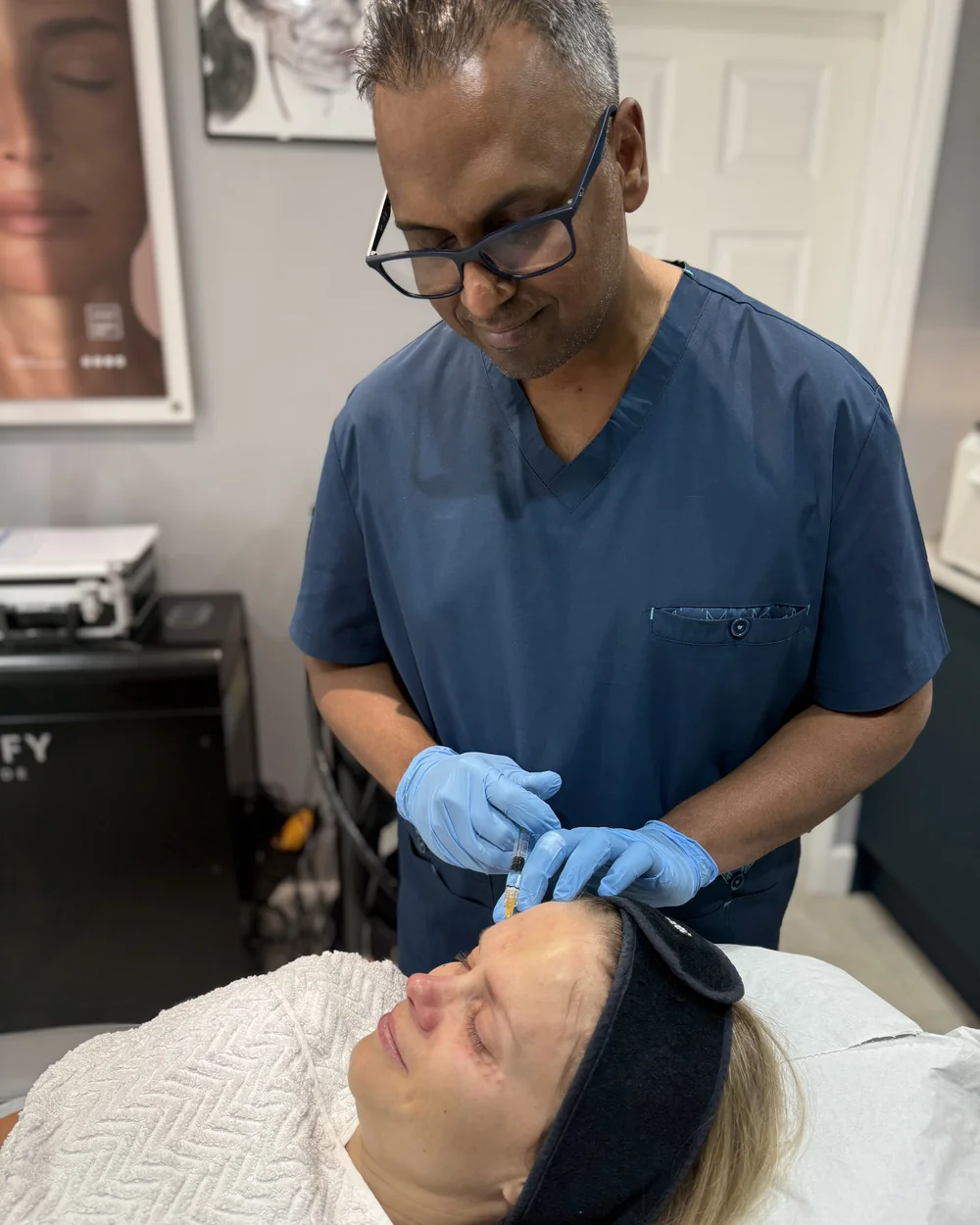
Doctor-led Polynucleotide Skin Boosters in Bedford
Improve tired, crepey and ageing skin with regenerative polynucleotide skin boosters. Rather than adding volume, polynucleotides work with your skin’s own repair processes to gradually improve hydration, texture and firmness. Derived from highly purified salmon DNA (PDRN), they’re particularly effective for delicate under-eye skin. Every treatment begins with a doctor-led consultation to ensure it’s the right treatment for you.
- Natural-looking results
- No added volume
- Minimal downtime
- 5★ 161 reviews
- Treatment
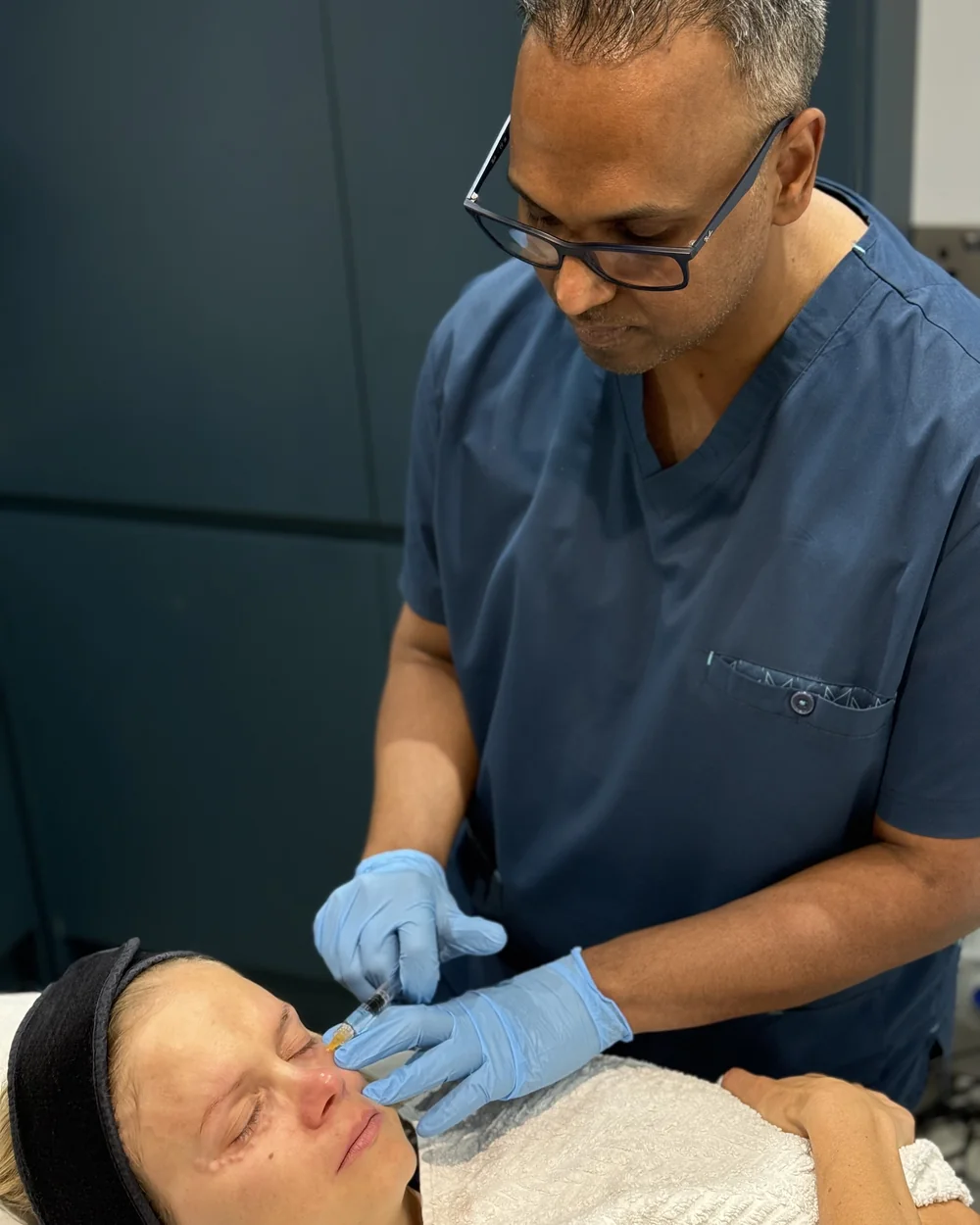
- Regenerative polynucleotide skin-booster injections
- Best for
- Under-eyes, fine lines, skin firmness, texture & hydration (skin quality, not volume)
- How it works
- Stimulates your skin’s natural collagen production
- First results
- Fresher, better-hydrated skin within a few weeks
- Sessions
- Usually a course of 3 sessions, followed by maintenance as recommended
- Price
- From £300 per session
- Where
- Rejuvena, Bedford (MK41 0WP)
- Suitability
- Confirmed during your consultation
Is polynucleotide treatment right for you?
- You have crepey under-eye skin
- You want healthier-looking skin — not more volume
- Fine lines and skin texture bother you
- You prefer gradual, natural-looking improvement
- You’re looking for a regenerative treatment rather than filler
Polynucleotides are regenerative injectable skin boosters that work with your skin’s natural repair processes to improve hydration, texture and firmness — rather than adding volume like a dermal filler.
What are polynucleotide skin boosters?
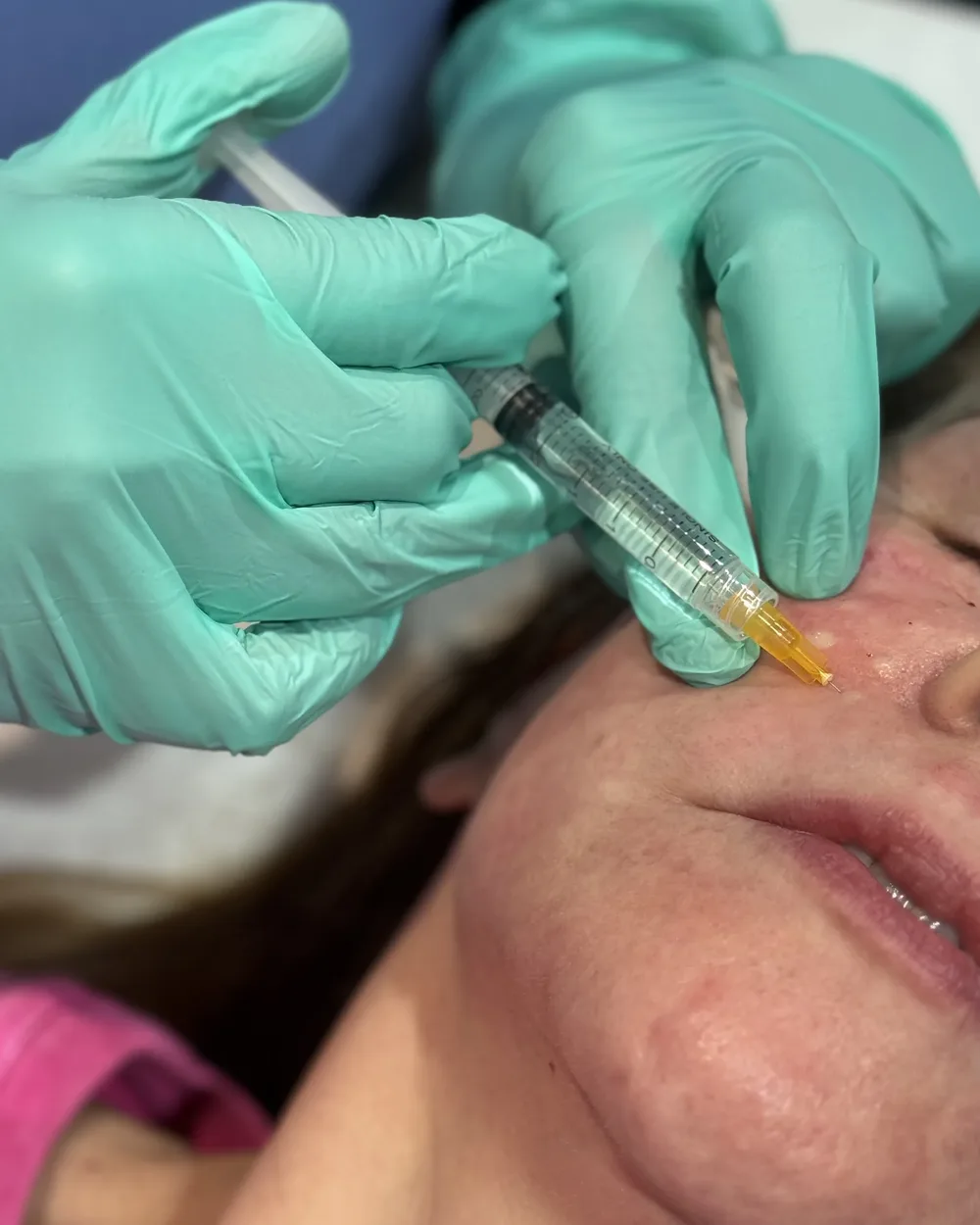
Polynucleotides are regenerative injectable skin boosters made from highly purified fragments of salmon or trout DNA, a family often described by the shorter-chain form PDRN (polydeoxyribonucleotide). Injected into the skin, they act as a biostimulatory scaffold that supports fibroblasts — the cells that build collagen and elastin — so your skin gradually renews itself. Unlike a filler, they add little to no volume; they improve the quality of the skin itself.
Polynucleotides can improve a wide range of skin concerns by supporting your skin’s natural repair processes. They are particularly effective for delicate under-eye skin, early skin ageing, uneven texture, acne scarring and mild skin laxity.
At Rejuvena in Bedford, Dr Nick (Medical Director, GMC 6072251) first assesses your skin and medical history to confirm that polynucleotides are the most appropriate treatment. If another option — such as Profhilo bio-remodelling or dermal fillers — is likely to produce a better outcome, we’ll recommend that instead.
Polynucleotide skin boosters at Rejuvena are £300 per session, or £795 for a package of 3 sessions. Because polynucleotides work by regenerating your skin gradually, a short course is usually recommended for the best result, with the exact number of sessions confirmed at your consultation once your skin and goals have been assessed.
Your consultation includes a doctor-led skin assessment with Dr Nick, so you know exactly what is recommended — and why — before you commit.
What polynucleotides treat in Bedford
Dr Nick (GMC 6072251) uses doctor-led polynucleotide therapy at our Bedford clinic to repair and regenerate skin from within — from under-eye circles to texture, scarring and laxity.
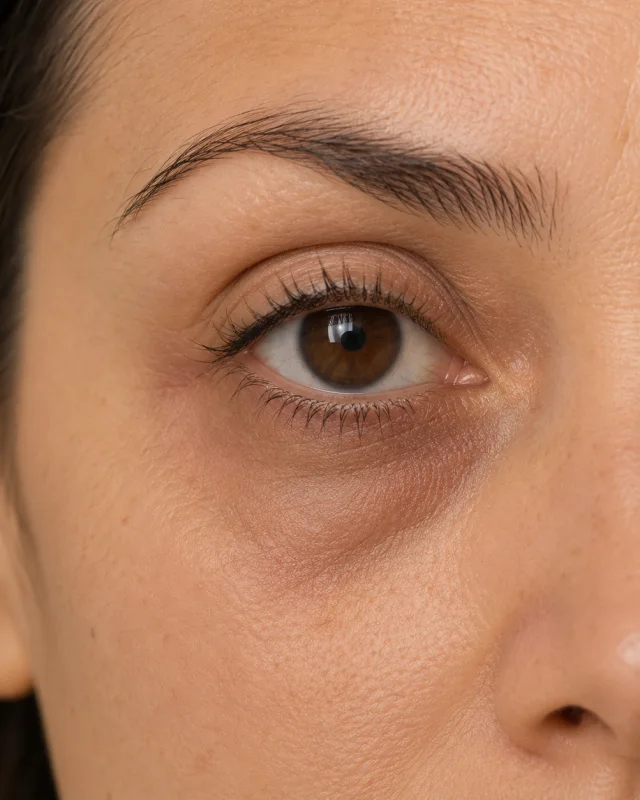
Under-eye circles & hollows
Regenerates thin, shadowed under-eye skin to soften dark circles and hollows.
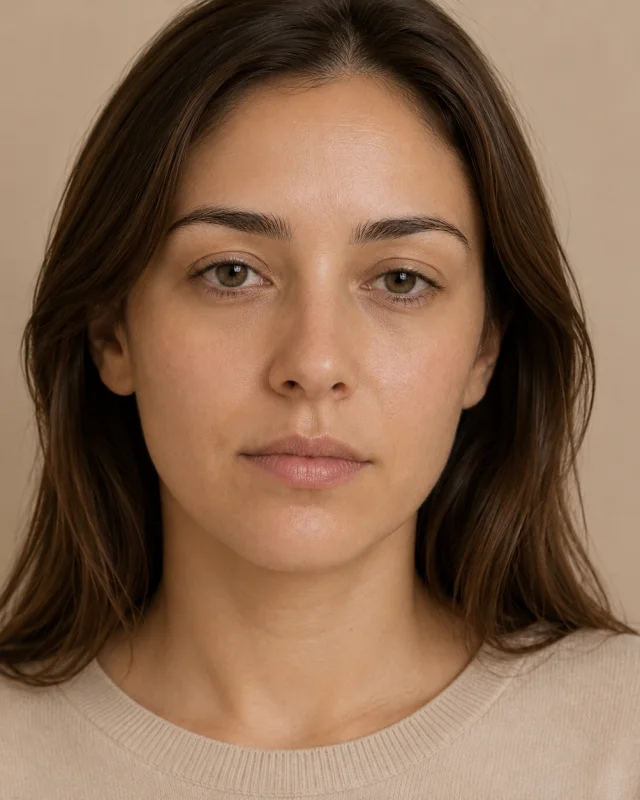
Dull, tired skin
Kick-starts your skin's own repair for a fresher, more radiant glow.
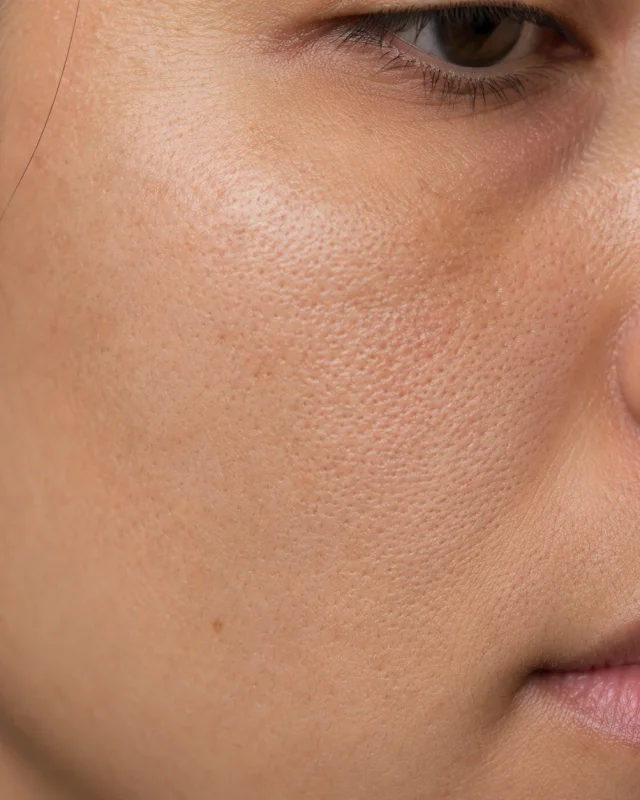
Uneven texture & pores
Refines rough, uneven texture and enlarged pores for smoother skin.
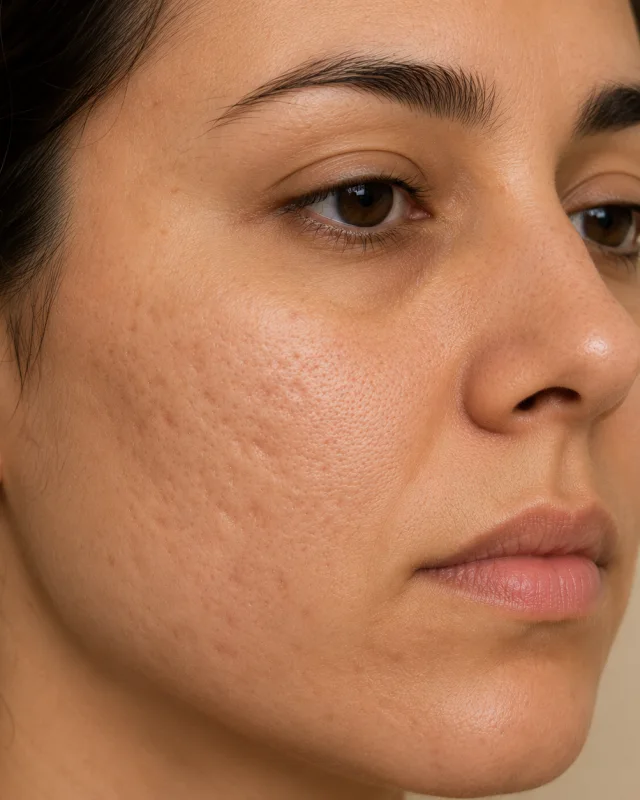
Acne scarring
Stimulates collagen to soften the look of pitted, post-acne scarring.
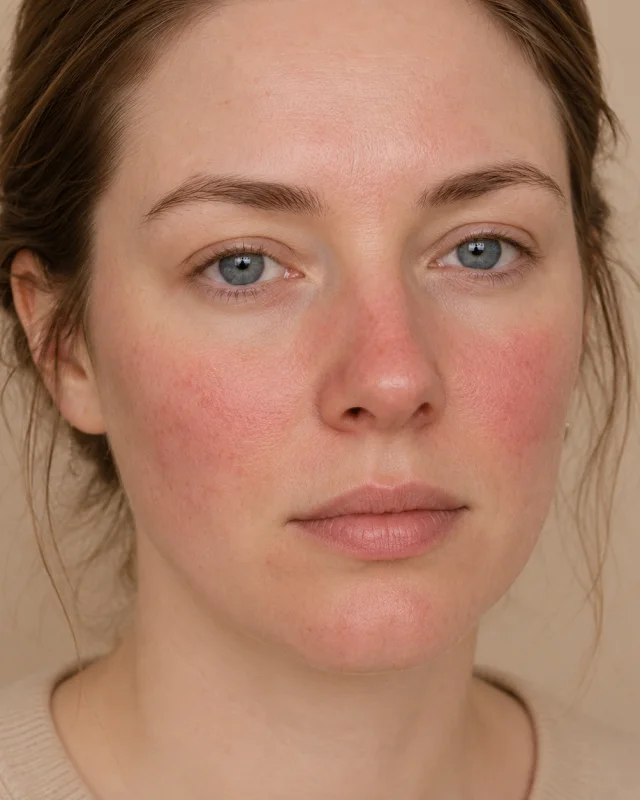
Redness & sensitivity
Calms and strengthens reactive, red or sensitised skin from within.
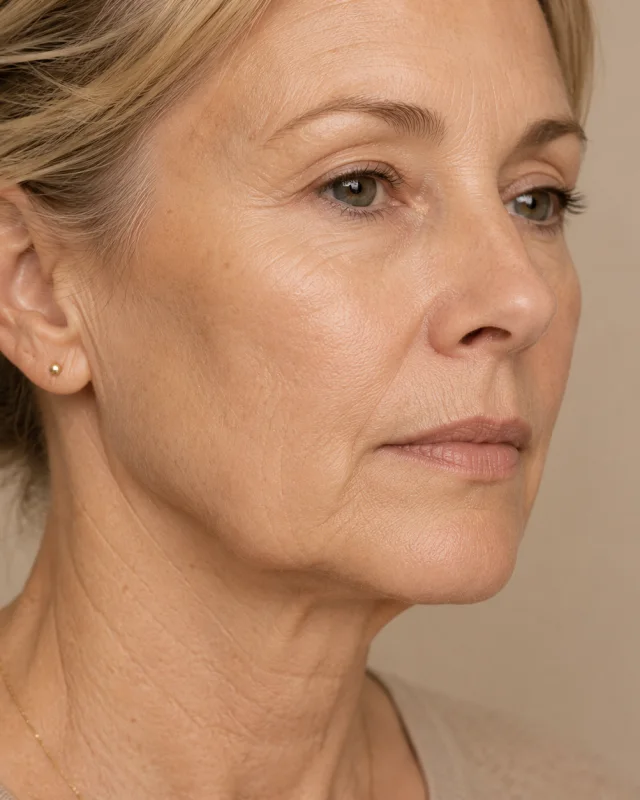
Skin laxity & firmness
Rebuilds collagen and elastin to restore firmness to lax, tired skin.
How do polynucleotide skin boosters work?
Polynucleotides gradually improve skin quality by activating your skin’s natural repair processes. Over time, this leads to healthier, firmer and better-hydrated skin, with improvements in texture and elasticity developing gradually rather than overnight.
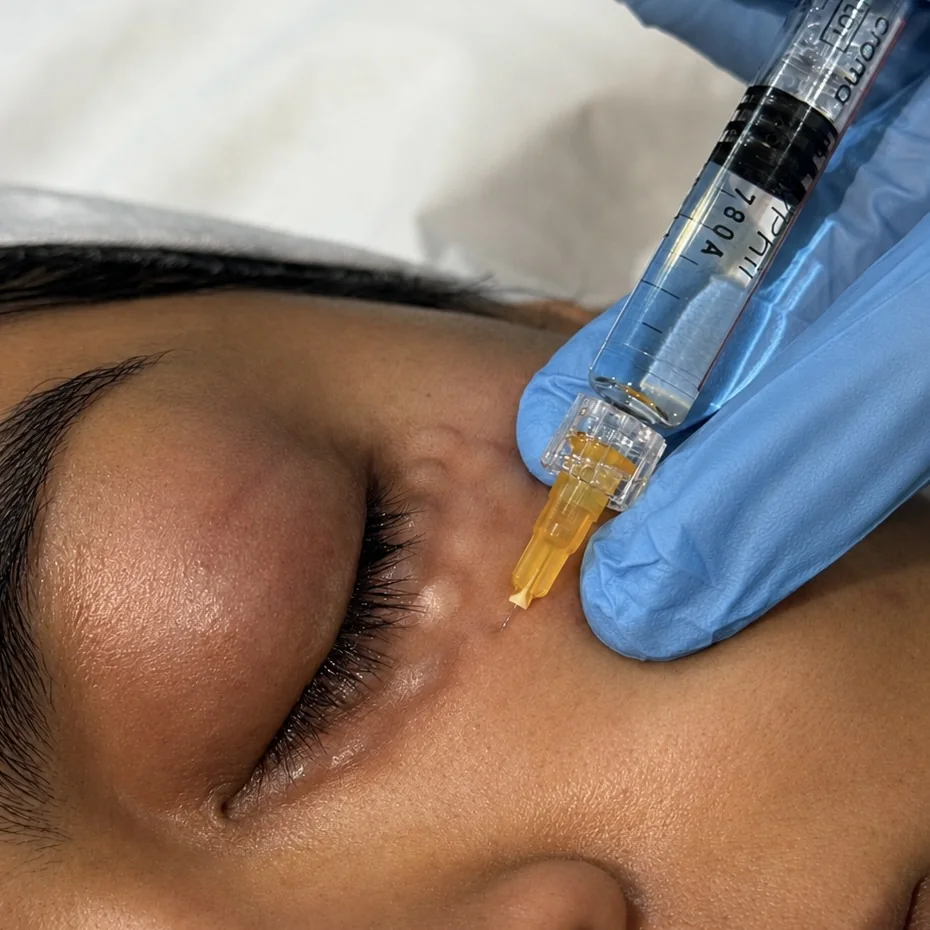
Fibroblast stimulation & repair
Once injected in the skin, polynucleotides activate fibroblasts — the cells responsible for producing collagen and elastin. As the skin remodels naturally over the following weeks, firmness, elasticity and texture gradually improve.
- Mechanism Regenerative / biostimulatory, not volumising
- Source Purified salmon or trout DNA (PDRN)
- Session Typically 30–60 minutes
- Downtime Minimal — a few days at most
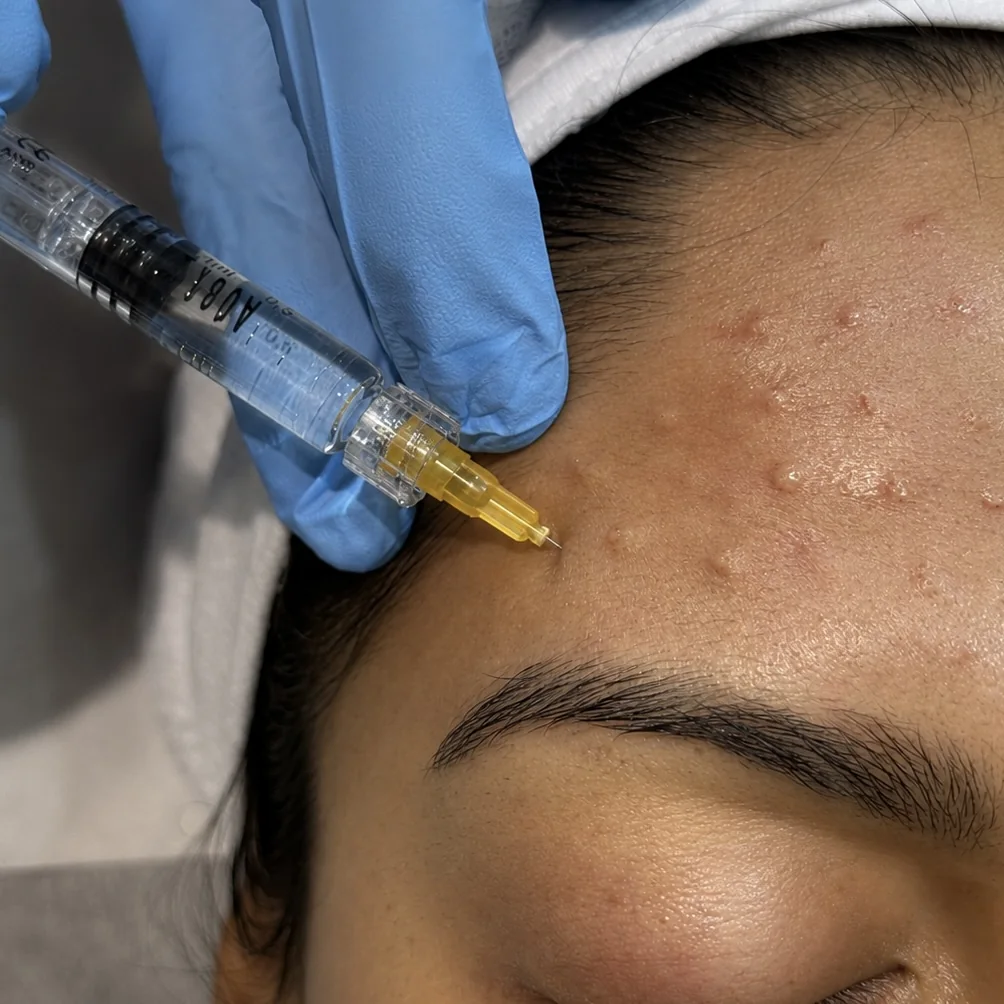
Scaffold, hydration & skin quality
Polynucleotides also attract and retain water within the skin while providing a temporary scaffold that supports tissue repair. As hydration improves, the skin often appears smoother, healthier and more resilient, with natural-looking improvement rather than added volume.
- Regenerate Collagen & elastin stimulation
- Hydrate Holds water in the dermis
- Best for Crepey, thin, dull or lax skin
- Pair Combine with microneedling or Profhilo
The evidence for polynucleotides is promising but still developing: reviews report improvements in hydration, elasticity, firmness and texture, though many studies are small with short follow-up. We keep expectations honest — polynucleotides are a gradual skin-quality investment, not a guaranteed or instant fix.
Your polynucleotide treatment, step by step
Doctor-led consultation
Dr Nick reviews your skin, concerns and medical history, and confirms polynucleotides are right for you — including screening for fish allergy, pregnancy and anything that would make treatment unsuitable. A skin analysis consultation can be added to map your skin in more detail.
Numbing for comfort
A topical numbing cream is applied to the treatment area — especially around the delicate under-eye — and left to take effect, so the injections are as comfortable as possible.
Precise injection
Using fine needles or a cannula, the polynucleotides are placed into the skin at the planned points. The session itself is quick — typically 30–60 minutes including preparation, depending on the areas treated.
Aftercare guidance
We give you clear aftercare and explain what to expect over the next few days. Any mild redness, swelling or small bumps at the injection points usually settle quickly.
Course & review
Polynucleotides work best as a short course, so we plan any further sessions and review your progress as your skin regenerates over the following weeks.
How long do polynucleotide results take, and how long do they last?
Polynucleotide results build gradually rather than appearing overnight: many patients notice fresher, better-hydrated skin within a few weeks, with firmness and texture continuing to improve as collagen is produced. Results are best after a completed course, and many patients enjoy the benefit for several months before a maintenance session is considered.
The first days
Immediately after treatment you may notice mild redness, slight swelling or small bumps at the injection points, and occasionally minor bruising around the eyes. This is normal and usually settles within a few days. There is little to no social downtime for most people.
The following weeks
Because polynucleotides work by stimulating your own skin, results are gradual and cumulative. Many patients notice their skin looking fresher and better hydrated within a few weeks, with the improvement in firmness, texture and skin quality continuing to build as collagen is produced.
Longer term
Results are best after completing your recommended course, and many patients enjoy the benefit for several months before a maintenance session is considered. Because this is regeneration rather than a gel, there is no sudden "wearing off" — your skin simply resumes its natural ageing.
Polynucleotides vs Profhilo: what's the difference?
Polynucleotides and Profhilo are both injectable skin boosters, but they do different jobs. Polynucleotides use DNA fragments to regenerate and repair skin quality; Profhilo uses hyaluronic acid to hydrate and bio-remodel. They are complementary, and many patients combine them.
| Polynucleotides | Profhilo | |
|---|---|---|
| What it is | Regenerative skin booster | Hyaluronic-acid bio-remodeller |
| Main ingredient | Purified salmon/trout DNA (PDRN) | Hybrid hyaluronic acid (HA) |
| How it works | Stimulates fibroblasts to rebuild collagen & elastin | Hydrates and bio-remodels, with some collagen stimulation |
| Best for | Crepey, thin, under-eye & skin-quality repair | Deeper hydration, firmness & early laxity |
| Typical areas | Under-eye, face, neck, hands | Face, neck, décolletage, hands |
| Price from | £300 per session (£795 for a package of 3) | From £300 per session |
Not sure which is right for you? Compare Profhilo bio-remodelling, or let Dr Nick recommend the best option — or a combination — at your consultation.
Why choose a doctor-led clinic for polynucleotides in Bedford?
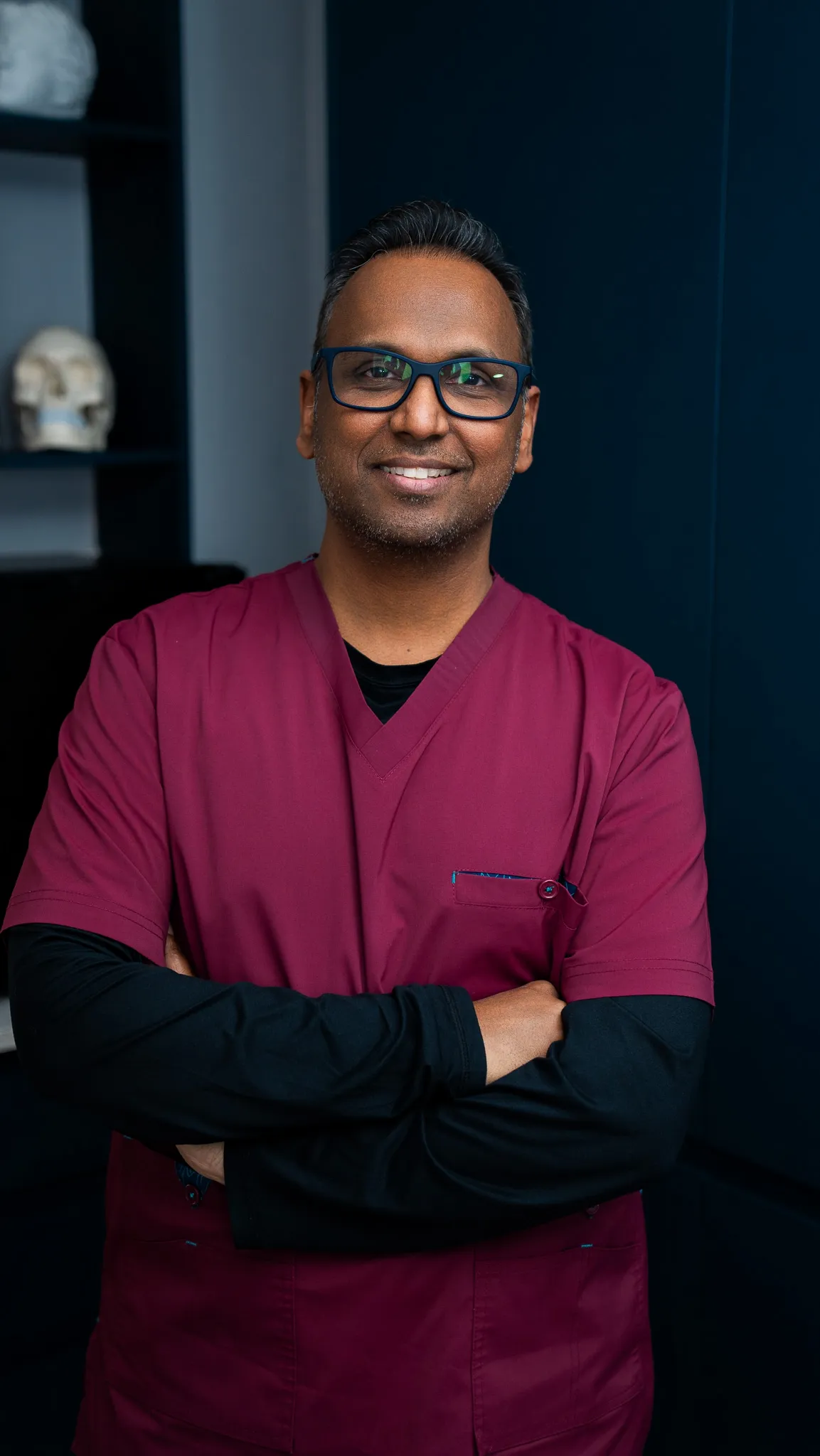
Injectables around the eyes deserve a doctor's eye first. We assess the real cause of a concern, screen properly, and only treat when polynucleotides are genuinely the right choice.
Doctor-led, not high-street
Your skin is assessed by Dr Nick, a GMC-registered doctor with a Diploma in Dermatology — so suitability, allergies and any concerns are properly screened before injecting begins.
Injected by your doctor
Your polynucleotides are injected by Dr Nick himself — including the delicate under-eye area, where placement and technique matter most.
5★ from 161 reviews
Rated 5 stars across 161 verified reviews by patients from Bedford and across Bedfordshire.
Local to Bedford
Our clinic at 52 Thor Drive, Bedford MK41 0WP serves Kempston, Biddenham, Bromham, Clapham, Wootton, Great Denham and across Bedfordshire and Milton Keynes.
Are polynucleotides safe, and who should not have them?
Performed in a doctor-led clinic, polynucleotides have a strong safety profile with minimal downtime — the most common side effects are mild, temporary redness, swelling or bruising at the injection points. They are avoided in pregnancy and breastfeeding, with an active skin infection, or with a known fish allergy; suitability is always confirmed at a medical consultation.
It may suit you if
You want genuine skin regeneration rather than volume or muscle relaxation; you are bothered by crepey under-eye skin, dark circles from thin skin, fine lines, dullness or loss of firmness; you prefer natural-looking renewal that works with your own biology; or you want a treatment that combines well with others as part of a wider plan. Suitability is confirmed by our clinician at consultation.
It is not suitable if
Polynucleotides are avoided if you are pregnant or breastfeeding, have an active skin infection or inflammation at the site, or have a known fish allergy — they are derived from purified salmon or trout DNA, so they are also not suitable if you wish to avoid animal-derived products. They may be unsuitable with certain autoimmune conditions, bleeding disorders or blood-thinning medication. Everything is reviewed at your medical consultation.
What they will not do
Polynucleotides improve skin quality — they do not add volume, so they will not fill a deep tear-trough hollow or replace a filler, will not relax expression lines the way anti-wrinkle (botulinum toxin) injections do, and will not deliver an instant result. For volume, Dr Nick may suggest dermal fillers; for deeper hydration, Profhilo; and for a regenerative alternative using your own blood, PRP.
What aftercare do polynucleotides need?
Polynucleotide aftercare is simple. Keep the area clean, avoid make-up over the injection points for the first 12–24 hours, and avoid heavy heat, exercise and alcohol for around 24 hours so the skin can settle. We give you personalised guidance at your appointment.
First 24 hours
Leave the area clean and make-up free for about 12–24 hours. Avoid strenuous exercise, saunas, hot tubs, excessive heat and alcohol for around a day, and try not to press or massage the treated area.
First couple of weeks
Any small bumps, redness or bruising typically settle within a few days. Protect your skin with a daily SPF, keep hydrated, and avoid heat-based treatments such as sunbeds or laser for a short period.
Ongoing
Let your skin regenerate over the following weeks and attend any planned course sessions. When your results have settled, we will advise whether and when a maintenance session would help you keep them.
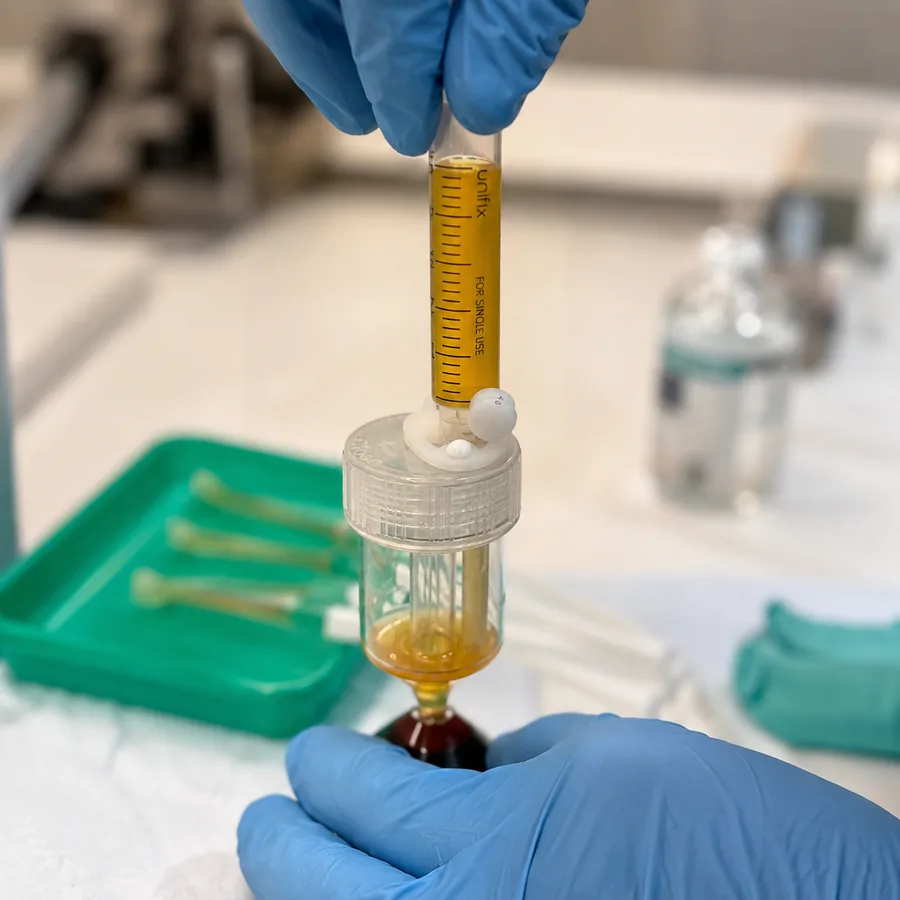 PRP (Face)Regenerative platelet-rich plasma to refresh skin using your own growth factors.Discover PRP ›
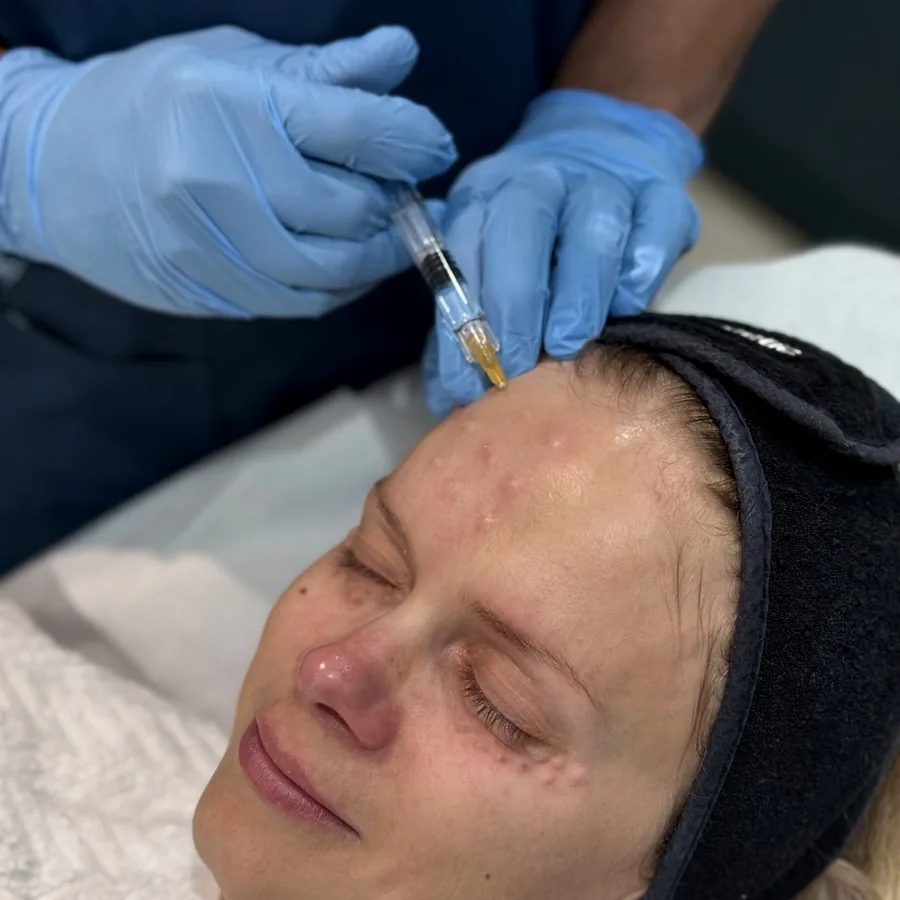 Skin BoostersInjectable skin boosters that deeply hydrate and renew skin quality — explore your options.Explore Skin Boosters ›
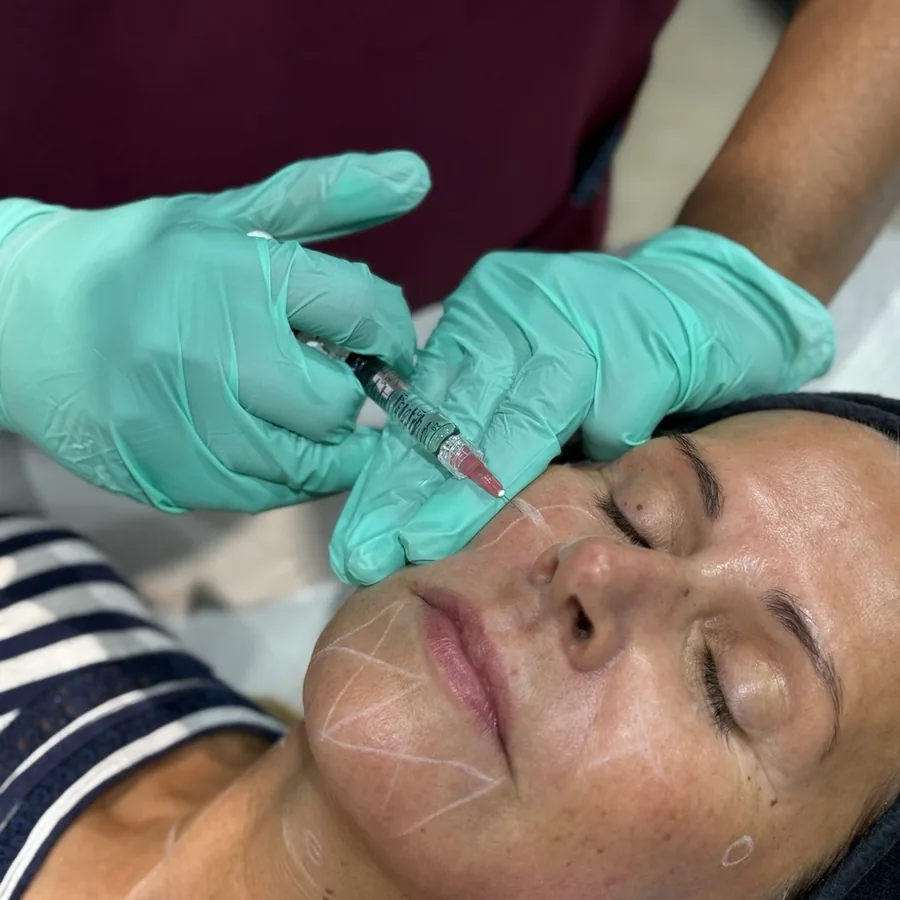 ProfhiloHyaluronic-acid bio-remodelling for deep hydration and firmer, fresher skin.Discover Profhilo ›
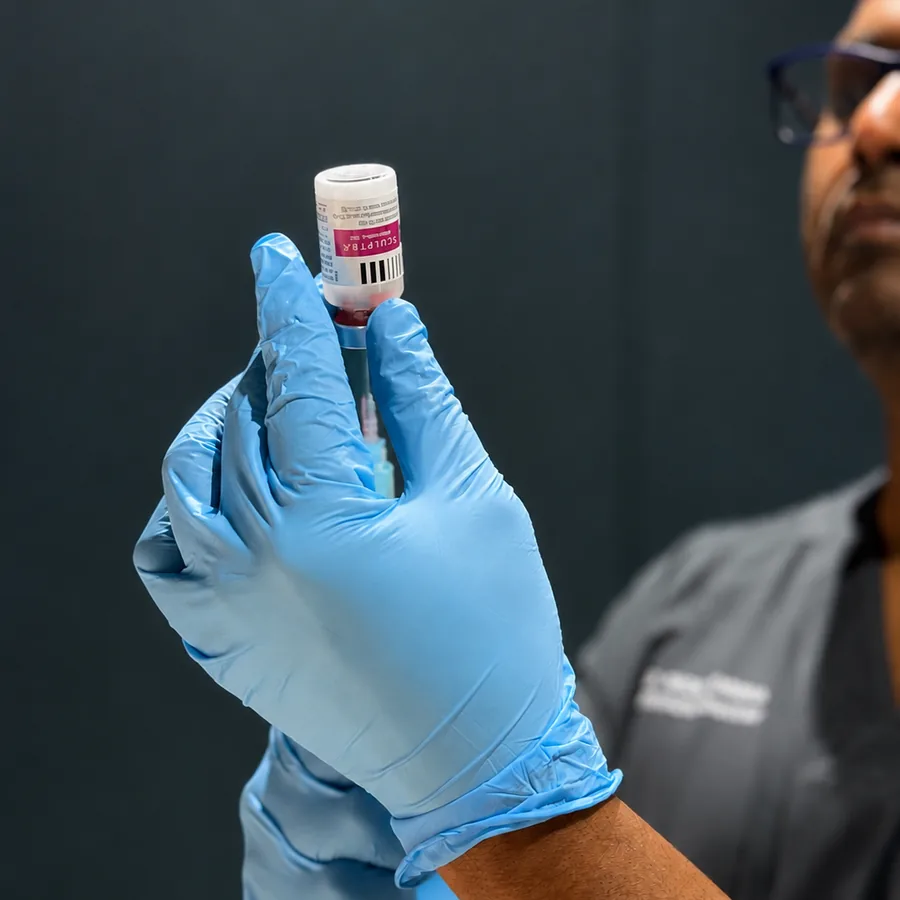 SculptraCollagen-stimulating PLLA that gradually restores firmness and volume over time.Discover Sculptra ›
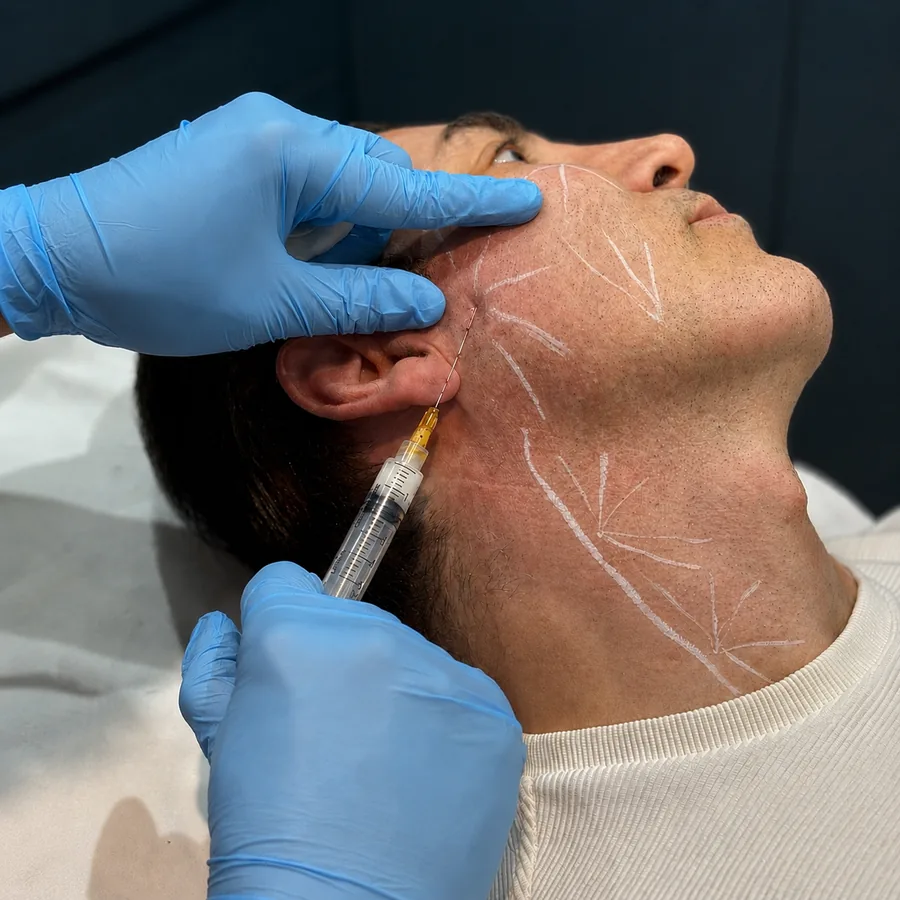 RadiesseA collagen-stimulating biostimulator that lifts and firms while smoothing lines.Discover Radiesse ›
Verified Google reviews
What our patients say
5.0from 161 Google reviews
Dr Nick and Lana are very lovely people who genuinely care about their clients. They are always friendly and make you feel comfortable and welcome. My PRP journey has been a great one so far and I feel very safe in their hands :)
Rejuvena repliedThank you for your sweet comment Jess, truly appreciate it 😊🙏
Read this review on Google (opens in a new tab)I've been seeing Dr Nick & Lana for PRP (treatment for hair loss). It felt like quite a daunting experience at first having never gone to any aesthetic clinic before but my nerves were quickly put to rest with the confident, professional, knowledgeable and gentle approach of Dr Nick & Lana. I'm on my 4th session now and can say I can see a positive difference with my hair. I'm pleased with the attention to detail and care that both exhibit in my treatments and would happily recommend them to family and friends.
Rejuvena repliedThank you very much for your kind review. We are very glad to hear you have seen improvements in the hair growth with our advanced PRP / PRF treatment. ☺️🙏
Read this review on Google (opens in a new tab)Lana is very knowledgeable and professional and makes you feel like you are in safe hands. I am happy I chose to have my treatment at Rejuvena and would highly recommend the clinic.
Rejuvena repliedThank you very much Bobbie 🤗🙏
Read this review on Google (opens in a new tab)Very good and reassuring place to book your next or target any problem. This is where you want to be.
Rejuvena repliedAww! Thank you Peter. That means a lot to us 😊🙏
Read this review on Google (opens in a new tab)Lana is a complete professional and wonderful at what she does! I always feel in safe hands knowing her attention to detail is spot on and she genuinely cares about doing a great job for her clients.
Rejuvena repliedThank you very much Daisy for your kind words. ☺️🙏
Read this review on Google (opens in a new tab)I met with DR Nick and Lana for a consultation last week. I was blown away by their professionalism and expertise. They were extremely attentive , I felt completely relaxed and assured I had chosen the right clinic for treatments. Dr Nick and Lana have since put together 2 treatment plans. I am so impressed and highly recommend . I'm looking forward to starting treatments.
Rejuvena repliedAww! Thank you Louise for your kind review. We are very happy to hear you liked our services ☺️🙏
Read this review on Google (opens in a new tab)Every review above is published on Google. Tap any card to read it there.
Polynucleotide FAQs — Bedford
What are polynucleotides?
Is a polynucleotide treatment really a "salmon sperm facial"?
What is the difference between polynucleotides and Profhilo?
Are polynucleotides a filler, and will they change my face shape?
Do polynucleotides work for under-eye dark circles?
Are polynucleotides vegan, and are they safe with a fish allergy?
Do polynucleotide injections hurt, and is there downtime?
How much do polynucleotides cost in Bedford?
Book your polynucleotide treatment in Bedford
Start with a doctor-led consultation at Rejuvena Bedford — book online, request a callback or call the team.