Loose Skin: What Non-Surgical Treatment Can (and Can’t) Do
The three-layer model behind loose skin, why “Ozempic face” is a genuine and actively studied phenomenon, honest evidence on HIFU and radiofrequency, and when only surgery will do.
Loose skin is skin that has lost its elasticity and firmness (from ageing, genetics, or rapid weight loss), and it is unlikely to bounce back on its own. Non-surgical treatments can genuinely tighten mild-to-moderate laxity, but for significant, redundant excess skin, the honest answer is that only surgery reliably removes it.
What is loose skin?
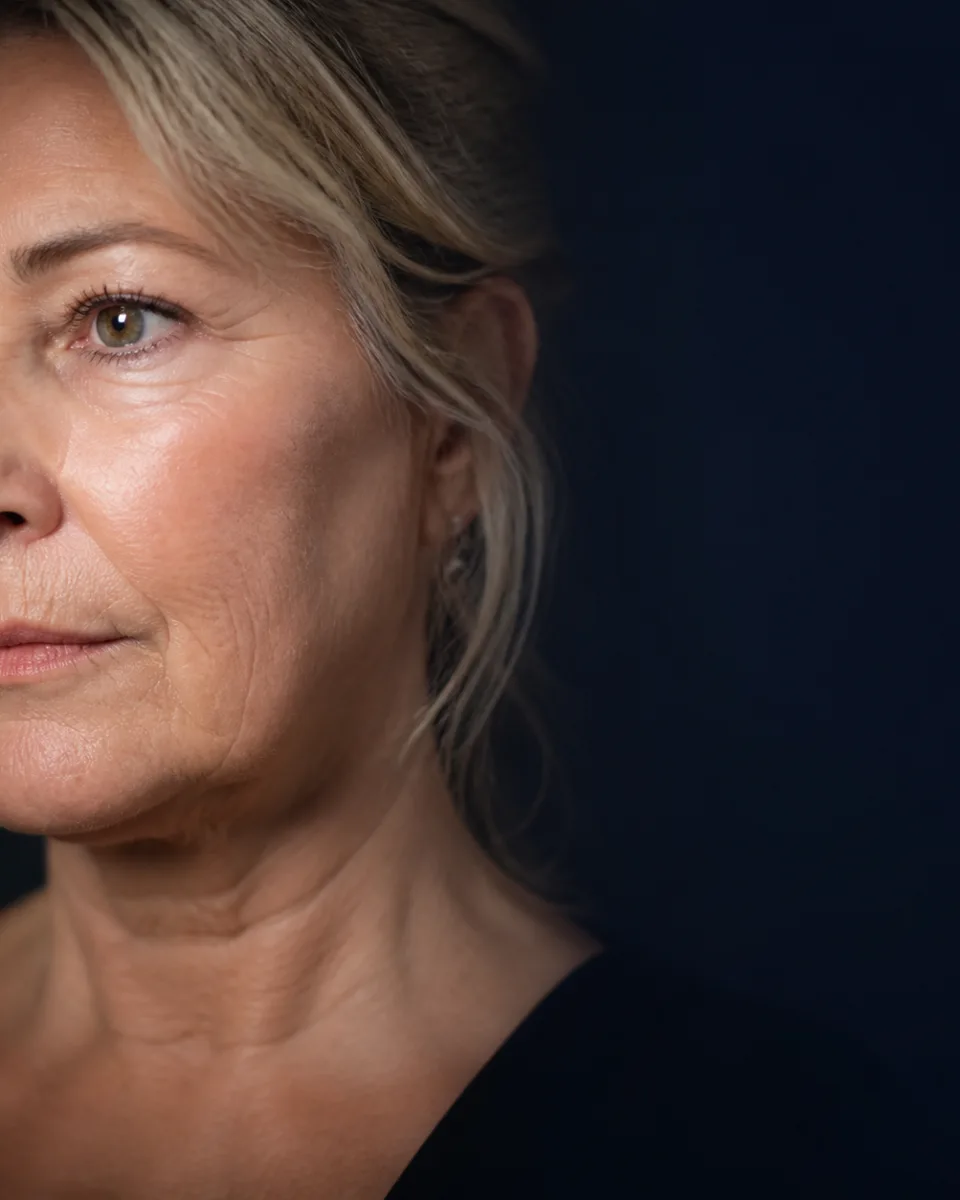
Loose skin is skin that has lost its elasticity and firmness, appearing stretched, saggy or wrinkled. It commonly follows significant weight loss or is part of the natural ageing process, as collagen and elastin in the skin decrease. It can range from mild wrinkling to noticeable folds and is most often seen on the stomach, arms, thighs, neck and face; this is not a face-only concern.
It helps to think of what’s underneath in three separate layers: the skin itself, the fat beneath it, and the bone or muscle structure supporting both. Sagging can come from the skin losing elasticity, from volume loss in the fat layer, from changes in the underlying structure, or from any combination, and telling these apart matters, because they don’t all respond to the same treatment.
What causes loose skin?
- Ageing: skin naturally loses elasticity over time, making it more prone to sagging.
- Genetics: how your skin responds to ageing and weight change is partly inherited.
- Rapid or significant weight loss: the skin doesn’t have time to adapt when weight drops quickly, and the longer someone has carried excess weight, the less likely their skin is to “bounce back.”
- Lifestyle: smoking and dehydration further reduce skin elasticity.
“Ozempic face” is a real, actively studied phenomenon, not just a tabloid term. Patients on GLP-1 medications such as semaglutide and tirzepatide commonly report hollowing of the cheeks, sunken eyes, sagging jowls and more prominent wrinkles. The mechanism is thought to be the non-selective fat loss that happens during rapid weight reduction: skin that is already prone to reduced collagen and elastin with age becomes more susceptible to sagging when the facial fat beneath it diminishes. There is also emerging, though not yet fully settled, evidence that rapid weight loss may affect collagen and elastin production in the skin directly, independent of the fat loss itself.
Being honest about what won’t work
Loose skin is unlikely to reduce by itself over time, and for many people it becomes a permanent change to their body without intervention. Exercises such as weight training can help build muscle underneath, which sometimes improves the appearance of loose skin, but no amount of exercise can eliminate loose skin completely. The same honesty applies to skincare: however good a product’s marketing, no topical treatment eliminates loose skin.
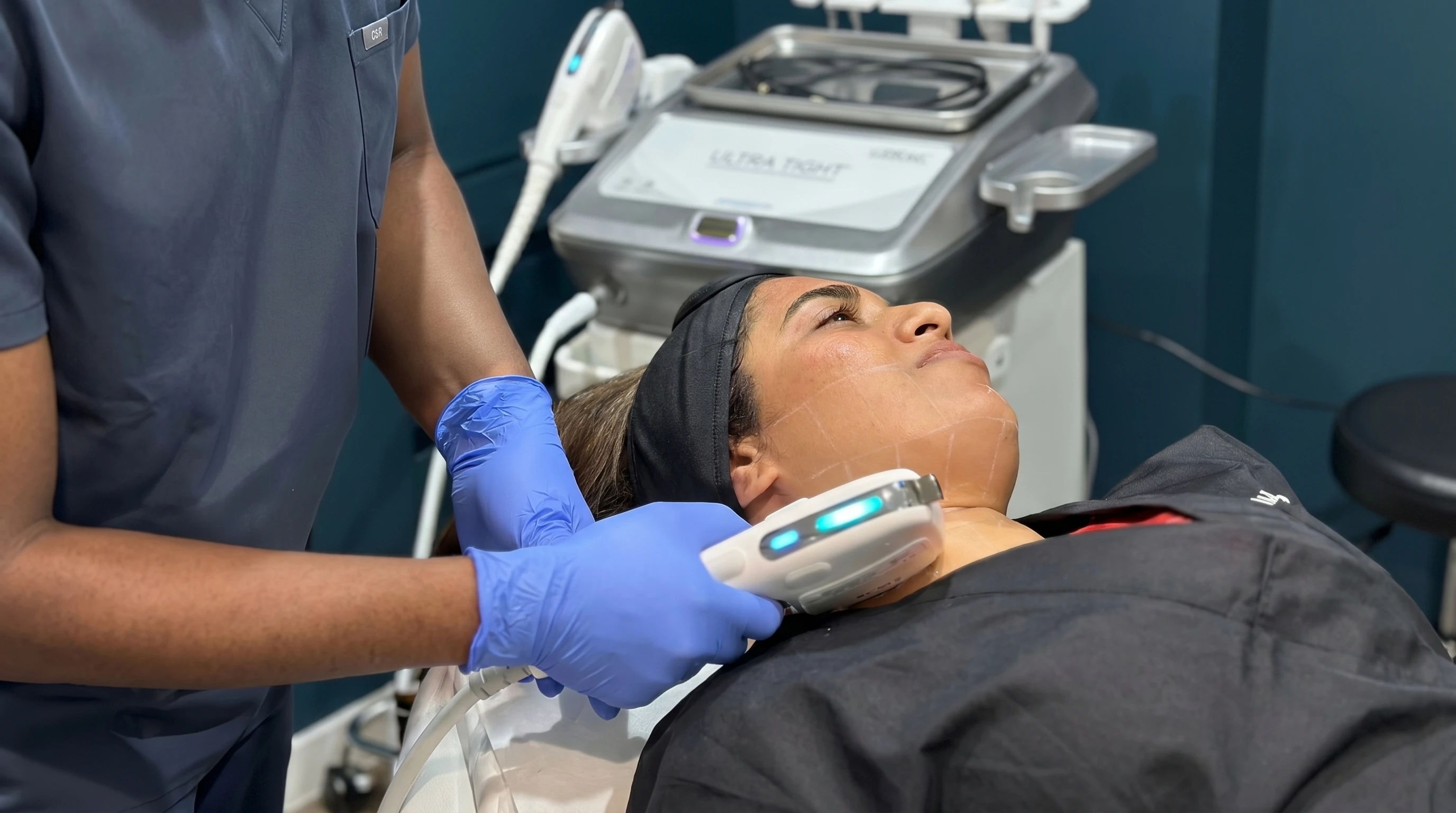
Non-surgical energy-based devices genuinely help mild-to-moderate laxity, but the evidence for how much varies by technology and should be stated honestly rather than oversold. The best-supported non-surgical option, high-intensity focused ultrasound (HIFU), shows real but modest results, around nine in ten patients see some improvement by clinician assessment, though patient-reported satisfaction tends to be lower and builds slowly over months, and the objective measurements (a few millimetres of lift, a modest reduction in submental area) are genuinely small numbers, not a dramatic transformation. Radiofrequency has a notably weaker evidence base: several dedicated reviews describe the trial quality behind it as limited, and conclude that its real-world effect, if it exists at all, is still not well understood.
For genuinely excess, redundant skin (most classically after massive weight loss) non-surgical treatment will not achieve what surgery achieves, and we would rather tell you that plainly than sell you a course of treatment that won’t deliver it. Liposuction alone, used as the only treatment, often fails to correct significant excess skin. Only excisional surgery (a tummy tuck, arm lift, thigh lift, body lift or facelift, depending on the area) reliably removes genuinely excess skin. Surgery is a real operation with its own complication profile and is not risk-free, but it is the only route that removes tissue rather than merely tightening what remains.
Is loose skin removal available on the NHS?
For ordinary age-related loose skin, no. Cosmetic surgery is not routinely provided on the NHS, and unless there is a significant physical medical need linked to your loose skin, surgery for it is not offered within NHS services.
NHS-funded excess-skin-removal surgery after massive weight loss genuinely does exist, based on a national clinical commissioning guide, but it is administered locally by individual Integrated Care Boards with real, materially different numeric thresholds from one area to another (for example, differing BMI cut-offs, weight-stability periods, and evidence requirements around skin-fold infection or ulceration). A national audit of this process found implementation varies so widely across the NHS that it has been described, in the NHS’s own commissioning documents, as a genuine postcode lottery. What this means practically is that you should expect to be assessed against your specific local ICB’s published policy, not a single uniform national rule, and funding approval, even once you’re clinically eligible, is not automatic.
So the honest summary is this. If you’ve had massive weight loss and have genuine skin-fold problems such as recurrent infection or ulceration, ask your GP about the NHS pathway for your area. If your loose skin is the ordinary ageing kind, or your case doesn’t meet your local ICB’s criteria, that is a private consultation, and we will tell you honestly whether non-surgical treatment can help or whether surgical referral is the more realistic option.
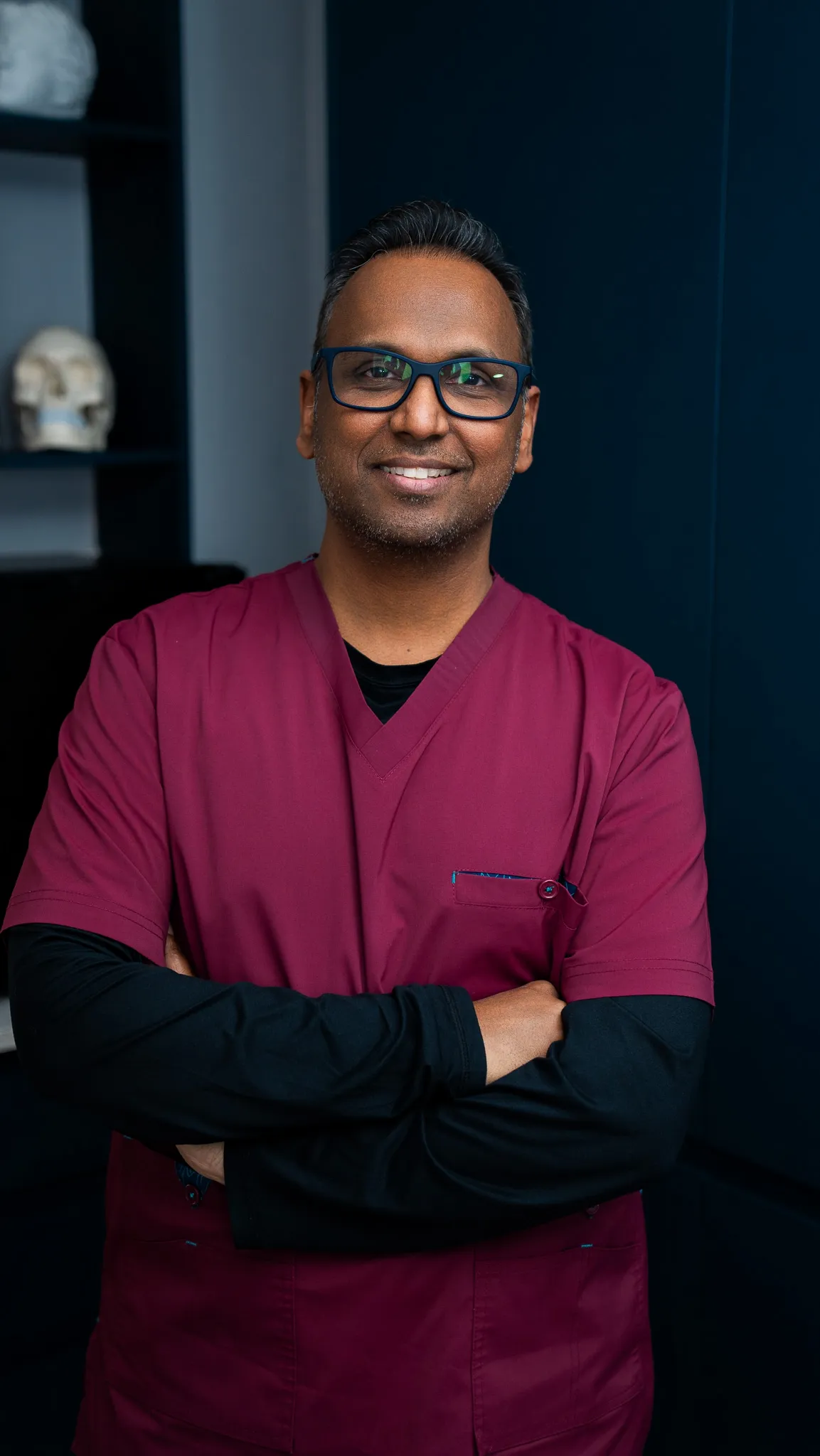
Because the right non-surgical approach (and whether non-surgical treatment is realistic at all for your degree of laxity) depends entirely on individual assessment, we don’t quote a single fixed fee. After Dr Nick has assessed your skin, you’ll receive a clear, honest plan and its price, or an honest explanation of why surgical referral is the better route.
How loose skin is treated at Rejuvena
Dr Nick assesses which of the three layers (skin, fat or structural support) is driving your laxity, and how significant the excess is, before recommending anything. Suitable mild-to-moderate cases are treated with HIFU (high-intensity focused ultrasound) and, where appropriate, Forma radiofrequency skin tightening. Where the degree of excess skin is beyond what non-surgical treatment can realistically achieve, we say so and discuss surgical referral rather than offering a course of treatment that won’t deliver the result you want.
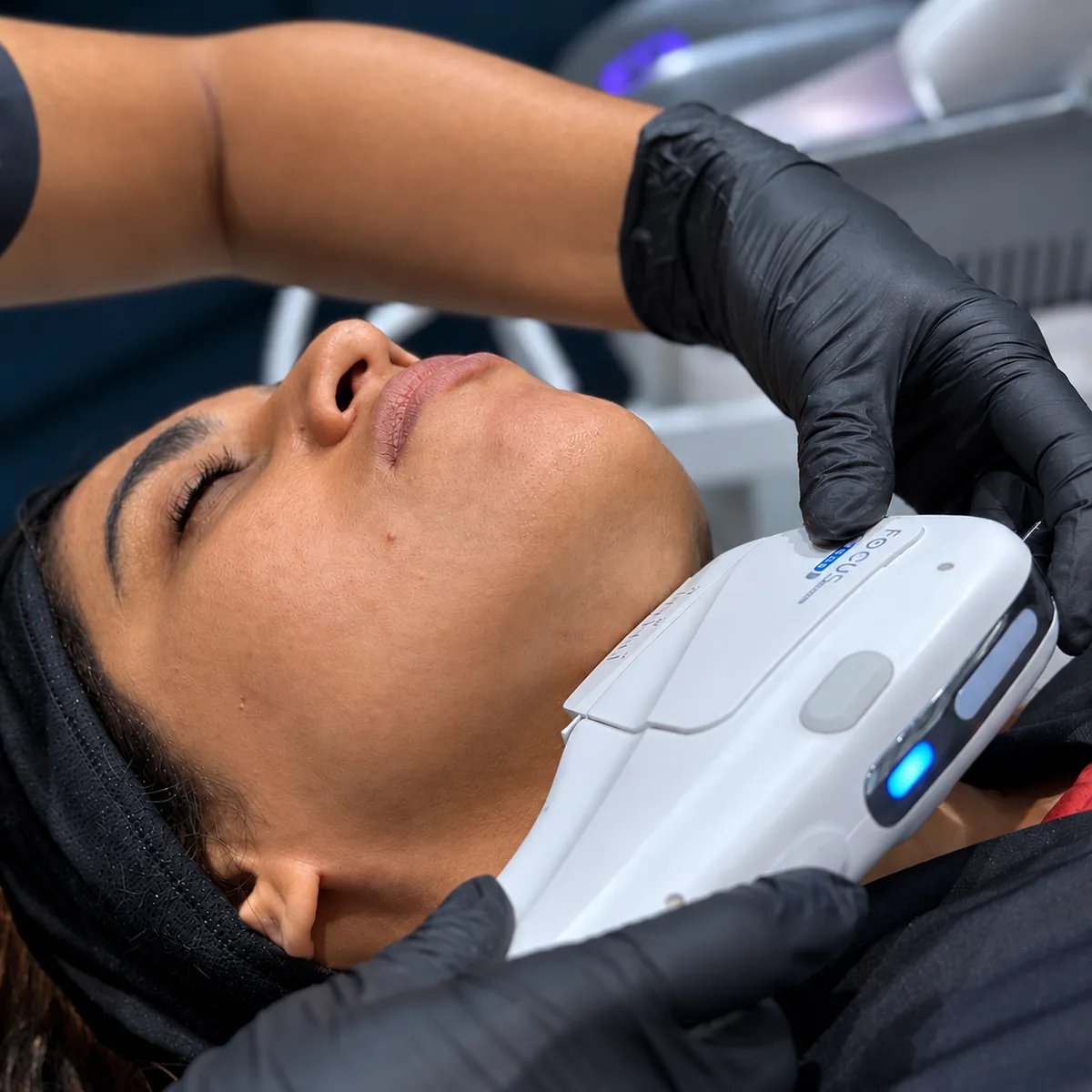
HIFU Skin Tightening in Bedford
High-intensity focused ultrasound for mild-to-moderate skin laxity.
Learn more →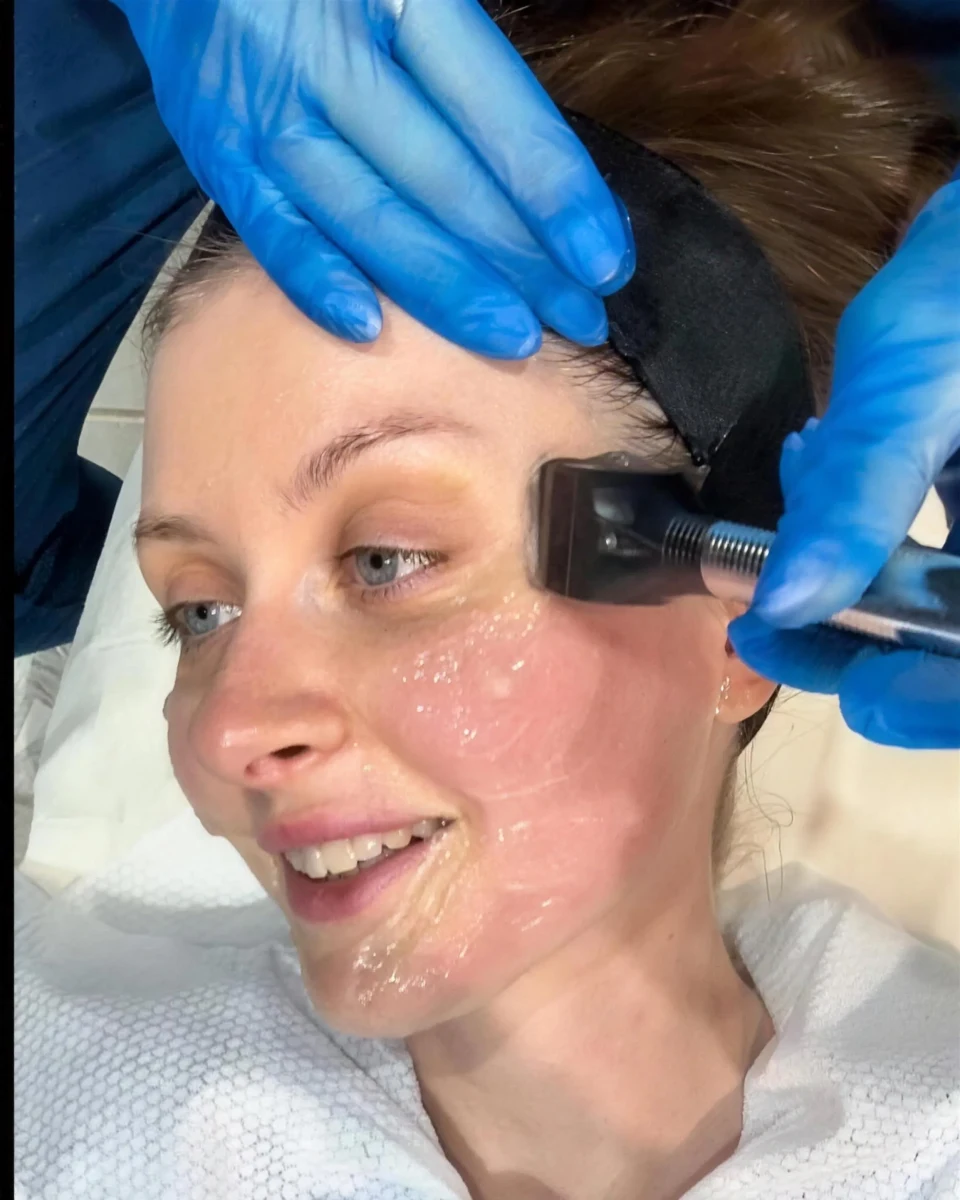
Forma Skin Tightening in Bedford
Radiofrequency treatment for collagen support and skin quality.
Learn more →Loose skin after Ozempic or Mounjaro specifically? See our dedicated page on loose skin after Ozempic & Mounjaro in Bedford.
Why choose Rejuvena for loose skin in Bedford?
We assess the real cause
Skin, fat or structural loss each need different treatment; we tell them apart before recommending anything.
Diploma in Dermatology
Assessed by Dr Nick, a GMC-registered doctor, not a beauty therapist or nurse.
Honest about limits
If your case genuinely needs surgery rather than a non-surgical course, we say so; we won’t sell you treatment that can’t deliver.
Local & welcoming
Based at 52 Thor Drive, Bedford, we care for patients from Kempston, Biddenham, Bromham and across Bedfordshire.
Verified Google reviews
What our patients say
5.0from 161 Google reviews
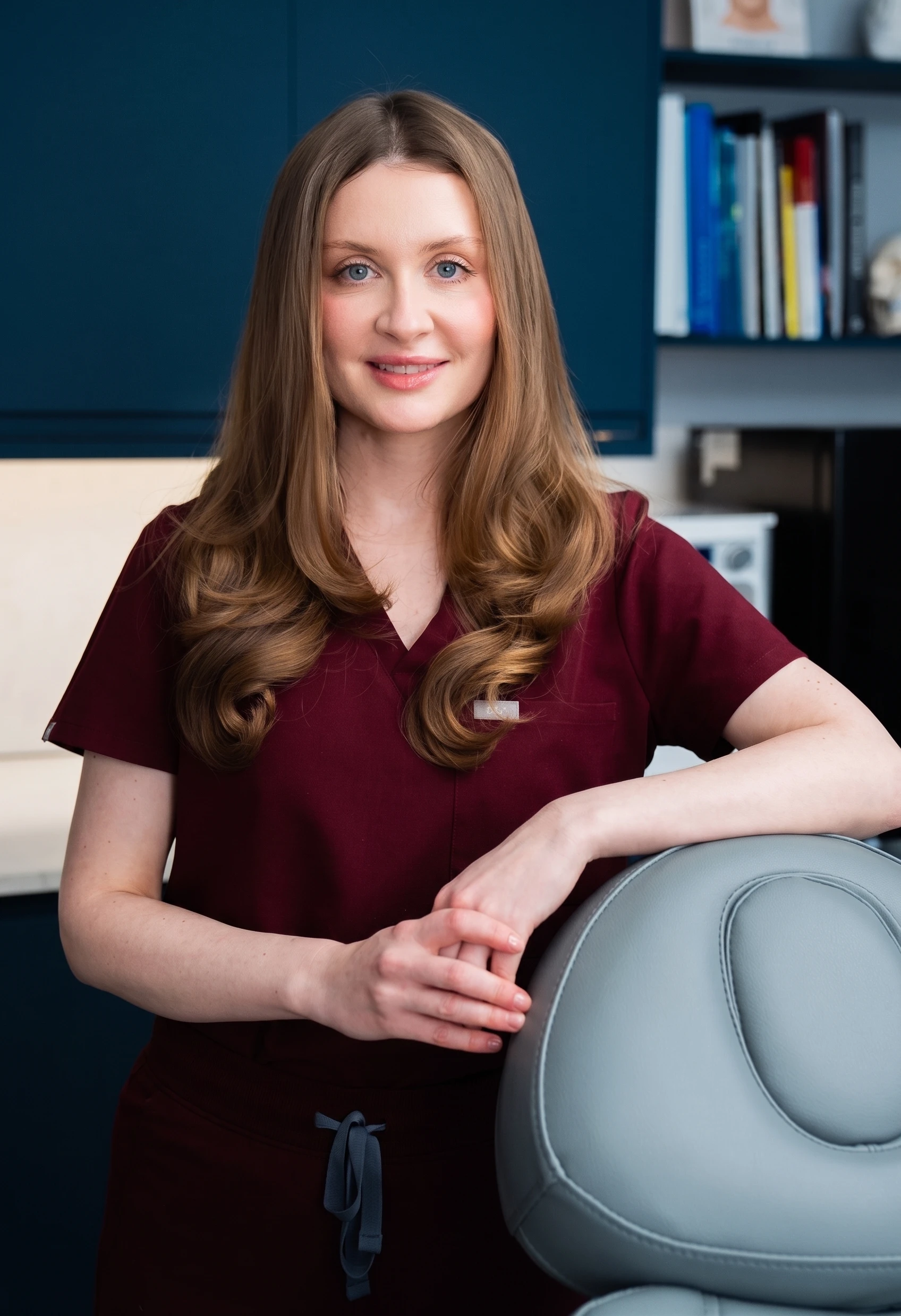
I have already been a customer for almost a year and I’m impressed with every visit of how professional the clinic is and how professional Lana is. She is very friendly as well and very knowledgeable in her domain, and knows the answer to every possible question I always have. I highly recommend the clinic for its services and for its professionalism! Thank you so much for everything, and I’m always looking forward for my appointments! ❤️
Rejuvena repliedThank you very much for your feedback Andreea. We appreciate you taking time to leave this review and glad to know you and your sister liked our service. ☺️🙏
Read this review on Google (opens in a new tab)Lana and Dr Nick are absolutely fabulous. They provide an exceptional service and genuinely go above and beyond to achieve the best possible outcome — particularly for those of us whose only request is to look “10 years younger”! Having experienced and attended numerous aesthetic clinics around the world over many years, I feel particularly well placed to recognise exceptional standards of care and expertise. I can categorically say that this is my clinic of choice. That is not simply because of the clinic’s extensive and impressive range of treatments, but because of Lana and Dr Nick, their professionalism and genuine commitment to their clients are what truly set this clinic apart. The atmosphere is wonderfully warm, welcoming and friendly, while remaining highly professional throughout. Their expertise, care and attention to detail inspire complete confidence, and I have always felt that I am in exceptionally capable hands. I recommend Lana, Dr Nick and the clinic with the utmost confidence. For me, it is not simply the treatments available or the results they achieve — it is the people behind them that make this clinic so special and keep me coming back.
Rejuvena repliedThank you very much for your kind review Monika. Your words and trust mean a lot to us, and we will continue to strive hard the exceptional service that our patients deserve. We ho
Read this review on Google (opens in a new tab)Great friendly and professional service . Explained everything and not at all pushy regarding any of the procedures . Would highly recommend them
Rejuvena repliedThank you very much for your kind comments Shaun. ☺️🙏
Read this review on Google (opens in a new tab)Really happy with my treatment. Dr Nick and Lana are lovely and make you feel completely at ease. Their knowledge is impeccable and the salon is beautiful. Would highly recommend!
Rejuvena repliedDear K, thank you very much for your kind review. We are happy to hear you liked our services. We hope to see you again in the clinic ☺️🙏
Read this review on Google (opens in a new tab)This clinic is a hidden gem! Dr Nick is so professional, really highly trained and his treatments are so effective! Lana is welcoming and her knowledge of skincare is second to none. Highly recommended
Rejuvena repliedYou are a kindest soul dear Avi. Thank you very much for your kind review 🤗🙏
Read this review on Google (opens in a new tab)My experience was really comfortable. Dr Nick is professional and skillful, he took the time to explain everything. I would throughly recommend their services.
Rejuvena repliedThank you very much for your kind review Holly. We are glad to hear you liked our services. This means a lot to us. ☺️🙏
Read this review on Google (opens in a new tab)Every review above is published on Google. Tap any card to read it there.
Loose Skin FAQs in Bedford
Will exercise or skincare fix loose skin?
Is “Ozempic face” a real thing?
Does HIFU or radiofrequency really tighten loose skin?
When do I need surgery instead of non-surgical treatment?
Can I get loose skin surgery on the NHS?
Book your loose skin consultation in Bedford
Speak with Dr Nick’s team at Rejuvena Bedford for an honest assessment of what non-surgical treatment can and can’t do for you. Book online or call us.