Melasma: Causes, Risks & an Honest Look at Treatment
What melasma is, why the most effective treatments carry a real risk of making pigmentation worse, why it so often recurs, and why the NHS does not fund treatment: the honest picture before you book anything.
Melasma is a chronic, hormone- and UV-driven facial pigmentation that is genuinely difficult to treat. The most effective treatments carry a real, quantified risk of making pigmentation worse (concentrated in the darker skin types most prone to melasma), and it comes back in most people. It is not funded on the NHS.
What is melasma?
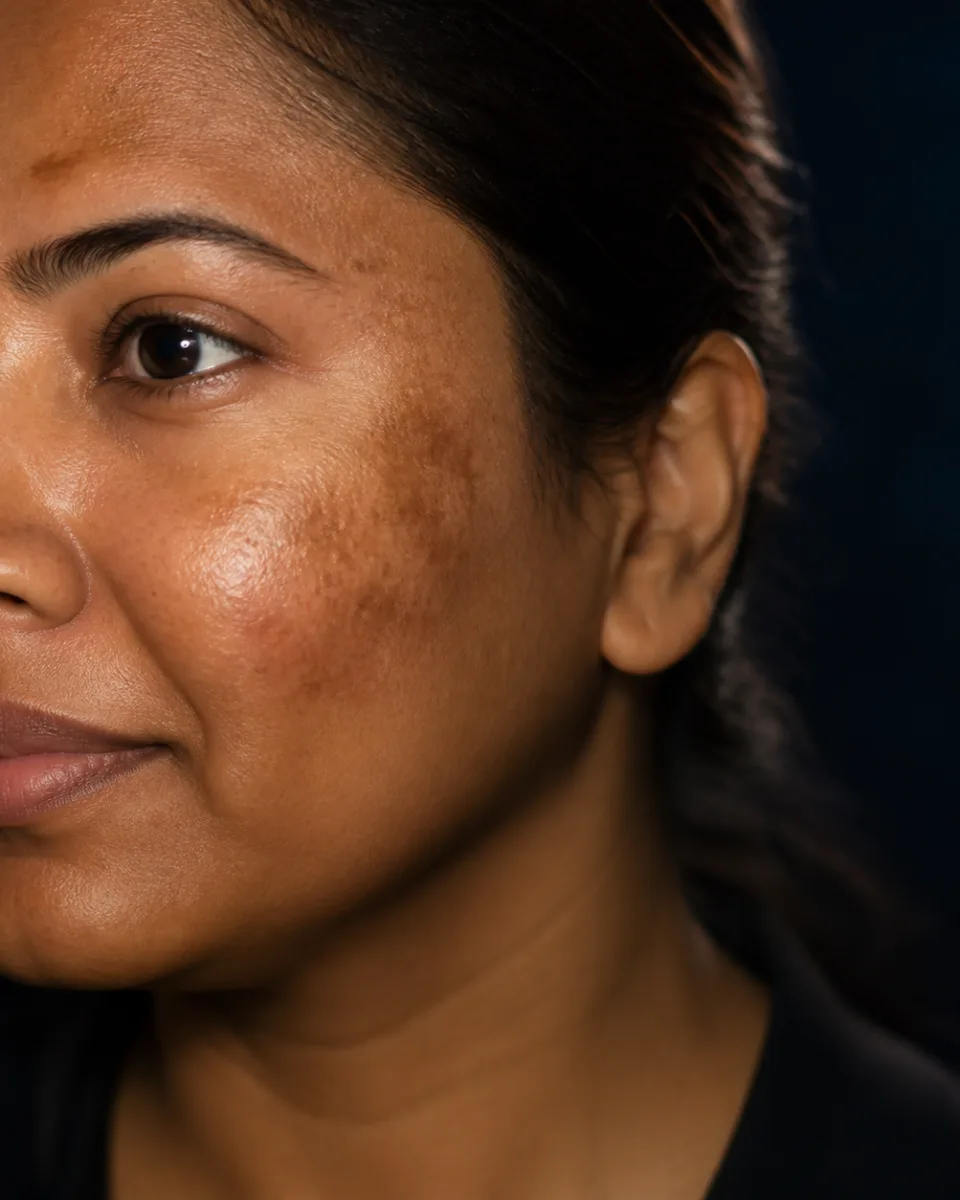
Melasma (also called “chloasma” and “pregnancy mask”) is described by the British Association of Dermatologists (BAD) as “a common skin condition of adults in which brown or greyish patches of pigmentation develop, usually on the face.” It appears as symmetrical, flat, brown or grey-brown patches with irregular borders, most often across the cheeks, forehead, upper lip, nose and chin, in three recognised patterns: centrofacial, malar and mandibular.
Melasma predominantly affects women (around 90% of cases, by clinical estimate) with onset typically between ages 20 and 50. It is more common during pregnancy, when the BAD notes up to 50% of women may be affected, and more common in darker skin tones and those who tan easily, though it “can occur in anyone.” Genetics play a real part too: at least a third of patients report other family members are also affected.
Melasma causes no physical symptoms (it is “neither itchy nor painful”) but for many people it is a real source of distress. It typically follows a chronic, relapsing course: significant improvement is achievable with consistent treatment, but complete, durable clearance is far less predictable. Pregnancy-related melasma is something of an exception, often fading a few months after delivery, though it can return in a later pregnancy.
What causes melasma?
Melasma is not fully understood at a mechanistic level, but three drivers are consistently identified. UV exposure is described in UK clinical guidance as “the most important exacerbating factor”: melasma “usually becomes more noticeable in the summer and improves during the winter months.” Hormonal factors are the second driver: pregnancy, combined and progestin-only contraceptives, hormone replacement therapy, and thyroid autoimmunity are all implicated, with pregnancy-related prevalence reported anywhere from 15.8% to 70% across different studies. Certain medications are also associated with melasma, including metronidazole, clarithromycin, finasteride, anastrazole and paroxetine. Genetic predisposition is the third, as noted above, family history is common.
One reassurance worth stating plainly, because it is a common patient worry: there is no evidence that blue light from phones, laptops or other personal electronic devices affects melasma.
The treatments that work best also carry the biggest risk
This is the single most important thing to understand before treating melasma, and we would rather you read it here than discover it after a poor result. Thermal energy from laser and light devices can inflame reactive, melasma-prone skin and stimulate (rather than suppress) the pigment cells responsible, producing rebound or patchy worsening instead of clearance. The BAD states this to patients directly: “The success of laser therapy is variable, and there may be risks associated with this treatment such as redness, pain and swelling. Additionally, it can worsen pigmentation issues or result in patches of lighter skin, a phenomenon more frequently observed in people of colour.”
This is not a vague caveat; it is quantified in the peer-reviewed literature. A systematic review of a widely used laser (low-fluence Q-switched Nd:YAG) found approximately a 10% risk of mottled hypopigmentation in East Asian patients, rising to 11.9% in one large cohort of 177 patients within 10 sessions, with the risk driven by excessive cumulative energy, high fluence, short treatment intervals and too many sessions.
The same review found rebound hyperpigmentation was more frequent in darker skin (Fitzpatrick IV, V): the very skin types most commonly affected by melasma in the first place. In practical terms: the group most likely to have melasma is also the group at greatest risk of laser treatment making it worse. UK clinical guidance is direct that “patients will require a test area to be treated due to the risk of laser causing hyperpigmentation,” and warns that stronger chemical peels can cause post-inflammatory hyperpigmentation “which may be more obvious than the melasma” itself.
Melasma is not the only thing this can look like
Melasma is diagnosed partly by its symmetrical facial pattern without a preceding injury. Post-inflammatory hyperpigmentation, by contrast, follows a specific trigger (acne, injury, eczema, a procedure) at the site. Solar lentigines are typically smaller, solitary marks rather than confluent symmetric patches. A handful of other, rarer conditions can also cause facial pigmentation (including Addison’s disease, haemochromatosis, discoid lupus, mastocytosis, and naevus of Ota or Hori), which is one reason a proper assessment matters rather than assuming any facial pigmentation is melasma.
Not a cancer risk
To be clear on this point: melasma is not cancerous and will not develop into skin cancer. It is a benign pigmentation disorder. The safety issue with melasma is entirely about treatment risk and realistic expectations, not malignancy.
Is melasma treatment available on the NHS?
No. The BAD states this directly and we quote it in full because it is the clearest source we have: “Chemical peels, microneedling and laser are usually not available as NHS procedures and can have associated risks.” There is one narrow exception worth knowing about. If melasma is plausibly caused or worsened by a medication (such as the contraceptive pill or HRT), reviewing that medication with your GP is a reasonable NHS-appropriate first step, separate from any cosmetic clearance procedure.
On tranexamic acid specifically, which is increasingly discussed for melasma: the NHS’s own medicines information is honest that the evidence is not there yet. It states that tranexamic acid “has been tested to treat skin discolouration in people with hyperpigmentation (melasma),” but “it’s too early to know how well this works as a skin lightening treatment… more research is needed before it can be recommended.” We think that caveat is worth repeating rather than glossing over, given how often tranexamic acid comes up in melasma discussions.
Melasma is treated with a personalised, layered plan (the right combination of depigmenting care, in-clinic steps and maintenance varies from person to person), so we don’t quote a one-size fee. After Dr Nick has assessed your skin, you’ll receive a clear, honest plan and the price for it.
No pressure, no invented numbers, and no promise of a cure because there isn’t one.
How melasma is managed at Rejuvena
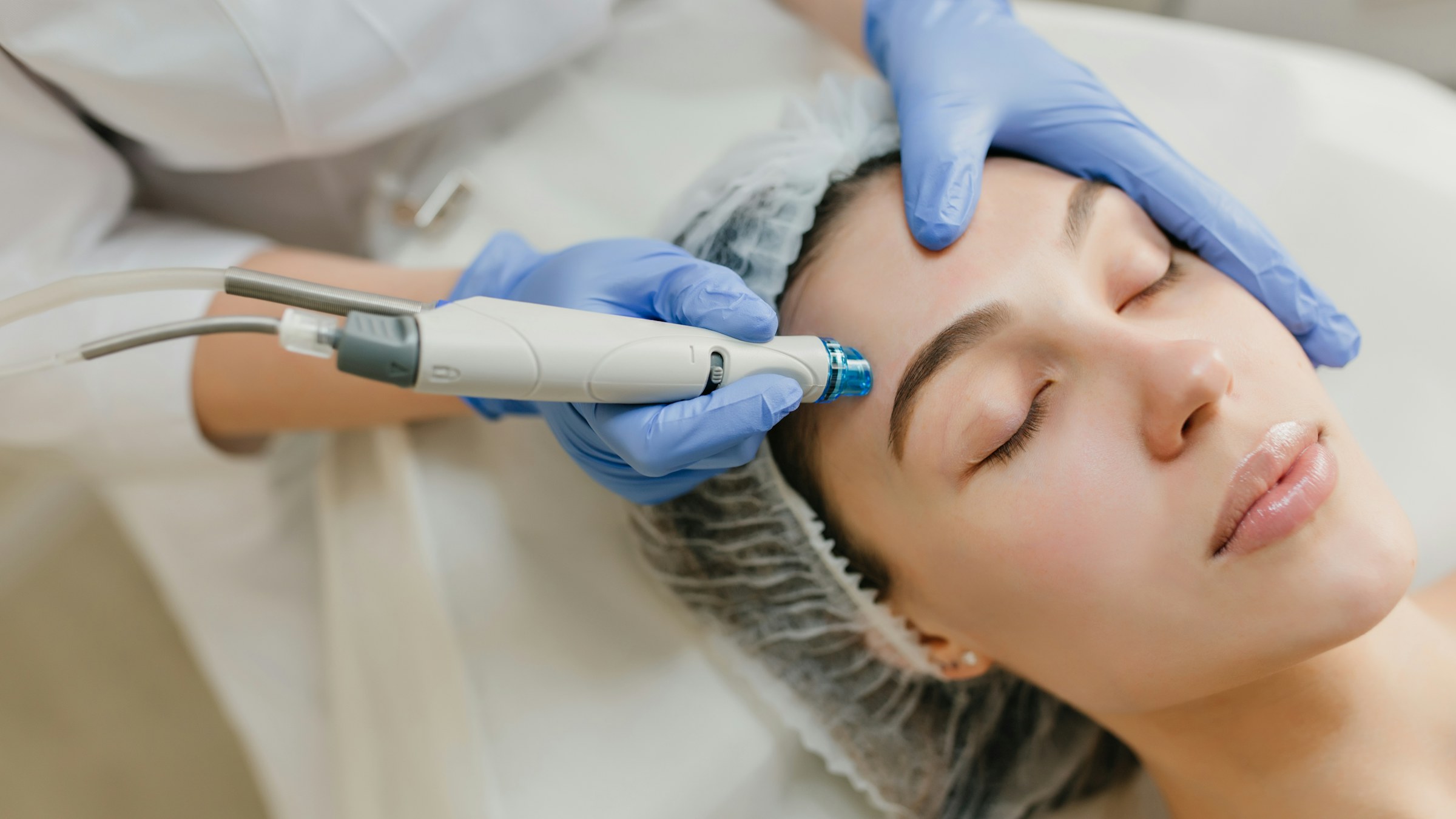
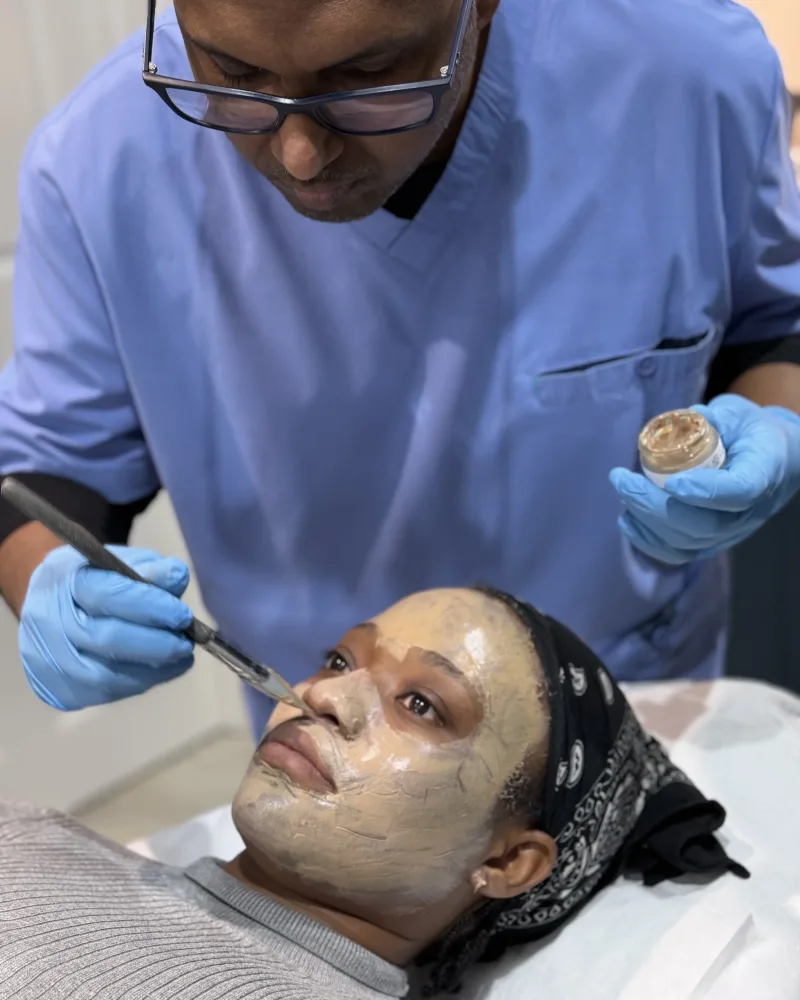
Because of the worsening risk described above, we deliberately do not lead with IPL or aggressive heat-based lasers for melasma. Your plan is built topical-first (depigmenting care such as the Cosmelan® peel, plus non-negotiable daily SPF) with a conservative, low-energy in-clinic option added only where Dr Nick judges it genuinely suitable for your skin. The goal stated honestly: manage and control, not cure.
Why choose Rejuvena for melasma in Bedford?
Doctor-led from day one
Assessed by Dr Nick (MBBS, MRCGP, Diploma in Dermatology, GMC 6072251) before any plan is built.
Cautious with heat
We deliberately avoid promoting IPL or aggressive lasers for melasma, because the evidence shows they can make it worse.
Honesty over hype
We say “managed, not cured” and we tell you the real recurrence rates: no invented promises.
Local & welcoming
Based at 52 Thor Drive, Bedford, we care for patients from Kempston, Biddenham, Bromham and across Bedfordshire.
Verified Google reviews
What our patients say
5.0from 161 Google reviews
I recently had a lesion removed from my cheek. The pigmented lesion had bothered me for years. I’m glad I finally decided to do something about it. I was quite nervous on the day, but Dr. Nick and Lana were so careful and reassuring — they really put me at ease. The procedure was quick and comfortable, and I feel so much better for having it done. I did a lot of research before I chose this clinic for my treatment. The clinic’s medical dermatology focus made me feel confident I would be in the right hands. I’m really grateful for the care I received and I would definitely recommend this clinic.
Rejuvena repliedThank you so much for your skin review Dupinder 🙏
Read this review on Google (opens in a new tab)Throughout my Lumecca experience Nick & Lana have been nothing but exceptional. Their knowledge and experience mixed with personal customer service can’t be matched. They put your mind and rest and explain everything from the start. The results speak for themselves! For years I have managed Rosecea, Pigmentation and Thread Veins. After just one treatment I could see clearer, dewy skin. Thanks to Nick and Lana my confidence has grown to be able to go out with minimal make up on. A Randall
Rejuvena repliedHi Aisling, thank you for your kind review. We are so happy that we managed to help you feel confident in your skin again. It means a lot to us, so thank you once again. ☺️🙏
Read this review on Google (opens in a new tab)Dr Nick and Lana made me feel welcomed and comfortable in their care. I would highly recommend for their wealth of knowledge, kindness, skill and gentle hands.
Rejuvena repliedThank you Silvana for your kind review, glad to hear, you felt well taken care of. ☺️🙏🤗
Read this review on Google (opens in a new tab)I’ve been seeing Dr Nick and Lana for almost a year now. They have provided me with such a comforting experience and given exceptional results. Their Salon isn’t local for me, but I chose to keep seeing Dr Nick because of his professionalism and extra care he takes to my individual needs. I’m always provided with a detailed, realistic outcome before and after any treatment, by being explained any possible risks or benefits, which helped me a lot in making decisions. Seeing Dr Nick has helped changed my skin and I’m grateful for how attentive and skilled he was during my treatment. After any treatment i’ve always been followed up with the recovery, aftercare advice or any worries I had, which helped me feel at ease. I was understandably nervous for my treatment before seeing Dr Nick and Lana, but it was a great joy seeing them as they are always the most genuine and welcoming towards me, anytime I visit I feel very safe in the hands of Dr Nick.
Rejuvena repliedAww Ruby, thank you very much for your kind review. It made us emotional reading it. We are glad to hear you feel you have received good service from us. It’s always a pleasure see
Read this review on Google (opens in a new tab)I have been visiting Lana’s clinic for approximately one year, and each experience has been exceptional. I always leave feeling happy, confident, and fully satisfied with the quality of her work. Lana is highly skilled, attentive, and genuinely cares about her clients, ensuring that every detail is addressed with great care. I wholeheartedly recommend her services. If you are considering booking an appointment, do not hesitate—you will be in excellent hands!
Rejuvena repliedThank you very much for your sweetest review Roxana. It means a lot to me that you like our services ☺️🙏🤗🥺
Read this review on Google (opens in a new tab)Very very good! Clean. Can’t wait to start my journey here Non judgmental
Rejuvena repliedAww! Thank you very much Peter ☺️🙏 for leaving us a 5 star review. Really appreciate your kindness. We can’t wait to help you in getting your confidence back! 🤗
Read this review on Google (opens in a new tab)Every review above is published on Google. Tap any card to read it there.
Melasma FAQs in Bedford
Is melasma dangerous?
Will melasma treatment come back?
Can laser treatment make melasma worse?
Is melasma treatment available on the NHS?
How much does melasma treatment cost in Bedford?
Can melasma be cured permanently?
Does melasma go away after pregnancy?
Book your melasma consultation in Bedford
Speak with Dr Nick’s team at Rejuvena Bedford for an honest assessment and a safe, personalised melasma plan. Book online or call us.