Doctor-led venous lake removal in Bedford
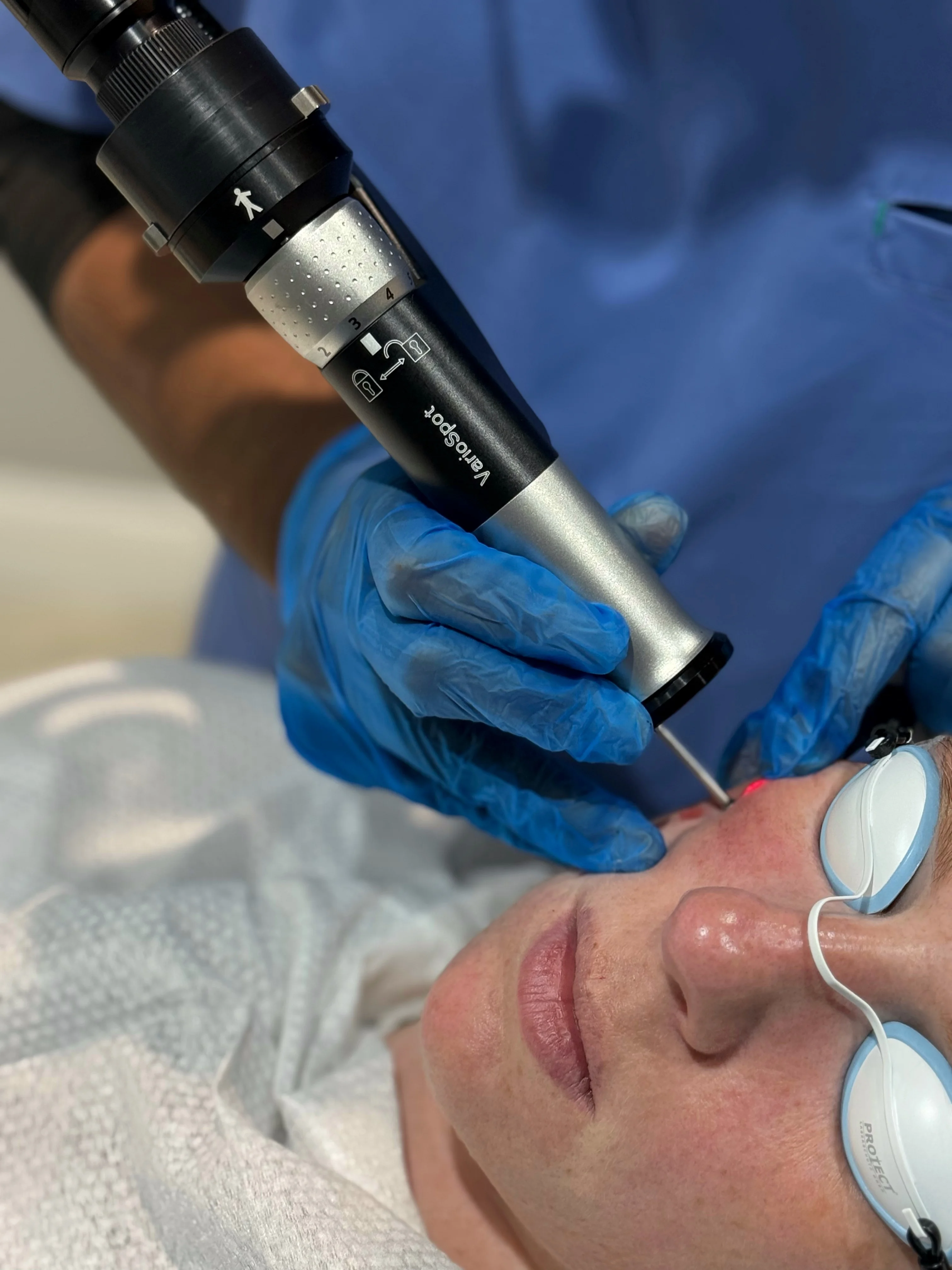
Blue-purple spots on the lip or face are assessed to confirm that the lesion is a venous lake before treatment. Where suitable, a vascular laser can target the blood vessel precisely, with healing and session expectations explained in advance.
- Diagnosis before treatment
- Vascular laser option
- Precise clinical care
- Bedford clinic

A venous lake is a harmless, soft blue-purple spot caused by a widened tiny vein near the surface of the skin. But a new dark mark on the lip should always be checked by a doctor before anyone treats it.
What is a venous lake, and is it safe to remove?
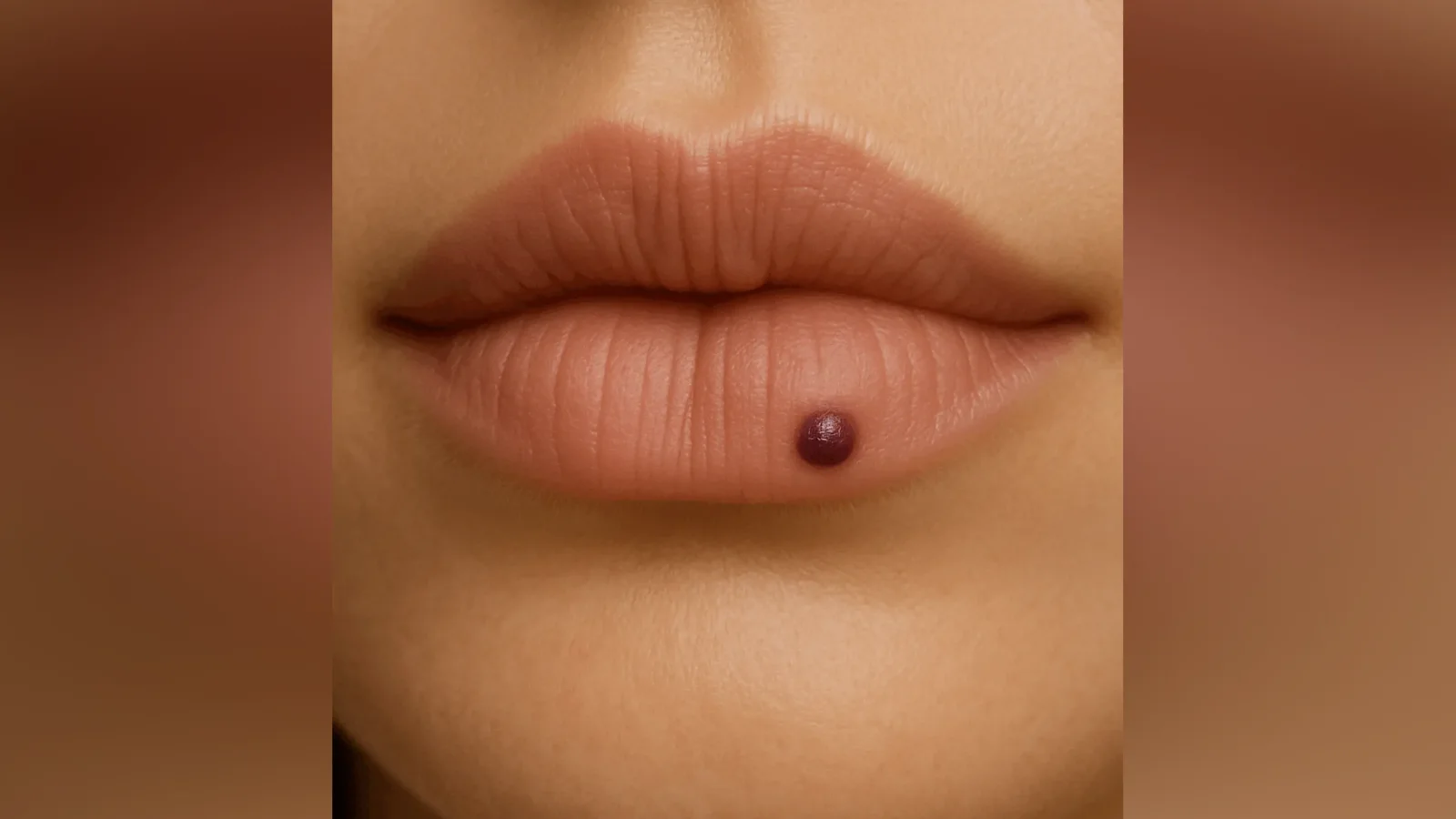
A venous lake is a benign, soft, dark blue-to-purple papule caused by a dilated venule — a small vein that has widened in the upper layer of the skin. They are most common on the lower lip, but also appear on the ears, face and neck, and they typically develop in middle-aged and older adults with a history of sun exposure. A characteristic clinical sign is that a venous lake blanches (empties of colour) when firm pressure is applied, because the blood is pushed out of the dilated vessel — this helps distinguish it from a solid pigmented lesion.
Venous lakes are not cancerous. They are usually a cosmetic concern, but on the lip they can catch, feel raised and occasionally bleed if knocked. Removal is safe and effective when it is done correctly — and the most important step comes first. Because a dark spot on the lip can occasionally mimic other vascular or pigmented lesions, Dr Nick assesses every lesion before any treatment, using examination and blanching testing, and will refer you appropriately rather than treat anything that looks atypical. We confirm what we are treating before we treat it.
What venous lake removal helps with
At Rejuvena in Bedford, each venous lake removal plan starts with a careful assessment to confirm the concern, suitability and realistic next steps.
Lower-lip venous lakes
Soft, blue-to-purple spots on the lower lip
Discuss at your consultation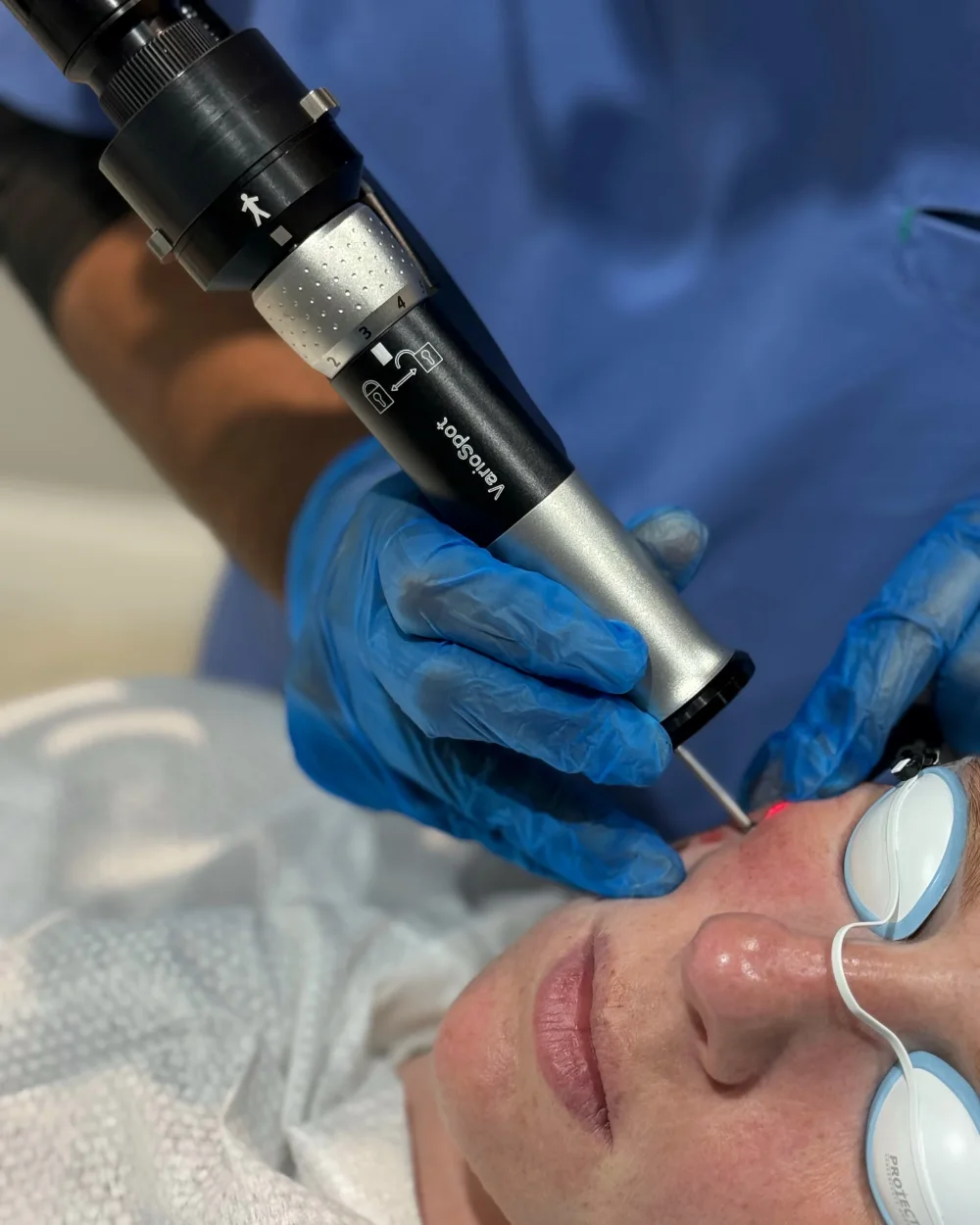
Face, ear or neck lesions
Venous lakes on the ears, face or neck
Discuss at your consultationRaised or bleeding lesions
Lesions that catch, feel raised or occasionally bleed
Discuss at your consultationDark marks near the lip
Cosmetic concern about a dark mark near the lip border
Discuss at your consultationDoctor-led diagnosis
Wanting a benign lip lesion checked by a doctor first
Discuss at your consultationRecurrent venous lakes
Re-treatment of a venous lake that has not fully faded
Discuss at your consultation
Light that targets the vessel, not the skin
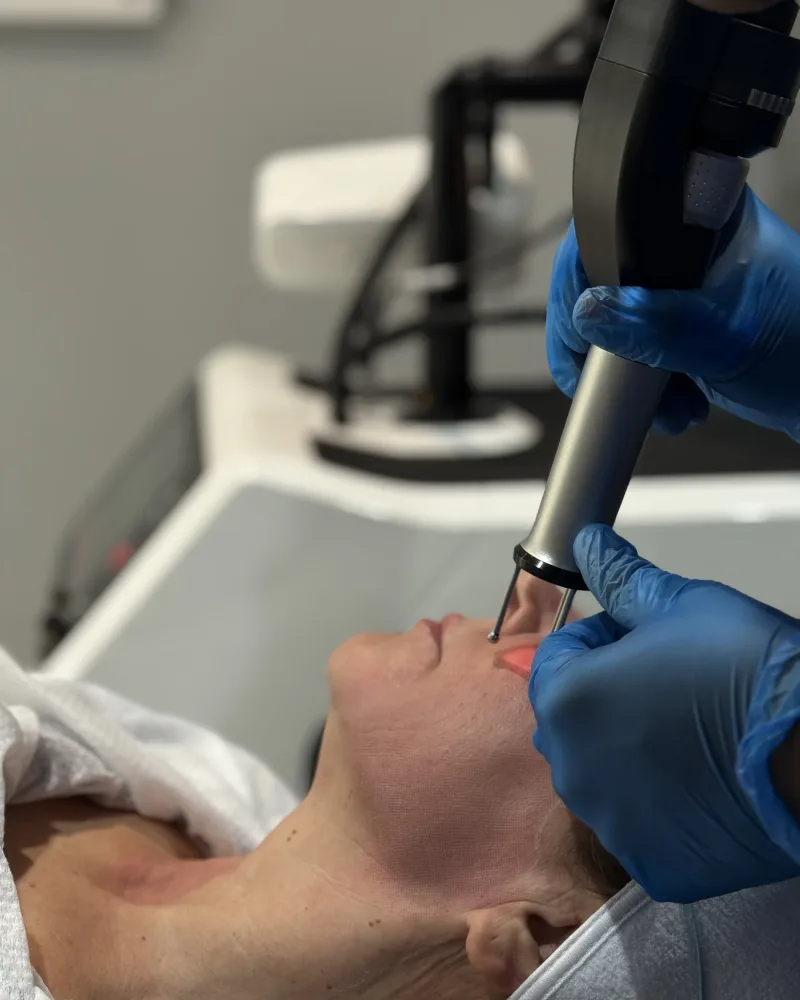
Once a lesion is confirmed as a benign venous lake, it is treated with a vascular laser or light-based device selected for your skin and the depth of the lesion. The energy is absorbed by the blood inside the dilated venule, heating and collapsing the vessel so the colour fades.
Vascular laser & light-based treatment
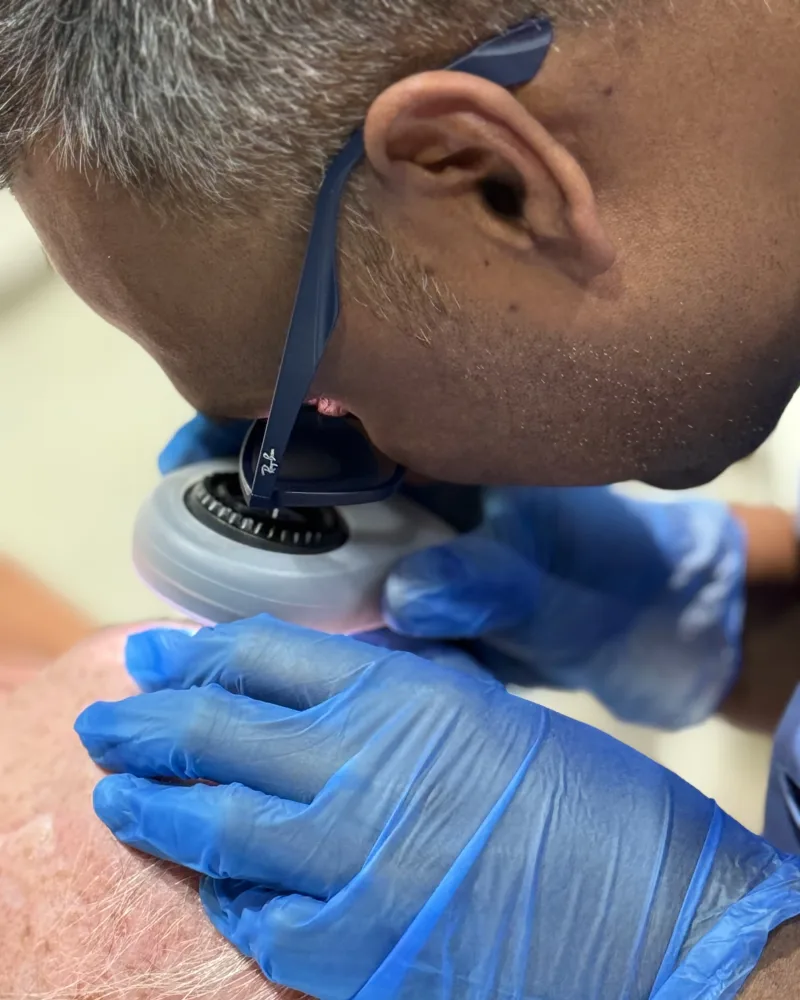
Venous lakes respond well to selective photothermolysis: the laser or light energy is absorbed by haemoglobin (the pigment in blood), heating the dilated venule so it coagulates, collapses and is gradually reabsorbed by the body. Deeper, bluer lesions suit a long-pulsed laser that penetrates further; more superficial vessels may be better suited to other settings or light-based devices. The exact device and settings are matched to your skin type and lesion at your consultation, so it is appropriate for sensitive areas such as the lip.
- Best for Confirmed venous lakes on the lip, ear & face
- Sessions Often 1, sometimes 2 for full fading
- Downtime Healing usually over 2–3 weeks
- Recurrence Possible over time — re-treatment available
Related procedures: thread vein removal · laser skin lesion removal · Lumecca IPL
Your venous lake treatment, step by step
Consultation & diagnosis
Dr Nick examines the lesion, checks that it blanches on pressure and confirms it is a benign venous lake. If any feature is atypical — irregular pigment, a firm or non-blanching lesion, recent change or bleeding without trauma — he will arrange the right assessment or referral instead of proceeding to cosmetic treatment.
Comfort & cooling
The area is cooled and a topical anaesthetic can be applied where needed to keep the lip or treatment site comfortable during the short laser pass.
Laser treatment
The vascular laser or light device is directed precisely at the lesion. Most venous lakes are small, so treatment takes only a few minutes. You may notice a brief warm snap with each pulse.
Immediate review
Dr Nick checks the response and confirms the surrounding tissue is undisturbed. The lesion may look darker or greyish at first as it begins to resolve.
Healing & aftercare
You are given written aftercare: keep the area clean, do not pick any scab, use the recommended emollient and strict sun protection. Most sites heal over 2–3 weeks. A second session is arranged if any colour remains.
Because venous lake removal depends on the lesion’s size, depth, number and location, pricing is confirmed at your consultation once Dr Nick has assessed it and agreed the right approach with you. This also lets us be certain the lesion is suitable for cosmetic treatment before quoting anything.

A blue mark on the lip is almost always harmless — but “almost always” is exactly why I examine every one before treating it. Diagnosis comes first; the laser comes second.
Why choose Rejuvena for venous lake removal in Bedford?
Assessed before treated
Dr Nick confirms every lesion is a benign venous lake — and refers appropriately if anything looks atypical — before any laser is used.
Doctor-led, GMC-registered
Your treatment is led by Dr Nick (MBBS, MRCGP, Diploma in Dermatology), supported by skin therapist Lana under his oversight.
Lip & delicate areas
The lip is a sensitive site. We use precise, vascular-targeted technique chosen for your lesion and skin type.
Honest expectations
Most venous lakes fade well, often in one or two sessions. We are clear that new lakes can form over time and re-treatment is available.
Who is — and isn’t — suitable
Well suited
Adults with a confirmed benign venous lake — typically on the lip, ear or face — that is cosmetically bothersome, raised, or catches and bleeds. The lesion blanches on pressure and has been clinically assessed as benign by Dr Nick.
Not suitable / needs review
Any lesion not confirmed benign — atypical, changing, irregularly coloured, ulcerated, firm or non-blanching — is assessed and referred, not treated cosmetically. We also defer or review for pregnancy, active infection or a cold sore at the site, photosensitising medication, recent significant sun exposure or tan, bleeding disorders or anticoagulants, and a history of keloid scarring.
Possible side-effects
Temporary redness, swelling, bruising, a darkening or scab as the lesion resolves, and mild tenderness are common. Less commonly there can be blistering, temporary pigment change (more relevant in deeper skin tones), a small risk of scarring or infection, and incomplete clearance or recurrence needing further treatment.
Related treatments at Rejuvena Bedford
Thread Vein Removal
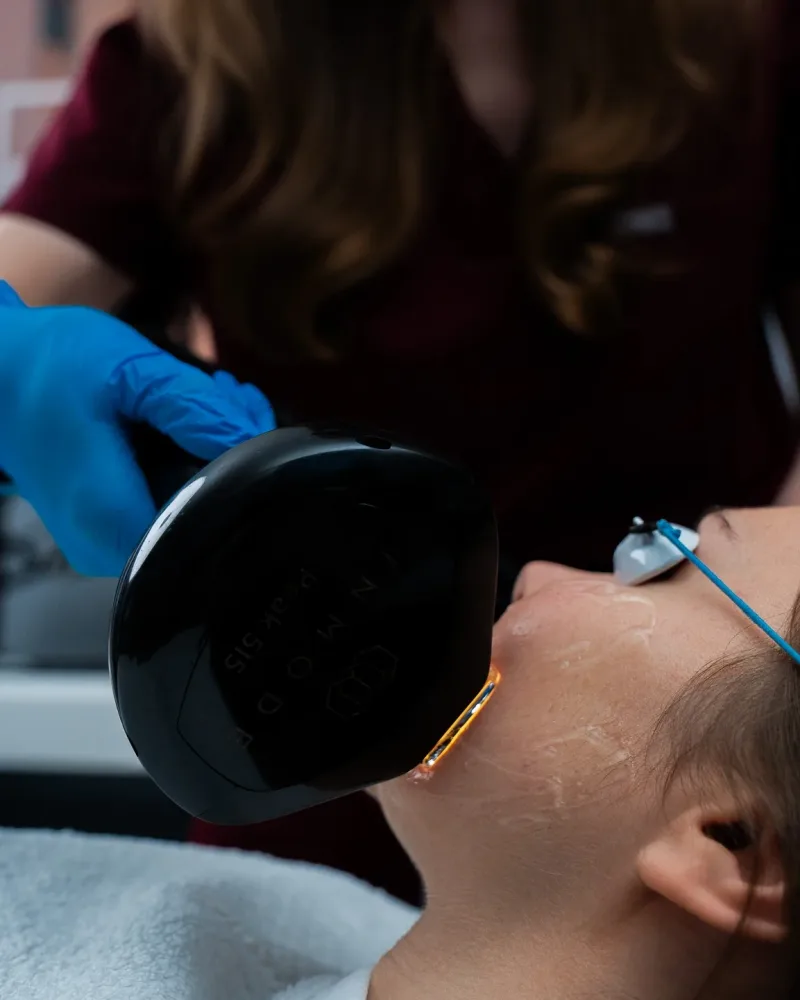
Vascular-laser treatment for fine facial thread veins and spider veins — the same light-based family used for venous lakes.
Learn more →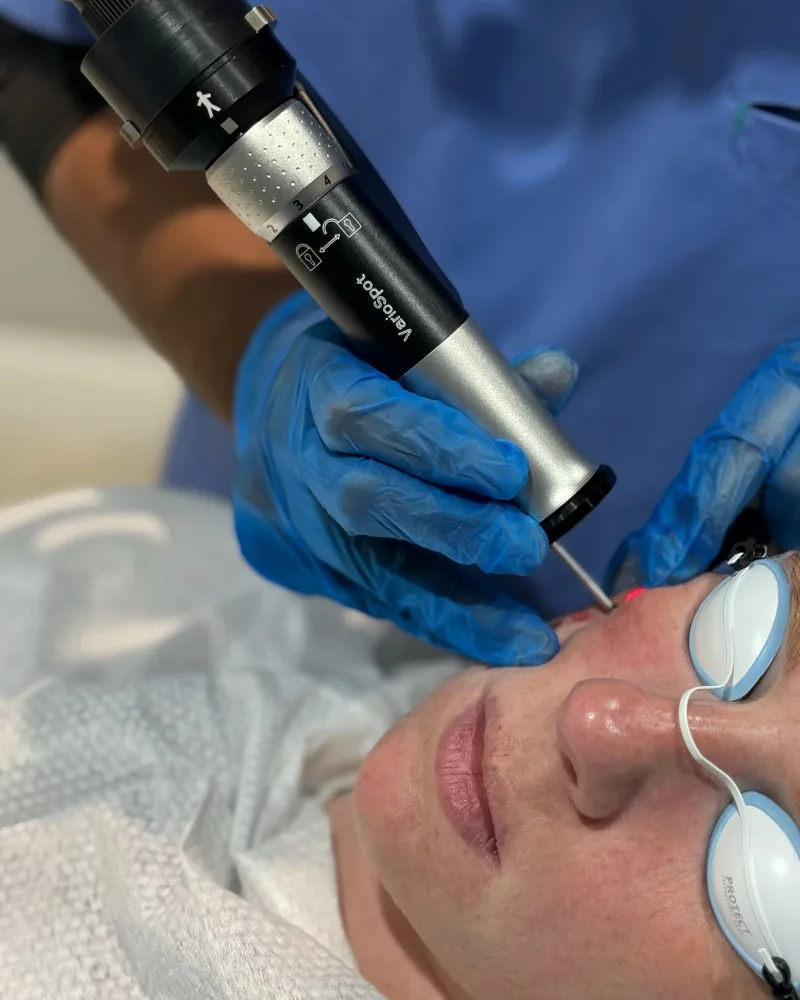
Laser Skin Lesion Removal
Doctor-led assessment and laser removal of a range of benign skin lesions — the umbrella service for lesion care.
Learn more →Lumecca IPL
Intense pulsed light for superficial vascular and red lesions and uneven tone — another haemoglobin-targeted option in the same light-based family.
Learn more →Verified Google reviews
What our patients say
5.0from 161 Google reviews
Lana and Dr Nick are both friendly and professional. I had treatment for thread vein removal and starting to see good results already! Thank you :)
Rejuvena repliedThank you very much for your kind words Alison. Your thread veins are improving great! Kind regards 🤗
Read this review on Google (opens in a new tab)I recently had a lesion removed from my cheek. The pigmented lesion had bothered me for years. I’m glad I finally decided to do something about it. I was quite nervous on the day, but Dr. Nick and Lana were so careful and reassuring — they really put me at ease. The procedure was quick and comfortable, and I feel so much better for having it done. I did a lot of research before I chose this clinic for my treatment. The clinic’s medical dermatology focus made me feel confident I would be in the right hands. I’m really grateful for the care I received and I would definitely recommend this clinic.
Rejuvena repliedThank you so much for your skin review Dupinder 🙏
Read this review on Google (opens in a new tab)I had lots of skin lesions on both hands and Dr Nick and Lana have been great treating me.I will definitely be returning for any future treatments and highly recommend seeing Dr Nick.Great service and facilities thanks again.
Rejuvena repliedAww! Thank you Gavin for your kind review. It was a great pleasure having you in our clinic and we look forward to seeing you in the future too. 😊🙏
Read this review on Google (opens in a new tab)Where to begin? Easy online booking, friendly team and professional pre-treatment consultations. Dr Nick’s medical background offers the expertise and reassurance that’s often missed in beauty salons. Lots of valuable advice as I explored thread vein treatments, options, budget, and desired results. In addition to the treatment itself, I’ve welcomed the superb after-care and support. I’ll absolutely be returning and already have my eye on their cool later facial. Thank you team Rejuvena!
Rejuvena repliedThank you very much Gemma, for your kind review. We are so glad to hear you liked our services. We are very grateful. ☺️🙏
Read this review on Google (opens in a new tab)Very very good! Clean. Can’t wait to start my journey here Non judgmental
Rejuvena repliedAww! Thank you very much Peter ☺️🙏 for leaving us a 5 star review. Really appreciate your kindness. We can’t wait to help you in getting your confidence back! 🤗
Read this review on Google (opens in a new tab)I had the most incredible experience with the treatment I recently received from Dr Nick. From the moment I walked into the salon, I felt welcomed. Both Dr Nick and his wife were incredibly professional, attentive, and knowledgeable, ensuring that every detail of the treatment was tailored to my needs. The results were absolutely phenomenal! The products used were of the highest quality, and the technique was flawless. I also appreciated the aftercare advice provided, which showed their commitment to ensuring long-lasting results. For anyone looking for a luxurious, effective and natural treatment, I cannot recommend Rejuvena Laser & Aesthetic Clinic enough. Five stars aren’t enough to express how thrilled I am – I will definitely be returning for more!
Rejuvena repliedDear Viktoria, thank you very much for your kind review. We are very happy to learn that you are very satisfied with your results, and you found us professional and welcoming. We l
Read this review on Google (opens in a new tab)Every review above is published on Google. Tap any card to read it there.
Frequently asked questions — venous lake removal in Bedford
What is a venous lake on the lip?
Is a venous lake dangerous, or can it turn into cancer?
How is a venous lake different from a blood blister or melanoma?
Does laser venous lake removal hurt?
How many sessions will I need, and how long is recovery?
Will a venous lake come back after laser treatment?
Can I have a venous lake removed during pregnancy?
How much does venous lake removal cost in Bedford?
Book venous lake removal in Bedford
Have a blue or purple spot on your lip or face checked by Dr Nick at Rejuvena Bedford — diagnosis first, then doctor-led laser treatment if it’s a venous lake. Serving Bedford, Kempston, Bromham, Wootton, Great Denham, Milton Keynes and across Bedfordshire.