Age & Sun Spot Treatment in Bedford
Doctor-led removal of age spots, sun spots and “liver spots” (solar lentigines). Dr Nick assesses every pigmented lesion first, then treats with Lumecca™ IPL, Cosmelan or Cool Laser resurfacing, and refers appropriately if anything looks atypical.
Age spots are harmless sun damage, but a flat brown patch on sun-exposed skin can occasionally mimic something more serious. Every pigmented lesion is assessed by a doctor before any treatment begins.
What are age & sun spots?
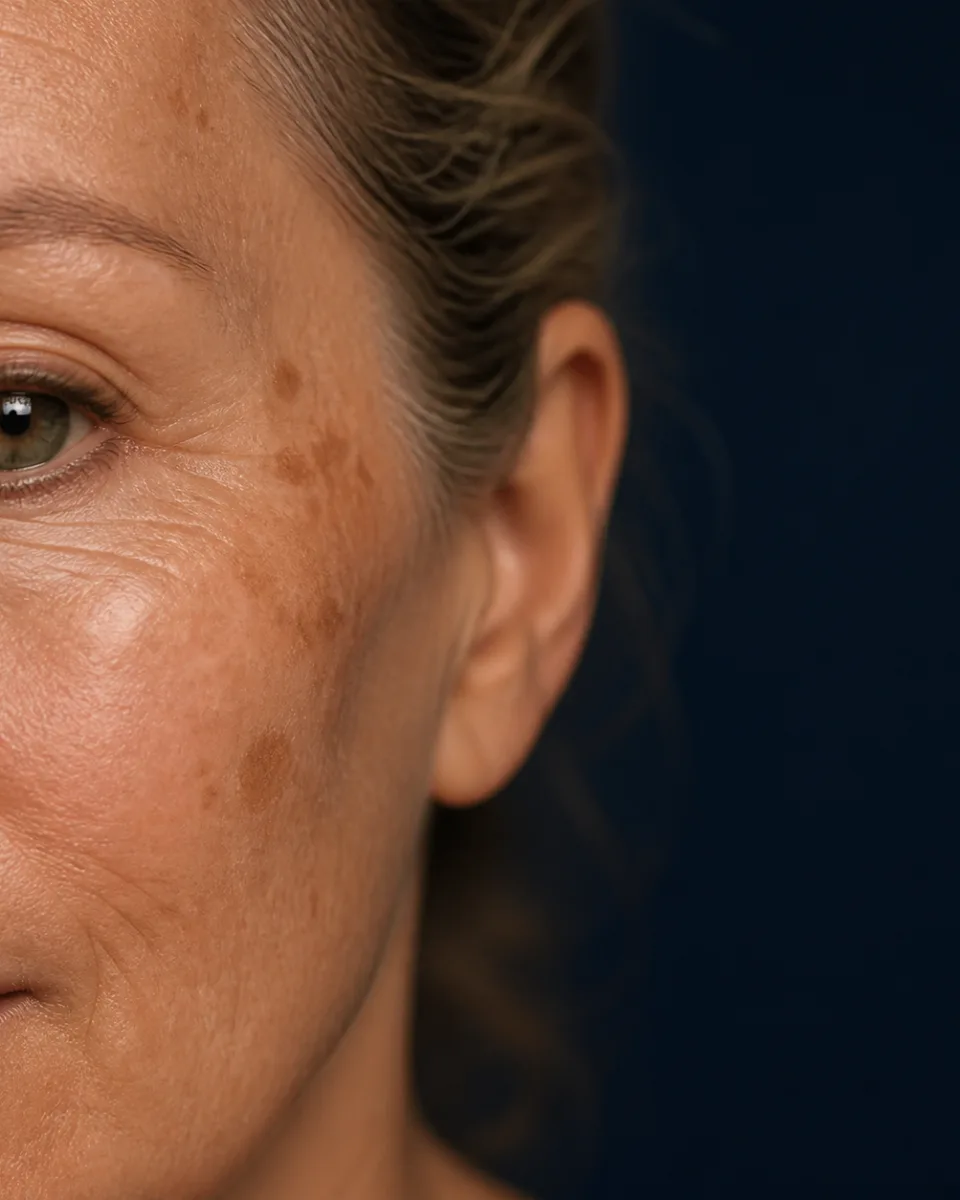
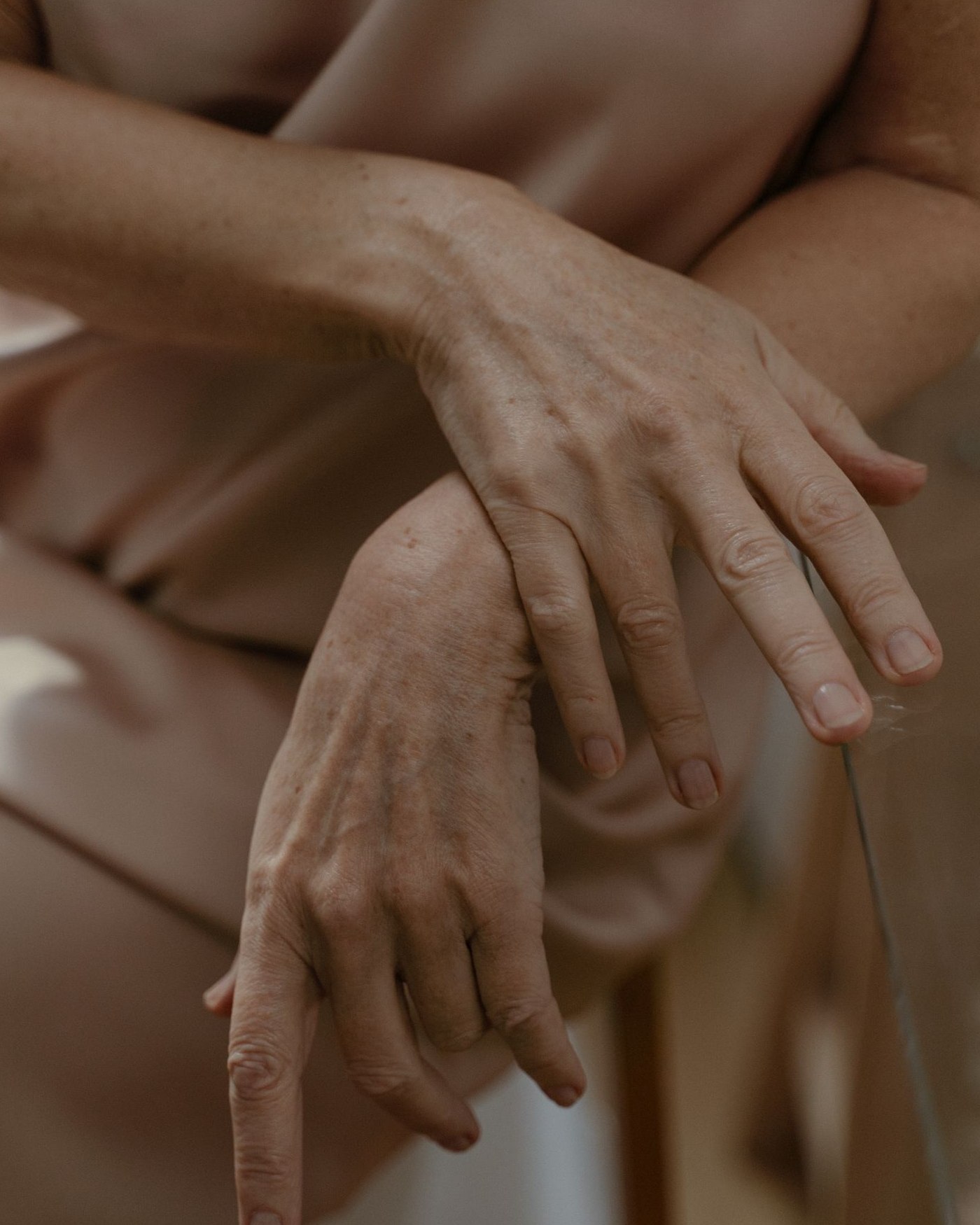
Age spots, also called sun spots, “liver spots” or solar lentigines are flat, well-defined brown to tan patches of clustered melanin caused by years of cumulative ultraviolet (UV) exposure. Despite the name “liver spots”, they have nothing to do with the liver. They appear most often on the areas that catch the most sun: the face, the backs of the hands, the forearms, the shoulders and the décolletage. They are flat and smooth (not raised or waxy), range from a few millimetres to over a centimetre, and are entirely benign: a cosmetic concern, not a medical one.
They become more common from around the age of 40, and up to nine in ten fair-skinned people over 60 have them. The “age” in age spots is a little misleading: the real driver is accumulated sun and sunbed exposure rather than ageing alone, which is why younger people with a lot of sun history can develop them too.
Age spots vs sun spots vs freckles vs melasma
These terms are easy to confuse, and getting the diagnosis right changes the treatment:
- Age spots and sun spots are the same thing: both are solar lentigines from UV exposure. There is no clinical difference; the words are simply used interchangeably.
- Freckles (ephelides) are smaller, often genetic, tend to fade in winter and darken with summer sun, and appear earlier in life: a different pattern from UV-driven age spots.
- Melasma is a hormonally-driven, often symmetrical pigmentation (commonly on the cheeks, forehead and upper lip) linked to pregnancy, the pill or HRT, and it can be made worse by heat and light. It needs a different approach from discrete sun spots.
Sun spots are discrete, UV-driven and respond well to light-based and resurfacing treatments, which is why they are managed differently from diffuse or hormonal pigmentation. For the broader picture, explore our pigmentation treatment hub in Bedford.
What causes age & sun spots?
UV radiation from sunlight and sunbeds triggers pigment-producing cells to over-produce melanin, which then clumps in the lower epidermis. Over years, this builds the visible flat brown patches. Fair skin (Fitzpatrick types I–II), a history of sunburn or sunbed use, and age all increase the likelihood. Because melanin is the target (“chromophore”) for light- and laser-based devices, these spots can be lightened by treatments that selectively heat and fragment that pigment so the body can clear it.
Are age spots dangerous? When Dr Nick refers
Solar lentigines themselves are harmless. The reason age spots are assessed by a doctor is that, occasionally, a flat brown patch on sun-damaged skin can be an early skin cancer such as lentigo maligna or lentigo maligna melanoma, and these can look deceptively like an ordinary age spot.
Assessed before treated
Dr Nick (MBBS, MRCGP, Diploma in Dermatology, GMC 6072251) examines every pigmented lesion before any cosmetic treatment. We never laser or peel an undiagnosed spot, because doing so could mask or delay a melanoma diagnosis. If a lesion looks atypical, Dr Nick refers you appropriately for specialist assessment rather than treating it.
- Check it Asymmetry, an uneven or “moth-eaten” border, more than one colour or any grey shade
- Watch it A spot that is changing in size, shape or colour, or growing
- Raised & waxy? May be a benign seborrhoeic keratosis rather than a flat lentigo
- Any doubt Assessment and referral, never blind cosmetic treatment
How we clear age & sun spots in Bedford
Once a spot is confirmed benign, the right modality is chosen for your skin type and the lesion. This concern page explains the options: each links to its full treatment page.
Lumecca™ IPL
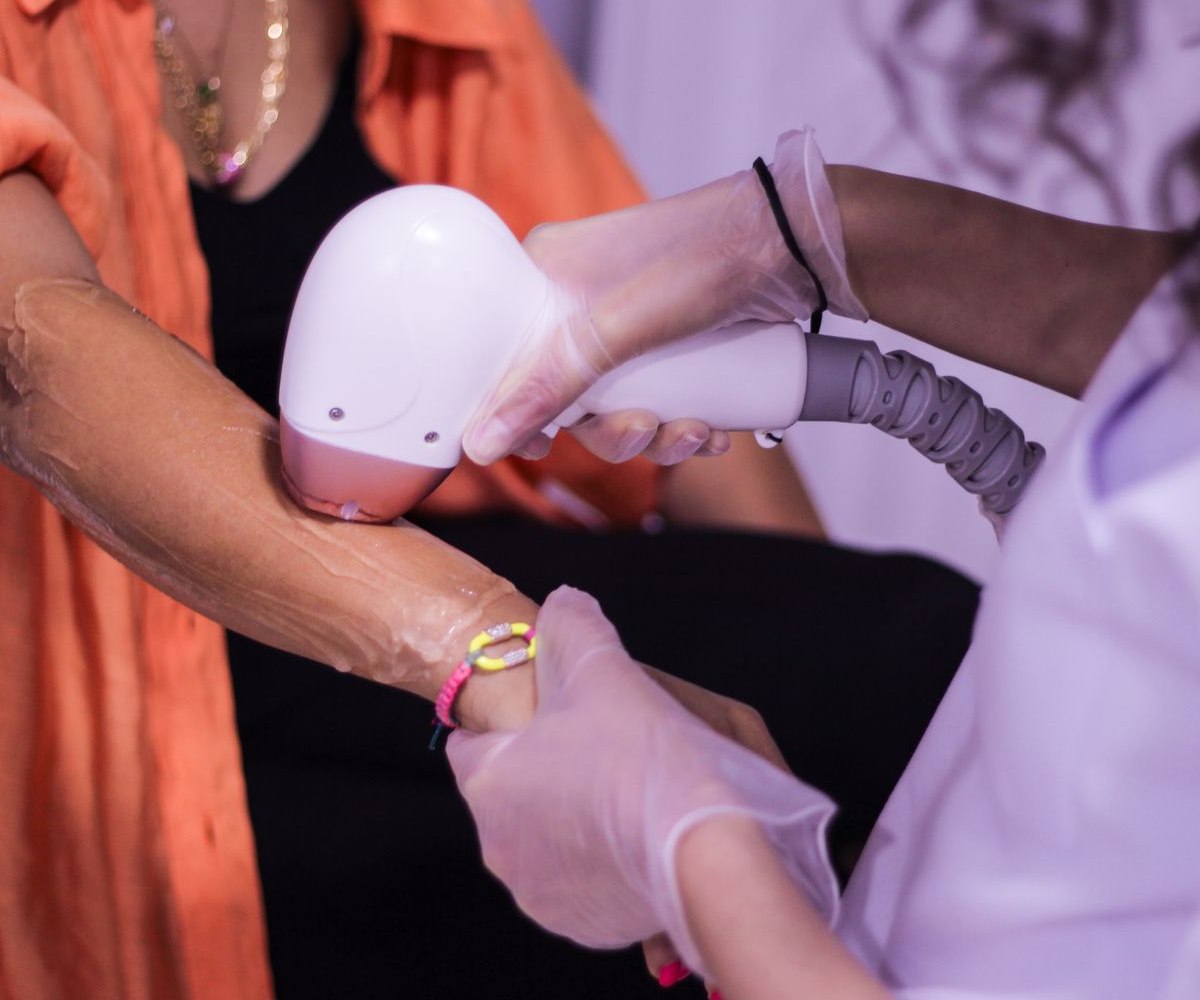
Broad-spectrum intense pulsed light targets the clustered melanin in discrete sun spots across the face, hands and chest. The pigment absorbs the light, darkens, then flakes away. A first-line choice for diffuse photo-ageing and multiple spots: usually a short course of sessions.
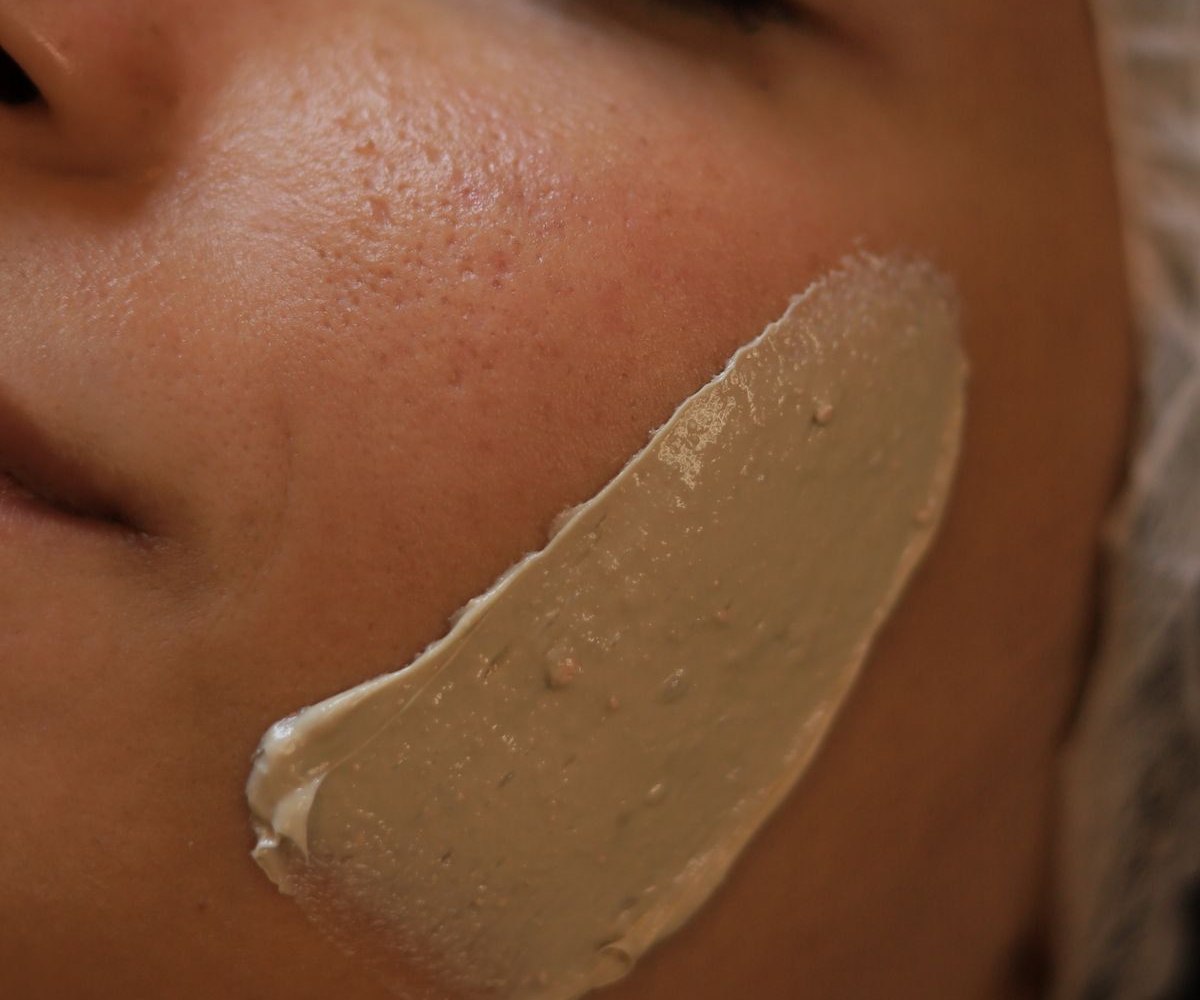
Cosmelan
A professional depigmenting peel-and-home-care system that calms melanin over-production. Best suited to more widespread, uneven or stubborn pigmentation (and where there is melasma overlap) rather than a single discrete spot. Chosen at consultation when diffuse pigment is the issue.
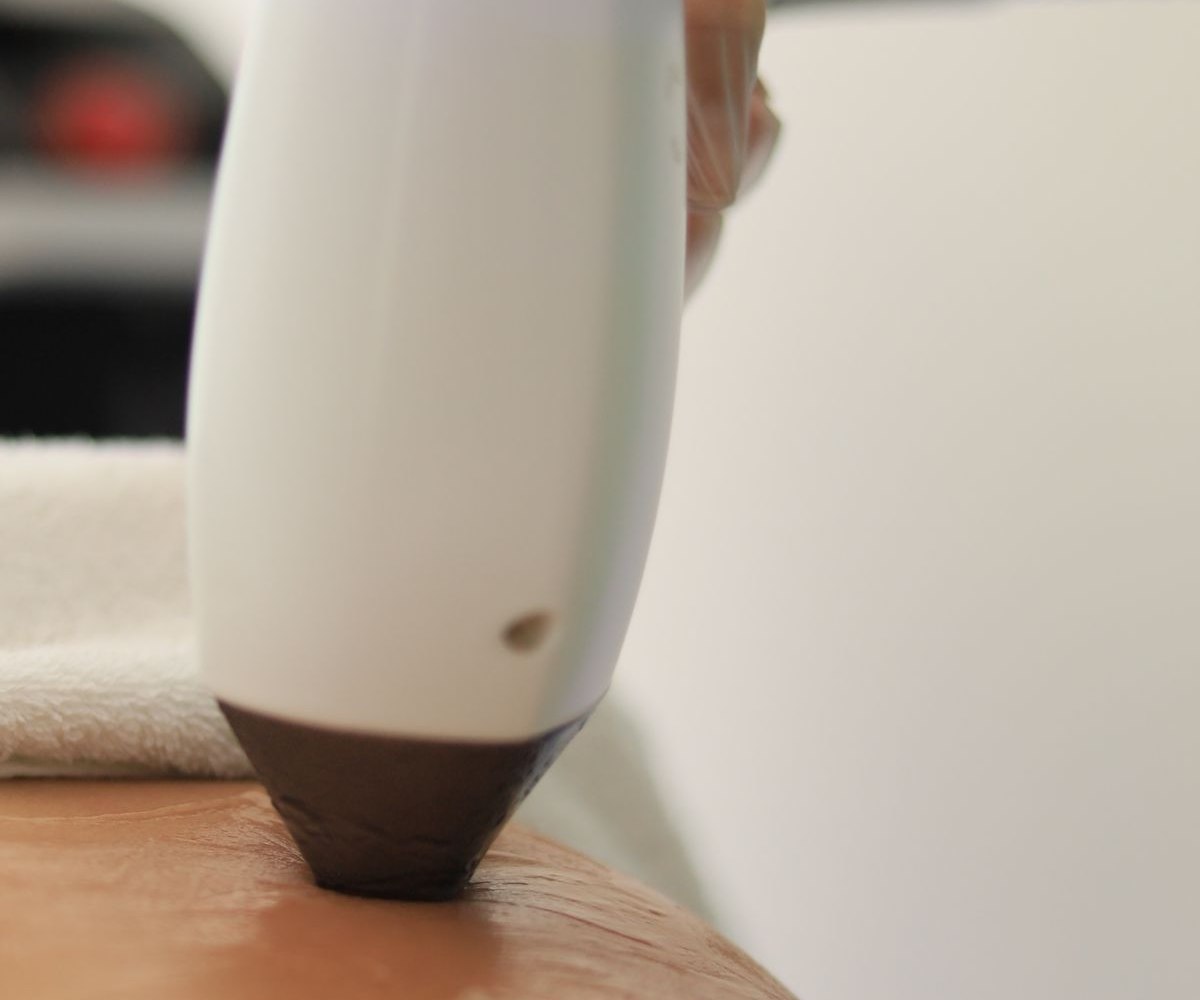
Cool Laser resurfacing
Precise Er:YAG laser resurfacing for stubborn, discrete or resistant spots, or where sun-damaged skin texture also needs addressing. Laser is among the most effective single modalities for clearing individual solar lentigines.
Not sure which is right for you? A skin analysis consultation with our doctor-led team decides the safest, most effective route for your skin.
Your age & sun spot journey: step by step
Consultation & lesion assessment
Dr Nick examines each pigmented spot to confirm it is a benign solar lentigo, and checks for any atypical features. A skin analysis helps map your pigmentation and skin type.
Patch test & plan
Where light- or laser-based treatment is planned, a patch test and the correct settings for your Fitzpatrick skin type protect against burns and pigment change. Your plan and realistic outcomes are explained.
Treatment
Your chosen treatment (IPL, Cosmelan or Cool Laser) is delivered in clinic. IPL and laser sessions for spots are quick; most areas are comfortable with cooling.
The “coffee-ground” phase
After IPL or laser, treated spots often darken to a coffee-ground appearance, then crust lightly and flake away over roughly 7–14 days. This is expected: don’t pick or scrub the crusts.
SPF aftercare & review
Daily broad-spectrum SPF and sun avoidance are essential: both to heal and to keep results. We review your progress and advise on any further sessions or maintenance.
Age & sun spot results
Real before-and-after images will be added with patient consent. Results vary from person to person, and the images below are placeholders only.
Outcomes vary and are not guaranteed. Spots can be reduced, lightened or cleared rather than permanently “cured”, and new spots can form without ongoing sun protection. Any results shown are with the patient’s consent and are unretouched.
The cost of age and sun spot removal depends on the number and size of spots, the area treated and the modality chosen (IPL, Cosmelan or Cool Laser). Because every plan is individual, your pricing is confirmed at your consultation; we never quote a one-size-fits-all number for pigmented lesions.
Why choose Rejuvena for age & sun spot treatment in Bedford?
Doctor-led, not blind treatment
Dr Nick (MBBS, MRCGP, Dip Dermatology, GMC 6072251) assesses every pigmented lesion before treating, and refers appropriately if anything looks atypical.
The right tool for the spot
IPL, Cosmelan and Cool Laser resurfacing on-site, so your plan is matched to your lesion and skin type, not to whatever device we happen to own.
Rated 5★ from 161 reviews
Patients across Bedford, Kempston, Biddenham, Bromham and Milton Keynes trust our honest, results-focused approach to skin.
Bedford clinic, honest expectations
At 52 Thor Drive, MK41 0WP. We talk plainly about realistic outcomes, candidacy and the sun protection needed to keep your results.
Related treatments at Rejuvena Bedford
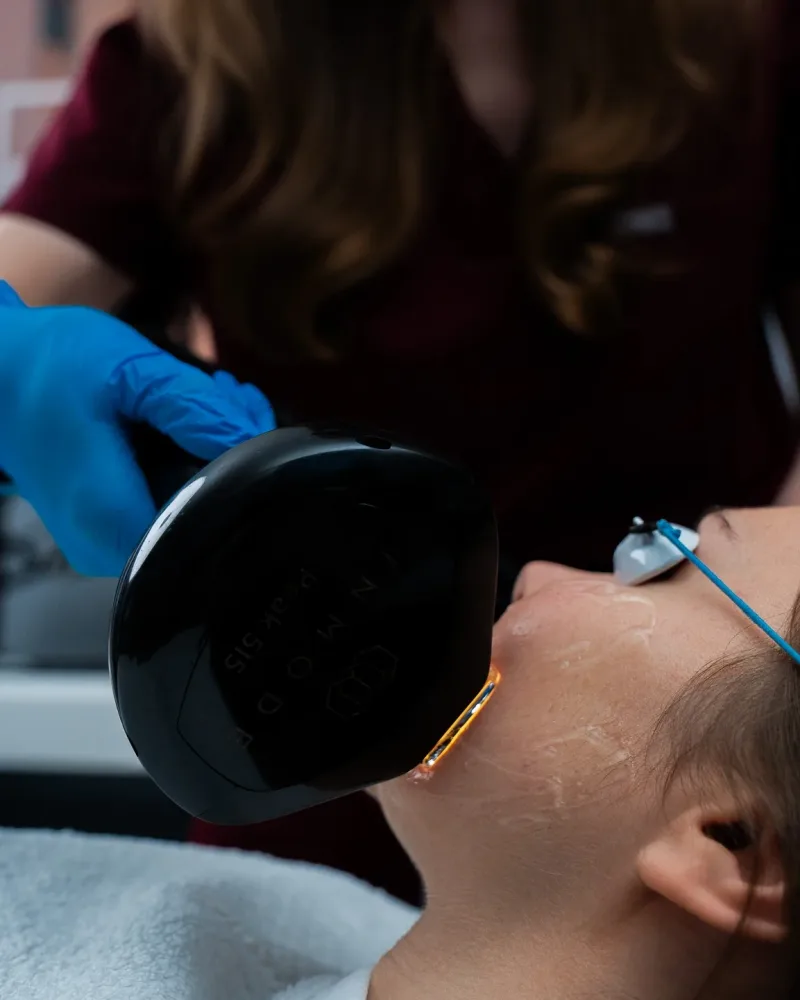
Lumecca™ IPL
Broad-spectrum IPL photo-rejuvenation: a first-line treatment for diffuse sun spots on the face, hands and chest.
Learn more →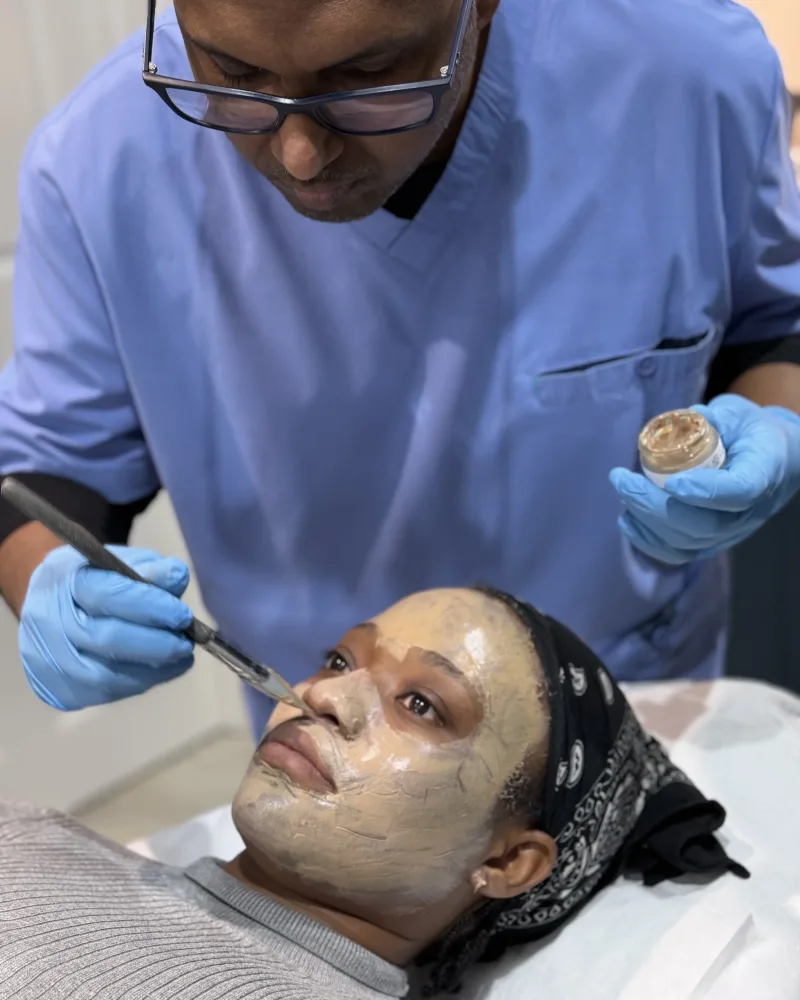
Cosmelan
Professional depigmentation for more widespread or stubborn pigmentation and melasma overlap.
Learn more →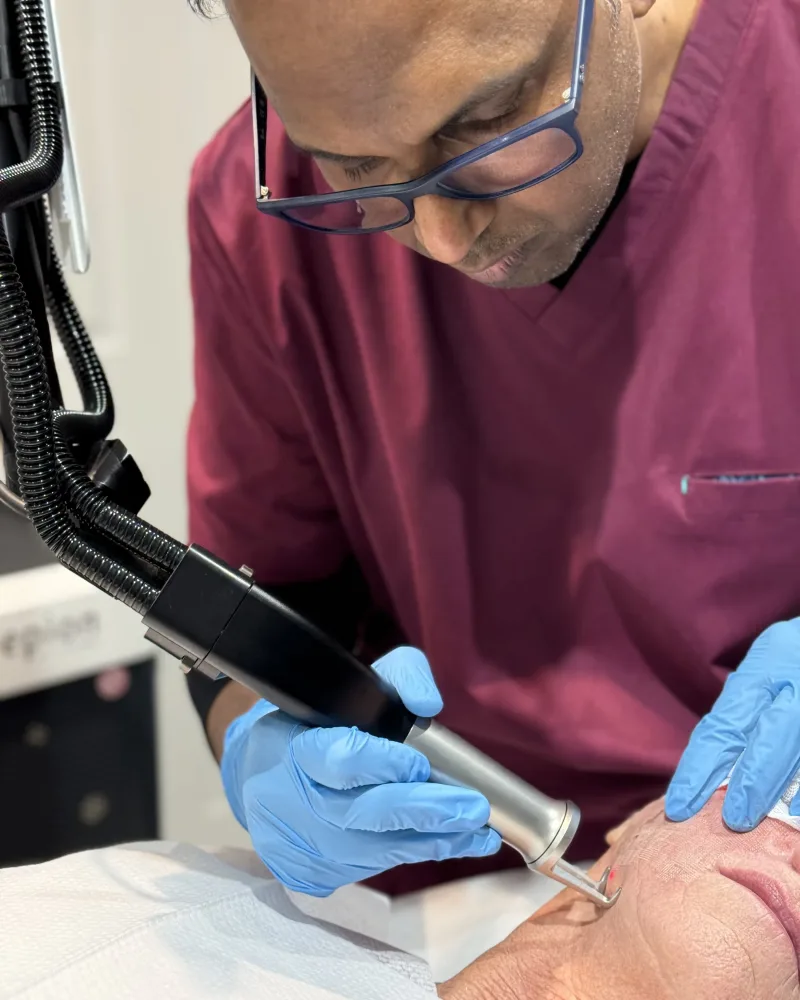
Cool Laser Skin Resurfacing
Precise Er:YAG resurfacing for stubborn, discrete spots and sun-damaged texture.
Learn more →Explore all pigmentation concerns at Rejuvena Bedford → · Skin health in Bedford
Verified Google reviews
What our patients say
5.0from 161 Google reviews
I have been receiving treatment for Malasma and Hyperpigmentation at the Rejuvena Clinic. I felt in safe hands from my first consultation. Dr. Nick was very understanding of my concerns and very knowledgable about the treatments that would be suitable for me. He also offered advice outside of the treatments available at the clinic, advising on lifestyle and medication changes I could implement to complement my treatment. I liked the holistic approach. My appointments never feel rushed. Dr. Nick and Lana take the time to listen and I feel comfortable enough to ask multiple questions. They are also very responsive to messages and emails, even outside of office hours. Rejuvena Clinic will be my go-to for any treatments in the future.
Rejuvena repliedThank you very much for your kind words Nadia. We are glad to have helped you and that you liked our services. It really means the world to us ☺️🙏
Read this review on Google (opens in a new tab)I’m five sessions into my Lumecca treatment and the results have been incredible — it’s genuinely transformed my skin. Dr Nick and Lana are exceptional at what they do. Their skill, knowledge, and understanding of the latest technology instantly put you at ease and fill you with confidence throughout the process.
Rejuvena repliedThank you very much for your kind words Jake 😊🙏
Read this review on Google (opens in a new tab)I’ve had both laser hair removal and Lumecca treatments with Lana, and she has been amazing. She’s very professional, incredibly attentive, and genuinely such a kind person. Her focus on the little details and the care she puts into her work make a big difference. I truly recommend Rejuvena Clinic.
Rejuvena repliedthank you very much for your kind review ))
Read this review on Google (opens in a new tab)I had Lumecca treatment at this clinic and had a great experience. The consultation with Dr Nick was very informative and put me at ease. Lana, who carried out the treatments, was an absolute pleasure to deal with—even though the treatment itself isn’t the most pleasant, she managed to make it as relaxing and comfortable as possible. Highly recommend this clinic for their professionalism and care.
Rejuvena repliedThank you for taking the time to share your kind feedback. We truly appreciate your thoughtful review and are delighted to hear that you had a great experience with our team. Thank
Read this review on Google (opens in a new tab)Throughout my Lumecca experience Nick & Lana have been nothing but exceptional. Their knowledge and experience mixed with personal customer service can’t be matched. They put your mind and rest and explain everything from the start. The results speak for themselves! For years I have managed Rosecea, Pigmentation and Thread Veins. After just one treatment I could see clearer, dewy skin. Thanks to Nick and Lana my confidence has grown to be able to go out with minimal make up on. A Randall
Rejuvena repliedHi Aisling, thank you for your kind review. We are so happy that we managed to help you feel confident in your skin again. It means a lot to us, so thank you once again. ☺️🙏
Read this review on Google (opens in a new tab)I recently had a lesion removed from my cheek. The pigmented lesion had bothered me for years. I’m glad I finally decided to do something about it. I was quite nervous on the day, but Dr. Nick and Lana were so careful and reassuring — they really put me at ease. The procedure was quick and comfortable, and I feel so much better for having it done. I did a lot of research before I chose this clinic for my treatment. The clinic’s medical dermatology focus made me feel confident I would be in the right hands. I’m really grateful for the care I received and I would definitely recommend this clinic.
Rejuvena repliedThank you so much for your skin review Dupinder 🙏
Read this review on Google (opens in a new tab)Every review above is published on Google. Tap any card to read it there.
Age & sun spot FAQs in Bedford
What’s the difference between age spots and sun spots?
Are age spots dangerous or a sign of skin cancer?
How do I know if a brown spot is an age spot or something that needs checking?
What is the best treatment for age spots on the hands?
How many sessions will I need to remove sun spots?
Is age spot removal painful and is there downtime?
Will my age spots come back after treatment?
How much does age spot removal cost in Bedford?
Can age spots be removed in one session?
Book age & sun spot treatment in Bedford
Speak with Dr Nick’s team at Rejuvena Bedford. We’ll assess your spots, explain your options honestly and recommend the safest, most effective route. Book online or call us.