Doctor-led PIH treatment in Bedford
Post-inflammatory hyperpigmentation can follow acne, eczema, injury or irritation. We assess the cause and your skin tone before planning gradual treatment with suitable topical care, professional peels or selected energy-based options while minimising further inflammation.
- Skin-tone aware care
- Inflammation-first assessment
- Gradual treatment plan
- Bedford clinic

Post-inflammatory hyperpigmentation is the flat brown or grey-brown mark left behind after a spot, rash or injury heals — it is not a scar, and on most skin it can be faded with the right doctor-led plan.

What is post-inflammatory hyperpigmentation (PIH)?
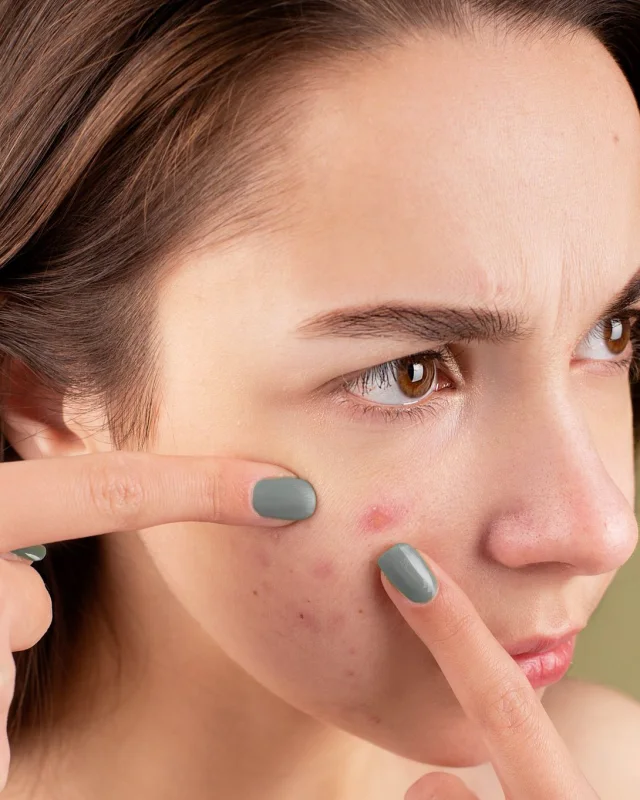
Post-inflammatory hyperpigmentation (PIH) is a benign, flat brown, tan or grey discolouration of the skin caused by excess melanin produced after inflammation — most often acne, but also eczema, ingrown hairs, insect bites, injury, burns or even cosmetic procedures. It appears in the exact place where the skin was previously inflamed, and it is more common and longer-lasting in darker (Fitzpatrick III–VI) skin tones.
The key thing to understand is that PIH is a colour change, not a texture change. It is not a true acne scar — scars are pitted, raised or textured, while PIH is flat and level with the surrounding skin. It is also distinct from the red or purple marks some people see after a spot, which are called post-inflammatory erythema (PIE). And it differs from melasma, a hormonal pigment pattern that is usually symmetrical and recurring. Telling these apart matters, because each responds to a different plan — which is why Dr Nick assesses your marks before any treatment begins.
PIH vs PIE vs melasma — a quick guide
PIH is the brown/grey mark that follows a specific spot or injury and usually improves once the trigger is controlled. PIE (post-inflammatory erythema) is the pink, red or purple mark left by the same kind of breakout, caused by dilated or damaged blood vessels rather than melanin, and it is treated differently. Melasma is a separate, hormonally driven pigmentation that appears symmetrically across the cheeks, forehead or upper lip and tends to recur — if your pattern points that way, Dr Nick will identify it at your consultation, as melasma needs a different approach. For a broader overview of sun spots, age spots and general discolouration, our pigmentation treatment in Bedford page is the wider hub. This page focuses specifically on marks triggered by inflammation.
What PIH treatment helps with
At Rejuvena in Bedford, each PIH treatment plan starts with a careful assessment to confirm the concern, suitability and realistic next steps.
A doctor-led plan, matched to your skin tone
Excess melanin is made when inflammation switches on the pigment-producing cells (melanocytes) and the enzyme tyrosinase. Where the pigment sits — high in the skin (epidermal, brown) or deeper (dermal, blue-grey) — guides which route Dr Nick recommends. Because aggressive treatment can itself trigger more PIH in deeper skin tones, device and peel choice are deliberately conservative and tailored.
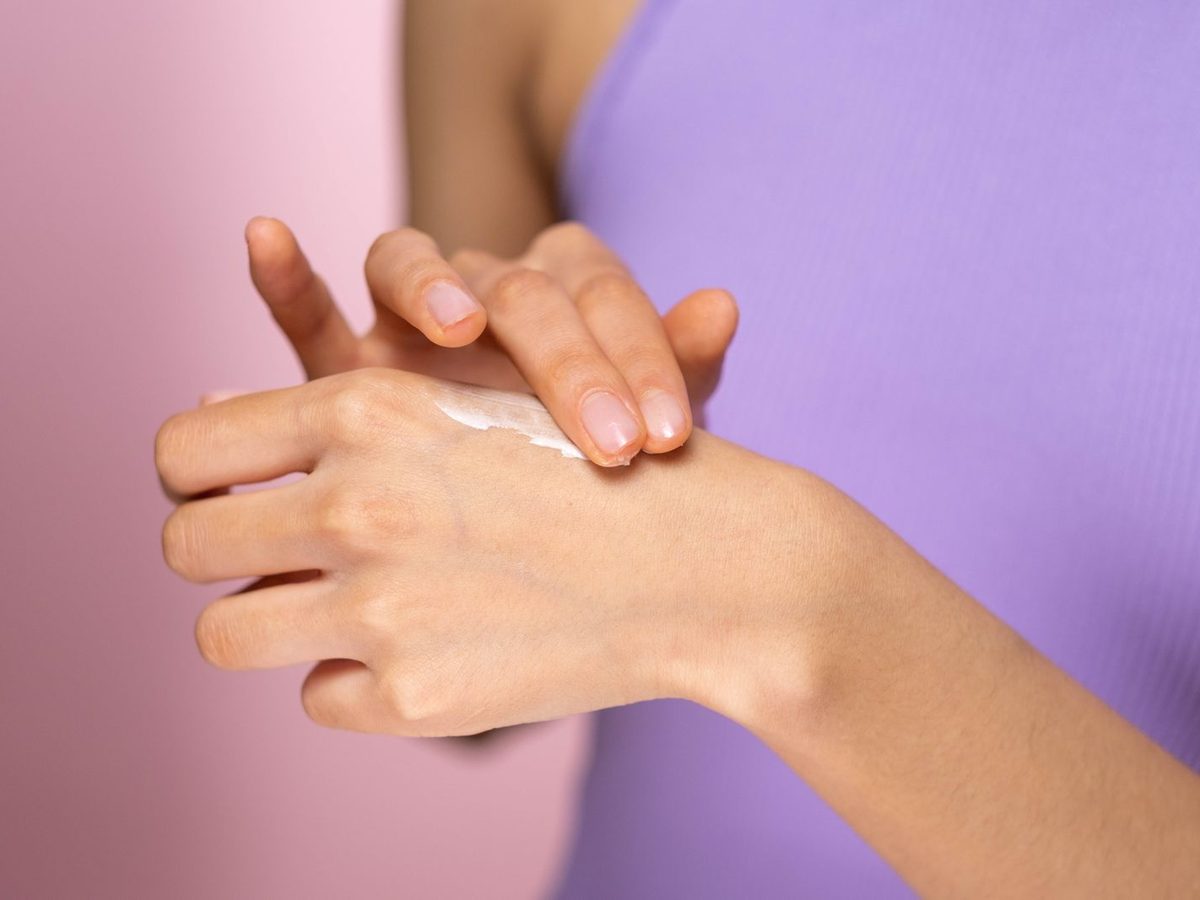
Cosmelan & medical peels
A depigmenting protocol can help calm overactive melanocytes and lift stubborn epidermal pigment over a course of weeks. It is one route Dr Nick may discuss for the right candidate. Learn more about Cosmelan depigmentation peel.
- Targets Stubborn, epidermal brown marks
- Course Multiple weeks, home regime included
- Note Strict SPF essential throughout
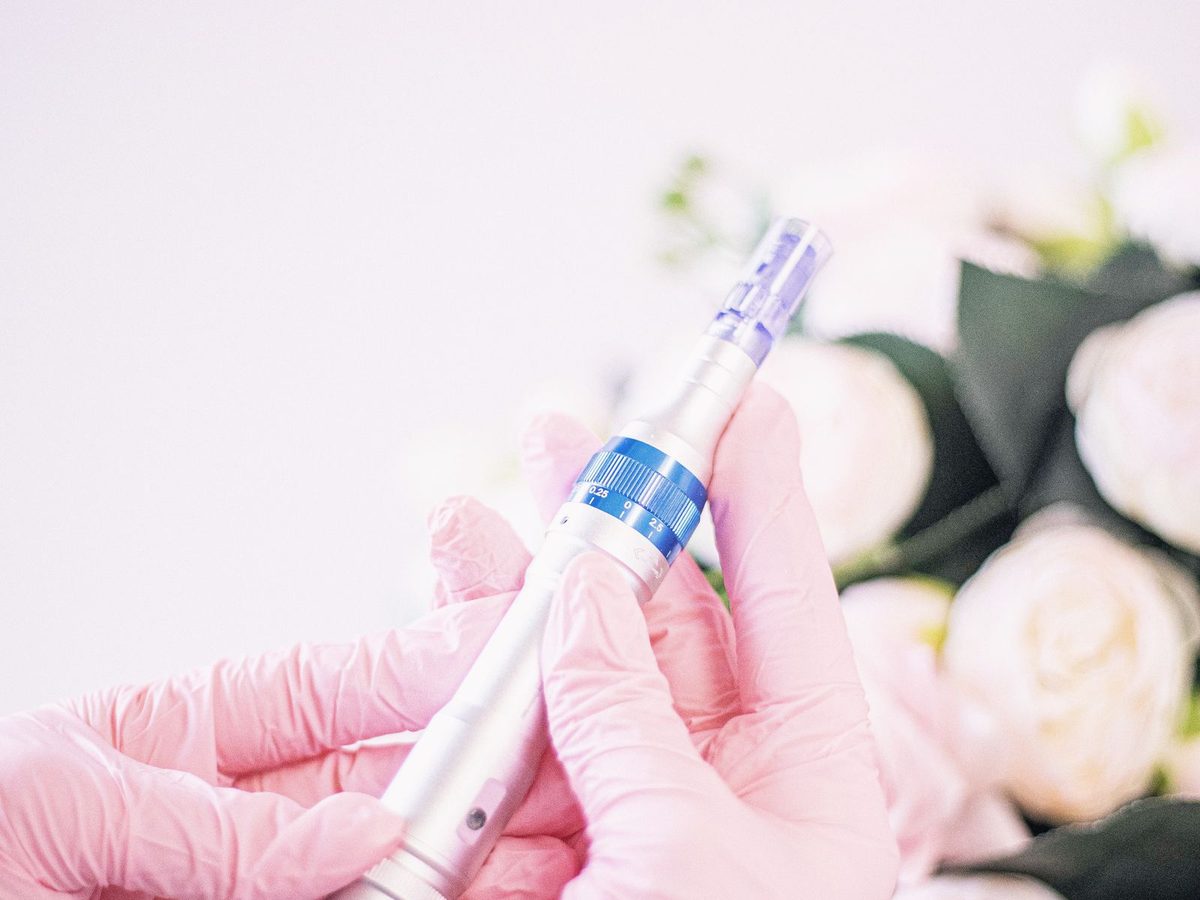
SkinPen microneedling
Controlled micro-channels encourage skin renewal and help disperse pigment, and microneedling is generally well tolerated on darker skin when settings are appropriate. Explore SkinPen microneedling.
- Targets Pigment plus post-acne texture
- Course Spaced sessions over months
- Note Lower PIH-trigger risk than ablative routes
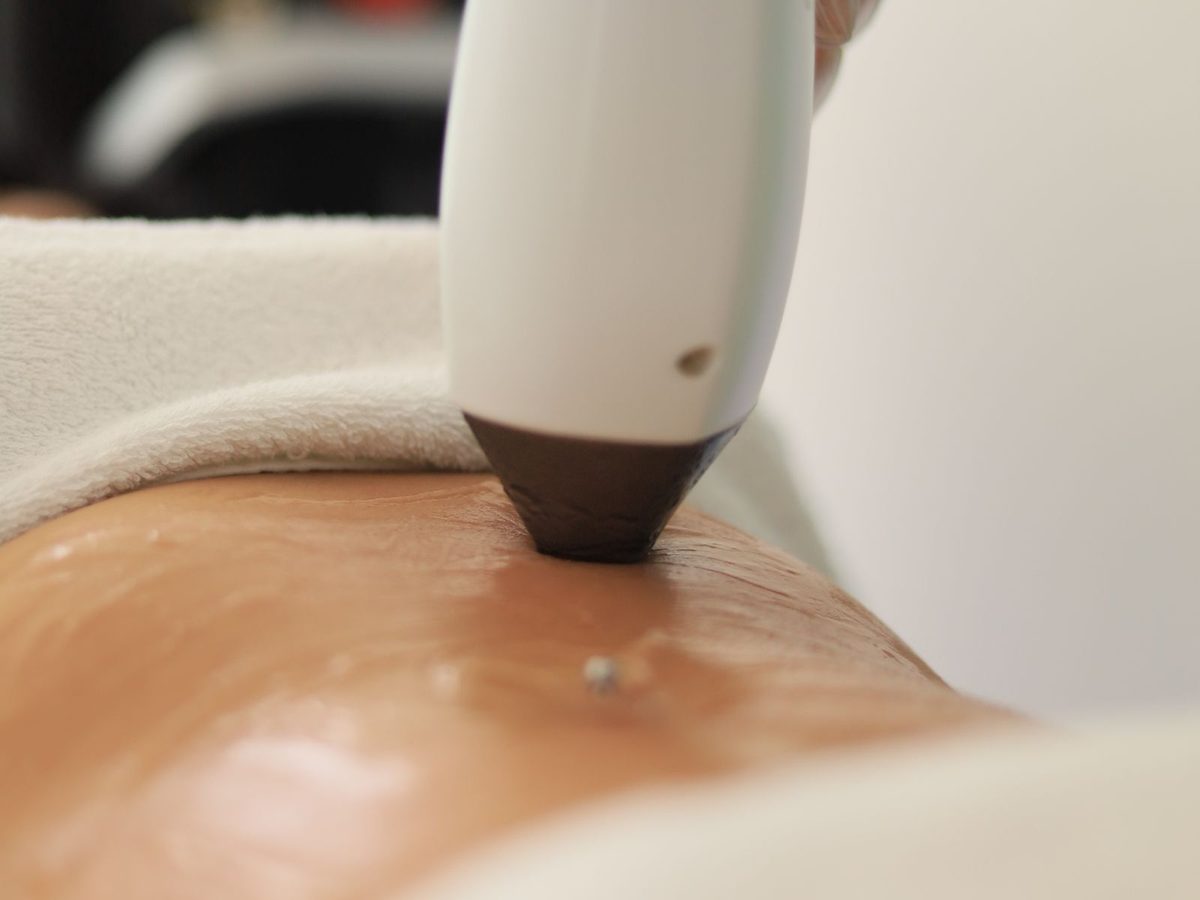
Pico laser pigment toning
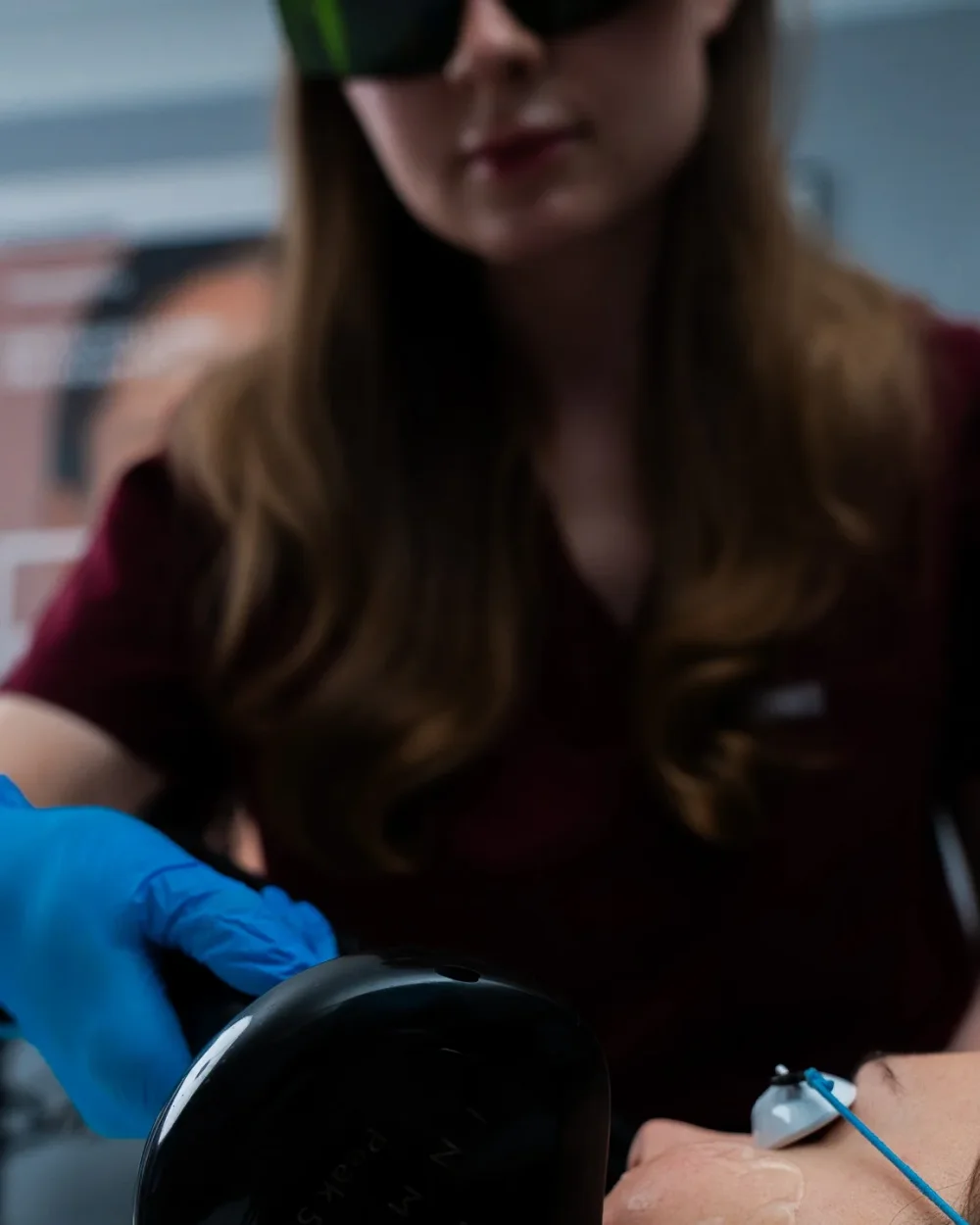
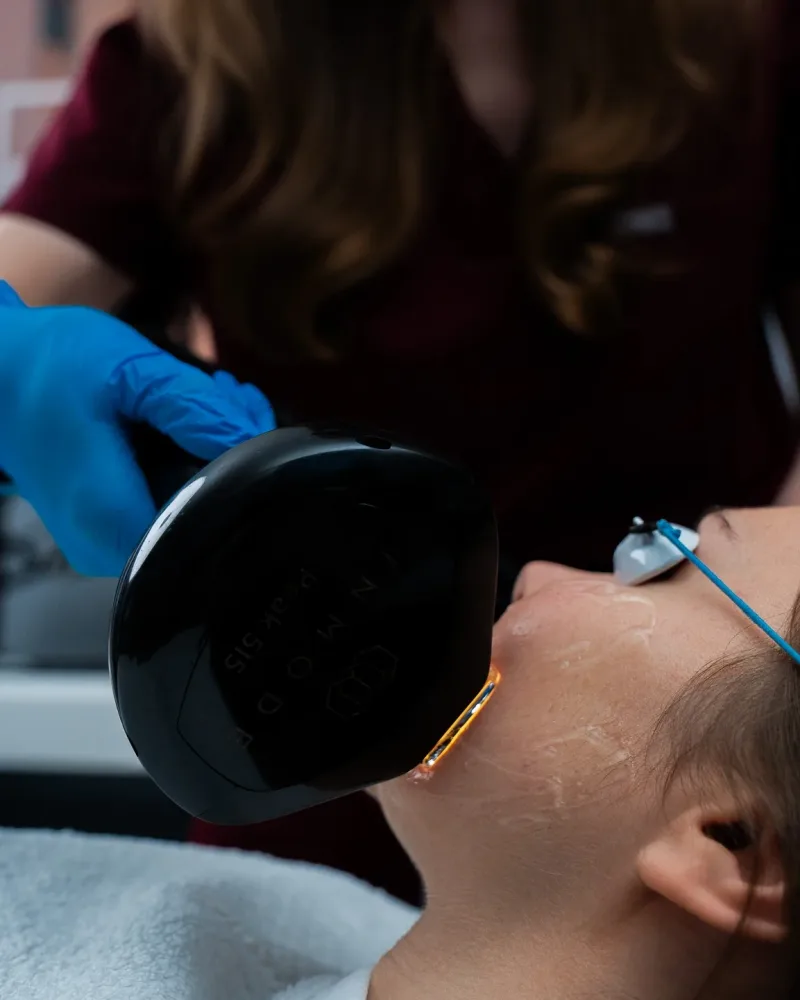
Picosecond laser toning delivers very short, low-energy pulses to break up pigment with less heat — a gentler, more skin-tone-considerate option Dr Nick may suggest for selected cases, discussed with you at consultation.
- Targets Selected, suitable pigment
- Course Several sessions, individually planned
- Note Suitability confirmed at consultation
Alongside in-clinic options, a doctor-led plan almost always includes medical-grade topicals and daily broad-spectrum SPF 50. Actives such as azelaic acid, niacinamide, vitamin C, kojic acid, tranexamic acid and retinoids may feature in your routine, with any prescription-strength choices supervised by Dr Nick. Crucially, if your PIH follows active breakouts, the underlying acne is addressed first — otherwise new marks keep forming. If that is you, start with acne treatment to tackle the root cause.
Your PIH journey, step by step
Consultation & skin analysis
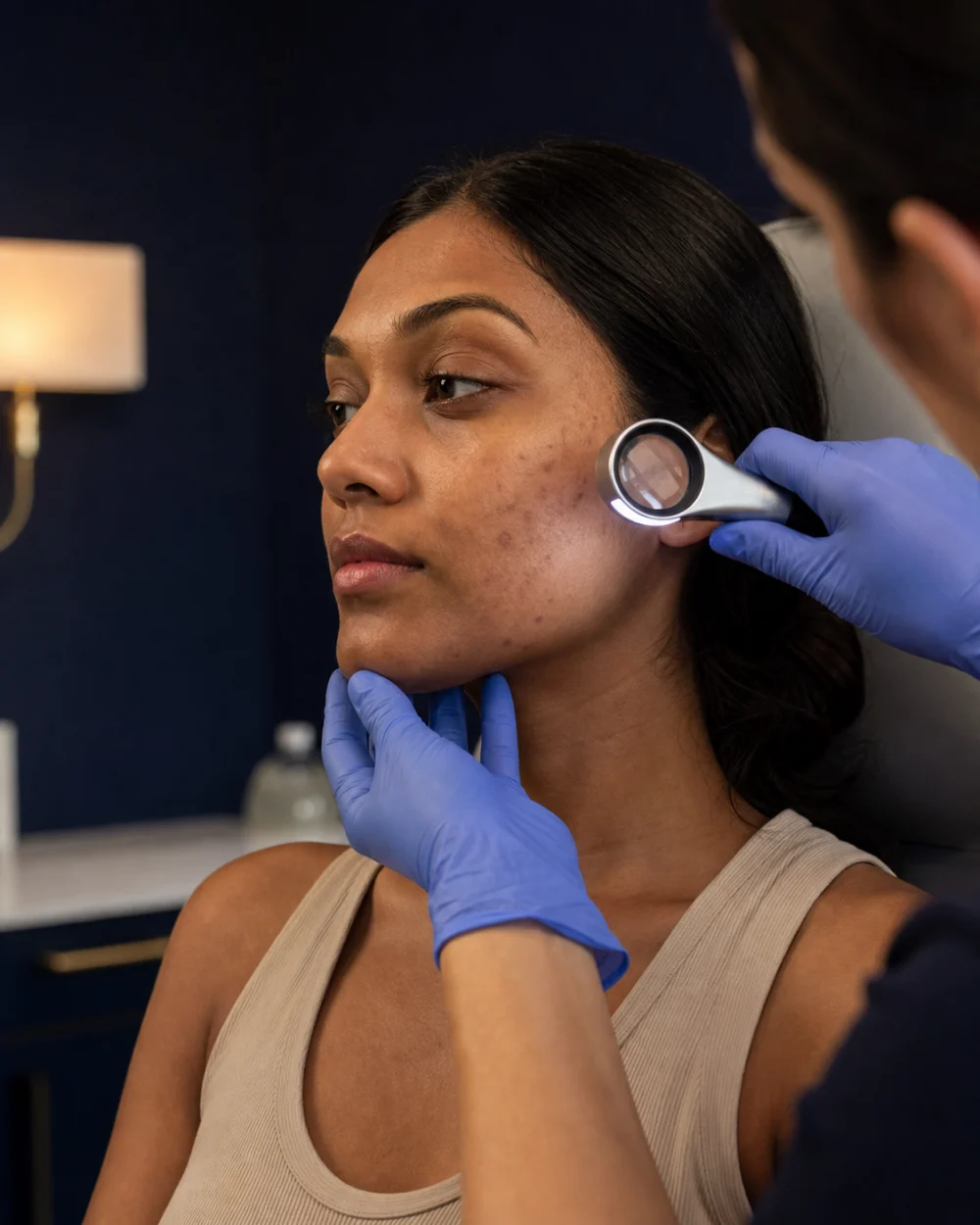
Dr Nick examines your marks, confirms the diagnosis (PIH versus PIE, melasma, sun spots or a lesion), notes your Fitzpatrick skin type and reviews your history. Any atypical, changing or irregular pigmented spot is assessed and referred appropriately rather than treated as cosmetic PIH.
Calm the trigger
If acne, eczema or another cause is still active, we settle that first. Treating PIH while the trigger is live simply produces fresh marks.
Prime & protect
You begin medical-grade topicals and strict daily SPF 50. A patch test may be used before any peel or laser, especially on deeper skin tones, to check how your skin responds.
In-clinic treatment
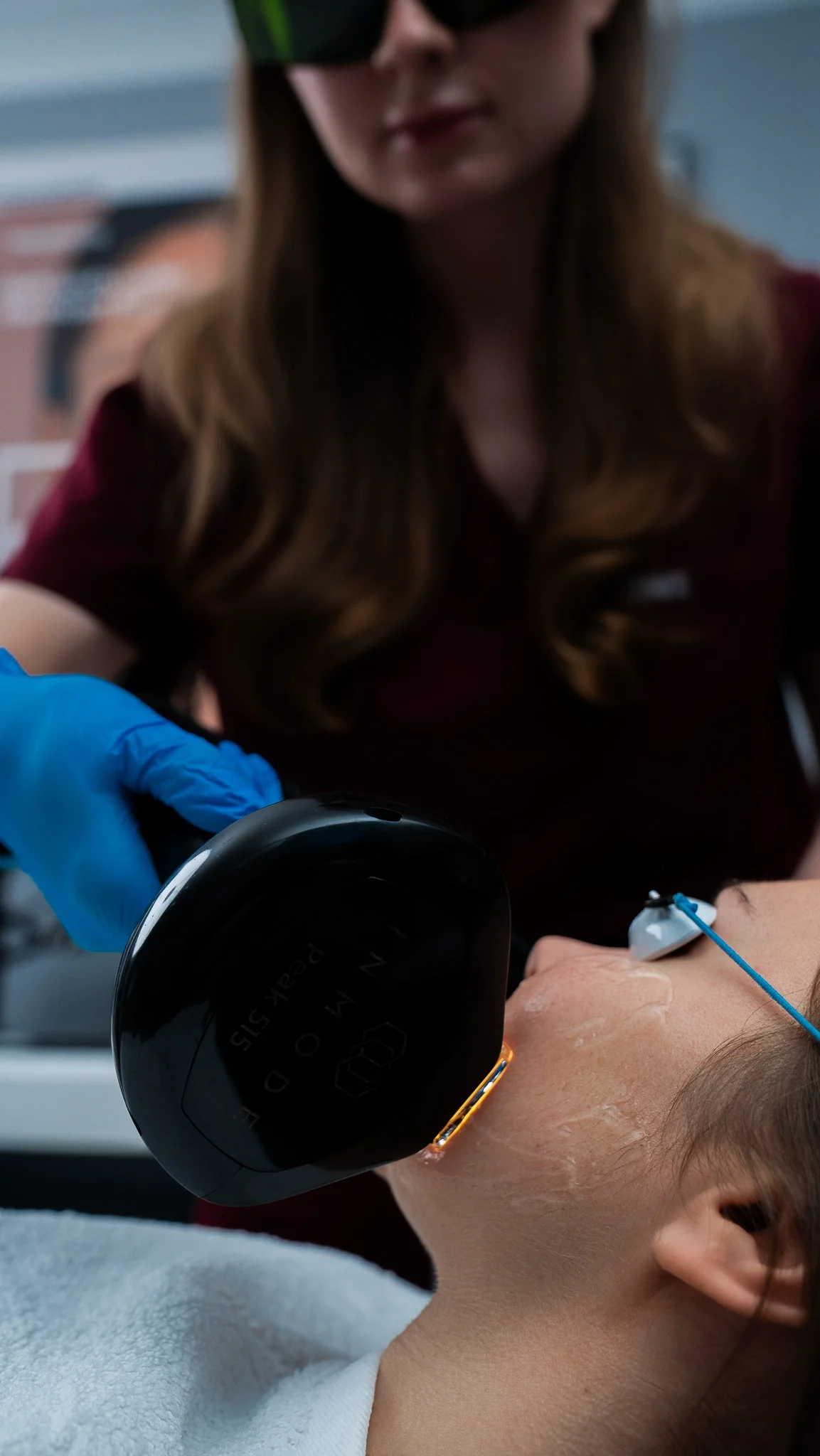
Where appropriate, your tailored course of depigmenting peel, microneedling or pico toning is delivered over several spaced sessions, with settings chosen for your skin tone.
Review & maintain
We review progress over the months, adjust the plan, and set a maintenance routine — because sun protection and trigger control keep results holding long term.
With pigmentation, the diagnosis comes first. We confirm whether it is PIH, melasma or something that needs referral — then we choose a plan that is safe for your skin tone, not just effective on paper.
Because PIH is treated with an individual combination of topicals, SPF and selected in-clinic sessions matched to your skin, pricing is confirmed at your consultation once Dr Nick has assessed your marks and agreed the right plan. You will receive a clear, written quote before anything begins — with no obligation.
Why choose Rejuvena for PIH treatment in Bedford?
Correct diagnosis first
Dr Nick distinguishes PIH from PIE, melasma, sun spots and pigmented lesions — and refers appropriately if anything looks atypical.
Safe on darker skin
Skin-tone-appropriate device and peel choices reduce the risk of treatment-induced pigmentation in Fitzpatrick IV–VI skin.
Root-cause approach
We control the underlying acne or inflammation first, so new marks stop forming — not just fade the old ones.
Honest expectations
5★ from 161 reviews. We are clear that PIH is improved gradually over months, not cured overnight.
Serving Bedford, Kempston, Biddenham, Bromham, Clapham, Wootton, Great Denham, Milton Keynes and the wider Bedfordshire area from our clinic at 52 Thor Drive, Bedford MK41 0WP.
Related treatments & concerns at Rejuvena Bedford
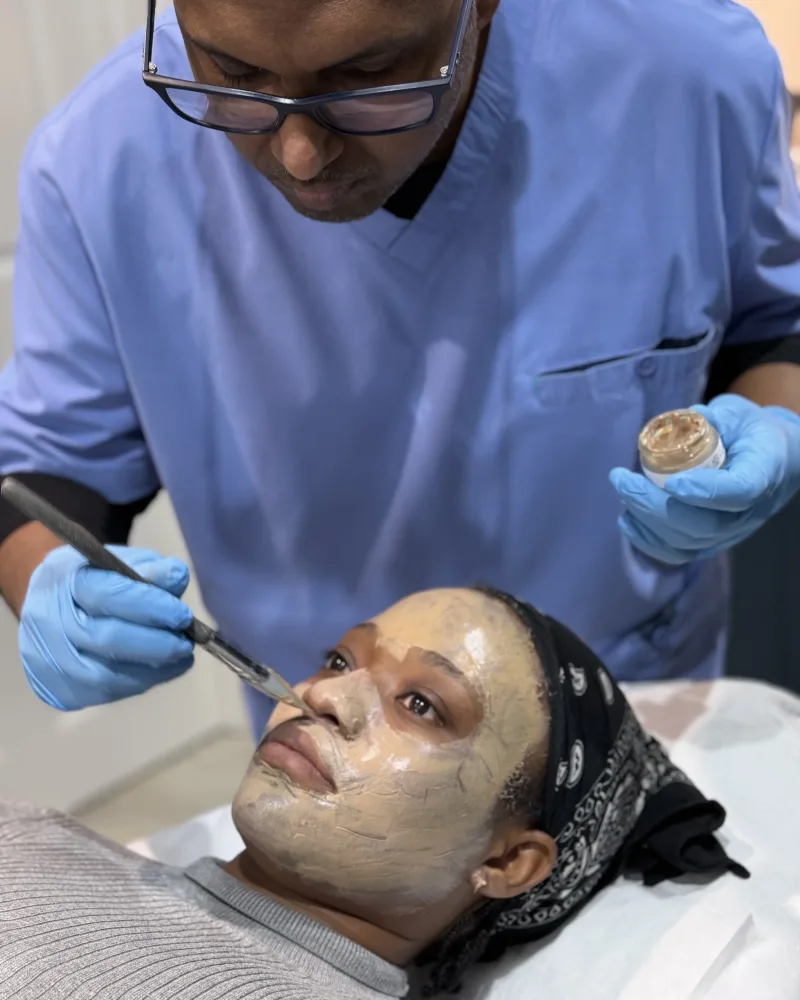
Cosmelan Peel
Depigmenting peel protocol for stubborn, epidermal pigment. Pricing confirmed at consultation.
Learn more →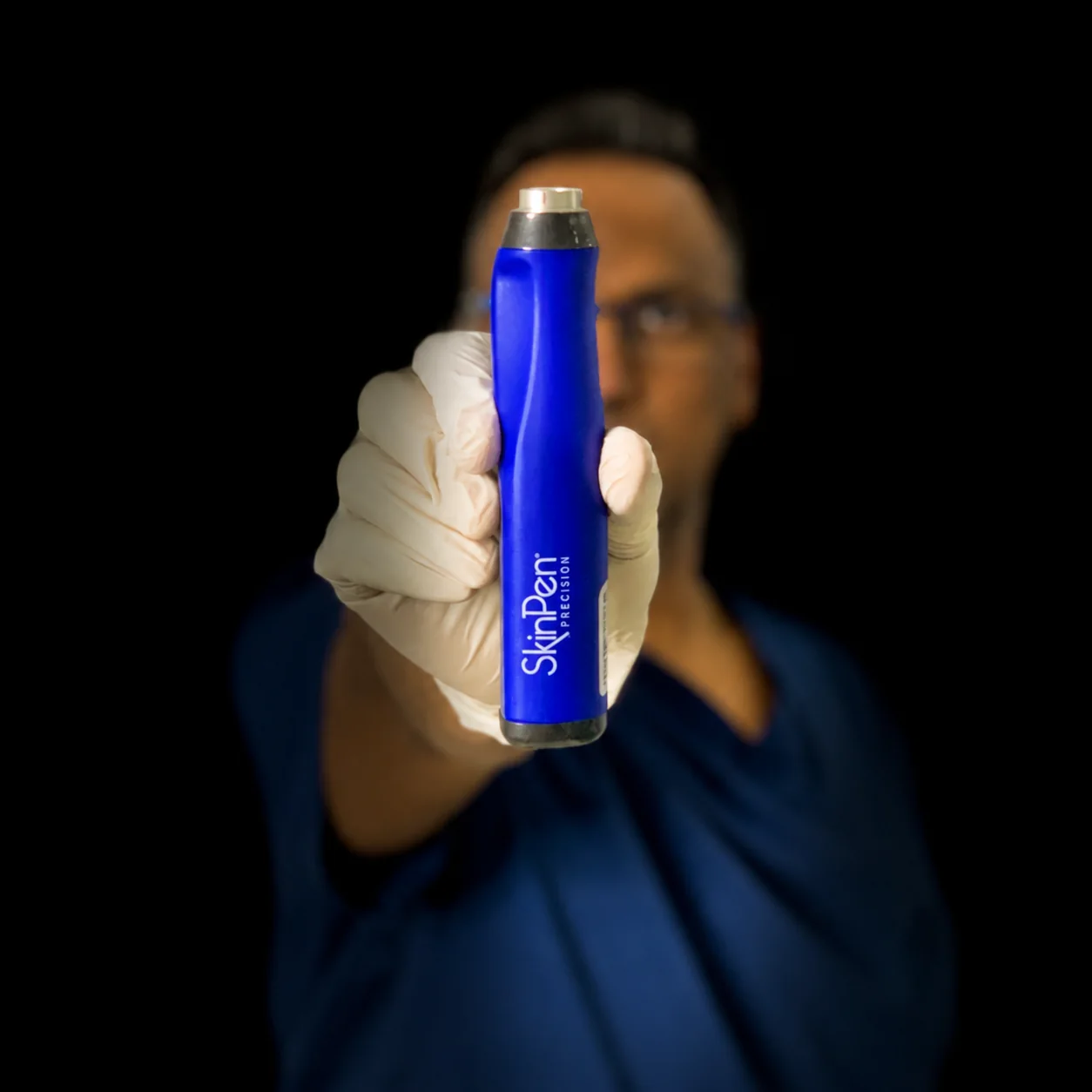
SkinPen Microneedling
Encourages skin renewal to help disperse pigment and refine post-acne texture.
Learn more →Pico Pigment Toning
Gentle picosecond laser toning for selected, suitable pigment. Ask Dr Nick whether it is right for you at your consultation.
Acne Treatment
Treat the underlying acne first to stop new post-inflammatory marks forming.
Learn more →Not sure which pigment concern you have — PIH, melasma or general discolouration? Dr Nick confirms the diagnosis at your consultation. You can also read our broader pigmentation treatment in Bedford page, or explore all skin health treatments at Rejuvena Bedford →
Verified Google reviews
What our patients say
5.0from 161 Google reviews
I have been receiving treatment for Malasma and Hyperpigmentation at the Rejuvena Clinic. I felt in safe hands from my first consultation. Dr. Nick was very understanding of my concerns and very knowledgable about the treatments that would be suitable for me. He also offered advice outside of the treatments available at the clinic, advising on lifestyle and medication changes I could implement to complement my treatment. I liked the holistic approach. My appointments never feel rushed. Dr. Nick and Lana take the time to listen and I feel comfortable enough to ask multiple questions. They are also very responsive to messages and emails, even outside of office hours. Rejuvena Clinic will be my go-to for any treatments in the future.
Rejuvena repliedThank you very much for your kind words Nadia. We are glad to have helped you and that you liked our services. It really means the world to us ☺️🙏
Read this review on Google (opens in a new tab)I recently had a lesion removed from my cheek. The pigmented lesion had bothered me for years. I’m glad I finally decided to do something about it. I was quite nervous on the day, but Dr. Nick and Lana were so careful and reassuring — they really put me at ease. The procedure was quick and comfortable, and I feel so much better for having it done. I did a lot of research before I chose this clinic for my treatment. The clinic’s medical dermatology focus made me feel confident I would be in the right hands. I’m really grateful for the care I received and I would definitely recommend this clinic.
Rejuvena repliedThank you so much for your skin review Dupinder 🙏
Read this review on Google (opens in a new tab)Throughout my Lumecca experience Nick & Lana have been nothing but exceptional. Their knowledge and experience mixed with personal customer service can’t be matched. They put your mind and rest and explain everything from the start. The results speak for themselves! For years I have managed Rosecea, Pigmentation and Thread Veins. After just one treatment I could see clearer, dewy skin. Thanks to Nick and Lana my confidence has grown to be able to go out with minimal make up on. A Randall
Rejuvena repliedHi Aisling, thank you for your kind review. We are so happy that we managed to help you feel confident in your skin again. It means a lot to us, so thank you once again. ☺️🙏
Read this review on Google (opens in a new tab)I first met Dr Nick and Lana 6 months ago, not only were they very professional but also very very friendly they immediately made me feel at ease as I was quite nervous. I had the Cosmelan Peel treatment as have felt very self conscious for many years and within 4 weeks of treatment my results are incredible, I now feel confident in my own skin. The results have been 100%. Lana has been incredible throughout the whole process, no matter how busy she is she will always make time. Dr Nick and Lana I will always be grateful for your help and there are not enough words to say how thankful I am. You have both changed my life.
Rejuvena repliedAww! 🥹 Reading this review brought tears to our eyes Mrs Kaur. Thank you for your kind review. 🙏 We are so glad to have helped you in this journey. And we are so glad to hear that
Read this review on Google (opens in a new tab)My experience was really comfortable. Dr Nick is professional and skillful, he took the time to explain everything. I would throughly recommend their services.
Rejuvena repliedThank you very much for your kind review Holly. We are glad to hear you liked our services. This means a lot to us. ☺️🙏
Read this review on Google (opens in a new tab)Great, professional, friendly service, really happy with my laser results, Lana is very passionate about what she does
Rejuvena repliedThank you very much for your kind words Suky ☺️🙏
Read this review on Google (opens in a new tab)Every review above is published on Google. Tap any card to read it there.
Frequently asked questions — PIH treatment in Bedford
What is the difference between post-inflammatory hyperpigmentation and acne scarring?
How long does post-inflammatory hyperpigmentation take to fade?
Will PIH go away on its own without treatment?
Is PIH (brown marks) different from the red marks left after acne (PIE)?
Is hyperpigmentation treatment safe for dark, Black or Asian skin?
Can a peel or laser make pigmentation worse?
What is the best treatment for post-acne dark spots?
Why is sun protection so important for treating PIH?
Could a dark spot be something more serious?
Book PIH treatment in Bedford
Speak with Dr Nick’s team at Rejuvena Bedford for a doctor-led skin analysis and an honest, tailored plan for your post-inflammatory marks — book online or call us.