Doctor-led melasma treatment in Bedford
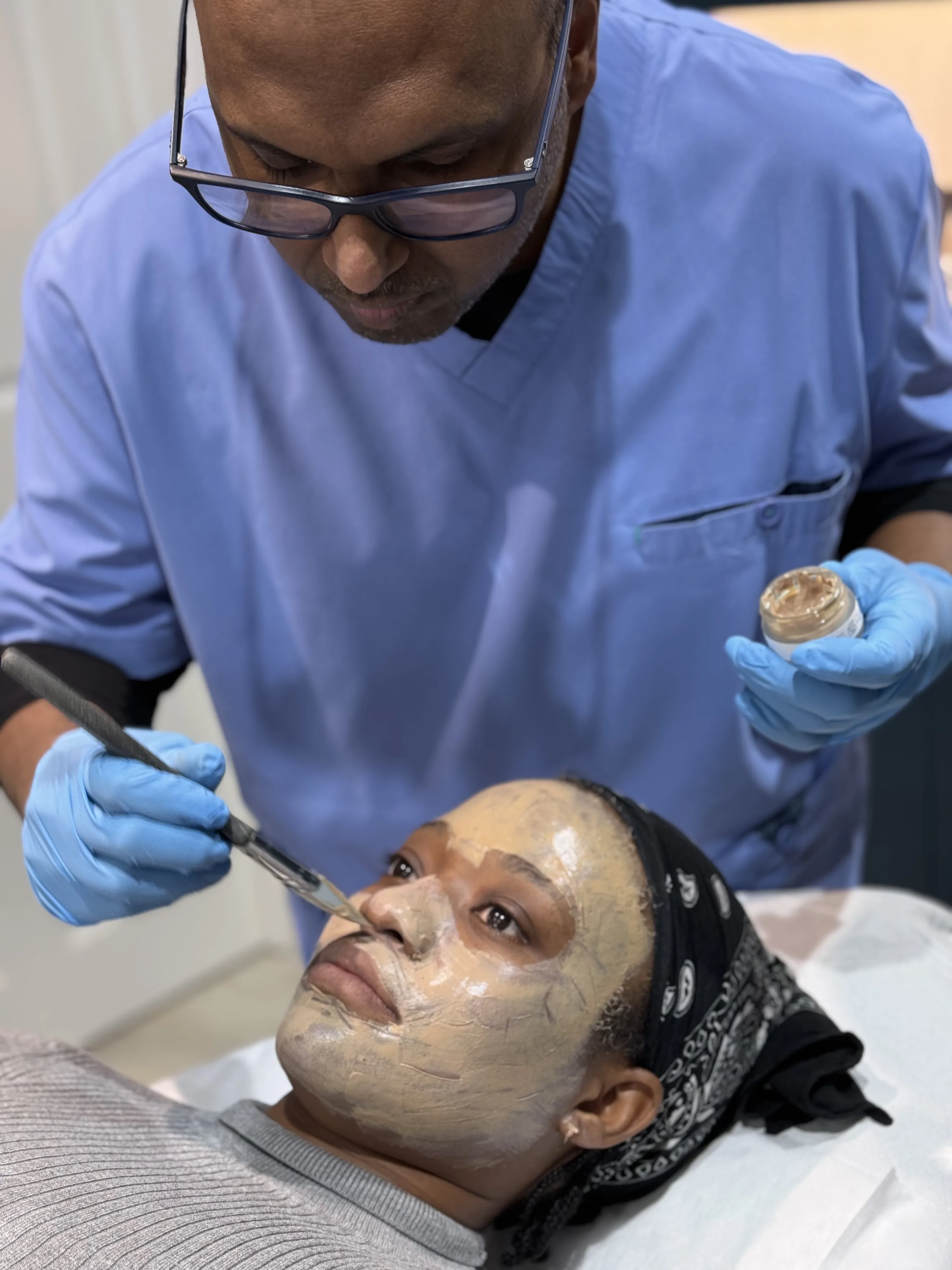
Melasma needs careful control rather than cure claims. We build a topical-first plan around diagnosis, daily sun protection and pigment-safe treatment, adding a professional peel or selected device-based option only when appropriate for your skin.
- Diagnosis-led care
- Topical-first planning
- Long-term pigment control
- Bedford clinic

Melasma is a chronic, hormone- and UV-driven facial pigmentation — best managed, never “blasted away.” The right plan calms it gradually and protects against relapse; the wrong one can make it worse.
What is melasma?
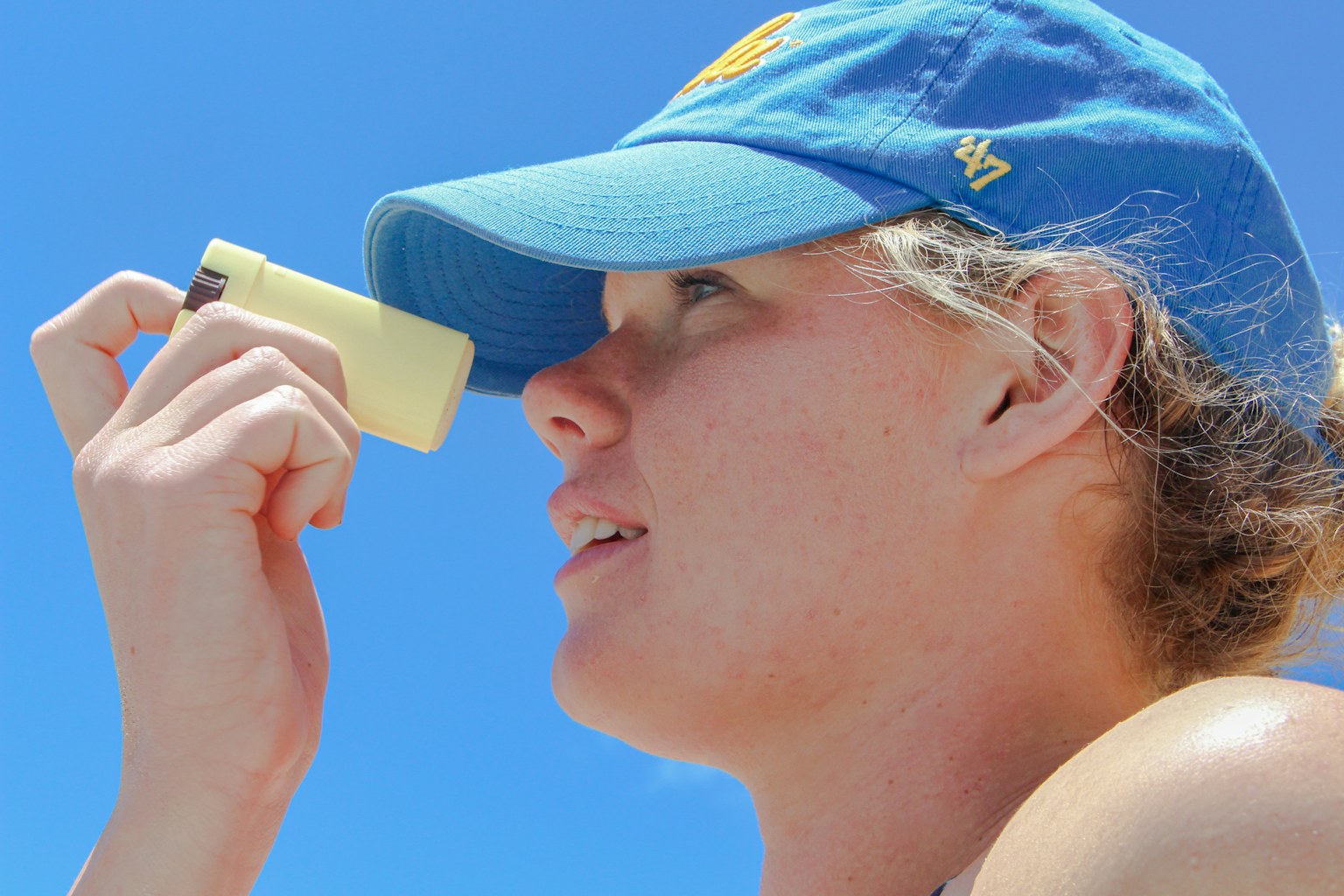
Melasma — also called chloasma or “the mask of pregnancy” — is a common, benign, acquired disorder of facial pigmentation. It appears as flat, symmetrical brown or grey-brown patches, most often across the cheeks, forehead, upper lip, the bridge of the nose and sometimes the jawline. It is not cancerous and not contagious, and it causes no physical symptoms — but for many people in and around Bedford it is a real source of distress. It predominantly affects women (men account for roughly one in ten cases) and tends to be more stubborn in medium-to-deep skin tones (Fitzpatrick III–VI).
Under the surface, pigment-producing cells called melanocytes become overactive and overproduce melanin via the tyrosinase enzyme pathway. That pigment can sit in the upper skin (epidermal — more responsive), deeper down (dermal — more resistant), or both (mixed). The two drivers that matter most are hormones and ultraviolet/visible light, which is exactly why melasma behaves differently from ordinary sun spots and why a one-size-fits-all “laser fix” is the wrong approach.
Melasma vs sun spots vs post-inflammatory pigmentation
Melasma
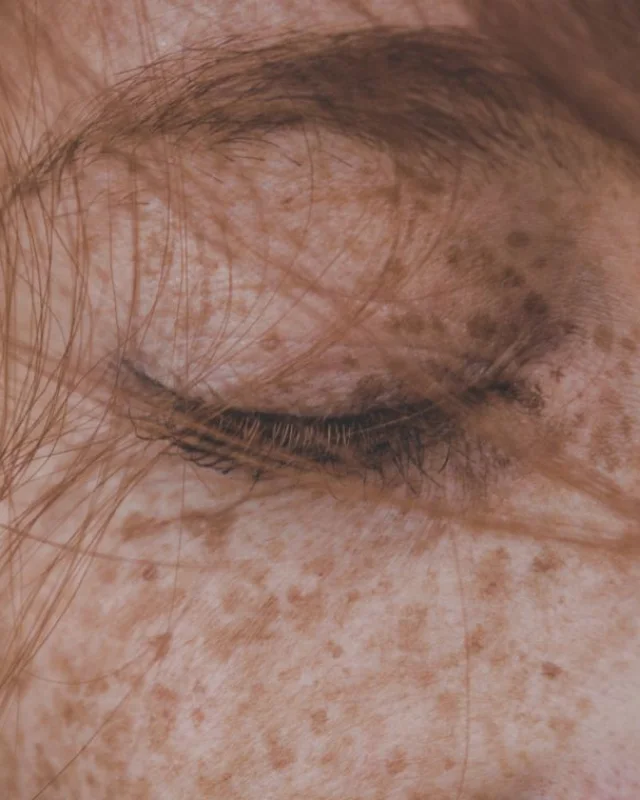
Symmetrical, larger patches on both cheeks, forehead or upper lip; driven by hormones and UV/heat; chronic and prone to flaring. This is the hormonal pattern.
Sun spots
Discrete, isolated brown spots (solar lentigines / age spots) from cumulative sun exposure, usually scattered rather than symmetrical. These are covered by our broader pigmentation treatment in Bedford.
Post-inflammatory
Pigment that follows a spot, injury or inflammation (PIH). It traces where the skin was damaged rather than forming the symmetrical hormonal mask of melasma.
Getting this distinction right matters, because the safest treatment depends on the cause. At your consultation, Dr Nick examines your skin — often with a closer light-based skin assessment — to judge whether the pattern, depth and history point to melasma, and how deep the pigment sits.
What melasma treatment helps with
At Rejuvena in Bedford, each melasma treatment plan starts with a careful assessment to confirm the concern, suitability and realistic next steps.
A layered, topical-first plan — not a single device
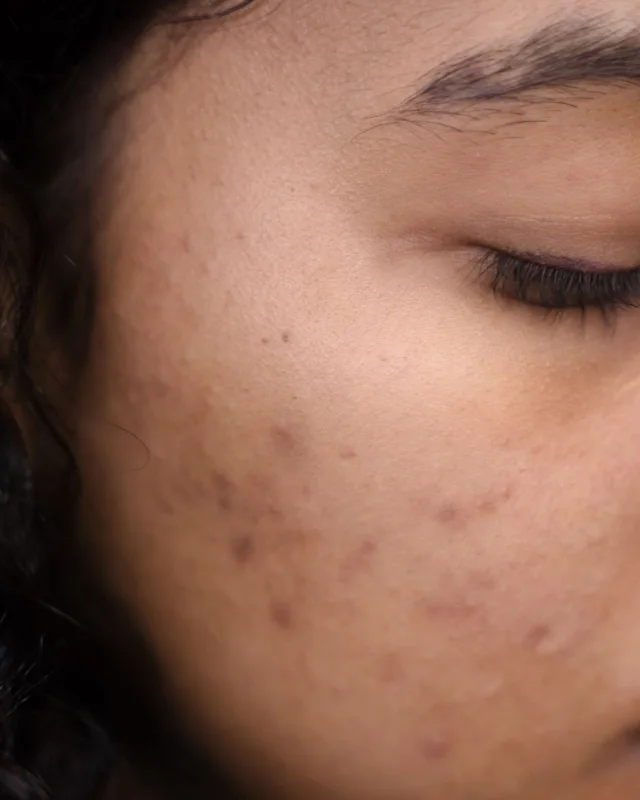
Effective melasma care is built from the ground up: pigment-blocking topicals and rigorous daily sun protection first, with gentle in-clinic options added only when appropriate and only under Dr Nick’s oversight. We are deliberately cautious with heat-based light treatments.
Depigmenting peels & daily SPF
The cornerstone is pigment control: a depigmenting system such as the Cosmelan depigmenting peel — which works by inhibiting the tyrosinase enzyme — paired with broad-spectrum SPF 50 every single day. Adjunct actives such as azelaic acid, kojic acid, niacinamide and (where clinically appropriate and prescribed) tranexamic acid may be discussed at your consultation. We do not assume one routine suits everyone.
- Best for Epidermal & mixed melasma
- Tempo Gradual over weeks to months
- Non-negotiable Daily broad-spectrum SPF
Gentle laser toning for stubborn pigment
When topical-led care alone is not enough, a gentle, low-energy picosecond toning approach can be considered to help break down stubborn or mixed pigment. It is used cautiously, at conservative settings, and only when Dr Nick judges it suitable for your skin type — never as a first move. Cool laser resurfacing may occasionally play a supporting role with the same care.
- Role Adjunct, not first-line
- Setting Conservative, doctor-supervised
- Suitability Assessed by skin type
Why we are cautious with IPL & heat
This is important. According to the British Association of Dermatologists, laser and light therapy “can worsen pigmentation issues or result in patches of lighter skin” — a rebound that is seen more often in people of colour. For that reason we do not promote IPL or aggressive heat-based lasers as a melasma treatment. Energy-based options for melasma must be conservative, second-line and doctor-supervised, which is why our plans lead with topicals and sun protection.
- Risk Rebound & uneven lightening
- Higher risk Darker skin tones
- Our rule Never a default first choice
Can melasma be cured?
No — and any clinic that promises a cure is not being straight with you. Melasma is a chronic condition. There is no treatment to date that achieves complete reversal, so the honest goal is to manage and control it: to lighten the patches, even out tone, and keep relapse at bay. With the right plan most people see gradual, worthwhile improvement over months.
It can and often does return, especially with renewed sun or heat exposure, or hormonal changes such as pregnancy, the contraceptive pill or HRT. Pregnancy-related melasma frequently fades in the months after delivery, and melasma often softens with age and after menopause. What holds results long-term is unglamorous but decisive: daily broad-spectrum sun protection and ongoing maintenance. We would rather set that expectation clearly than over-promise.
Your melasma journey, step by step
Consultation & skin analysis
Dr Nick examines your pigmentation — pattern, symmetry, depth and history — often with a light-based skin assessment to judge whether pigment is epidermal, dermal or mixed. Any atypical, asymmetrical or changing lesion is assessed carefully and referred appropriately rather than treated blindly.
Your personalised plan
We build a layered, topical-first regime around your skin type and triggers — depigmenting care such as Cosmelan, suitable actives, and a non-negotiable daily SPF. Where relevant, we discuss managing hormonal triggers with your GP.
In-clinic treatment
If your plan includes an in-clinic step, it is delivered conservatively under Dr Nick’s oversight, with our skin therapist Lana supporting you through each session. Gentle options like low-energy laser toning are only added when suitable.
Maintenance & sun protection
This is where results are kept. Daily SPF 50, sun-smart habits, hats and shade through peak hours, plus periodic reviews to keep pigment controlled and catch any flare early.
Who melasma treatment suits — and who it doesn’t
It may suit you if
You have confirmed facial melasma you want to reduce and manage, you are willing to commit to rigorous daily sun protection and a maintenance routine, and you want a realistic, doctor-led plan rather than a quick fix.
It may not be right if
You are pregnant or breastfeeding (many active agents are avoided — we usually defer), you are unwilling to use daily sun protection, you have recent significant sun exposure or active skin irritation, or you expect a permanent cure.
When we assess & refer
A patch that is asymmetrical, rapidly changing, raised, crusting or bleeding is not typical melasma. Dr Nick (MBBS, MRCGP, Dip Dermatology, GMC 6072251) assesses any atypical or potentially sinister lesion first and refers you appropriately rather than treating blindly.
Because melasma is treated with a personalised, layered plan — the right combination of depigmenting care, in-clinic steps and maintenance varies from person to person — we don’t quote a one-size fee. After Dr Nick has assessed your skin, you’ll receive a clear, honest plan and the price for it. No pressure, no invented numbers.
Why choose Rejuvena for melasma in Bedford?
Doctor-led from day one
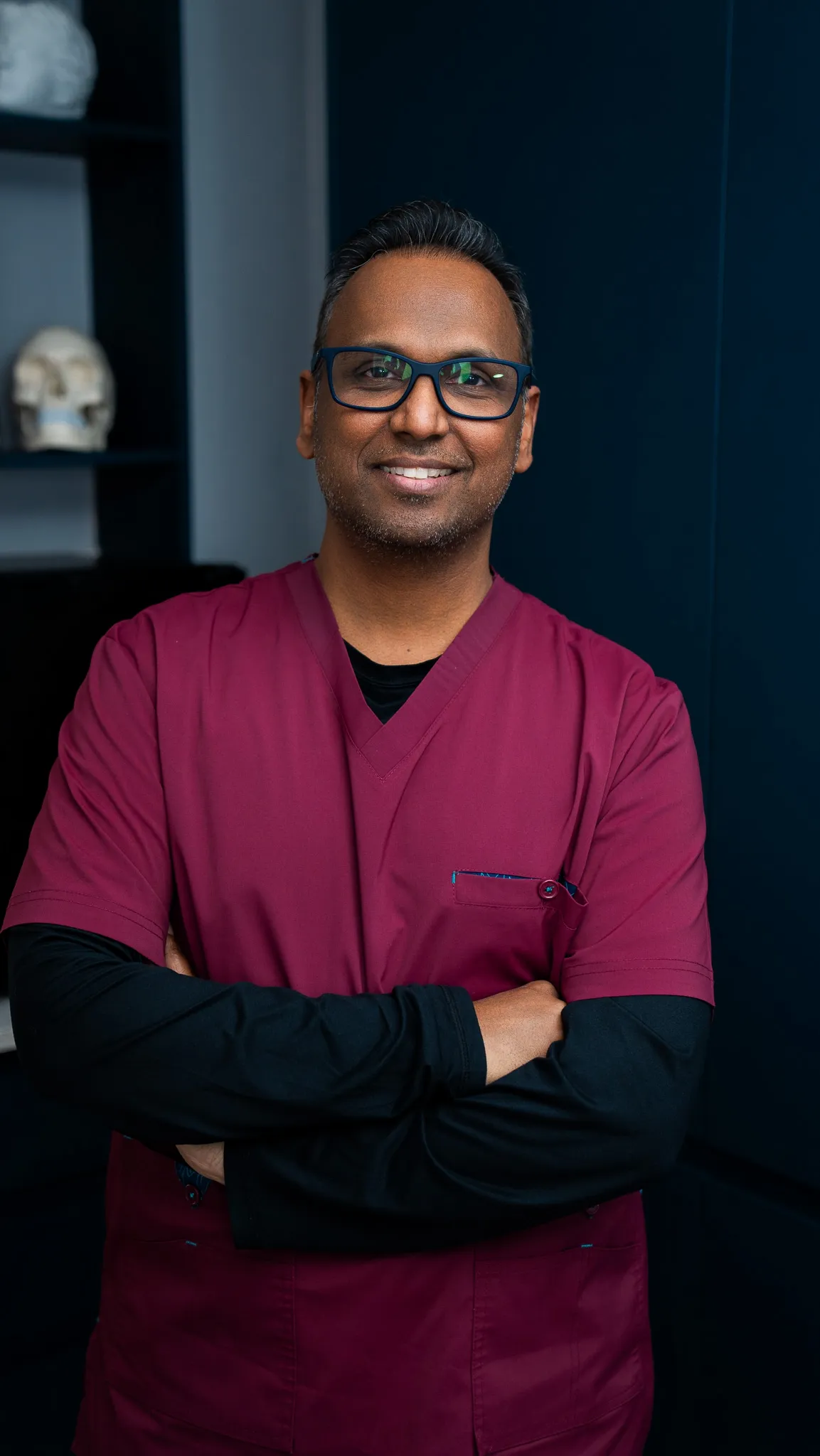
Your melasma is assessed and overseen by Dr Nick — MBBS, MRCGP, Diploma in Dermatology, GMC 6072251 — so your plan rests on a proper medical understanding of your skin.
5★ from 161 reviews
Patients across Bedford rate us 4.9 stars from 161 verified reviews — earned through honest advice and careful, realistic care.
Honesty over hype
We say “managed, not cured”, we are cautious with IPL and heat, and we refer atypical lesions appropriately. No invented prices, no faked results.
Local & welcoming
Based at 52 Thor Drive, Bedford, we care for patients from Kempston, Biddenham, Bromham, Clapham, Wootton, Great Denham, Milton Keynes and across Bedfordshire.
Related treatments at Rejuvena Bedford
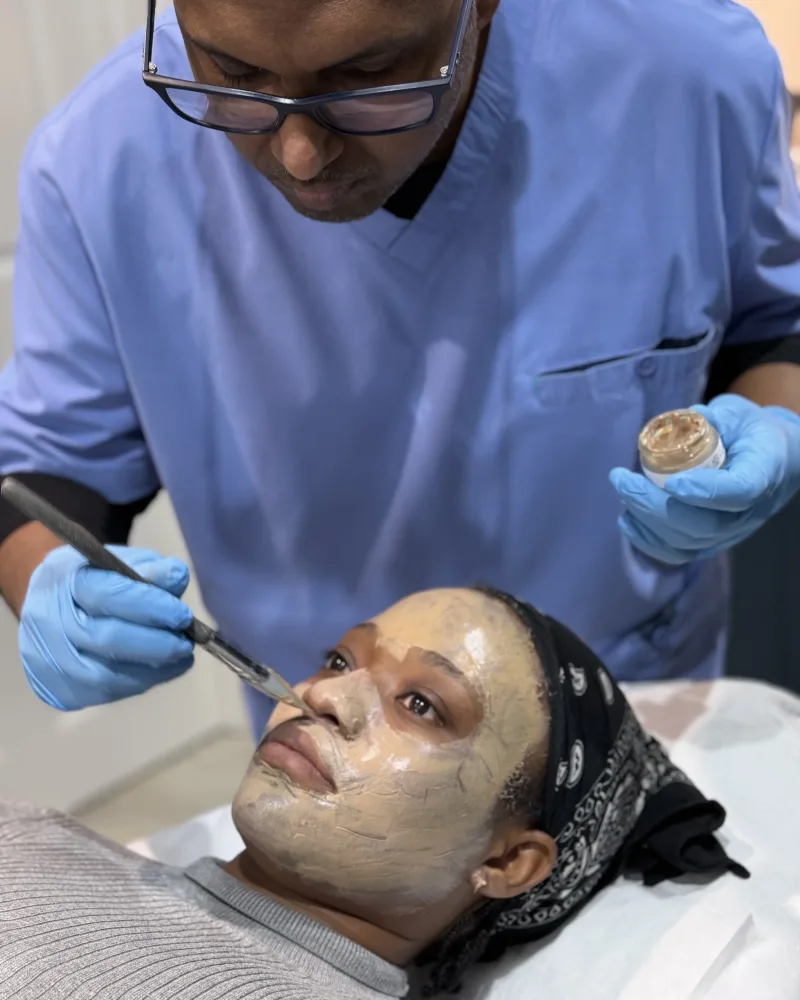
Cosmelan Depigmenting Peel
The topical-first, tyrosinase-targeting peel that anchors most melasma plans. Pricing confirmed at consultation.
Learn more →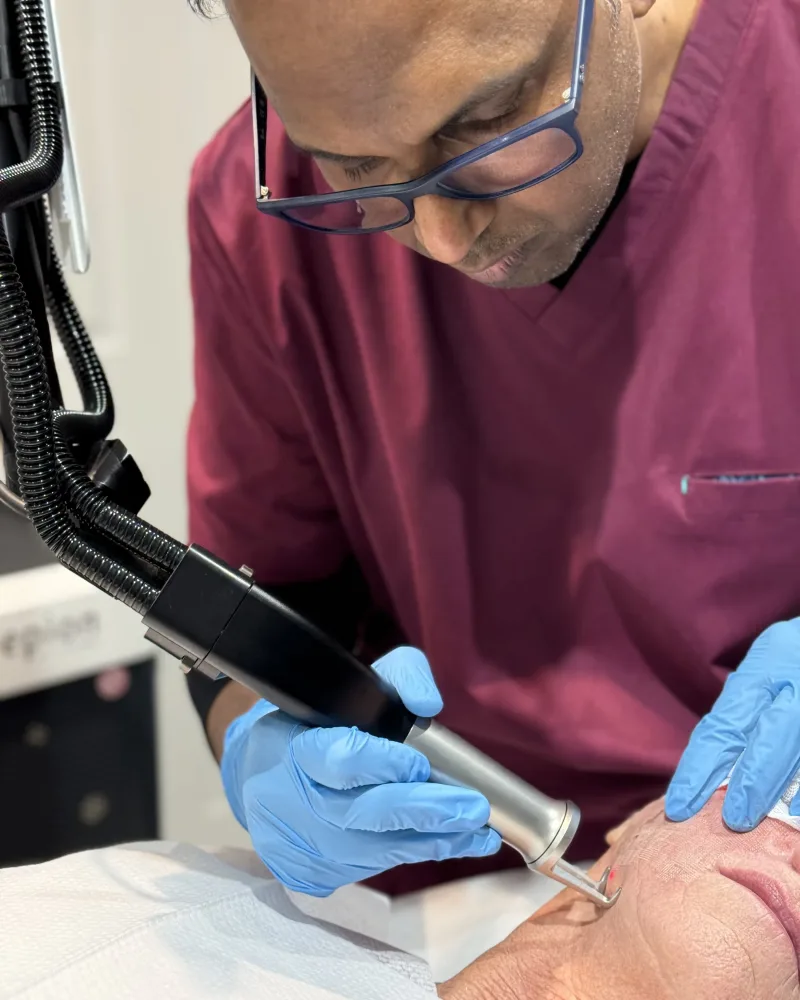
Cool Laser Skin Resurfacing
A conservative resurfacing option that can play a supporting role in some pigment plans, used cautiously under Dr Nick’s oversight.
Learn more →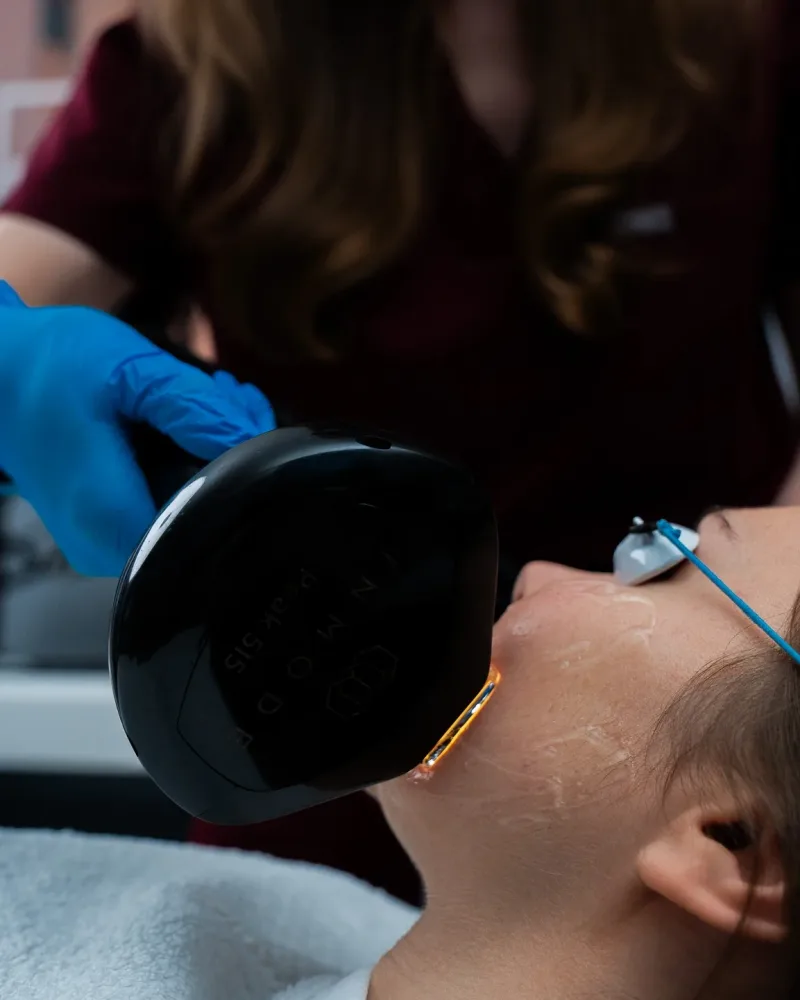
Pigmentation Treatment
Our broader pigmentation hub for sun spots, freckles and uneven tone — not just hormonal melasma.
Learn more →Verified Google reviews
What our patients say
5.0from 161 Google reviews
I recently had a lesion removed from my cheek. The pigmented lesion had bothered me for years. I’m glad I finally decided to do something about it. I was quite nervous on the day, but Dr. Nick and Lana were so careful and reassuring — they really put me at ease. The procedure was quick and comfortable, and I feel so much better for having it done. I did a lot of research before I chose this clinic for my treatment. The clinic’s medical dermatology focus made me feel confident I would be in the right hands. I’m really grateful for the care I received and I would definitely recommend this clinic.
Rejuvena repliedThank you so much for your skin review Dupinder 🙏
Read this review on Google (opens in a new tab)Throughout my Lumecca experience Nick & Lana have been nothing but exceptional. Their knowledge and experience mixed with personal customer service can’t be matched. They put your mind and rest and explain everything from the start. The results speak for themselves! For years I have managed Rosecea, Pigmentation and Thread Veins. After just one treatment I could see clearer, dewy skin. Thanks to Nick and Lana my confidence has grown to be able to go out with minimal make up on. A Randall
Rejuvena repliedHi Aisling, thank you for your kind review. We are so happy that we managed to help you feel confident in your skin again. It means a lot to us, so thank you once again. ☺️🙏
Read this review on Google (opens in a new tab)This clinic is a hidden gem! Dr Nick is so professional, really highly trained and his treatments are so effective! Lana is welcoming and her knowledge of skincare is second to none. Highly recommended
Rejuvena repliedYou are a kindest soul dear Avi. Thank you very much for your kind review 🤗🙏
Read this review on Google (opens in a new tab)My experience was really comfortable. Dr Nick is professional and skillful, he took the time to explain everything. I would throughly recommend their services.
Rejuvena repliedThank you very much for your kind review Holly. We are glad to hear you liked our services. This means a lot to us. ☺️🙏
Read this review on Google (opens in a new tab)Great, professional, friendly service, really happy with my laser results, Lana is very passionate about what she does
Rejuvena repliedThank you very much for your kind words Suky ☺️🙏
Read this review on Google (opens in a new tab)I had a great experience at Rejuvena Laser Clinic. I was very happy with my initial consultation with Doctor Nick and Lana — they were both professional, welcoming, and took the time to explain everything clearly, which made me feel completely comfortable. My wife has been using the clinic for a few years now and she has always been extremely happy with the results and the level of care.
Rejuvena repliedThank you for your kind review Vadims ☺️🙏
Read this review on Google (opens in a new tab)Every review above is published on Google. Tap any card to read it there.
Melasma FAQs — Bedford
What causes melasma?
Can melasma be cured permanently?
Does melasma go away after pregnancy?
Is IPL or laser safe for melasma — can it make it worse?
What is the best treatment for melasma in Bedford?
How is melasma different from sun spots or hyperpigmentation?
How much does melasma treatment cost in Bedford?
How long until I see results, and will my melasma come back?
Book your melasma consultation in Bedford
Speak with Dr Nick’s team at Rejuvena Bedford for an honest assessment and a safe, personalised melasma plan — book online or call us.