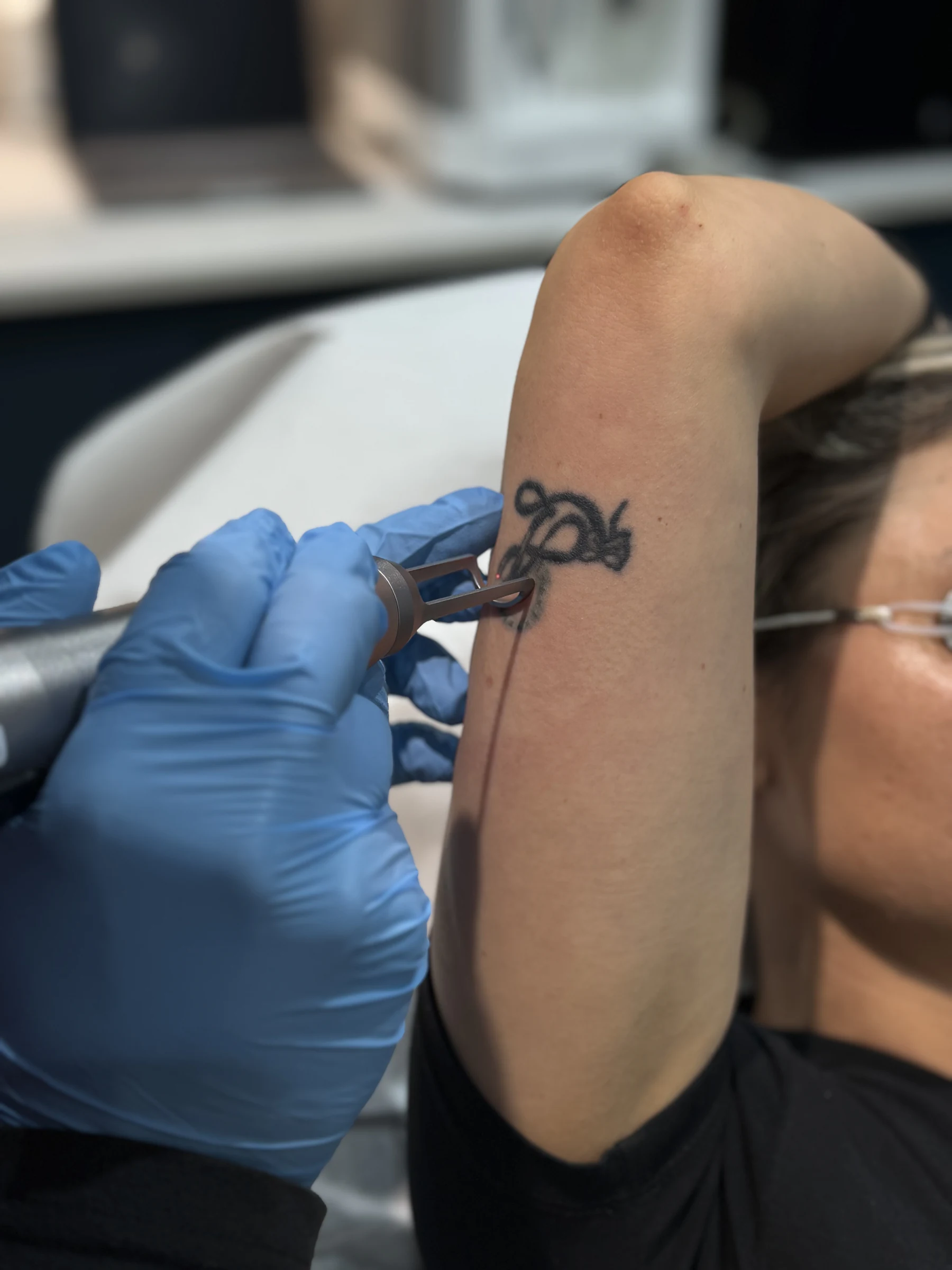
Doctor-led laser tattoo removal in Bedford
Picosecond laser pulses break tattoo pigment into smaller particles for the body to clear gradually. We assess ink colours, depth, skin tone and scarring risk first, then plan a staged course with test treatment and aftercare where appropriate.
- Picosecond laser
- Skin and ink assessment
- Staged treatment plan
- Bedford clinic

Rejuvena · Bedford · Picosecond Laser
Tattoo Removal Session Calculator
Discover how many sessions your tattoo may need.
Laser tattoo removal works by breaking the ink into tiny fragments your body then clears away. How many sessions it takes depends on the tattoo's ink density, colours, age, location and any scarring — and on the laser used. At Rejuvena in Bedford we use a Picosecond laser, which shatters pigment faster than older nanosecond lasers, typically meaning fewer sessions. Answer 7 quick questions below for your personalised estimate.
Your result is ready
Enter your details to reveal your estimated treatment range. One of our specialists will also call you back to talk through your tattoo and your personalised plan.
Thank you — your estimate is ready
We've received your details and a Rejuvena specialist will call you back shortly to talk through your tattoo and your personalised plan. Prefer to reach us now?
Your Estimated Treatment Range
This estimate is based on recognised tattoo-removal prediction factors and should be used as a guide only.
Please note: Based on your answers, this is a higher-difficulty tattoo. We strongly recommend an in-person assessment to confirm whether laser removal is the most suitable option and to give you an accurate, personalised plan.
Factors increasing the number of sessions
- Dense professional ink
- Multiple colours
- Distal location (hands/feet)
Factors reducing the number of sessions
- Older tattoo
- Predominantly black ink
- No scarring
Disclaimer: This tool provides an estimate only and is not a guarantee of treatment outcomes. Actual treatment numbers vary depending on ink composition, tattoo depth, immune response, laser technology used, and individual healing characteristics.
Note: Tattoo removal outcomes depend not only on the tattoo itself, but also on the laser technology used. Picosecond lasers generally achieve faster fragmentation of tattoo pigment than traditional nanosecond lasers.
For informational purposes only. Not medical advice or a guarantee of results. Rejuvena Laser & Aesthetic Clinic, Bedford — doctor-led care.
Good to know
Tattoo removal sessions — common questions
How many sessions does laser tattoo removal take?
Most tattoos require a course of laser sessions rather than a single treatment. The number varies with the tattoo's ink density, colours, location, age and any scarring. This calculator gives an estimated range based on the recognised Kirby–Desai prediction factors, adjusted for our Picosecond laser — book an assessment for a precise plan.
What makes a tattoo harder to remove?
Tattoos generally need more sessions when they have dense professional ink, multiple colours (especially blues and greens), or are in a distal location such as the hands or feet, where circulation is poorer.
What makes a tattoo easier to remove?
Older tattoos, predominantly black ink, and tattoos with no scarring typically respond faster and may need fewer sessions.
Do Picosecond lasers remove tattoos faster?
Picosecond lasers generally achieve faster fragmentation of tattoo pigment than traditional nanosecond lasers, which can reduce the number of sessions required — though outcomes still depend on the individual tattoo and how your skin responds.
The laser shatters ink into microscopic fragments — then your own immune system clears them over the following weeks.
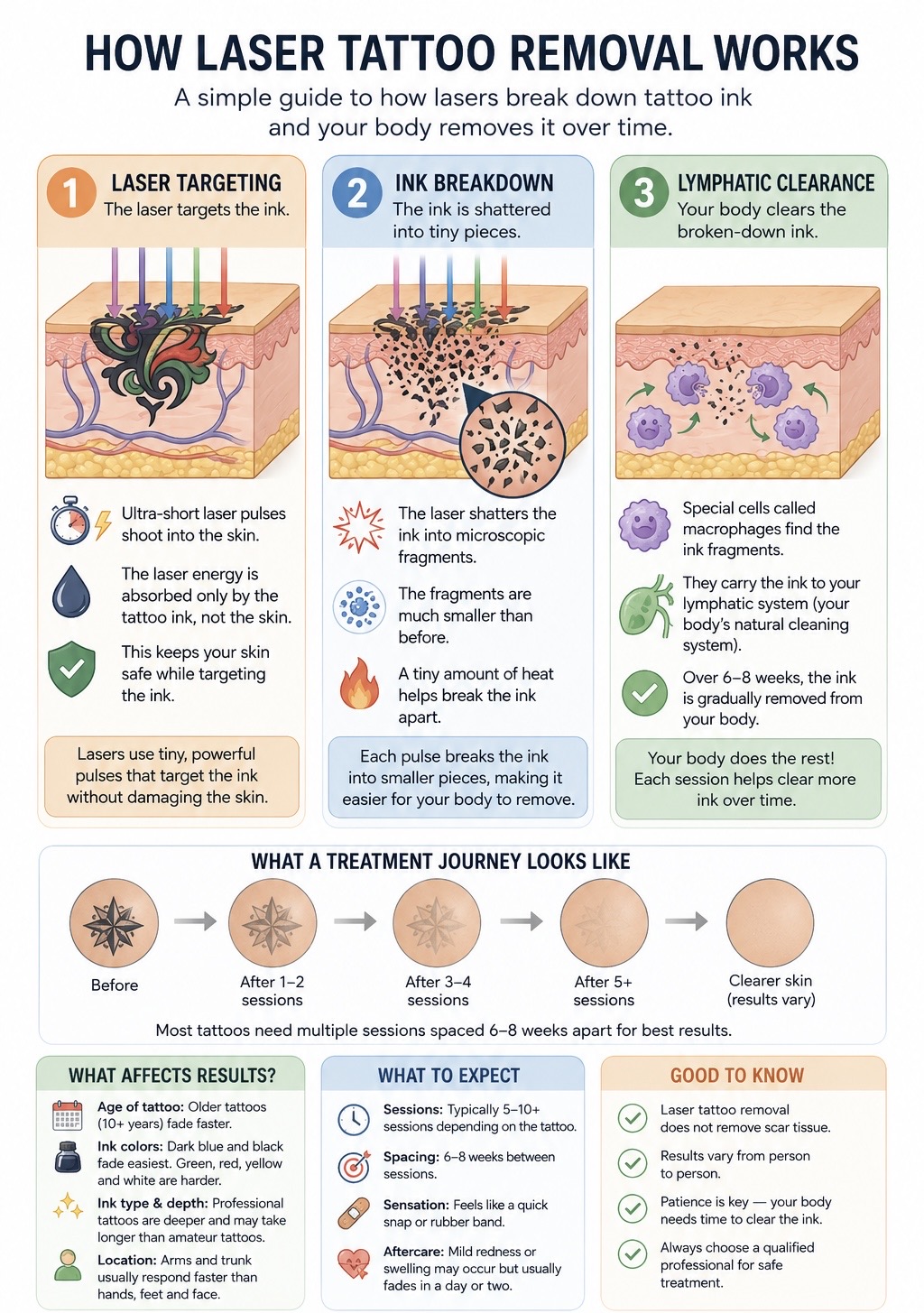
How laser tattoo removal works
Laser tattoo removal works through selective photothermolysis. The laser emits ultra-short, high-intensity pulses at a wavelength absorbed by the tattoo ink. The rapid energy deposition shatters the ink particles into microscopic fragments through a photomechanical effect — the particles heat and expand so fast that they fragment before the surrounding tissue absorbs significant heat. Macrophages then recognise these fragments as foreign material and clear them through the lymphatic system over the following 6–8 weeks.
Each session removes progressively more ink. How many you need depends on the tattoo’s ink density, colours, depth and age:
- Responds faster: older tattoos (10+ years), black/dark-blue ink, amateur or faded work, on the trunk or limbs, on lighter (Fitzpatrick I–III) skin.
- Responds slower: recent tattoos (under 2 years), green/red/yellow/white ink, heavily saturated professional work, on hands/feet/face, on darker (IV–VI) skin treated with adjusted parameters.
Picosecond precision, photomechanical clearance
The Pico Laser delivers ultra-short picosecond pulses — a trillionth of a second long, around 1000× faster than older Q-switched (nanosecond) lasers. The faster pulses shatter ink mechanically rather than thermally, producing smaller fragments that clear more easily and with less heat to the surrounding skin. Dr. Nick selects the right settings for each tattoo and skin tone.
Black, dark ink & all skin tones
The 1064nm picosecond wavelength penetrates deep into the dermis where professional ink sits, absorbed efficiently by black and dark pigment. Low surface melanin absorption means it doesn’t preferentially target the skin’s own pigment, making it the preferred wavelength for medium and darker skin (Fitzpatrick III–VI).
- Target inks Black, dark blue, dark grey
- Safe for All skin types
- Mechanism Photomechanical fragmentation
- Depth Reaches deep dermal ink
Coloured inks on lighter skin
The 532nm picosecond wavelength is highly absorbed by red, orange and yellow tattoo pigments. Historically these colours were among the most difficult to remove with older laser technologies. When combined with the 1064nm treatment, it enables effective treatment of many common tattoo colours.
- Target inks Red, orange, yellow, some purple
- Best suited for Fitzpatrick I–III (selected Fitzpatrick IV patients may be suitable following assessment)
- Sessions Varies between tattoos; often fewer treatments than traditional Q-switched systems
- Strength Excellent for warm-coloured tattoo pigments that respond poorly to 1064nm alone
Pico Laser pulses are around 1000× faster than Q-switched (nanosecond) lasers — that fraction-of-a-trillionth of a second is the key to shattering ink mechanically rather than burning it thermally. The result is smaller ink fragments your immune system clears more easily, fewer sessions on average, and a better safety margin for darker skin tones than older systems.
The tattoo removal session — step by step
Clinical assessment
Dr. Nick assesses the tattoo — size, ink colours, estimated depth and skin type — and gives a realistic estimate of the sessions needed.
Photograph
Standardised photos are taken before every session to document progress objectively.
Topical anaesthesia (optional)
EMLA cream can be applied 45–60 minutes before for patients who prefer extra comfort.
Laser treatment
The Pico Laser is applied to the tattoo with picosecond pulses tuned to your ink colour and skin tone. The session takes 10–30 minutes depending on size.
Immediate aftercare
The skin frosts white immediately — a normal reaction that fades within minutes — and a light dressing is applied.
Review
Progress photos are compared at each subsequent session, and parameters are adjusted as the tattoo fades.
Laser tattoo removal results — before and after
Real patient photography from Rejuvena’s clinical gallery. Clearance varies with ink, depth, skin tone and treatment course.
Black neck tattoo
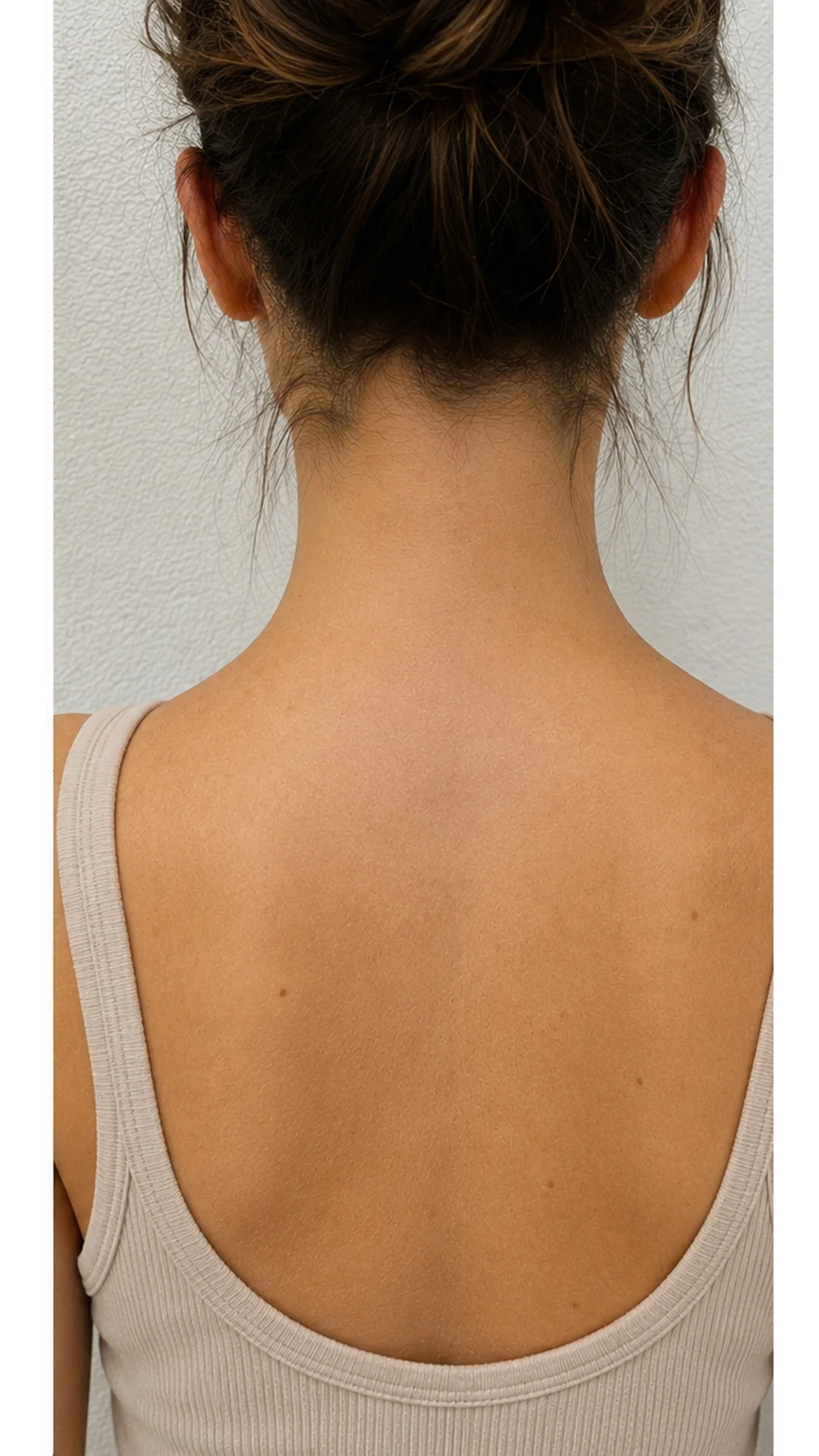
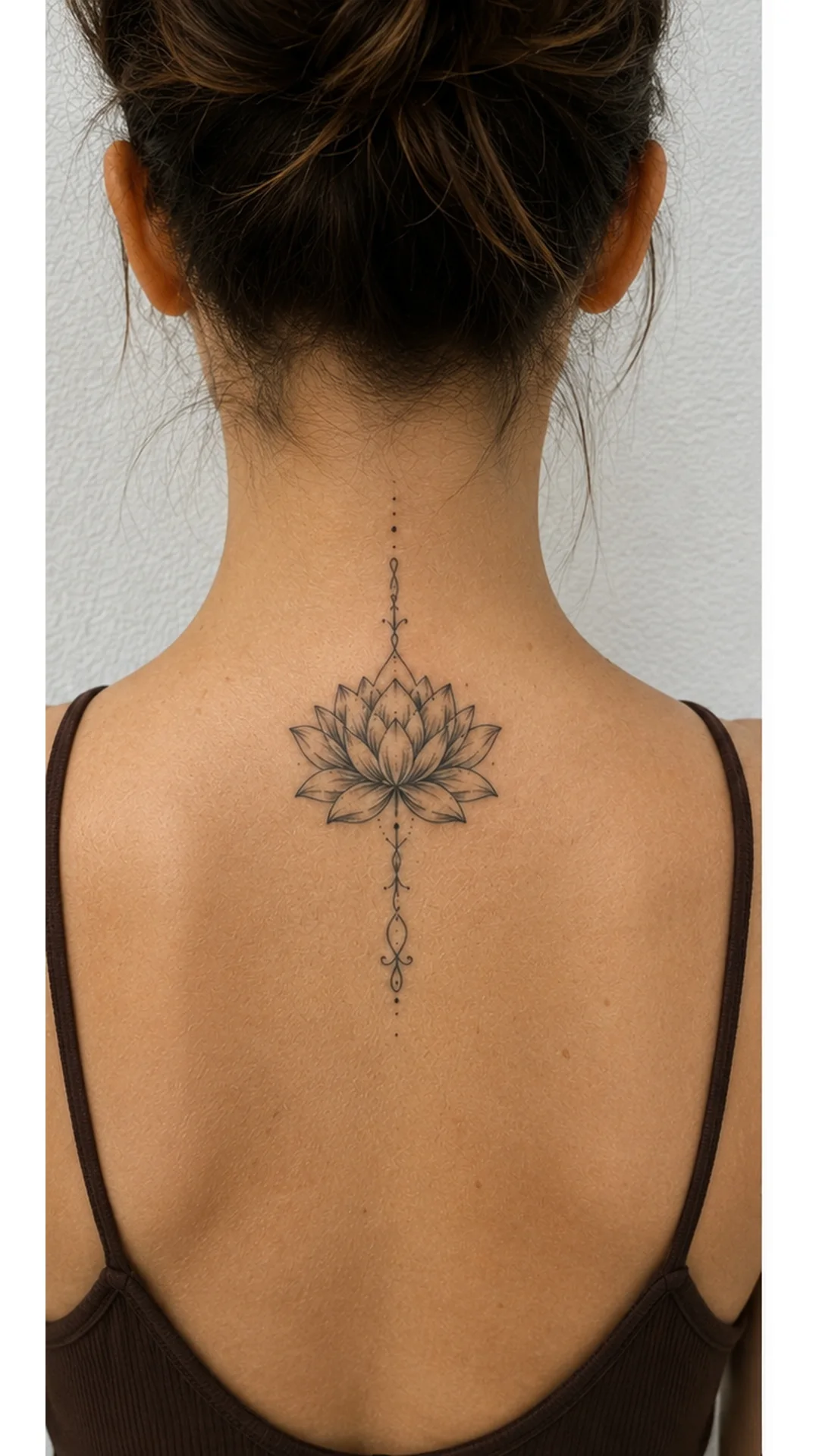 AfterBefore
Black forearm tattoo
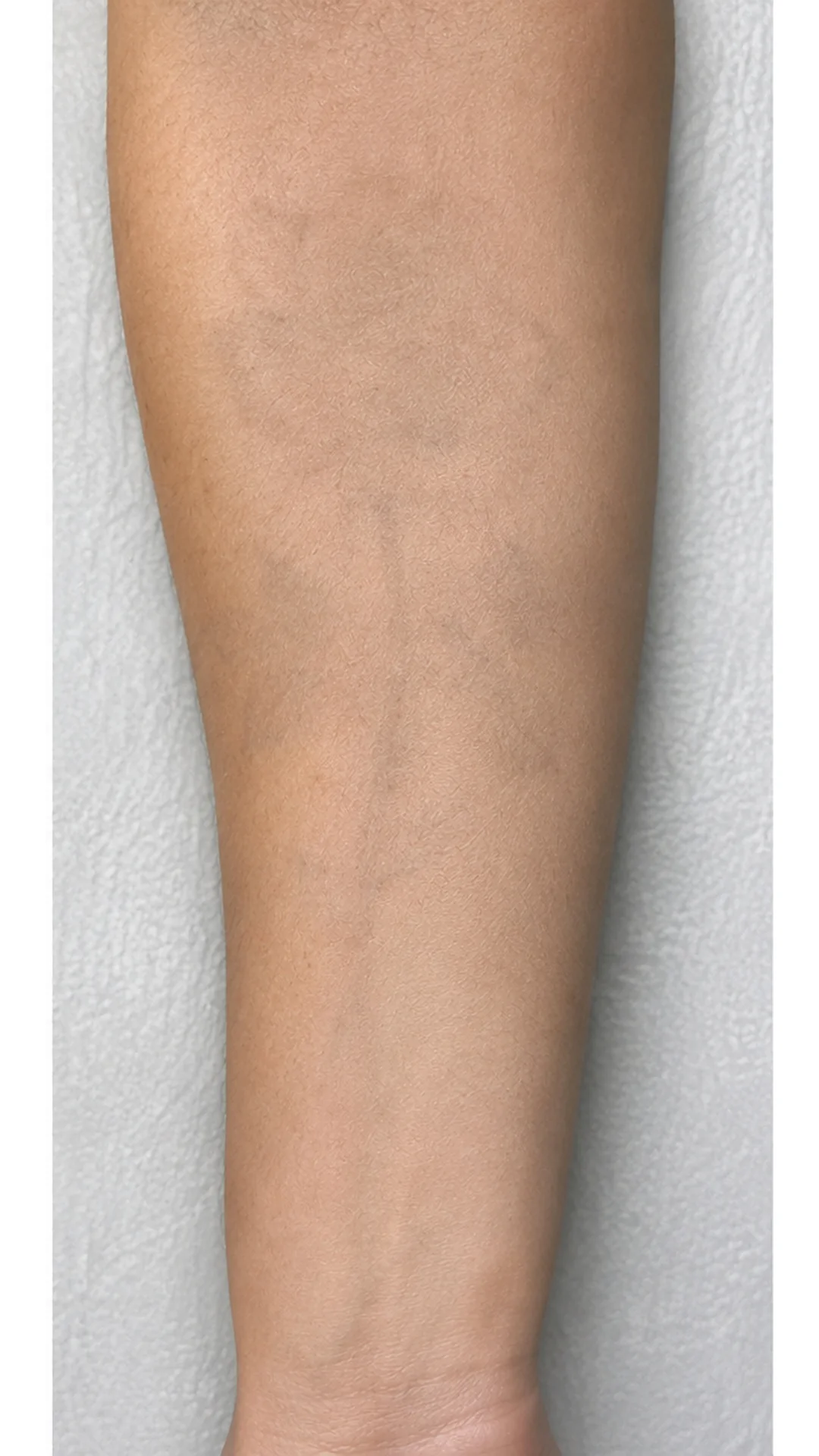
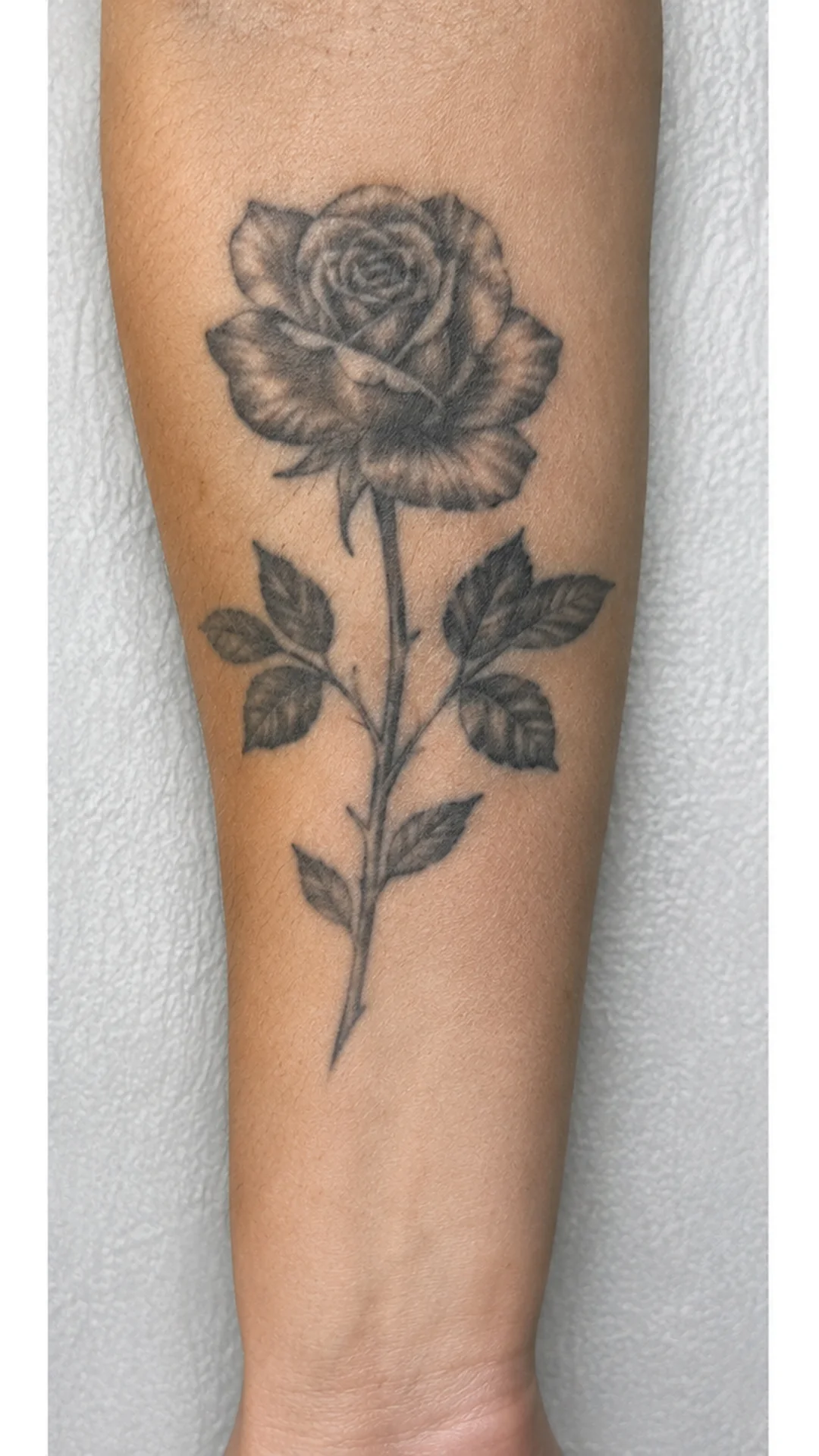 AfterBefore
Staged treatment course
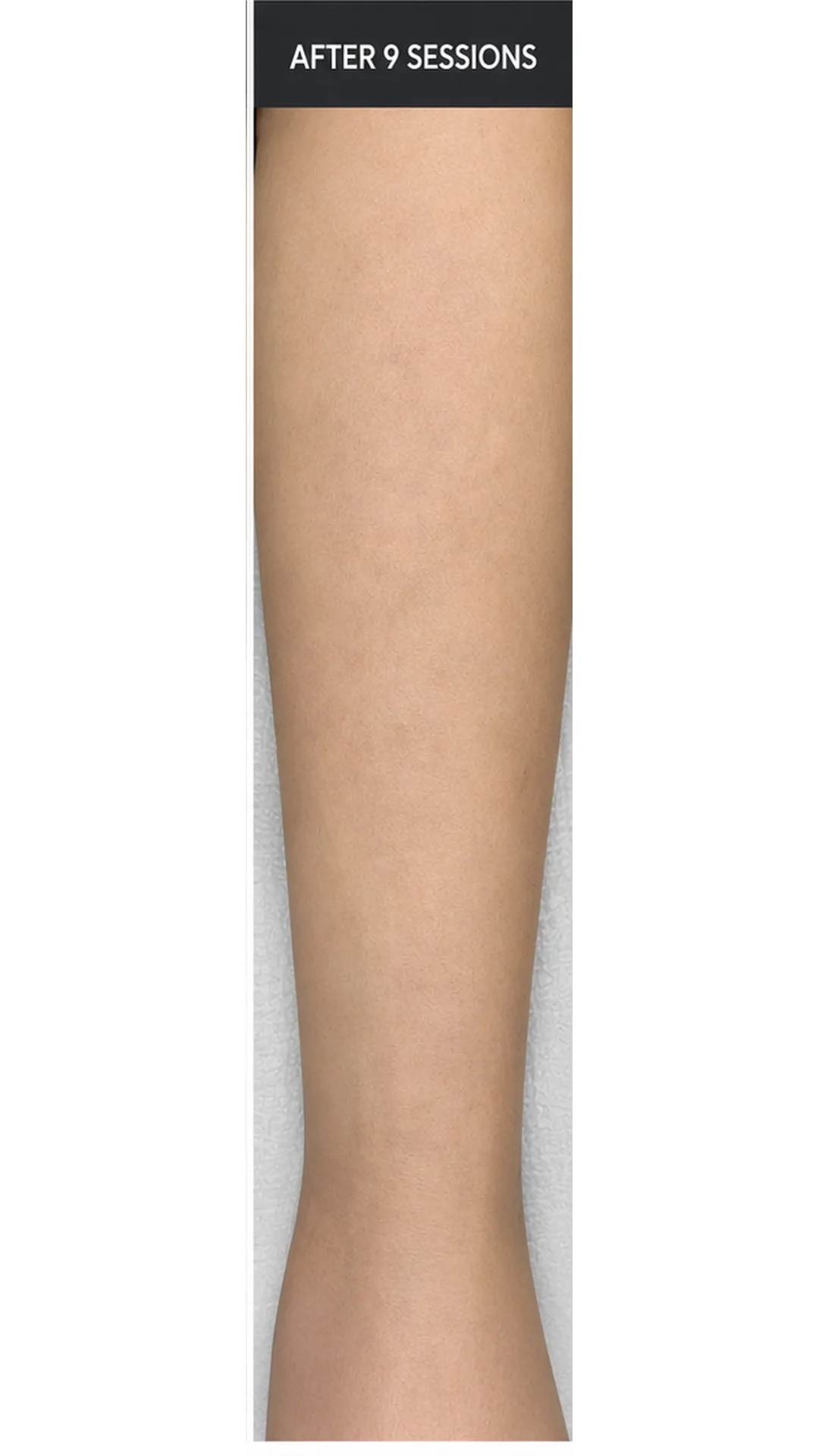
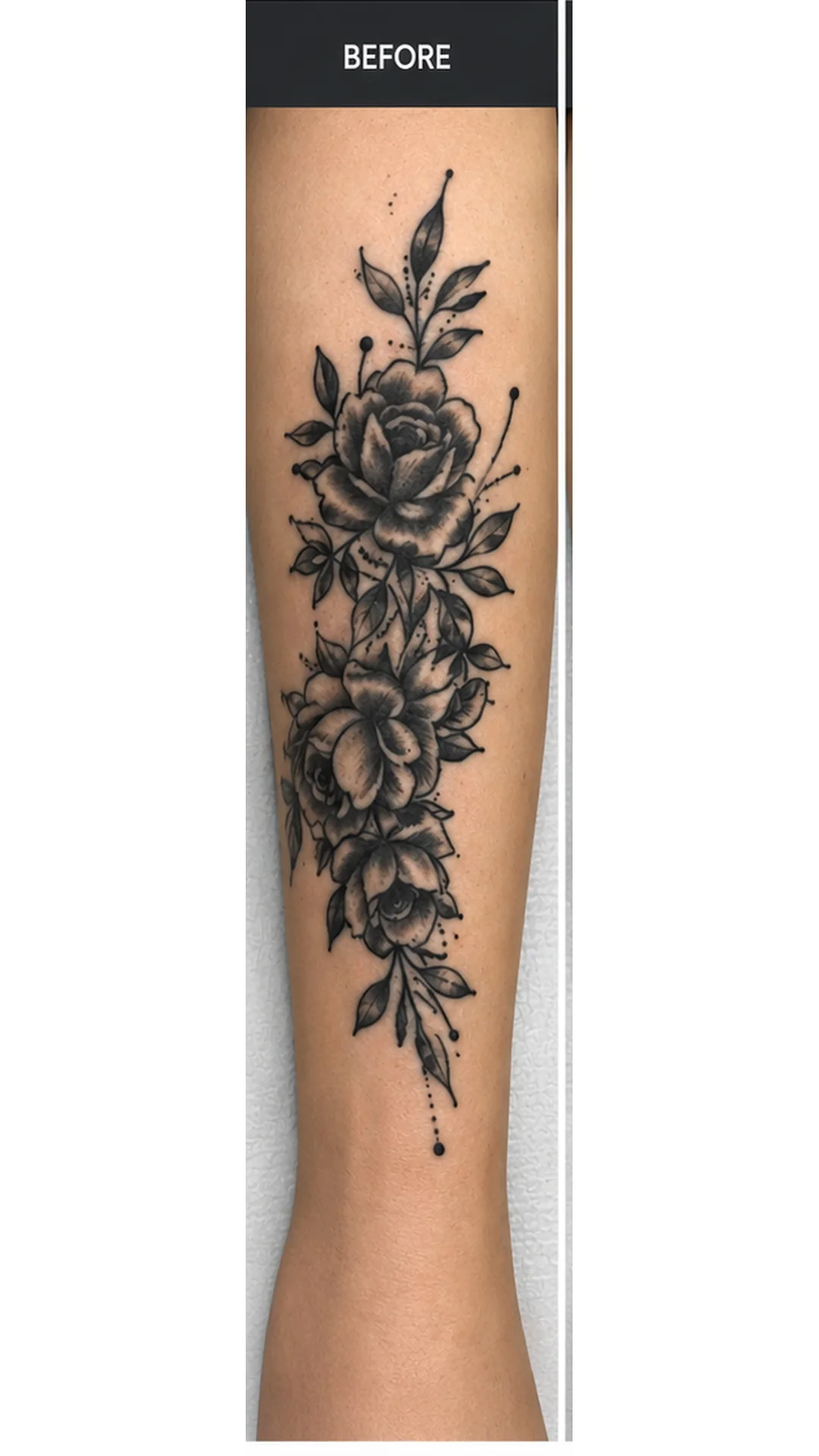 AfterBefore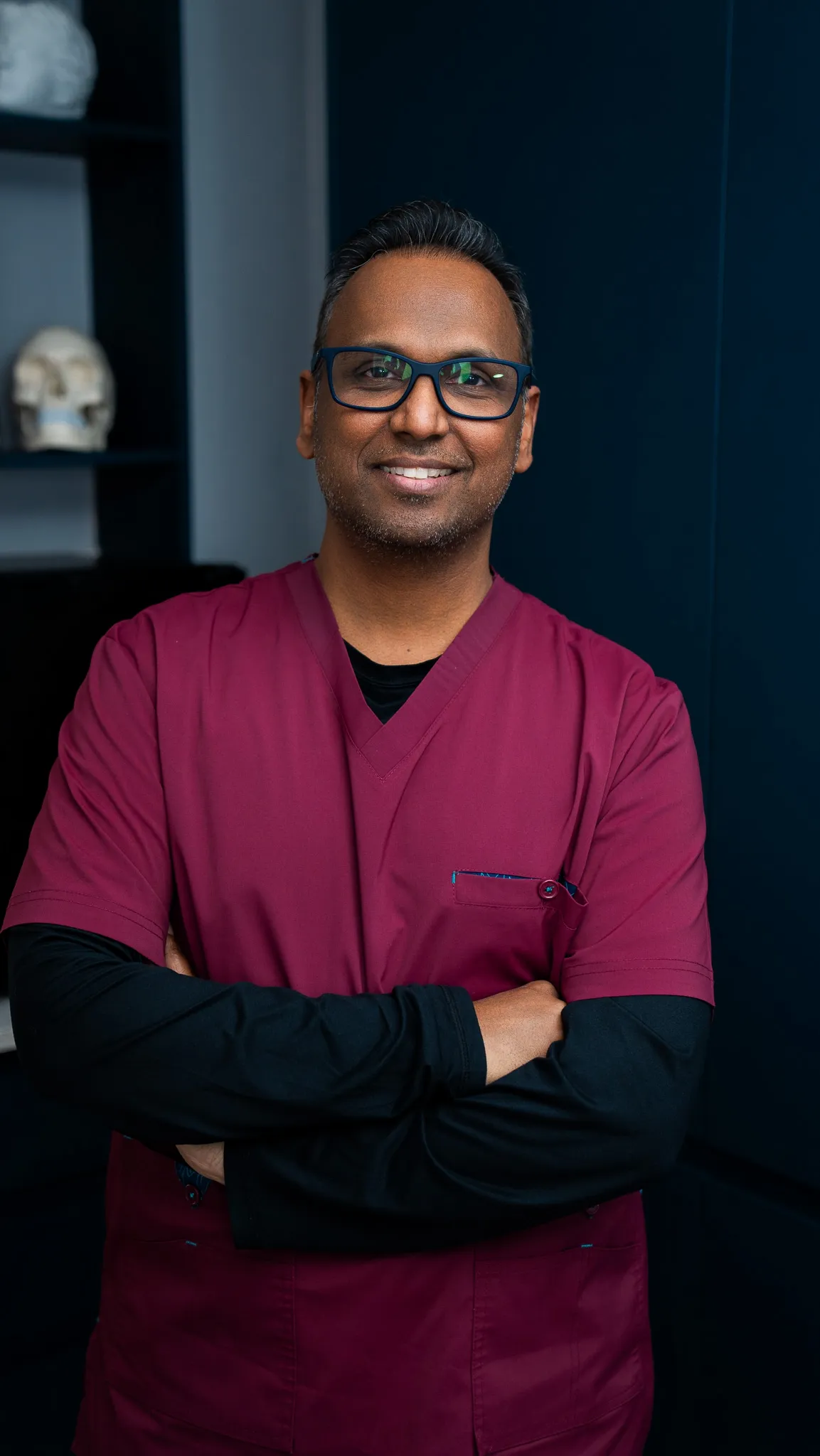
Picosecond pulses shatter ink mechanically — fewer sessions, smaller fragments, and a better safety margin including for darker skin tones where older Q-switched lasers struggled.
Patch testing & consultation: £20
Up to 10 cm²: £85
11–50 cm²: £125
51–100 cm²: £175
101–200 cm²: £225
201–300 cm²: £275
301–400 cm²: £325
401–500 cm²: £375
501–600 cm²: £425
Course packages (6+ sessions) available at a reduced per-session rate, confirmed at consultation.
Why choose Rejuvena for tattoo removal in Bedford?
Dual-wavelength Pico Laser
1064nm + 532nm in one platform — covering the widest range of ink colours and skin types.
Comfortable Pico
Progressive energy delivery — significantly more comfortable than conventional Q-switched lasers.
Safe for all skin tones
The Nd:YAG wavelength’s low melanin absorption makes it safe for Fitzpatrick IV–VI skin.
Doctor-led care
Dr. Nick clinically assesses each tattoo before treatment and oversees every session.
Related treatments at Rejuvena Bedford
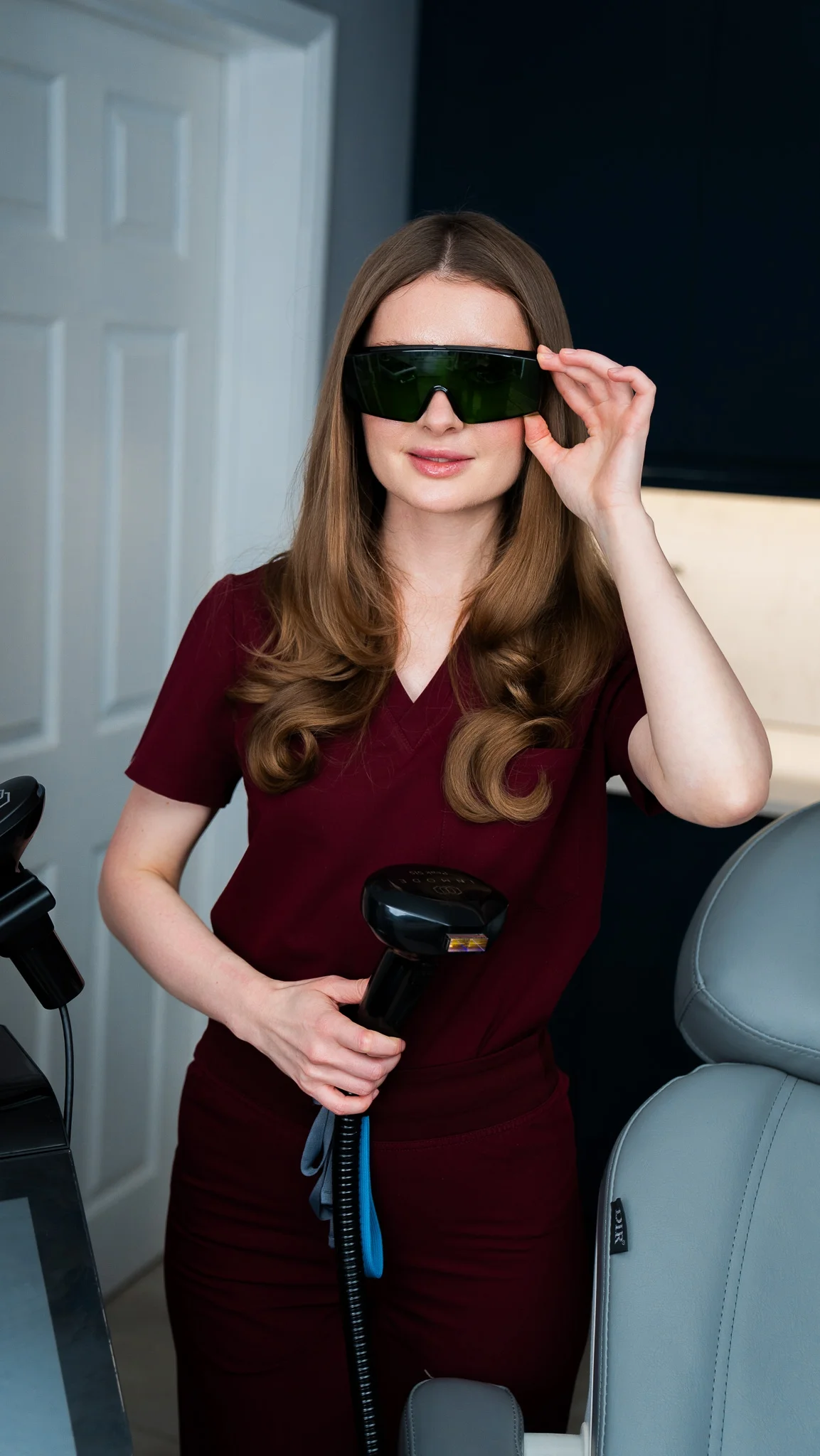
Pigmentation Treatment
For residual ink discolouration or broader skin pigmentation — Lumecca™ IPL and Cosmelan®. From £250.
Learn more →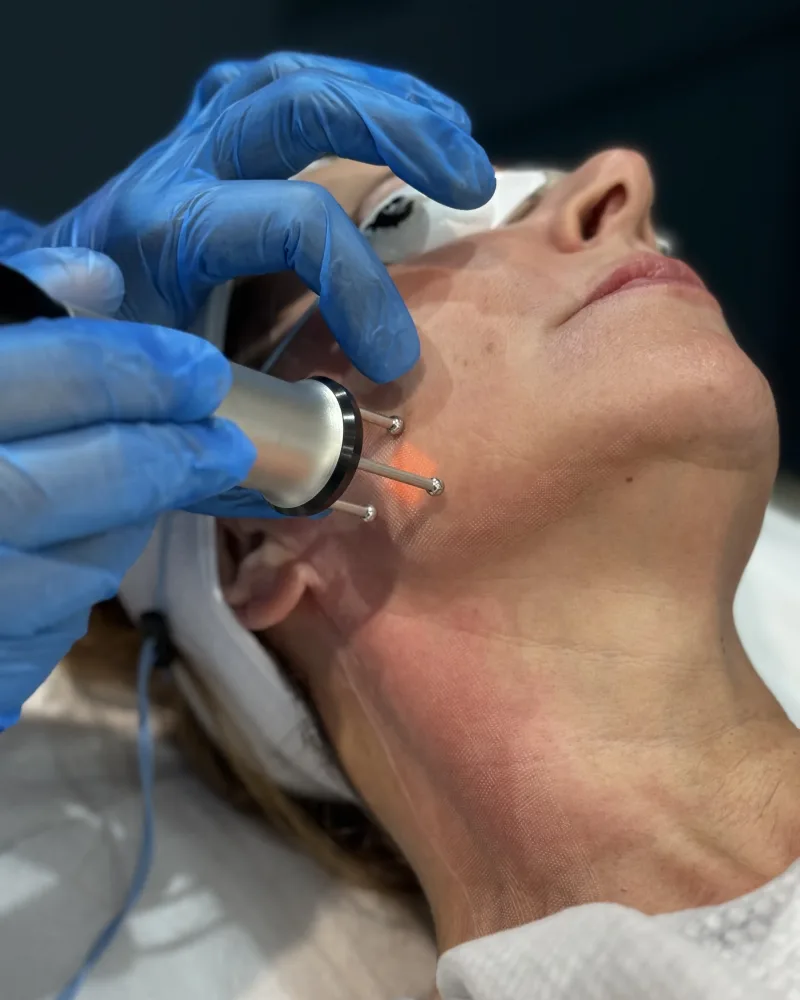
Stretch Mark Treatment
Morpheus 8 Burst™ and Cool Laser™ for stretch marks on the abdomen, thighs and hips. From £250.
Learn more →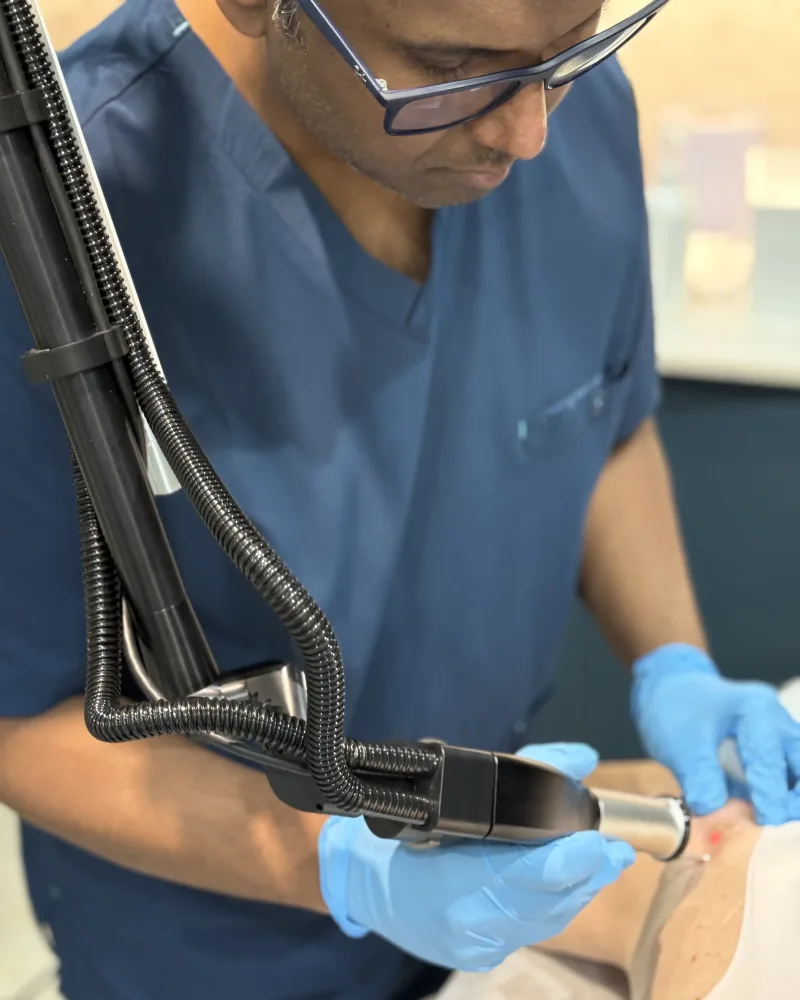
Skin Tag Removal
Fast Cool Laser™ removal of skin tags from the neck, underarms and face. From £95.
Learn more →Verified Google reviews
What our patients say
5.0from 161 Google reviews
I had a great experience at Rejuvena Laser Clinic. I was very happy with my initial consultation with Doctor Nick and Lana — they were both professional, welcoming, and took the time to explain everything clearly, which made me feel completely comfortable. My wife has been using the clinic for a few years now and she has always been extremely happy with the results and the level of care.
Rejuvena repliedThank you for your kind review Vadims ☺️🙏
Read this review on Google (opens in a new tab)I have been coming to Lana for over a year now. She is so friendly, professional and makes you feel completely at ease! I’m over the moon with my lazer results and would highly recommend Lana’s services to anyone☺️
Rejuvena repliedThank you very much Madie for your kind words ☺️🙏
Read this review on Google (opens in a new tab)I had an excellent experience at the clinic. The team recommended skincare products that truly transformed my skin. I had never seen great results with other products in the past, but this regimen has given me noticeably beautiful, healthy skin, and I am genuinely happy with the outcome. Thank you so much, Lana and Dr Nick, for your guidance and support. I highly recommend both you and your clinic - you are very professional, knowledgeable, and always willing to help.
Rejuvena repliedThank you very much for your kind and honest review Anastasia. It means a lot to us that we were able to help you and your skin.
Read this review on Google (opens in a new tab)In August of this year, after seeing another practitioner, I was left with complex complications that affected both my appearance and health. I was completely overwhelmed and honestly in bits. The original practitioner severely lacked the knowledge to deal with what had happened, and while my GP was supportive, they understandably weren’t a specialist in this area. That’s when I contacted Dr Nick and Lana at Rejuvena Clinic, and from my very first consultation I knew I was in the safest of hands. I was met with complete professionalism, kindness, and a totally non-judgemental approach. Dr Nick immediately understood the issues I was facing and knew exactly how to manage and approach them. Dr Nick truly went above and beyond to ensure that the damage caused by the previous treatment was minimised as much as possible. Every single treatment I’ve had at the clinic has been impeccable, from the warm welcome when you walk through the door, to the care, precision, and reassurance during treatment, and the excellent follow-up afterwards. I can’t recommend Dr Nick and Lana highly enough. If you are looking for expertise, compassion, and outstanding care, this clinic is exceptional.
Rejuvena repliedThank you for your detailed kind review H. We are very sorry that you are going through this complication from other practitioner. It’s not nice for any one to go through this. We
Read this review on Google (opens in a new tab)Doctor Nick and Lana are the most professional people you could possibly wish to meet. I have been having treatments for a couple of months now and what a difference it has made. From the moment you arrive at the clinic to the moment you leave you are made to feel at ease. The clinic is immaculate and Doctor Nick is so knowledgeable. Lana is fantastic at her treatments and is one of the loveliest people you could wish to meet. I can honestly say they have made a massive difference to me since the treatments. Thank you you so much.
Rejuvena repliedAww Jackie! Thank you very much for your kind feedback, it really means a lot to us. We are so glad to have helped you with your skin and you are also one of the most loveliest peo
Read this review on Google (opens in a new tab)I am quite new to visiting this clinic but so far only good emotions about it. I am undergoing laser treatment at the moment. Lana is such a nice girl, very friendly and supportive. I had to change few times my appointments and she never made me feel bad about it! The clinic - atmosphere feels calming and welcoming. It is very clean, modern and warm. I have met Dr Nick as well for consultation and he is incredibly professional, knowledgeable, and attentive, like Lana. They both make sure you understand the entire process. I am definitely recommending this Clinic!
Rejuvena repliedThank you very much Reda for your kind words and for placing your trust in us! We’re delighted to hear that you have a positive experience with our team, and we look forward to wel
Read this review on Google (opens in a new tab)Every review above is published on Google. Tap any card to read it there.
Frequently asked questions — tattoo removal in Bedford
What laser does Rejuvena use for tattoo removal in Bedford?
Why is the Pico Laser better than standard tattoo removal lasers?
How many sessions will I need?
Is tattoo removal safe on darker skin?
How much does tattoo removal cost in Bedford?
Can I have partial removal for a cover-up tattoo?
Book tattoo removal in Bedford
Speak with Dr. Nick’s team at Rejuvena Bedford — use the callback form, book online, or call us.